Category Archives: Advocacy

South Korea – 2007 – The law proposal for the support of scientific and technological research of aging

South Korea – 2007 – The law proposal for the support of scientific and technological research of aging

In Korean:

노화과학기술연구촉진법

(Editor’s note: Please see the The Korean original. Corrections for the English translation below are welcome!)

The law proposal to support scientific and technological research of aging includes establishing a main plan and monitoring program for the proposed law (Articles 2 – 5), the creation and support of a scientific and technological research council in the field of aging, and creation and support of a scientific and technological research committee on aging, their structure and administration (Articles 6 – 12), support and supervision for the manufacturing of  new technological products (Article 14), clinical trials and experimental testing (Articles 14, 15), etc.

The law proposal for the support of scientific and technological research of aging

  1. Purpose

The purpose of this law is to provide the basis for the wide support of scientific and technological research of aging, to ensure the effective prioritizing of this research, facilitating the technological development and commercial utilization of its results, as well as the development of methods to improve the health of the nation and the state of the economy.

  1. Definitions

Research of aging, defined under this law, is scientific and technological biomedical research aimed to elucidate the mechanisms of aging with the purpose to achieve healthy and active longevity, prevent and treat age-related diseases due to the aging process, promote active longevity with good functional abilities, strong physical and mental health of the aged. The research of aging involves a multidisciplinary framework of societal, educational, as well as scientific, technological and methodological areas.

  1. Scope

All research of aging must be performed under this Law, except for cases particularly stipulated under other laws containing specific rules.

  1. Responsibilities of the government

(1).  It is the responsibility of the government to establish and actively pursue a main plan for the development and support of research of aging.

(2). All legal entities, such as universities, research institutes, and companies, and individuals involved in research of aging, must cooperate in developing and pursuing the policy and the main plan to support research of aging, in accordance to paragraph 1.

  1. Developing the main plan to support research of aging

(1). The appointed central Administration Agency (Administration Center) for the research of aging within the Ministry of Science and Technology must prepare a document containing the goals and directions for research of aging, as well as a planned annual schedule of research of aging, and a report on the research of aging in the previous year, and must submit it to the Minister of Science and Technology.

(2) The minister, based on the plans provided by the Administration Center as of paragraph 1, must issue the main plan (hereafter “the plan”) for research of aging, which, after adjustments suggested by the appointed Research Council on Aging (as of Article 7 below), must be submitted to the Administration Center. The procedure of changing the main plan is the same.

(3). The plan referred to in paragraph 2 must include:

  1. The long-term and short-term purpose and content of the research on aging;
  2. Ways to attract investors and plans to use funds for research of aging.

iii. An analytic plan for the development and utilization of aging research in terms of education, science, engineering and technology, agriculture, information, environment, fisheries, etc.

  1. A specification of human resources and specialists needed for research of aging and plans for their training and recruitment.
  2. The plan for preserving and utilizing the results of research of aging.
  3. Other necessities and relevant studies needed to support research of aging.
  4. Implementation of the action plan for the support of research of aging


(1). Annually, the Administration Center will supervise and report to the Minister of Science and Technology on the implementation of the plan for research of aging.

(2). Head of the Administration Center must discuss in advance with the Minister of Science and Technology regarding measures intended to implement the plan for research of aging.

(3). When necessary, the Minister of Science and Technology may establish basic guidelines for the implementation of the plan via prior consultation with the head of theAdministrationCenter.

(4). The development and implementation of the plan must be approved by a presidential decree.

  1. Council for the support of scientific and technological research of aging


(1). For the deliberation on matters pertaining to the support of research of aging, the special advisory Council for the support of research of aging (hereafter “the Council”) shall be established.

(2) The Council shall deliberate on the following matters:

  1. Developing the main plan for the support of research of aging, and the consequent formulation of relevant policies, coordination and supervision of their implementation.
  2. Increasing the budget and investments for long-term technological and scientific research of aging.

iii. Establishing the requirements and developing plans for attracting professional human resources to the research of aging according to specialty, category, fields and projects, formulating the recruitment policy, supervising and adjusting the implementation of the plans.

  1. Developing plans for the preservation and utilization of the results of research of aging, coordination and supervision of their implementation.
  2. Providing additional information regarding resources needed for research of aging, as considered appropriate by the Council head.

(3). The Council shall consist of the head (Chairman) and not more than 20 members.

(4). The chairman of the Council shall be appointed by the Minister of Science and Technology, and shall coordinate between theAdministrationCenter officials, the scientific community (academics, research institutes), and industry professionals.

(5). The Council must include 6 members of academia, 3 representatives of research institutes, and 2 representatives of industry.

(6). The structure and operational requirements for the Council will be established by a Presidential Decree.

  1. Working Committee for the support of scientific and technological research of aging

(1) The Working Committee (“the Committee”) shall be established to conduct practical tasks assigned by the Council and approved by the Minister of Science and Technology.

(2). The Committee shall consist of governmental officials of the Administration Center, members of academia and research institutes, and industry professionals working in research of aging.

(3). The Committee structure and requirements for its effective operation will be established by a Presidential Decree.

  1. Increasing the investment in research of aging

(1) It is the duty of the government, as stipulated in Article 5, paragraph 2 (ii), to support the expansion of investments into research of aging, according to the main plan and the scope of the budget.

(2). The Minister of Science and Technology is responsible for developing the annual investment plan for research of aging and, after consultation with the Council, it must be submitted to the National Science and Technology Council.

  1. Scientific and technological cooperation

The government must promote international cooperation in aging research and related technological development, and attract foreign experts to work in this area.

  1. Promotion of cooperative research and development

The government will actively promote collaborative research projects involving academic and research institutes and industry in order to jointly develop scientific and technological capabilities for the purposes of research of aging.

  1. Support of industrial production

The government will facilitate the manufacturing of new products, created as a result of research of aging.

  1. Collection and dissemination of technical information

The government will collect and widely spread information on research of aging. At the same time, the various agencies involved in this area will be recruited to assist the government in collecting and spreading information on the subject.

  1. Promotion measures for research of aging

To increase the efficiency of research of aging, the relevant ministries will undertake the following measures:

(1). The Minister of Education will support training in the field of research of aging and provide incentives to educators in this field.

(2). The Minister of Science and Technology will be chiefly responsible for developing the Main Plan for the Support of Research of Aging, will direct its design and implementation, collection of resources, facilitation of information exchange and cooperation in the field, development of new related technologies, preservation and utilization of research results in practice, promotion of public access, support and education in the field, assisting agencies involved in research of aging.

(3). Minister of Agriculture will promote the experimental research of aging  related to the development of agriculture, animal husbandry and forestry, and will advance the translation of this research into related technologies followed by their wide application in production.

(4). Minister of Commerce, Industry and Energy Resources will facilitate the creation of new manufacturing processes, engineering applications and industrial deployment of technologies originating in research of aging.

(5). Minister of Information and Communication will develop information and communication technologies for research of aging, promote the dissemination and practical application of the gathered knowledge.

(6). Minister of Health and Welfare will ensure the application of the results of research of aging in health care practice, will support the development and application of biomedical technologies based on this research.

(7). Minister of the Environment will ensure the application of research of aging in the related fields of environmental protection and public health, will contribute to the wide introduction of improved environmental and public health technologies and utilities originating in research of aging.

(8). Minister of Maritime Affairs and Fisheries will promote studies related to research of aging, and facilitate their translation into advanced fishery, seafood and other derived production technologies.

  1. Testing and safety

(1). The government must supervise the manufacturing, testing and safety of products originating from research of aging.

(2). The criteria for effective testing and safety will be determined by a Presidential Decree.

  1. Procedures for planning and conducting experiments

(1). To promote the scientific research and industrial production in the area of aging research, the government must develop procedures for planning and conducting experiments.

(2). In accordance to paragraph (1), guidelines must be established to ensure biological safety, prevention of adverse effects, and avoidance of ethical problems that may arise as a result of scientific research and industrial production originating from research of aging.

  1. Establishment of research institutes.

(1). In order to support research of aging, as well as utilize its results in scientific, technological and industrial development, special institutes for research of aging will be established that will work in close cooperation with industry. The government will supervise and support the establishment of such research institutes.

(2). The special research institutes established in accordance with paragraph (1) shall operate under the provisions of this Law.

Note: This Law will enter into force from the date of its publication.


Degenerative Aging as a Medical Condition

whologo Degenerative Aging as a Medical Condition

By Ilia Stambler, PhD

Summary of issue: There has been recently an intensifying discussion among longevity researchers and advocates about the inclusion of the Degenerative Aging Process as a recognized and treatable medical condition, that would include the systemic factors that contribute to diseases and frailty.

The underlying, apparently plausible rationale for this suggestion is that the recognition of degenerative aging as a treatable medical condition would enable the existing legal frameworks to better tackle diseases and conditions that arise from the aging process from a preventative healthcare model. In particular, pharmaceutical, biomedical and wellness industry could then develop for market quickly new and existing preventative medications, biomedical technologies and regimens, that would decrease long-term healthcare costs. Moreover, such a recognition would open up new public funding for new pharmaceutical and biomedical research and development

What can be done generally:

Degenerative aging needs to be recognized as a diagnosable and treatable medical condition, starting with the appropriate WHO frameworks, setting the global standards for disease definitions. Yet, the methods of achieving this recognition with the WHO framework may vary.

This issue must become a subject of massive and pluralistic consultation of scientists and other stakeholders. An initial deliverable could be a collection of papers and expert opinions dedicated to the subject. With this evidential and expert basis and publication, it may be expedient to develop more precise policy recommendations and approaches for further consultation with the relevant WHO departments and affiliates, such as the Global Burden of Disease (GBD) program, the WHO Multi-Country Studies Unit, the WHO Collaborating Centre on International Longitudinal Studies of Gender, Ageing and Health, the developers of the ICD and ICF, WHO Department of Aging and Lifecourse, in particular the GSAP, WHO Program on Non-communicable Diseases and their Risk Factors, UN NGO Committee on Aging, UN Department of Economic and Social Affairs – Division for Social Policy and Development, implementation agencies of the UN Sustained Development Goals (esp. SDG3 on healthcare)  and other relevant authorities.

http://www.who.int/entity/en/


Degenerative Aging as a Treatable Condition

whologoRecognizing Degenerative Aging as a Treatable Medical Condition


Ilia Stambler, PhD


There has been recently an intensifying discussion among longevity researchers and advocates about the inclusion of the Degenerative Aging Process as a recognized and treatable medical condition, that would include the systemic factors that contribute to diseases and frailty.

http://journal.frontiersin.org/article/10.3389/fgene.2015.00205/full

http://journal.frontiersin.org/article/10.3389/fgene.2015.00202/full

The underlying, apparently plausible rationale for this suggestion is that the recognition of degenerative aging as a treatable medical condition would enable the existing legal frameworks to better tackle diseases and conditions that arise from the aging process from a preventative healthcare model. In particular, pharmaceutical, biomedical and wellness industry could then develop for market quickly new and existing preventative medications, biomedical technologies and regimens, that would decrease long-term healthcare costs. Moreover, such a recognition would open up new public funding for new pharmaceutical and biomedical research and development. However, how do we achieve this recognition within the existing legal frameworks? And, more importantly, how do we translate this formal recognition into implementation, into establishing new research, development and healthcare programs at the international, national and institutional levels? And even more importantly, how do we translate these programs into actual biomedical treatments and cures, effective, safe and accessible for the widest public possible?

All these issues must become a subject of massive and pluralistic consultation of scientists and other stakeholders. An initial deliverable could be a collection of papers and expert opinions dedicated to the subject. With this evidential and expert basis, it may be expedient to develop more precise policy recommendations and approaches for further consultation with the relevant WHO departments and affiliates, such as the Global Burden of Disease (GBD) program, the WHO Multi-Country Studies Unit, the WHO Collaborating Centre on International Longitudinal Studies of Gender, Ageing and Health, the developers of the ICD and ISF, WHO Department of Aging and Lifecourse, in particular the GSAP, WHO Program on Non-communicable Diseases and their Risk Factors, UN NGO Committee on Aging, UN Department of Economic and Social Affairs – Division for Social Policy and Development, implementation agencies of the UN Sustained Development Goals (esp. SDG3 on healthcare)  and other relevant authorities.

http://www.who.int/entity/en/


Promotion of Longevity and Quality of Life for the Elderly Population in Israel (Hebrew)

הכנסת התשע-עשרה


הצעת חוק הקמת ועדה לאומית מייעצת

לאריכות ואיכות החיים לאוכלוסיה המבוגרת

(הערות: פרקי תוכן – “דברי הסבר”, פרק א’ “פרשנות” סעיפים 1-5, סעיף 6 “מועצת הוועדה”, סימן ז’ “תיקונים לחוקים אחרים”,

הסעיפים האדמיניסטרטיביים – 7-27

הגרסה האנגלית

http://www.longevityforall.org/promotion-of-longevity-and-quality-of-life-for-the-elderly-population-in-israel

דברי הסבר

האריכות ואיכות החיים הבריאים של האוכלוסיה המבוגרת הן עדיפויות לאומיות ראשוניות הנחוצות לתפקוד תקין של כלל החברה. בניגוד לכך, תהליך ההזדקנות הניווני הנו השורש וגורם הסיכון העיקרי לרוב המחלות הכרוניות הפוקדות את העולם המפותח בכלל ואת ישראל בפרט.

שיעור התמותה בישראל עומד על כ-0.52%. מתוך שיעור זה למעלה מ-90% מתים עקב מחלות התלויות בגיל כתוצאה מתהליך ההזדקנות. במילים אחרות, בכל שנה מתים כ-40,000 ישראלים ממחלות אלה, פי 2 ממספר כל חללי מערכות ישראל לדורותיהם, פי 2 ממספר כל הרוגי תאונות הדרכים לדורותיהם.

לפי דו”ח בנק ישראל שפורסם במרץ 2012, ההוצאה הלאומית – הציבורית והפרטית – לטיפול באוכלוסיית הקשישים בישראל (כ-10% מכלל האוכלוסיה שהם מעל גיל 65) מגיעה לכ-9.9 מיליארד ש”ח בשנה, שהם כ-1.2% מסך כל התוצר הלאומי.

תהליך ההזדקנות הוא תהליך חומרי בסיסי המתבטא בהצטברות נזקים, הפרת האיזון המטבולי ופגיעה בתפקוד התקין. זהו תהליך אשר גורם לשיעור המוגבלות והתמותה הגבוה ביותר, אשר מהווה גורם הסיכון המכריע לרוב המחלות הכרוניות – כגון סרטן, מחלות לב, סכרת, דמנציה ועוד – ויש להתייחס אליו בהתאם.

עם זאת, המחקר הרפואי בישראל ובשאר המדינות המפותחות מתרכז בסימפטומים של תהליך ההזדקנות ולא במניעתו או טיפולו. למרות חשיבותם המיידית, אמצעים פליאטיביים כמו טיפול סיעודי לא ישפרו את אריכות החיים הבריאים לאוכלוסיה המבוגרת בצורה דרמטית, ולא יפתרו את בעיית הנטל הכלכלי או את הסבל האנושי הכרוכים בהליך ההזדקנות, אלא רק יקלו עליהם וידחו אותם במעט. לעומת זאת, השקעות ומאמצים במחקר ופיתוח למניעה וטיפול של הנזק הנגרם ע”י תהליך ההזדקנות הניווני, בהינתן תמיכה מספקת, עשויים להביא לשיפור משמעותי.

כאמור באם תהליך ההזדקנות, דהיינו הצטברות הנזקים המבניים וההפרה הדרגתית של האיזון המטבולי והתפקוד התקין, הוא תהליך מגביל ומחליא המצריך מניעה וטיפול, העלייה בתוחלת החיים הבריאים היא המזור לו. ובמילים אחרות, ההתבגרות הנפשית עם השנים והעלייה באורך החיים הבריאים אינם ולא צריכים להיות מילים נרדפות להזדקנות ניוונית והידרדרות.

מגמות העלייה בתוחלת החיים הבריאים, בנוסף לממצאי מחקר בסיסי אודות תהליך ההזדקנות, מצביעים על האפשרות המעשית של התערבות בתהליך ההזדקנות ובמחלות הכרוניות הנגזרות ממנו, וכתוצאה מכך על האפשרות של הארכת חיים בריאים לאוכלוסיה המבוגרת.

ניתן להגביר ולזרז תהליך חיובי זה לטווח ארוך על ידי עידוד מבוקר של מחקר בסיסי ויישומי, וכן פיתוח טכנולוגי, תעשייתי וסביבתי המכוונים לעיכוב וטיפול של תהליך ההזדקנות ולמען אריכות ואיכות החיים לאוכלוסיה המבוגרת. אמצעים אלה עשויים לצמצם את נטל תהליך ההזדקנות על המשק הישראלי, את סבל המזדקנים ואת שכול יקיריהם. ולחיוב, בהינתן תמיכה מספקת, הם עשויים להאריך את תוחלת החיים הבריאים לאוכלוסיה המבוגרת, להגביר את תקופת תעסוקתם ותרומתם לפיתוח החברה הישראלית, ולהעצים את תחושת ההנאה, היעוד והערך בחייהם.

אי לכך ובהתאם לחוק יסוד: כבוד האדם וחירותו, וכן על פי העיקרון היהודי “אין דוחים נפש מפני נפש”, יש לתת לפיתוח אמצעים למען אריכות ואיכות החיים לאוכלוסיה המבוגרת את התמיכה הראויה להם, ומכאן להקים ועדה מייעצת ומתאמת לאריכות ואיכות החיים לאוכלוסיה המבוגרת.

פרק א’: פרשנות

1. הגדרות

“השר” – ראש הממשלה

“הועדה” – הועדה הלאומית המייעצת לאריכות ואיכות החיים לאוכלוסיה המבוגרת

פרק ב’: הועדה הלאומית המייעצת

סימן א’: הקמת הועדה ותפקידיה

2. הקמת הועדה

מוקמת בזה הועדה הלאומית המייעצת לאריכות ואיכות החיים לאוכלוסיה המבוגרת.

3. הועדה כתאגיד

הועדה היא תאגיד.

4. הועדה כגוף מבוקר

הועדה תהיה גוף מבוקר כמשמעותו בסעיף 9(6) לחוק מבקר המדינה, התשי”ח-1958 (נוסח משולב.)

5. תפקידי הועדה

(א) הועדה תקבע מדיניות מחקר מדעי, פיתוח טכנולוגי, חינוך אקדמי וציבורי, הסברה ותאום בתחום שיפור אריכות ואיכות החיים לאוכלוסיה המבוגרת כדי שזו תהווה בסיס לפעילותה ולפעילות הממשלה בנושא; גיבשה הועדה מדיניות באחד הנושאים שבתחום תפקידיה, יביאה ראש הועדה לאישור הממשלה אם ביקשה זאת הועדה.

(ב) בלי לפגוע בכלליות האמור בסעיף קטן (א’) יכללו תפקידי הועדה גם את אלה:

(1) לגבש מדיניות ולפעול לקידום שיתוף פעולה בין משרדי הממשלה, מכוני המחקר הארציים והבינלאומיים וגופים אחרים הפועלים בתחום שיפור אריכות ואיכות החיים לאוכלוסיה המבוגרת;

(2) לתכנן תכנון ארוך טווח של השלכות העלייה בתוחלת החיים בישראל;

(3) לפעול להקמתם, לפיתוחם, לניהולם ולהחזקתם של מסגרות מתאימות, שירותים ותכניות פעולה לשיפור אריכות ואיכות החיים לאוכלוסיה המבוגרת בשיתוף עם המשרדים הנוגעים בדבר.

בכלל זה:

להעניק מלגות ומענקי מחקר בתחום טיפול בתהליך ההזדקנות ושיפור אריכות ואיכות החיים לאוכלוסיה המבוגרת, ובפרט בתחומים של רפואה רגנרטיבית, ננו-רפואה, ביו-גרונטולוגיה ואורח חיים אופטימאלי והיגייני לגיל המתקדם;

לעודד השקעות בחברות ביוטכנולוגיה וטכנולוגיה רפואית, ובארגוני מחקר, פיתוח ויישום אקדמיים וציבוריים, שיעסקו בטיפול בתהליך ההזדקנות ובמחלות הכרוניות הנגזרות ממנו;

(4) לפעול להרחבת ההסברה ולהעמקת המודעות הציבורית לנזקי ההזדקנות, לדרכים האפשריות להקטין אותם ולפיתוחים המדעיים בתחום.

בכלל זה:

לעודד איסוף מידע מדעי עדכני ומוסמך מדעית אודות אורח החיים ההיגייני האופטימלי לגיל המבוגר ולספק הסברה בנושא לקהילה הטיפולית ולציבור הרחב;

לפעול ליצירת והרחבת מסגרות ותוכניות לימוד אקדמיות ועיוניות בנושא מחקר בסיסי ויישומי אודות תהליך ההזדקנות ושיפור אריכות ואיכות החיים לאוכלוסיה המבוגרת, על ההיבטים הביולוגיים, הרפואיים והחברתיים;

(5) לסייע לשירותים הממלכתיים ולשירותי הרשויות המקומיות בייעוץ ובהכוונה בנוגע לטיפול בקשישים בישראל.

בכלל זה:

לפעול לשיפור תנאי המחיה של הקשישים, כולל פיתוח אמצעי נגישות ונוחות בחיי היום-יום

לפעול להקמתם והרחבתם של מסגרות חברתיות, חינוכיות ותעסוקתיות המערבות את אוכלוסיית הקשישים ומעודדות את האינטגרציה שלהם עם כלל האוכלוסיה.

סימן ב’: מועצת הועדה

6. מועצת הועדה

(א) לועדה תהיה מועצה ובה עשרים ושנים חברים שימנה השר באישור הממשלה; הודעה על המינוי תפורסם ברשומות.

(ב) המועצה תהיה מורכבת מאלה:

(1) נציג אחד מבין עובדי משרדו של כל אחד מאלה: ראש הממשלה, שר הפנים, שר הבריאות, שר האוצר, שר החינוך, השר לאזרחים ותיקים ושר המדע והטכנולוגיה;

(2) נציג אחד של כל אחד מאלה: המועצה להשכלה גבוהה; ההסתדרות הרפואית בישראל; המוסד לביטוח לאומי; המועצה הלאומית למחקר ופיתוח; המדען הראשי.

(3) מומחה אחד בכל אחד מהתחומים האלה: ביו-גרונטולוגיה; גריאטריה, ביוטכנולוגיה; טכנולוגיה רפואית; עבודה סוציאלית; תכנון פיננסי; ומדע, טכנולוגיה וחברה, שימונו על ידי השר בהמלצת ראשי מוסדות אקדמיים רלוונטיים בישראל.

(4) שלושה נציגי ציבור הפעילים למען שיפור אריכות ואיכות החיים לאוכלוסיה המבוגרת במישור המדעי והחברתי, שיקבע השר ובהמלצת שאר חברי המועצה מבין נציגי המשרדים, המוסדות הציבוריים והאקדמיה.

(ג) לבקשת השר רשאית המועצה להזמין נושא תפקיד נוסף לדיוניה כמשתתף קבע.

(ד) המועצה רשאית להזמין נושא תפקיד נוסף לדיוניה כמשתתף קבע בהמלצת תת-ועדה בהרכב של לפחות שלושה חברי המועצה הכוללים נציגי משרדי הממשלה, המוסדות הציבוריים והאקדמיה.

7. יושב-ראש וסגן יושב-ראש

יושב ראש הועדה יבחר מבין כלל חברי המועצה על ידי כל חברי המועצה ובאישור השר;

ממלא-מקום וסגן יושב-ראש הועדה יבחר על ידי כלל חברי המועצה מבין המומחים חברי המועצה ובאישור השר.

8. תקופת כהונה

תקופת כהונתם של חברי המועצה שמונו בהתאם לסעיף 6 תהיה שלוש שנים; חבר מועצה שתקופת כהונתו תמה ניתן למנותו מחדש. חבר מועצה שכהונתו תמה יוסיף לכהן עד מינוי חבר אחר במקומו, או עד מינויו מחדש, לפי העניין.

9. העברת חבר מכהונתו

השר רשאי להעביר חבר מועצה מכהונתו אם הוא:

(1) הורשע בעבירה שיש עמה קלון;

(2) אינו מסוגל מטעמי בריאות למלא את תפקידיו;

(3) נעדר ללא סיבה מוצדקת מארבע ישיבות רצופות של המועצה.

10. חילופי חברים

חדל חבר מועצה לכהן בתפקיד שבשלו מונה חבר מועצה או שלא נתקיימו בו עוד התנאים שבשלהם מונה וכן אם התפטר מהמועצה, הועבר מכהונתו או נפטר, יתמנה במקומו חבר אחר באותה דרך בה נתמנה אותו חבר מועצה.

11. תפקידי המועצה

תפקידי המועצה יהיו:

(1) להתוות את קווי הפעולה של הועדה;

(2) להנחות את המנהלה במילוי תפקידיה ולפקח על פעולותיה;

(3) לדון בהצעת התקציב השנתי כאמור בסעיף 18, בדין-וחשבון השנתי ובכל עניין אחר הנוגע לפעילותה של הועדה.

12. מינוי תת-ועדה

המועצה רשאית למנות מבין חבריה, לנושא שבתחום תפקידיה, תת-ועדה קבועה או תת-ועדה לעניין מסוים, למנות לה יושב ראש ולאצול לה מסמכויותיה, כפי שתקבע; אולם המועצה לא תאצול לתת-ועדה שמינתה כאמור את הסמכויות הבאות:

(1) הסמכות להתוות את קווי הפעולה של הועדה הראשית לפי סעיף11(1);

(2) הסמכות לדון ולהכניס שינויים בהצעת התקציב לפי סעיף 11(3) רישה.

12א. תוקף

החלטה של המועצה או של תת-ועדה מתת-ועדותיה לא תיפסל מחמת זה בלבד שבזמן קבלתה היה מקומו של חבר המועצה או חבר התת-ועדה פנוי מכל סיבה שהיא.

13. סדרי דיון

(א) השר, בהתייעצות עם המועצה, רשאי לקבוע בתקנות הוראות בדבר מנין חוקי, דרכי כינוס המועצה ותת-ועדותיה וניהול ישיבותיהן, סדרי ההצבעה, סמכויות יושב-ראש המועצה או יושב-ראש תת-ועדה, והחזר הוצאות שנגרמו לחברי המועצה ולחברי המנהלה שאינם עובדי הועדה או עובדי מדינה עקב השתתפותם בישיבות המועצה, תת-הועדות או המנהלה.

(ב) המועצה ותת-ועדותיה יקבעו את סדרי עבודתם אם לא נקבעו בתקנות כאמור בסעיף קטן (א).

(ג) המועצה תתכנס ארבע פעמים בשנה לפחות.

סימן ג’: מנהל הועדה, המנהלה ותפקידיה

14. מנהל הועדה, כהונתו וסמכויותיו

(א) השר, בהתייעצות עם המועצה, ובאישור הממשלה, ימנה מנהל לועדה. השר בהתייעצות עם המועצה רשאי למנות סגן למנהל הועדה.

(א1) תקופת כהונתו של המנהל תהיה חמש שנים; השר, בהתייעצות עם המועצה ובאישור הממשלה, רשאי לשוב ולמנותו בתום כל תקופת כהונה, לתקופת כהונה נוספת.

(א2) כהונת המנהל תפקע באחת מאלה:

(1) התפטר בהודעה בכתב שהגיש לשר באמצעות המועצה;

(2) השר, בהתייעצות עם המועצה ובאישור הממשלה, קבע כי נבצר מהמנהל, דרך קבע, למלא את תפקידו;

(3) השר, בהתייעצות עם המועצה ובאישור הממשלה, החליט להעבירו מכהונתו מטעמים שיפורטו.

(א3) בכפוף להוראות חוק זה ולהחלטות המועצה והמנהלה יהיו למנהל כל הסמכויות הדרושות לניהול הועדה ובכלל זה לייצגה ולחתום על הסכמים בשמה, למעט הסמכות לחתום על הסכמים בינלאומיים.

(א4) המנהל רשאי לאצול מסמכויותיו לפי חוק זה לעובד מעובדי הועדה וליפות את כוחו לחתום על כל מסמך בשם הועדה.

(ב) עניני הועדה ינוהלו בידי המנהלה, שתהא מורכבת ממנהל הועדה, סגנו – אם נתמנה כאמור, ועשרה חברים שימונו מבין עובדי משרדו של כל אחד מאלה: השר, שר האוצר, שר הבריאות, שר החינוך, שר המדע והטכנולוגיה, השר לאזרחים ותיקים, ושר הפנים, וכן נציג ציבור אחד ושני נציגי אקדמיה שימנה השר בהתייעצות עם המועצה מבין חברי המועצה שאינם עובדי מדינה.

(ג) מספר חברי המנהלה לא יעלה על שנים עשר.

15. תפקיד המנהלה

תפקידי המנהלה הם:

(1) לפעול לביצוע תפקידי הועדה בהתאם להנחיות המועצה;

(2) להכין את התקציב השנתי של הועדה ולהגישו למועצה;

(3) להגיש למועצה דין-וחשבון שנתי על פעולות הועדה וכל דין-וחשבון

אחר שתדרוש המועצה על פעולות הועדה;

(4) לפרסם סיכום שנתי על פעולות הועדה;

(5) להעביר לשר לפי דרישתו דין-וחשבון או מידע על עניין שהוא בגדר תפקידיה וסמכויותיה של המנהלה.

(6) למנות את עובדי הועדה ולקבוע את תפקידיהם וסמכויותיהם, כאמור בסעיף 17.

16. סמכויות המנהלה

המנהלה מוסמכת לבצע בשם הועדה כל פעולה הדרושה למילוי תפקידי הועדה על פי חוק זה, למעט פעולות שיוחדו בחוק זה למועצה.

17. עובדי הועדה

(א) השר יקבע בהתייעצות עם שר האוצר את התקן לעובדי הועדה.

(ב) דין קבלתם של עובדים לועדה ומינויים יהיה כדין זה של עובדי המדינה, בשינויים שייקבעו בתקנות.

(ג) שכרם ותנאי עבודתם של עובדי הועדה, לרבות המנהל וסגנו, יהיו כתנאי עבודתם של עובדי המדינה ובתיאומים שתקבע המנהלה באישור השר.

סימן ד’: תקציב וכספים

18. תקציב

(א) המנהלה תכין, לתאריך שקבעה המועצה, תקציב שנתי לועדה ותגיש אותו למועצה. בנסיבות מיוחדות רשאית המנהלה להגיש הצעת תקציב לתקופה קצרה משנה וכן הצעת תקציב נוסף.

(ב) המועצה תדון בהצעת התקציב ותעביר אותה לשר בשינויים שייראו לה.

(ג) תקציב הועדה טעון אישור השר.

19. מימון

תקציב הועדה ימומן מאוצר המדינה וממענקים ותרומות שתקבל הועדה.

סימן ה’: פעילות משרדי הממשלה והפיקוח על הועדה

20. פעילות משרדי הממשלה

משרדי הממשלה יפעלו בשיתוף עם הועדה בעניינים שבתחומה של הועדה. תקנות שיתקין השר בעניינים שמתפקידי הועדה יהיו בהתייעצות עם השר הממונה על ביצוע חוק זה.

21. פיקוח

(א) הועדה תעביר מדי שנה לשר דין-וחשבון על פעולותיה; וכן תפרסם הועדת סיכום שנתי של פעולותיה.

 (ב) הועדה תעביר בכל עת לשר לפי דרישתו, דין וחשבון וכן מידע שוטף או חד-פעמי על כל עניין שהוא בגדר תפקידיה וסמכויותיה.

סימן ו’: הוראות שונות

22. קיום סמכויות

קיומם של המועצה, תת-ועדותיה או המנהלה ותוקף החלטותיהם לא ייפגעו מחמת שנתפנה מקומו של חבר או שהיה פגם במינויו.

23. דין הועדה כדין המדינה

דין הועדה כדין המדינה לעניין:

(1) תשלום מסים, מס בולים, אגרות, ארנונות, היטלים ותשלומי חובה אחרים;

(2) חוק הנזיקים האזרחיים (אחריות המדינה), התשי”ב-1952;

(3) סעד בדרך צו מניעה.

24. דין מנהל הועדה, סגן מנהל הועדה ועובדיה

(א) דין מנהל הועדה, סגן מנהל הועדה ועובדי הועדה (להלן – עובדי הועדה) לעניין חיקוקים אלה כדין עובדי המדינה:

(1) חוק הבחירות לכנסת (נוסח משולב), התשכ”ט-1969;

(2) חוק שירות המדינה (סיוג פעילות מפלגתית ומגבית כספים), התשי”ט-1959;

(3) חוק שירות הציבור (מתקנות), התש”ם-1980;

(4) חוק שירות הציבור (הגבלות לאחר פרישה), התשכ”ט-1969;

(5) פקודת הראיות (נוסח חדש), התשל”א-1971;

(6) פקודת הנזיקין (נוסח חדש).

(ב) חוק שירות המדינה (משמעת), התשכ”ג-1963 (להלן – חוק המשמעת) יחול על עובדי הועדה כאילו היו עובדי המדינה; לעניין זה בחוק המשמעת יבוא ראש הממשלה במקומו של השר בכל מקום שמדובר בחוק האמור בשר ומנהל הועדה יבוא במקום המנהל הכללי בכל מקום שמדובר בו בחוק האמור.

25. שמירת סמכויות

הוראות חוק זה אינן באות לגרוע מסמכות שניתנה על-פי כל דין.

26. ביצוע ותקנות

ראש הממשלה ממונה על ביצוע חוק זה והוא רשאי להתקין באישור ועדת החוקה חוק ומשפט של הכנסת תקנות בכל עניין הנוגע לביצועו.

27. תחילה

תחילתו של חוק זה בתום ששה חדשים מיום פרסומו.

סימן ז’: תיקונים לחוקים אחרים

לפקודת בריאות העם: הוספת חלק ז’

אחרי חלק ה’, “הוראות בענין המלחמה במלריה”, יבוא חלק ז’, “הועדה הלאומית המייעצת לאריכות ואיכות החיים לאוכלוסיה המבוגרת”, ובסעיף זה יכתב:

“1. הועדה הלאומית המייעצת לאריכות ואיכות החיים לאוכלוסיה המבוגרת תספק הוראות שוטפות ועדכניות לקהילה הטיפולית ולציבור הקשישים לגבי האמצעים הזמינים כדי להקטין את נזקי ההזדקנות וכדי להאריך את תוחלת החיים הבריאים והפעילים לאוכלוסייה הקשישה, וזאת בהתאם לחוק הקמת הועדה הלאומית המייעצת לאריכות ואיכות החיים לאוכלוסיה המבוגרת.

2. הועדה הלאומית המייעצת לאריכות ואיכות החיים לאוכלוסיה המבוגרת תפעל לקידום מחקר מדעי, פיתוח טכנולוגי, טיפול רפואי וחינוך אקדמי וציבורי להקטנת נזקים הנגרמים על ידי תהליך ההזדקנות ומחלות כרוניות הנלוות והנגזרות ממנו, כגון מחלות הסרטן, הלב והסוכרת, וכל מחלה מטבולית נוספת התלויה בגיל.”

לחוק שוויון זכויות לאנשים עם מוגבלות, תשנ”ח-1998: תיקון פרק א’: עקרונות יסוד. 2

אחרי המשפט “חוק זה מטרתו להגן על כבודו וחירותו של אדם עם מוגבלות” יבוא “הנגרמת מכל סיבה שהיא, כולל הזדקנות.”

דהיינו, בסעיף זה יכתב:

“חוק זה מטרתו להגן על כבודו וחירותו של אדם עם מוגבלות הנגרמת מכל סיבה שהיא, כולל הזדקנות, ולעגן את זכותו להשתתפות שוויונית ופעילה בחברה בכל תחומי החיים, וכן לתת מענה הולם לצרכיו המיוחדים באופן שיאפשר לו לחיות את חייו בעצמאות מרבית, בפרטיות ובכבוד, תוך מיצוי מלוא יכולתו.”

לחוק ביטוח בריאות ממלכתי, תשנ”ד-1994: תיקון “סעיף 3. הזכות לשירותי בריאות, ד”

אחרי “שירותי הבריאות” יבוא “ושירותים למען הארכת חיים פעילים.”

דהיינו, בסעיף זה יכתב:

“ד. שירותי הבריאות ושירותים למען הארכת חיים פעילים הכלולים בסל שירותי הבריאות ינתנו בישראל, לפי שיקול דעת רפואי, באיכות סבירה, בתוך זמן סביר ובמרחק סביר ממקום מגורי המבוטח, והכל במסגרת מקורות המימון העומדים לרשות קופות החולים לפי סעיף 13.”

לחוק לא תעמוד על דם רעך, התשנ”ח, 1998: תיקון לסעיף 1.א.

אחרי “1.א. חובה על אדם להושיט עזרה לאדם הנמצא לנגד עיניו, עקב אירוע פתאומי” יבוא “מחלה, תשישות או תאונה.”

דהיינו, בסעיף זה ייכתב:

“1.א. חובה על אדם להושיט עזרה לאדם הנמצא לנגד עיניו, עקב אירוע פתאומי, מחלה, תשישות או תאונה, בסכנה חמורה ומיידית לחייו, לשלמות גופו או לבריאותו, כאשר לאל-ידו להושיט את העזרה, מבלי להסתכן או לסכן את זולתו.”

Promotion of Longevity and Quality of Life for the Elderly Population in Israel

Knesset 19

Law Proposal for the Establishment of the National Advisory Committee for the Promotion of Longevity and Quality of Life for the Elderly Population – updated version (March 2013).

Note: First written and submitted for consideration in March 2012.

Content parts – “Rationale”, Sections 1-6, Section G – “Amendments to other laws”, Administrative parts – sections – 7-27

Hebrew version – http://www.longevityforall.org/promotion-of-longevity-and-quality-of-life-for-the-elderly-population-in-israel-hebrew/


Rationale

The longevity and quality of life of the elderly population are crucial national priorities, necessary for the normal functioning of the entire society. On the contrary, the deteriorative aging process is the root cause and main endangering factor for most chronic diseases afflicting the developed world generally and Israel in particular.

The death rate in Israel is approximately 0.52%, out of which over 90% die as a result of age-related diseases due to the aging process. In other words, each year approximately 40,000 residents of Israel die from aging, twice the number of all the casualties of war throughout the country’s history, and twice the number of all deaths from traffic accidents throughout the country’s history.

According to the report of the Bank of Israel, published in March 2012, both the private and public national expenditures on the senescent population in Israel (persons over 65 years old, comprising about 10% of the country’s population) is NIS 9.9 billion (~$ 2.5 billion) yearly, which comprises 1.2% of the entire Gross Domestic Product.

Aging is a basic material process manifesting in the accumulation of damage, the gradual deregulation of metabolic balance, and impairment of normal functioning. This is a process causing the largest proportion of disability and mortality, and is the major endangering factor for most chronic diseases, such as cancer, heart disease, type 2 diabetes, dementia, and other diseases – and it should be treated accordingly.

Yet, medical research in Israel and other developed countries focuses on the symptoms of the deteriorative aging process and not on its prevention or treatment. Despite their immediate importance, palliative measures, such as increasing nursing care, will not drastically improve the healthy longevity of the elderly, will not resolve the economic burden and human suffering caused by the process of aging, but will only slightly relieve and postpone them. In contrast, investments and efforts in the research and development directed toward prevention and treatment of the deteriorative aging process, if given sufficient support, may be able to bring about a substantial improvement.

While the deteriorative aging process, that is the accumulation of structural damage, impairment of metabolic balance and functioning, is a disabling and debilitating process that requires prevention and treatment; the rise in healthy life-expectancy is its cure. In other words, the spiritual maturation during the years and the increase in healthy life expectancy are not and should not be synonymous with degeneration and deterioration.

The trends of increasing healthy life-expectancy, as well as the results of basic research on aging, indicate the practical possibility of intervention into the aging process and the chronic diseases derived from it, and as a result demonstrate the practical possibility of healthy life extension for the elderly population.

This positive process can be reinforced and accelerated for the long term by regulated support of basic and applied research, as well as technological, industrial and environmental development directed toward delaying and treatment of the deteriorative aging process and for improving the quantity and quality of life for the elderly population.

These measures will reduce the burden of the aging process on Israeli economy and will alleviate the suffering of the aged and the grief of their close ones. On the positive side, if granted sufficient support, these measures can increase the healthy life expectancy for the elderly, extend their period of productivity and their contribution to the society, and enhance their sense of enjoyment, purpose and valuation of life.

In view of this and in accordance to the Basic Law: Human Dignity and Liberty, and in accordance to the Jewish principle: “Do not reject a soul for another soul” – there is a need to give to the Promotion of Longevity and Quality of Life for the Elderly Population the necessary support that they deserves, and hence establish the National Advisory Committee for the Promotion of Longevity and Quality of Life for the Elderly Population.


Part A. Commentary


  1. Definitions

“Minister” – Prime Minister.

“Committee” – the National Advisory Committee for the Promotion of Longevity and Quality of Life for the Elderly Population.


Part B. The National Advisory Committee

Section A. The Establishment of the Committee and it Functions


  1. The establishment of the committee

Hereby the National Advisory Committee for the Promotion of Longevity and Quality of Life for the Elderly Population is established.

  1. The committee as a corporate entity

The committee is a corporate entity

  1. The community as a regulated body

The committee is a regulated body as defined in paragraph 9(6) of the State Controller Law of 1958 (consolidated version).

  1. The committee functions:
  2. The committee will determine the policy for scientific research, technological development, public and academic education and institutional coordination for the improvement of longevity and quality of life for the elderly population, so it shall become the basis for the committee activity and the government activity in this area. In case the committee determines a policy on a subject within the area of its function, the head of the committee will submit it for the government approval upon a request by the committee.
  3. Without detracting from the general statement in paragraph (a), the committee functions will include the following:
  4. Formulating policy and acting to promote cooperation between governmental departments, national and international research institutes and other organizations active for improving longevity and quality of life for the elderly population;
  5. Providing long-term planning for the implications of an increase in life-expectancy in Israel;
  6. Acting for the establishment, development, management and maintenance of appropriate research and action frameworks, services and programs, for improving longevity and quality of life for the elderly population, in cooperation with relevant governmental departments.

These include:

– Providing grants and scholarships for research aimed to delay and treat the deteriorative aging process and promote longevity and quality of life for the elderly population, particularly in the fields of regenerative medicine, nano-medicine, bio-gerontology and optimal hygienic life-style for aging persons;

– Encouraging investments in biotechnology and medical technology companies, as well as in academic and public organizations for research, development and application – that will be involved in the prevention and treatment of the deterioration caused by the aging process and its derivative chronic diseases.

  1. Acting for the expansion of education and raising public awareness about the damage caused by the aging process, about potential ways to minimize this damage and scientific developments in the field.

These include:

– Encouraging the collection of up-to-date, evidential scientific information regarding the optimal hygienic life-style for aging persons and providing education on the subject to the health care community and the wide public.

– Acting to create academic and communal learning frameworks and programs on basic and applied research of aging and promotion of longevity and quality of life for the elderly population, including its biological, medical and social aspects;

  1. Assisting governmental and local services in providing consultation and direction for the treatment of the aged in Israel.

These include:

– Acting to improve the living conditions of the elderly, including the development of means of access and convenience in their daily life.

– Acting to create and expand social, educational and occupational frameworks involving the aged and encouraging their integration with the entire population.


Section B. The committee council


  1. The committee council
  2. The committee will have a council including 22 members who will be appointed by the minister, subject to approval by the government. The appointment announcement will be published on record.
  3. The council will include the following members:
  4. A representative worker of each of the following government departments: the office of the prime minister; the ministry of interior; the ministry of health; the ministry of finance; the ministry of education; the ministry for senior citizens; and the ministry of science and technology;
  5. A representative of each of the following organizations: the Council for Higher Education; the Israeli Medical Association; the National Insurance Institute of Israel; the National Council for Research and Development; the Office of the Chief Scientist;
  6. An expert in each of the following fields: bio-gerontology; geriatrics; biotechnology; medical technology; social work; financial planning; science, technology and society – who will be appointed by the minister, on the recommendation of heads of relevant Israeli academic institutions.
  7. Three representatives of the public active in the promotion of longevity and quality of life for the elderly, in the scientific and social fields, who will be appointed by the minister and on the recommendation of the rest of the council consisting of the representatives of the government departments, the public organizations and academic institutions.
  8. Upon request of the minister, the council is entitled to invite to its meetings an additional functionary as a constant participant.
  9. The council is entitled to invite to its meetings an additional functionary as a constant participant on the recommendation of a sub-committee consisting of a least three members of the council, including representatives of government departments, public organizations and academic institutions.


  1. Chair and vice-chair

The chair of the committee will be elected out of all the members of the council by all the members of the council and with an approval by the minister.

The vice-chair, acting as chair-deputy, will be elected by all the members of the council out of the experts who are members of the council and with an approval by the minister.


  1. Term of service

The term of service of the members of the council who were appointed according to paragraph 6, will be three years. A council member whose term of service ended can be reappointed. A council member whose term of service ended will continue to serve until the appointment of another member instead or until reappointment according to the circumstance.


  1. Relief from duty of a council member

The minister can relieve a council member from duty in the following cases:

  1. The committee member has been convicted of a morally reprehensible offence;
  2. The committee member is unable to carry out his/her function due to health reasons;
  3. The committee member has been unjustifiably absent from four consecutive meetings of the committee.


  1. Replacement of members

If a council member stopped the service for which she/he was appointed to the council, or did not fulfill the conditions under which he/she was appointed, or else resigned, was relieved from duty or died, a new council member will be appointed in his/her stead in the same way in which the exiting council member was appointed.


  1. The council functions

The council functions will be:

  1. Establishing the directions of the committee activity;
  2. Guiding the committee directorate in its duties and supervising its activities;
  3. Discussing the annual budget proposal as stipulated in paragraph 18, as well as the annual report and every other subject related to the committee activity.


  1. Appointment of a Sub-Committee

The council is authorized to appoint, out of its members, for a subject within the area of its function, a permanent sub-committee or a sub-committee for a specific topic. It can appoint a chair for the sub-committee and delegate to the sub-committee a part of its powers as it determines. However, the council will not delegate to the appointed sub-committee the following powers:

  1. The power to establish the directions of the main committee activity according to paragraph 11.1.
  2. The power to discuss and introduce changes to the budget proposal according to paragraph 11.3 preface.


12a. Validity

A decision of the committee or a sub-committee will not be made invalid only because, at the time of the decision making, a position of a member of the committee or a sub-committee was vacant due to any reason.


  1. Order of discussions
  2. The minister, in consultation with the committee, is authorized to determine regulatory instructions regarding the legal quorum, the methods of convening the committee council and its sub-committees and the management of their meetings, the order of voting, the powers of the chair of the committee council or the powers of a chair of a sub-committee, the reimbursement of expenses incurred by the committee council members and directorate members who are not committee workers or state workers, due to their participation in the committee council meetings, its sub-committees or its directorate.
  3. The committee council and its sub-committees will determine their working orders, if those were not determined by regulations as said in sub-paragraph “a.”
  4. The committee council will convene at least four times a year.


Section C. The committee director, the committee directorate and its functions


  1. The committee director, his/her service and powers
  2. The minister, in consultation with the committee council, and with an approval by the government, will appoint the committee director. The minister, in consultation with the committee council, is authorized to appoint a deputy to the committee director.

a1. The term of service of the director will be five years. The minister, in consultation with the committee council and with an approval by the government, is authorized to re-appoint the director at the end of every term of service for an additional term of service.

a2. The service of the director will terminate in one of the following events:

1) The director resigns with a written announcement that is submitted to the minister via the committee council;

2) The minister, in consultation with the committee council and with an approval by the government, determines that the director is permanently unable to perform his/her function;

3) The minister, in consultation with the committee council and with an approval by the government, decides to relieve the director from duty due to reasons that will be specified.

a3. Subject to the directives of the present law and according to the decisions of the committee council and its directorate, the director will have all the powers necessary to manage the committee, including representing it and signing agreements in its name, excluding the power to sign international agreements.

a4. The director is permitted to delegate his/her powers according to this law to a worker among the workers of the committee and to authorize him/her to sign any document in the name of the committee.

  1. The affairs of the committee will be managed by the directorate which will consist of the committee director, his/her deputy – if appointed as said, and ten members who will be appointed from among workers of each of the following government departments: the office of the prime minister, the ministry of finance, the ministry of health, the ministry of education, the ministry of science and technology, the ministry for senior citizens, and the ministry of interior, one representative of the public and two representatives of academia who will be appointed by the ministers in consultation with the committee council from among the committee council members who are not state employees.
  2. The number of the directorate members will not exceed twelve.
  3. The directorate functions

The directorate functions are:

  1. Acting to implement the functions of the committee according to the instructions of the council;
  2. Preparing the annual budget of the committee and its submission to the committee directorate;
  3. Submitting to the committee directorate the annual report regarding the committee activities and any other report as requested by the committee directorate regarding the committee activities;
  4. Publishing the annual summary regarding the committee activities;
  5. Submitting to the minister, according to his/her request, reports or information regarding any affair within the framework of the functions and powers of the committee directorate;
  6. Appointing the committee workers and determining their functions and powers, according to paragraph 17.


  1. Powers of the committee directorate

The committee directorate is empowered to implement, in the name of the committee, any activity required for the execution of the committee functions in accordance with this law, excluding the activities that have been dedicated by this law to the committee council.

  1. Committee workers
  2. The minister will determine, in consultation with the minister of finance, the standards for the committee workers.
  3. The law for accepting workers to the committee and their appointment will be as the law for state employees, with changes that will be determined by regulations.
  4. The salary and working conditions for the committee workers, including the director and director deputy, will be as the working conditions for state employees and will be coordinated as determined by the committee directorate with an approval by the minister.


Section D. Budget and Finance


  1. Budget
  2. The directorate will prepare, to the date determined by the council, the annual committee budget and will submit it to the council. In special circumstances, the directorate is allowed to submit a budget proposal for a period shorter than a year as well as an additional budget proposal.
  3. The council will discuss the budget proposal and will submit it to the minister with an addition of changes as it sees fit.
  4. The committee budget is subject to an approval by the minister.
  5. Financing

The committee budget will be financed from the state treasury and from grants and donations that the committee will receive.


Section E. Activities of the government departments and supervision over the committee


  1. Activities of the government departments

The government departments will act in cooperation with the committee on subjects within the area of the committee functions. Regulations determined by the minister as regards the committee functions will be performed in consultation with a minister responsible for implementing the particular law.

  1. Supervision
  2. The committee will submit to the minister a report each year, regarding its activities. Also, the committee will publish the yearly summary of its activities.
  3. The committee will submit to the minister, at any time by the minister’s request, reports as well as current and topical information on any subject within the framework of the committee functions and powers.


Section F. Various regulations


  1. Exercise of power

The existence of the council, its sub-committees or the directorate and the validity of their decisions will not be impaired if a position was vacated by a member whose appointment was flawed.

  1. The law pertaining to the committee is as the law pertaining to the state

The law pertaining to the committee is as the law pertaining the state, in the following matters:

  1. Payment of taxes, stamp duty, fees, rates, levies and other compulsory payments;
  2. Civil Wrongs (Liability of the State) of 1952;
  3. Relief by way of injunction.
  4. The laws pertaining to the committee director, deputy of the committee director and the committee workers
  5. The laws pertaining to the committee director, deputy of the committee director and the committee workers (hereafter “committee workers”) as regards this legislation are as the laws pertaining to state employees:
  6. The Knesset Elections Law (Consolidated Version), 1969;
  7. The Civil Service Law (Classification of Party Activity and Fundraising), 1959;
  8. The Public Service Law (the Regulations), 1980;
  9. The Public Service Law (Restrictions After Retirement), 1969;
  10. The Evidence Ordinance (New Version), 1971;
  11. The Civil Wrongs Ordinance (New Version).
  12. The Civil Service (Discipline) Law of 1963 (hereinafter – the discipline law) shall apply to the committee employees as if they were state employees. For this purpose, in the discipline law, “the Prime Minister” will replace the “Minister,” in every place in the said law referring to the Minister. And “the committee director” will replace “the general director” in every relevant place in the said law.
  13. Preservation of powers

The directives of this law do not detract from the power of authority granted by any law.

  1. Implementation and Regulations

The prime minister is responsible for the implementation of this law and he is entitled to introduce regulations in any matter pertaining to its implementation, with an approval of the Knesset Committee for the Constitution, Law and Justice.

  1. Commencement

This law will commence at the end of six months after the day of its publication.


Section G. Amendments to Other Laws.


  1. The Public Health Ordinance. Addition of Part 7.


After Part 6 “Directives for the Struggle against the Disease of Malaria,” there will appear Part 7 “National Advisory Committee for the Promotion of Longevity and Quality of Life for the Elderly Population.”

In this part, it will be written:

“1. The National Advisory Committee for the Promotion of Longevity and Quality of Life for the Elderly Population will supply continuous directives and updates to the health care community and the senior citizens community regarding the currently available means to reduce the damage of aging and prolong the healthy and active life for the aged population. This will be done according to the law for the establishment of the National Advisory Committee for the Promotion of Longevity and Quality of Life for the Elderly Population.

  1. The National Advisory Committee for the Promotion of Longevity and Quality of Life for the Elderly Population shall act to advance scientific research, technological development, medical treatment and public and academic education in order to reduce the damage caused by the deteriorative aging process and the chronic diseases which accompany it and derive from it, such as cancer disease, heart disease and diabetes, and any additional age-related metabolic disease.”


  1. The Equality for People With Disabilities Law, 1998. Amendment to Chapter A:

Fundamental Principles 2


After the sentence “The purpose of this law is to protect the dignity and liberty of a person with a disability,” there will appear “produced by any cause whatsoever, including aging.”

That is to say, in this chapter, it will be written:

“The purpose of this law is to protect the dignity and liberty of a person with a disability, produced by any cause whatsoever, including aging, and uphold his/her right to participate equally and actively in the society in every aspect of life, as well as to provide a worthy solution for his/her special needs in such a way that will allow him/her to live the life with maximal independence, privacy and dignity, while fully fulfilling one’s capabilities.”


  1. The National Health Insurance Law, 1994. Amendment to “Section 3. The right to health care services. D”


After “health services” there will appear “and services for the extension of active life.”

That is to say, in this section, it will be written:

“D. Health services and services for the extension of active life, included in the basket of health services, will be granted in Israel according to the medical judgment, with a reasonable quality, within a reasonable time, and at a reasonable distance from the residence place of the insured – all within the framework of the financing sources available to the Health Maintenance Organizations according to section 13.”


  1. The Good Samaritan Law (“Do not stand idly by the blood of your neighbor”), 1998. Amendment to Section 1a.


After “1a. A person must provide help to a person found in front of him, due to a sudden event” it will be written “disease, exhaustion or accident,”

That is to say, in this section, it will be written:

”A person must provide help to a person found in front of him, due to a sudden event, disease, exhaustion or accident, in a situation of grave and immediate danger to his/her life, to the integrity of his/her body or his/her health, when it is within the person’s reach to offer help, without endangering oneself or others.”


Should India Promote Scientific Research on Aging?

Should India Promote Scientific Research on Aging?

Prof Kalluri Subba Rao. *


Should India promote scientific research on aging? This was the question put to me by a learned friend of mine during our discussion on the ever increasing population of India and in particular that section of the population beyond 60 years of age. I was suggesting, rather emotionally, that it is high time that India had taken the health and other problems of senior citizens seriously and active research be promoted on the phenomenon of getting old and such age associated health and social problems. To this my friend brought out the above question with an equally involved gesture. The summary of his argument was simple and straightforward. In India we have the faith that this life is only a transitory phase of never ending cycle of birth and death. Every one who is born is certain to die. In fact, according the Indian ethos, every one should strive to attain janmarahityam or moksha a state where one becomes free from the cycle of birth and death. Under these circumstance why to worry that we are aging which inevitable? Instead, one should adopt vanaprastha and indulge in such activities that might take one nearer to moksha or even to moksha itself. Therefore, it is silly for any nation to spend a good chunk of its resources on finding out how we become old and die.

For a moment, I thought my esteemed friend might, after all, be right. Having spent good part of my life on aging research, my mood became very gloomy and I even allowed the sense of guilt into my mind. But then why in many other countries, aging research has become, during the last few decades, an important thrust area of research when every one knows the end is inevitable? My thoughts started reeling in all directions.

India is a unique country. It has at least 5000 years of history. It has nurtured many religious groups and faiths yet developed a way of life and a culture which is an intricate blend of many faiths projecting like a laser beam pointing towards what can be described as Indian culture characterized by deep faith in providence which is astonishingly combined with most modern scientific thinking which is claimed to be an Indian trait for thousand of years.

Other wise how else one can explain Indian interest to reach moon some day, if necessary with the help from our foreign friends and their technology without bothering to optimize our food production, lay good roads and worry over the threatening increase in population?
Yes indeed, the ever-increasing population on this planet has crossed the 6.5 billion mark in the month of July 2005. Although the rate of increase of population has decreased from 2 percent in 60s to 1.2 percent to day, the nine billion mark is expected to reach around 2050. That is only one side of the story and the problem there off. Out of this 9 billion people in 2050, a large chunk of them would be from developing countries with India’s share being close to 2 billion. Secondly the “grandparents boom” would become clearly visible and pose a major problem to the countries concerned and to the world at large. This means a significant percentage (according to my rough estimate-10%) of this 9 billion people would be in the age bracket of 60 and above. More than 150 million of this global aging population will be from India. This demography is likely to bring up peculiar challenges including the national budgets for aged, health care problems, retirement policies, and utilization of the elderly and social management of the aged.
Advanced countries have sensed this imminent “grandparents boom” almost 50 years ago and launched measures to alleviate the pressures that this demographic change could bring in. The reasons for the expected changes were looked into. It was obvious that reduction in the infant mortality coupled with improved nutrition and health care, resulting from the fruits of medical and biological research, are the reasons. It would be unwise and even uncivilized to make any effort to reverse these achievements. On the other hand emphasis was turned to see why we become “old” and what is the molecular mechanism(s) of this fascinating yet undesirable process. Would it be possible to modulate/control this process? The Science of getting “old” was born with a bang. Separate Institutes and centers were created both from philanthropic and Governmental initiatives to understand the science of aging and age associated debilities as well as to formulate innovative and humane management of elderly. Above all to examine how to prolong the “health span” of aging populations and convert them into a national asset. Today aging is one the thrust areas of research in almost all the developed nations and many others are following the suit.
For example, USA has created a new Institute for Aging Research, called National Institute on Aging (NIA) almost 40 years ago. Japan, European and many other countries have followed the suit. In fact the European countries have got together and formed a European Research Area in Ageing (ERA-AGE, Gerda Geyer, Experimental Gerontology, 40, 759-762 2005) Apart from the State supported new Institutes, already existing centers, universities have created divisions and centers for gerontological research. These initiatives are yielding rich dividends. Tremendous progress is being made in understanding the biological, clinical and behavioral aspects of the phenomenon of getting ‘old’. To day about 250 genes are identified to be associated with the aging process and therefore the life span. Attempts are also being made to examine whether the process of ‘aging’ can be modulated at genetic, molecular and social levels. Extensive research is also going on to examine the possibility of attenuating the deleterious effects of age dependent disorders including neurodegenerative (Alzheimer, Parkinson, Huntington, Stroke etc.). It is no exaggeration to say that there is no university in USA, which does not have a center or institute for gerontology research.
Independent India is just 60 years old. At the time of independence, the average life expectancy in India was around 40 years. Clearly old age was not a problem to worry about. On the other hand, the average life expectancy of an Indian to day is reported to be around 62 years and this figure is fast improving. Never before have so many people lived for so many years- thanks to the amazing progress made in medical and biological research. As such to day India has nearly 80 million people over sixty and this number is suspected to go up to 117 million in 2010 and further up in the years to come (Registrar General of India and National Commission on population, 1996; http://populationcommission.nic.in). As already mentioned above, it is projected that there will be more than 150 million people above 60 years of age by 2050. This changed demographic profile is likely to exert immense pressure on the Government and the people themselves in many ways that are being experienced by the nation to day as a result of mere increase in the population — not to talk about the bulging portion of the aged population.
Yet India does not seem to show any urgent concern about the fast changing demography. A learned friend of mine attributed this to ancient “Indian Wisdom” mentioned in the beginning of this article. However, this author feels that this premise is unacceptable for more than one reason. Even ancient India has developed medical systems to rejuvenate the health of individuals. Ayurveda is essentially a rejuvenating medicine. Modern India has tried hard to control the rapid growth of its population through scientific methods. Modern India is supporting even subjects like fashion technology in order to be in line with developed nations. Therefore there is no reason why India should not do any thing to achieve “Quality Aging” for its aging population so that this experienced section of the society could be converted into an asset. There is need for launching initiatives to promote research in basic aspects of aging process as well as applied research to innovate scientific methodology to manage elderly people. So far Indian Council of Medical Research is the only organization that has taken at least a minor initiative to promote aging research. A much bigger initiative from different quarters is needed if India has to escape the demographic shocks mentioned above.
I would therefore like answer to the title question of this article as “YES”. India must in its own interest promote research on aging and associated diseases in a big way. There are always some discordant, perverted voices projecting the distorted Indian Wisdom. India’s march towards becoming a global leader should not be allowed to be disturbed by vested and disgruntled arguments.
India has however, as on to day, lagged behind in this aspect for obvious reasons. If the increasing ‘aged’ population of the country is not taken care of and looked after well and maintained at reasonable health levels, then it would eventually become an extraordinary cost burden of no returns to the Government and the society at large. On the other hand, the ‘ageing’ population can also be converted into a national resource and asset with proper planning and imaginary inputs. Thus the older people in any country would pose a challenge as well as an opportunity. It is time that India takes an initiative to make it an opportunity because of the advantage it enjoys in mere numbers. This can be termed as Wisdom Resource (preservation and) Development (WRD) and through this the country can derive the longevity dividend. Thus it pays to keep the people with extended longevity in good health and spirits. It is encouraging that the Govt. of India has indeed started looking seriously at this problem (responsibility) in recent past and announced a policy for senior citizens as below.
The National Policy on Older Persons seeks to assure older persons that their concerns are national concerns and they will not live, unprotected, ignored and marginalized. The National Policy aims to strengthen their legitimate place in the society and to help older people to live the last phase of their life with purpose, dignity and peace. The National Policy on Older Persons inter alia visualizes support for financial security, health care and nutrition, shelter, emphasis upon education, training and information needs, provision of appropriate concessions, rebates and discounts etc. to Senior Citizens and special attention to protect and strengthen their legal rights such as to safeguard their life and property. The National Policy on Older Persons confers the status of senior citizen to a person who has attained the age of 60 years.
This above avowed policy has been capped very recently, in Dec 2007, by a bill passed by parliament. This bill is named “The maintenance and welfare of parents and senior citizens bill-2007”. I would like to describe this bill as an historical one in that the Government of India has perhaps for the first time taken the maintenance and welfare of the senior citizens rather seriously and mooted steps to be taken for dignified living of senior citizens. This bill provides a provision for judicial authority to jail children for three months if the parents complain their negligence by children. This may sound peculiar to Indian society, what is important is that the Govt. has taken cognizance of the plight of some parents and created a deterrent in the form of a law for such social offence. The bill also envisages to establish old age homes in every district and a tribunal to look into the difficulties of senior citizens in that district.
The above bill sounds so good as to raise suspicion about its implementation. Be as it may, this is only one way of tackling the problems of senior citizens and there is yet another and perhaps more important way to empower the aged population in terms of their health and quality living and make use of their expertise in different needs of the country. Concrete steps and inputs are necessary. One such step is to establish one or more (in view of the vastness and diversity of the country) Institutes or Centers for a multidisciplinary scientific study of the phenomenon of aging and the associated diseases/problems. Such Institutes would also prepare a database for the clinical and biological profiles of the populations around particularly of the senior citizens to begin with.


In summary the following will be the mission of this proposed Center/Institute. To conduct high quality research on:

1. The process of aging – at genetic, molecular, clinical, biochemical and behavioral levels.

2. Disabilities and diseases, including neurological disorders, associated with age and more prevalent in the aged.

3. Psychosocial aspects of the aged with a special emphasis on the special and peculiar needs of the aged.

4. Connectivity between the laboratory findings and the community to promote health among the aged and to make use of the healthy aged to the societal needs.

Science Academies have a responsibility to alert the Government authorities for initiating ventures that would stabilize a social climate in terms of health and economics. Aging research in the lines cited above, in my opinion, would be one to contribute such a climate.

Prof. Kalluri Subba Rao
Hon. Coordinator for Center for Research and Education in Aging (CREA)
University of Hyderabad
Hyderabad- 500046. India
ksrbrain@gmail.com

See also:

Ilia Stambler. Longevity and the Indian Tradition. 2014 http://www.longevityhistory.com/longevity-and-the-indian-tradition/

Ilia Stambler. The Past, the Present and the Future of Longevity Research. DNA India. 13 October 2014. http://www.dnaindia.com/lifestyle/report-the-present-the-past-and-the-future-of-longevity-research-2025654

Support Aging and Longevity Research in India! http://indiafuturesociety.org/support-ageing-longevity-research-india/

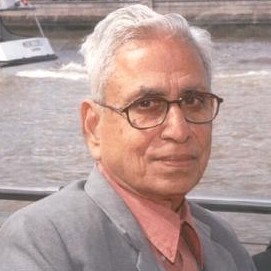
Kalluri Subba Rao 1Prof. Kalluri Subba Rao, Ph.D., D.Sc (IISc), FAS-AP, FAMS, FNASc, FNA., is an Indian National Science Academy Honorary Scientist, working at the School of Medical Sciences, University of Hyderabad, India. He has worked as a Professor of Biochemistry/Neurobiology at the University of Hyderabad, and as an INSA-Senior Scientist/Honorary Scientist & Professor at the Centers for Biotechnology and Innovative Research, Institute of Science and Technology, Jawaharlal Nehru Technological University, Kukatpally, Hyderabad. His research interests include Biochemistry and Molecular Biology of the developing and aging brain with special reference to DNA-damage and its repair. He has more than 120 research publications in national and international journals and books. His contributions include establishing the link between aging and decreased DNA repair, particularly the base excision repair, in the brain. He is presently working on a monograph containing the latest scientific information about the process of aging in higher organisms and also examining the available related traditional Indian (Vedic) concepts. He has advocated for the establishment of Institutes or Centers for multidisciplinary scientific study of the phenomenon of aging and the associated diseases in India.

See: https://ifa.ngo/wp-content/uploads/2014/01/Symposium-Participants-Aging-Process-and-NCDs.pdf

http://www.ifa-fiv.org/ifa-12th-global-conference-on-ageing-symposium/

https://uohyd.academia.edu/SubbaRaoKalluri/CurriculumVitae

https://www.insaindia.res.in/detail.php?id=P03-1348


ISOAD Conference Stanford October 1-2, 2016

logo-ISOADThe next world conference of the International Society on Aging and Disease (ISOAD) will take place in Stanford, California, on October 1-2, 2016. The conference will gather world leading experts in biology of aging and aging related diseases, and will showcase the global advances in the field. The topics will range from interventions for longevity through stem cell research, genetics and systems biology of aging, to public support for aging research. The submission of abstracts and proposals is welcome.

The International Society on Aging and Disease is a leading association of researchers of the biology of aging and aging-related diseases, including hundreds of experts from around the world, with representations in over 20 countries . The previous international conference on aging and disease of the ISOAD in Beijing in 2014 gathered leaders in the field and provided a unique platform for the science of aging http://www.aginganddisease.org/EN/10.14336/AD.2015.0115 as well as for aging research advocacy http://www.aginganddisease.org/EN/10.14336/AD.2014.1210 . The forthcoming conference in Stanford in October 2016 will further contribute to fostering communication among researchers and practitioners working in a wide variety of scientific areas with a common interest in fighting aging and age-related disease. For more information, please go here.

Ilia Stambler, PhD. Outreach Coordinator. International Society on Aging and Disease (ISOAD).

www.isoad.org

Africa Aging Research Directory

logo-ISOADPublished on November 18, 2015:

Currently the WHO Aging Research Directory for Africa is being updated (the latest update was in 2003). All types of aging research are being included, yet hopefully the updated version will include a stronger emphasis on the biological and biomedical research of aging and longevity.

If you know of researchers of aging in Africa or related to Africa, especially involved in biomedical and biological research of aging and longevity, their contact information, or can help connect with them, please let know.

Here is the Africa Aging Research Directory from 2003 that is now being updated.

http://www.who.int/healthinfo/survey/ageing_mds_research_directory.pdf

This can be a wonderful opportunity to strengthen aging and longevity research in Africa, as:

1) It can emphasize the place of Africa in the WHO aging health care agenda.

2) Help the recognition, networking and collaboration of aging researchers in Africa and in relation to Africa.

3) Can strengthen the role of biomedical and biological research of aging in the entire WHO agenda.

Thank you for your help in this important project – strengthening aging research in Africa!

You are also welcome to join the informal longevity activists forums and groups for Africa, both regional and national!

Regional groups:

Longevity Africa
Longecity Africa Regional Forum
Longevity for All – Africa Section
National groups:

– Benin – West Africa – Longevite Afrique de l’Ouest Benin

Group: https://www.facebook.com/groups/LongeviteAfrique/

Additional group: https://www.facebook.com/groups/LongevityBenin/

– Egypt ~ ‘Longevity Egypt’

Group:  https://www.facebook.com/groups/LongevityEgypt/

Additional group: www.facebook.com/groups/LAE

Site: http://www.egyptplus.org/

Additional site: http://longevityegypt.wordpress.com/

– Israel ~ ‘Israeli Longevity Alliance’ (strong connection with Africa)

– Morocco ~ ‘Longevity Morocco’

Group: https://www.facebook.com/groups/LongevityMorocco/

Site: http://www.longevity.ma/

– Nigeria ~ ‘Longevity Nigeria’

Group: https://www.facebook.com/groups/LongevityNigeria/

– South Africa ~ ‘Longevity South Africa’

Group: https://www.facebook.com/groups/LongevitySouthAfrica

Page : https://www.facebook.com/LongevityPartySouthAfrica

– Uganda ~ ‘Longevity Party of Uganda’

Group: https://www.facebook.com/groups/LongevityUganda/


——

Update as of April 10, 2016. And here is the final product of that survey. As per the letter received from WHO Multi-Country Studies Unit:
“We are pleased to inform you that the Directory of Research on Ageing in Africa: 2004-2015 has been uploaded to the UN Population Division website. We would like to take this opportunity to thank you for your contribution to the Directory. We hope it will help enhance your research efforts and collaborations.” (Longevity for All / Israeli Longevity Alliance is also included, pp. 80-81)

http://www.un.org/en/development/desa/population/publications/pdf/ageing/Dir_Research_Ageing_Africa_%202004-2015.pdf

Longevity Day in Georgia

Longevity Day Georgia

An interview by Dr. Jaba Tkemaladze in honor of the International Longevity Day – October 1 – in the Republic of Georgia, in one of Georgia’s most popular newspapers – Asaval Dasavali (p. 34). Entitled: “The first senolitic reached the pharmacy – a means for postponing aging”. Thanks for raising public awareness about longevity research! (Editor’s note: According to the author, thanks to the advocacy efforts of Georgian longevity activists, in 2012, the Georgian government noted increasing longevity as a measure of the success of the government. An interesting precedent!)

http://asavali.ge/archive/asdas/2015/1094/1094.pdf

Интервью Др. Джабы Ткемаладзе в честь Международного Дня Долголетия – 1 Октября – в Грузии, в одной из наиболее популярных газет в Грузии – Асавал Дасавали (стр. 34). Заглавие – “В аптеках появился первый сенолитик – средство, замедляющее старение”. Спасибо за привлечение общественного внимания к теме исследований долголетия!

http://asavali.ge/archive/asdas/2015/1094/1094.pdf

“სააფთიაქო ქსელში გაჩნდა პირველი წამალი სენოლიტიკი, რომელიც დაბერების შემაჩერებელია!”
რამდენი წელი უნდა ცოცხლობდეს ადამიანი, რატომ შემცირდა თანამედროვე მოსახლეობის სიცოცხლის ხანგრძლივობა და რას გვეუბნება ადამიანთა მარადიული ახალგაზრდობის შესახებ მეცნიერული კვლევები? ამ და სხვა საინტერესო საკითხების შესახებ იმმორტოლოგი, ფსიქიატრი ჯაბა ტყემალაძე გვესაუბრება.
_ ჭეშმარიტი მეცნიერის მთავარი ამოცანა ადამიანის ორგანიზმის უკვდავების მიღწევაა, რისთვისაც საჭიროა გაახალგაზრდავების ტექნოლოგიების სრულყოფა და პრაქტიკაში გამოყენება. დღევანდელი გამოთვლებით ადამიანთა გაახალგაზრდავება შესაძლებელი იქნება 2050 წლისათვის. ამ ეტაპზე კი მეცნიერთა მთელი ძალისხმევა მიმართულია იმისკენ, რომ ადამიანები სიბერისგან არ გარდაიცვალონ. აღნიშნული მიზანი სრულად მიღწეული იქნება 2029 წლამდე.
წინა საუკუნეში გამოჩენილმა მეცნიერმა ვეისმანმა საფუძველი ჩაუყარა ადამიანის ორგანიზმის სიცოცხლის ხანგრძლივობის გამოთვლის მეთოდოლოგიას. პრაქტიკულად  ამის გამოთვლა კი შეძლო ლეონარდ ჰეიფლიკმა, რომელმაც დაადგინა, რომ ეს ხანგრძლივობა 120-125 წელია. Mმე ვაგრძელებ მათ მიერ ჩამოყალიბებულ მოლეკულარულ-გენეტიური თეორიის განვითარებას და თამამად შემიძლია ვთქვა, რომ შესაძლებელია ადამიანი 120 წლამდე იყოს მხნედ და ჯანსაღად. ასევე ადამიანთა ორგანიზმის გაახალგაზრდავება შესაძლებელია უსასრულოდ დიდხანს.
ყოველივე ზემოთქმულიდან გამომდინარე, სანამ შეიქმნება რადიკალური გაახალგაზრდავების ტექნოლოგიები, აუცილებელია ადამიანებმა ყველაფერი გააკეთონ, რათა 2050 წლამდე ცოცხლებმა მიაღწიონ. ამისთვის ყველამ უნდა გააცნობიეროს ორგანიზმის დაბერების მიზეზები და ხელი შეუწყოს საკუთარ თავს, რომ სიბერე არ აისახოს მათ ჯანმრთელობაზე.
_ ჯაბა ექიმო, რას აკეთებენ მეცნიერები ადამიანთა დაბერების წინააღმდეგ დღესათვის და შექმნილია თუ არა მედიკამენტები, რომელიც ორგანიზმში დაბერების პროცესებს აჩერებს?
_ 1 ოქტომბერს მთელ მსოფლიოში დღეგრძელობის საერთაშორისო ალიანსის წევრები და მხარდამჭერები აღნიშნავენ დღეგრძელობის დღეს. წელს განსაკუთრებული წელია, რადგან შეიქმნა პირველი, დადასტურებულად მუშა პრეპარატი – “სიბერის გამომრეცხავი”. სააფთიაქო ქსელში გაჩნდა პირველი წამალი სენოლიტიკი, რომელიც დაბერების შემაჩერებელია. ამ პრეპარატის დახმარებით უკვე შესაძლებელია ყველამ 120 წლამდე მიაღწიოს. ეს პრეპარატი არის პირველი და სულ მალე მისი უფრო დახვეწილი და გაუმჯობესებული ვარიანტები გამოჩნდება ფარმაცევტულ ბაზარზე.
_ რა ნივთიერებებს შეიცავს აღნიშნული პრეპარატი და როგორია მისი მოქმედების მექანიზმი?
_ ემბრიონის ჩასახვიდან ადამიანის სიკვდილამდე, ორგანიზმში გროვდება უჯრედები, რომლებიც უნდა მომკვდნენ, მაგრამ სხვა და სხვა მიზეზების გამო ვერ ახერხებენ ამას. დროთა განმავლობაში ისინი გამოყოფენ მომწამლავ ნივთიერებებს. ორგანიზმში დღითი-დღე იზრდება მათი რაოდენობა და ასევე იზრდება მათ მიერ ორგანიზმის მოწამვლის ეფექტებიც. სწორედ ეს უჯრედები აუძლურებს და აბერებს ჩვენს ორგანიზმს.
მეცნიერული კვლევებით დადგინდა, რომ უკვე არსებული ორი პრეპარატის კომბინაცია, იწვევს დაბერების მთავარი მიზეზის “სიბერის უჯრედების” დახოცვას და შეიქმნა სენოლიტიკი. პირველი პრეპარატი არის დიზატინიბი, რომელიც  იყიდება შპრყცელ-ის სახელწოდებით. პრეპარატში ვხვდებით ნივთიერება კვერციტინს, რომელიც მცენარეების ფოთლებში და მარცვლეულში შედის და ბიოდანამატის სახით იყიდება. დიზატინიბი ქრონიკული ლეიკოზების დროს გამოიყენება პროფილაქტიკური მიზნით, სიმსივნის საწინააღმდეგოა და თავისი ქიმიური შემადგენლობით ხოცავს დასუსტებულ უჯრედებს. მეორე პრეპარატი შეიცავს რუტინის წინამორბედ ნივთიერებას, რომელიც მომწარო გემოსია და მისი მიღების დროს ხდება უჯრედების მემბრანების გააქტიურება. მესამე  ნივთიერება, რომლის დამატებაზეც სენოლიტიკის შემადგენლობაში დღეისათვის მუშაობენ მეცნიერები შედის პრეპარატში, რომელიც სიმსივნური უჯრედების გამრავლებას უშლის ხელს. ეს პრეპარატი ებრძვის სიბერის უჯრედებს, რომელთა გამოყოფილი შხამები ორგანიზმს წამლავენ. რაოდენ იდეალურადაც არ უნდა იკვებებოდეს ადამიანი და როგორ ჯანსაღადაც არ უნდა ცხოვრობდეს, თუკი მის ორგანიმზში არიან ბოლო თაობის უჯრედები, რომელშიც არ მოხდა თვითმკვლელობის რეჟიმის ჩართვა, სიმსივნური უჯრედებთან ერთად წამლავენ ორგანიზმს. სენოლიტიკის მიღება კი იძლევა იმის გარანტიას, რომ თუ აგური არ დაეცემა ადამიანს თავში 120 წლამდე იცოცხლებს. ამ ორი ნივთიერების კომბინაცია იწვევს ასეთი უჯრედების დახოცვას, ორგანიზმი გამოდის მოწამვლის წნეხიდან და თვალსაჩინოდ ახალგაზრდავდება. შენოლიტიკის გაუმჯობესებულ ვარიანტს დაემატება მესამე ნივთიერებაც, ანუ სიმსივნის უჯრედების გამრავლების ამკრძალავი ნივთიერება. იმედია, რომ შემდეგი წელი იქნება ასევე სასიხარულო და ალექსანდრე თავართქილაძე დაასრულებს თავის კვლევებს ამ მიმართულებით და სიბერის დაძლევის საშუალებას მიემატება სიკვდილიანობის  გამომწვევი ყველაზე ხშირი მიზეზის – სიმსივნის დაძლევაც.
_ კიდევ რა ფაქტორები თამაშობს დიდ როლს დღეგრძელობაში?
_ მთავარ როლს დღეგრძელობაში თამაშობს მიტოქონდრია, უჯრედის ორგანელა, რომელიც ენერგიის წარმოებას განაგებს. მისი გენომის დაზიანების გამო, სხვადასხვა მიზეზებით დაზიანებული მიტოქონდრიების დახოცვა შესაძლებელია მხოლოდ ფიზიოთერაპიული მეთოდებით. ეს თავის დროზე ილია ვეკუამ შეამჩნია. Mმან აღმოაჩინა, რომ მაღალ მთაში, სადაც ნაკლებია ჟანგბადი და ბარში სადაც მეტია ჟანგბადი, მცხოვრები ადამიანი ერთნაირი დროით ცოცხლობდნენ, მაგრამ ადამიანები, რომლებიც ხან მთაში ცხოვრობდნენ და ხან ბარში, გაცილებით დიდხანს ცოცხლობდნენ. ამის საფუძველზე მან ჩაატარა კვლევები და დაადგინა, რომ თუ ორგანიზმს, პერიოდულად მიაწვდი მთის ჰაერს, ანუ ნაკლებ ჟანგბადს, ხან კი მეტ ჟანგბადს, პათოლოგიური მიტოქონდრიები იღუპებიან. ასევე კვლევების შედეგად დადგინდა, რომ ორგანიზმის მსგავს რეჟიმში ჩაყენება, იწვევს უჯრედების თაობების რაოდენობის გაორმაგებას, რაც აორმაგებს ორგანიზმის რეგენერაციულ უნარი. უჯრედოვანი დონის ქვეშ არის ორგანოიდების დონე, რომლის გამოჯანსაღებაც სენოლიტიკის მიღების ფონზე იძლევა საშუალებას, რომ ადამიანმა 120 წლიანი ბარიერი გადაილახოს. დღეისათვის არსებული მეთოდებიდან საუკეთესოდ ვთვლი ილია ვეკუას მიერ შექმნილ “მთის ჰაერის” აპარატს. ამ აპარატის მეშვეობით ხდება უჯრედებში პათოლოგიური მიტოქონდრიების დახოცვა. შედეგად შესაძლებელია გაორმაგდეს სიცოცხლის ხანგრძლივობა, რადგან ორმაგდება უჯრედების თაობების რაოდენობა.
ჩვენს ორგანიზმში ორგანოიდების დონის ქვემოთ მდებარეობს მოლეკულარული დონე და სამწუხაროდ ჯერ-ჯერობით არ არსებობს არანაირი მედიკამენტოზური ან სხვა მეთოდი, რომელიც ამ დონეზე რადიკალურ გაჯანსაღებას მოახდენს. უჯრედებში დაგროვილი “ნაგავის” გამოტანაზე მუშაობა მიმდინარეობს ნანორობოტების კუთხით და 2035 წლისთვის პირველი ტექნოლოგიები გამოჩნდება ამ კუთხით. მანამდე კი უნდა გვახსოვდეს, რომ ნაგავი ურმით შეგვაქვს ორგანიზმში ყოველდღიურად, მაშინ, როდესაც პეშვითაც ძლივს ვახერხებთ მის გამოტანას. ამიტომაც ძალიან მნიშვნელოვანია წყლის სმის და ჯანსაღი კვების კულტურა. ამით მცირდება ორგანიზმში შეტანილი ნაგავის რაოდენობა და შესაბამისად იზრდება _ გატანილის.
_ ჯაბა ექიმო, სიცოცხლის ხანგრძლოვობაზე რამდენად მოქმედებს სტრესი?
_ სტრესი სიცოცხლის ხანგრძლივობაზე უშუალოდ და უკიდურესად ძლიერად მოქმედებს. მოგახსენებთ, რომ  უჯრედის დონის ზემოთ არის ქსოვილების დონე, რომელის სიჯანსაღე დამოკიდებულია ჰუმორალური სისტემის მდგომარეობაზე. იმისთვის, რომ ჰუმორალური სისტემა იყოს მოწესრიგებული, ადამიანებმა უნდა ისწავლონ ემოციების მართვა და გრძნობების სისუფთავის შენარჩუნება. მე ვთვლი, რომ შინაგანი დიალოგის (აზრების) გაჩერების ტექნიკა ჯერ-ჯერობით უალტერნატივოა იმისთვის, რომ ჰუმორალურმა სისტემამ შეძლოს ნორმალური მუშაობა.
ქსოვილების დონის ზემოთ არის ორგანოების დონე. ამ კუთხით წარმოუდგენლად დიდი წარმატებებია. დღეს შესაძლებელია პრაქტიკულად ყველა ორგანოს ორგანიზმის გარეთ შექმნა. წელს გაჩნდა იმედი, რომ აუღებელი ციხე- სიმაგრე თვალის შექმნა, მალე შესაძლებელი გახდება. აშშ სამხედრო უწყებამ უკვე დაიწყო ამ ორგანოს შექმნის ტენოლოგიის დაფინანსება.
ორგანოების დონის ზემოთ მდებარეობს ინდივიდუალური დონე და ყველაზე ცუდად აქ არის საქმე. არსებული სოციალურ-ეკონომიკური სისტემა ხოცავს ადამიანებს მანამ, სანამ ისინი საპენსიო ასაკს მიაღწევენ. გამოსავალი ან საპენსიო ასაკის გაზრდაშია ან არსებული სისტემის სხვა სისტემით ჩანაცვლებაში. საბედნიეროდ, საქართველო გამონაკლისია ამ მიმართულებით. შეგახსენებთ, რომ 2012 წელს მოხდა პრეცენდენტი, როცა პოლიტიკურმა პარტიამ სახელმწიფო სისტემის წარმატების საზომად ადამიანების სიცოცხლის ხანგრძლივობა აღიარა. ვსარგებლობ შემთხვევით და “ასავალ-დასავალის” მრავალრიცხოვანი მკვითხველის წინაშე კიდევ ერთხელ მადლობას ვუძღვნი ქალბატონ ნინო ანდრონიკაშვილს, რომლის გარეშეც ეს პრეცენდენტი არ მოხდებოდა. ქართველებს გვაქვს უნიკალური შანსი ვაიძულოთ სახელმწიფო დატოვოს ეს საზომი და ქვეყნის წარმატება განისაზღვროს ადამიანების სიცოცხლის ხანგრძლივობის ზრდით.
_ როგორ შევინარჩუნოთ ახალგაზრდობა და ჯანმრთელობა ღრმა სიბერემდე სენოლიტიკის გარეშე?
_ საზოგადოების მთავარი პრობლემა არის ის, რომ ადამიანები შეგუებულები არიან იმ აზრს, რომ დაბერდებიან. ისევ და ისევ ჩვევა იწვევს დაავადებას. დროა ვაღიაროთ, რომ დაბერება დაავადებაა. თუნდაც იმიტომ, რომ ამ დაავადების საწინააღმდეგო წამალი სენოლიტიკი უკვე არსებობს. აუცილებელია ამ დაავადების პროფილაქტიკაც. არც ისე რთულია დილაობით ნახევარი ჭიქა ძირას ნაყენის მიღება. ძირაში, ისევე როგორც ფხალეულში, ალუბალში, წითელ ღვინოში არის კვერციტინის მსგავსი ნივთიერებები. რუტინის მსგავსი ნივთიერება, რომელიც შედის სპეც-პრეპარატში ისეთ საკვებ პროდუქტებში გვხვდება, როგორიცაა წითელი ღვინო, ალუბალი, შინდი, ტყემალი, ძირა და ა.შ. თუკი ადამიანი ხშირად იღებს ამ ტიპის საკვებს, მას გარანტია აქვს, რომ დღეგრძელი იქნება.
თუ ვინმეს დიზატინიბის მიღების ეშინია, სწორი ვარჯიშის შედეგად მაინც უნდა დახოცოს სახსრების ხრტილში მდებარე “სიბერის უჯრედები”. შეგახსენებთ, რომ “სიბერის უჯრედებს” ორგანიზმი სახსრების ხრტილში გადაადგილებს.
სასრწაფოდ უნდა მოწესრიგდეს პურის წარმოება:
1) პური უნდა გამოცხვეს ხარისხაინი, ნიკოტინის მჟავის შემცველი ხორბლისგან.
2) უნდა აიკრძალოს საფუარიანი პურის ტექნოლოგიები.
3) უნდა ხელი შეეწყოს ღვინის ლექის (განსაკუთრებით წითელი ღვინის) შემცველი პურის ტექნოლოგიებს.
დაბერებისგან დამცავი (გეროპროტექტორები) მთავარი ნივთიერებები პურში შემავალი ნიკოტინის მჟავა, მომწარო საკვებში (ძირა, წითელი ღვინო, ფხალეული, ალუბალი) შემავალი კვერციტინის მსგავსი ნითიერებების მიღება ყოველდღიური უნდა გახდეს საზოგადოების ფართო მასებისათვის.
2016 წლის არჩევნებში კი ხმა უნდა მივცეთ იმ პოლიტიკურ პარტიას, რომელიც სახალხოდ და ხაზგასმით აღიარებს ადამიანის სიცოცხლის ხანგრძლივობას სახელმწიფოსა და ხელისუფლების წარმატების საზომად!
ესაუბრა მეგი საჯაია

“В аптеках появился первый сенолитик — средство, замедляющее старение”

Вопрос: 1 октября отмечается как Международный День Долгожительства. Насколько реально продление жиэни?

Задачей истинного учёного является достижение радикального продления жизни человека. Для этого нужно создание технологий омоложения и их массовое применеие. На сегодняшний день это ожидается к 2050 году. Поэтому огромные научные ресурсы мобилизованы для того, чтобы уже рождённые люди не умирали бы от старости. Смерть от старости отменится, по расчётаам Рея Курцвайля, к 2029 году.

Ещё в прошлом веке Вейсман положил оснву методу расчета времени жизни организма. На практике этот метод смог реализовать Леонард Хейфлик. Подсчитав количество поколений клеток, которое может пройти оплодотворённая яйцеклетка (50-60), он смог установить, что человеческий организм может просуществовать 115-125 лет. Мои исследования лежат в русле молекулярно-генетической теории старения, корифеями которой являются Вейсман, Хейфлик. Опираясь на практические данные этой теории, я смело могу сказать, что прожить 120 лет в здравом уме и бодром состоянии может практически любой человек. Результаты исследований в области омоложения, бум которых наблюдается с 1999 года, дает мне смелость утверждать, что радикальное омоложение также возможно сколько угодно раз.

Из всего вышесказанного очевидно, что есть резон не умирать ближайшие 15 лет – до 2029 года. Потом уже в спокойном режиме работать над радикальным омоложением.

Вопрос: Что может предложить сегодня наука для замедления старения? Когда появятся простые в употреблении медикаменты, позволяющие человеку бороться со старением?

1 октября в этом году отмечается с особым энтузиазмом. Весной этого года завершилось исследование, результаты которого без сомнений однозначны – первое лекарство от старости уже есть. Этот сенолитик дает твердую уверенность в том, что уже сейчас возможно продлить жизни людей до 120 лет. Разумеется, одна ласточка весны не делает, Разумеется возможно и нужно исследовать и создавать лучшие препараты. Но факт того, что это уже случилось, полнит энтузиазмом и дает возможность для широких клинических исследований уже сегодня, даже вчера можно было это сделать. Мы перешли черту, за которой нет места скепсису.

Вопрос: Можно узнать, какие вещества в этом лекарстве, каков механизм их действия?

С момента зачатия до смерти в организме человека лавинообразно накапливаются так называемые “клетки старения”. Иммунная система постоянно их уничтожает, но с каждым днем их всё больше, а иммунитет всё слабее. Эти клетки выделяют токсины, которые вредят близлежащим клеткам, тканям, оргнизму в целом. Основной причиной дряхления и ослабления организма после завершения периода роста являются эти самые “клетки старения”, которые не закаанчивают жизнь самоубийством (апоптозом).

Убрав из организма такие клетки, получим ощутимое омоложение. Группа учёных из Клиники Майо в Бостоне подобрали из многих веществ комбинацию двух, которые наиболее эффективно убивают “клетки старения”. Это Дазатиниб и Кверцетин. Дазатиниб это препарат, применяемый при разных формах лейкозов, миелоидном синдроме. Коммерческое название препарата Sprycel. Кверцетин же содержится в листьях, плодах, семенах многих растений, продается как пищевая добавка. Вместе они наиболее эффективно убивают “клетки старения”.

Разумеется нужно и минимум третье вещество, которое отправит раковые заболевания в учебники по истории медицины. Напомню читателям вашей газеты, что над этим работает Александр Таваткиладзе. Надеюсь он сможет преодолеть свою лень и в следующем году порадует нас лекарством, запрещающим раковым клеткам размножение. Такое вещество просто так и просится в состав сенолитика. Ведь раковые клетки так же токсичны как и “клетки старения” и в отличие от них размножаются, причём катастрофически быстро.

Насколько бы идеально не питался бы человек, наколько бы преданно и правильно не следовал здоровому образу жизни, в его организме накапливаются “клетки старения” и раковые клетки, которые источают яд. Периодический приём сенолитика избавит организм от большей части “клеток старения”, а вскором времени решится и проблема опухолевых клеток. И если человек не страдает пока ещё неизлечимым генетическим заболеванием, не настолько идиот, чтобы травиться наркотиками и чрезмерным алкоголем, не станет жертвой несчастного случая, уже можно смело утверждать – все могут жить до 120 лет.

Вопрос: Есть ли ещё факторы, сильно влияющие на долголетие?

На уровне нижеклетки важнейшую роль в долголетии играет митохондрия. Эта органелла заведует производством энергии в клетке. В результате повреждений её генома, появляются потомки с более длинными ДНК. Они размножаются быстрее, чем нормальные потомки с нормальными (относительно короткими) ДНК. Так в клетках начинают преобладать патологические митохондрии. Это обнаружил математик (и любитель спорта) Илья Векуа. В те времена статистика была не почёте, но он ею увлекался. Так вот. Статистическими методами он развеял миф о том, что в условиях высокогорья (воздух раряжен и организм получает мало кислорода) люди живут дольше. Он показал, что и жители долины (воздух плотнее и организм получает больше кислорода) живут лишь ненамного меньше, чем жители высокогорья. Однако те, кому приходится перодически жить в высокогорье и периодически в долинах, живут заметно больше лет. Его знаменитый аппарат “Горный вохдух” был создан уже в Новосибирске и, как говорится, без него. Но главное он успел еще будучи в Тбилиси. Его друзья – морфологи показали, что периодическое дыхание воздухом с малым содержанием кислорода и с обычным содержанием кислорода вызывает гибель патологических, вредных митохондрий. В результате омолаживается клетка. Следующие исследования показали, что в условиях уменьшенного количества кислорда лимит Хейфлика (количество поколений клеток от яйцеклетки до последнего потомка) почти удваивается. То есть, есть возможность преодолеть 120 лет.

Те, кто не имеют финансовой возможности приобрести аппарат “горный воздух”, пусть не перееживают. Если физической активностью добиться удвоения сердцебиения в течение минимум 20 минут, эффект будет таким же. Разумеется, нужно найти хорошего тренера, который подготовит ваш организм к такому физиологическому состоянию.

Пока не существует медикаментозных средств для уничтожения “вредных” митохондрий. Так же не существует медикаментов для удаления “вредных” молекул, которые так же как и “клетки старения” и патологические митохондрии лавинообразно накапливаются день за днём. Подобные средства по рачётам футурологов появятся к 2035 году. Основной акцент они делают на нанороботов. До этого нам следует помнить, что мусор в организм вносится телегами, а выносится горстями. Совершенствуйте культуру питья воды натощак и перед едой, совершенствуйте культуру питания, дыхания и сна. Останавливайте внутренний диалог как можно чаще и как можно дольше – лекарства от стресса скорее всего не избретут.

Вопрос: Каким образом стресс влияет на долголетие?

Прямо и радикально. Выше клеточного находитя тканевой уровень, состояние которго зависит от гуморальной системы регуляции. Чтобы гуморальная система не страдала и управление процессами было бы адекватным, человек должен научиться управлять эмоциями и защищать чистоту чувств. Думаю, что техника остановки внутреннего диалога, всё еще практикуемая последователями грузинских или других традиций пока не имеет альтернативы.

Обязательно надо сказать, что на уровне органов наблюдаются особенно серьёзные успехи. Возможно создание практически любого органа вне организма. В этом году началось взятие последней, одной из неприступных крепостей – глаза. Военное ведомство США начало финансирование в этом направлении.

Над уровнем органов находится организменный, индивидуальный если хотите уровень. Хуже всего дела обстоят здесь. Люди не хотят видеть дальше своего носа.

Сущестующая мировая социально-экономическая система старается убить людей до пенсионного возраста. К счастью, в Грузии в 2012 году к власти пришла коалиция, которая создала прецендент – в программе коалиции записано, что деятельность правителства должна оцениваться увеличением продолхительности жизни людей. Воспользуюсь случаем и перед многочисленной аудиторией поблагодарю Нино Андроникашвили за эту запись. У жителей Грузии появился уникальный шанс- принять этот критерий как государственный, а не партийный. Успех страны, успех правительства должен измеряться долгожительством населения!

Интервью у Д.Ткемаладзе взяла М. Саджая

WHO consultation on the Global Strategy and Action Plan on Ageing and Health

whologoCurrently there takes place the World Health Organization’s consultation on the Global Strategy and Action Plan on Ageing and Health (until October 30). This is an opportunity to emphasize the importance of biological and biomedical research of aging for the development of effective health care for older persons.

Here is the participation page: http://www.who.int/ageing/consultation/en/

It is possible to download the full questionnaire as a Word file and send to HealthyAgeing@who.int Or there is a choice to relate to several or one strategic objective out of the five, for example “Strategic Objective 5: Improving measuring, monitoring and understanding” [of healthy aging]

http://www.who.int/ageing/consultation-strategic-objective5/en/

There may be several quite encouraging elements in the existing draft of the Action Plan, that can be interpreted for the advantage of longevity research. It is just necessary to infuse and emphasize a more biomedical/biological interpretation, as the text allows for different kinds of interpretation.

The Action plan draft is available here: “WHO DRAFT 0: GLOBAL STRATEGY AND ACTION PLAN ON AGEING AND HEALTH”. And it does include what may be interpreted as a strategic objective for biomedical aging research!

http://www.who.int/ageing/global-strategy/GSAP-ageing-health-draft.pdf?ua=1

http://www.who.int/ageing/global-strategy/en/

For example, the Strategic Objective 5: “Improving measuring, monitoring and understanding”, includes Action 1 – “Agreeing on metrics, measures and analytical approaches for Healthy Ageing”. It proposes:

– “developing and reaching consensus on metrics, measurement strategies, instruments, tests and biomarkers for key concepts related to healthy ageing including functional ability, intrinsic capacity, subjective well-being, health characteristics, personal and environmental characteristics, genetic inheritance, multimorbidity and the need for care”

– “reaching consensus on approaches for the assessment and interpretation of trajectories of these metrics and measures over the life course. It will be important to demonstrate how the information generated serves as inputs to policy, monitoring, evaluation, clinical or public health decisions, and their link to the need for health and long-term care and broader environmental change”

AND

– “developing and applying improved approaches for the testing of clinical interventions and population based approaches that take account of the different physiology of older people and multimorbidity” [!]

The Action Plan also includes actions for:

  • “developing evidence informed national Healthy Ageing strategies or plans that are part of overall national plans through a process that involves all stakeholders” (“Strategic Objective 1: Fostering healthy ageing in every country” Action 1)

AND

  • “including core geriatric and gerontological competencies in all health curriculums” (Strategic Objective 2: Aligning health systems to the needs of the older populations. Action 3).

All these objectives and actions can be interpreted to support biomedical research of aging *if* emphasizing the correct biological/biomedical aspects. For example “national healthy aging strategies” must be understood to include biomedical research. And “gerontological competencies” should also be understood as including biogerontology. Otherwise the biological and biomedical interpretation of these objectives can be overwhelmed by conventional social, psychological, assistive technological or lifestyle approaches. The latter approaches are important, but need not exclude the biomedical therapeutic approaches. Still, the basis for a biomedical interpretation exists in these documents, but needs to be emphasized and made more explicit.

For example, to the question of the consultation:

“For Strategic Objective 5, do you think another first-level priority action should be added to this list?”

It may be suggested to add a fourth action: “4) Elucidating basic mechanisms and processes of aging, their relation to disease, and mechanisms of their amelioration for the development of therapies to achieve healthy longevity.”

And to the question for Objective 5 “Do you think another measure of progress could be useful?” it may be suggested to add the measure: “Consensus occurs on metrics, measurement strategies, instruments, tests and biomarkers for the formal, biological and clinical, definition of aging and for the effectiveness of interventions and therapies against aging-related ill health”.

These kinds of biological/biomedical interpretations need to be emphasized both now at the stage of consultation and at the later stages of implementation!

There are also some encouraging elements in the recently issued “World Report on Aging and Health” (October 1, 2015)

http://www.who.int/ageing/events/world-report-2015-launch/en/

http://apps.who.int/iris/bitstream/10665/186463/1/9789240694811_eng.pdf?ua=1

For example the report includes a section entitled “Reframing medical research” (pp. 113-114). It has such pro-biomedical-research statements as:

“Much medical research is focused on disease. This prevents a better understanding of the subtle changes in intrinsic function that occur both before and after the onset of disease and the factors that influence these changes…. Specifically, more research is needed that looks at how commonly prescribed medications affect people with multimorbidity, which is a departure from the typical default assumption that the optimal treatment of someone with more than one health issue is to add together different interventions. And outcomes need to be considered not only in terms of disease markers but also in terms of intrinsic capacity.”

Furthermore, the report states: “This will require the reallocation of budgets, which are currently relatively small in ageing-related research” and quotes Fontana et al. article in Nature (2014) “Medical research: Treat ageing” in support of that statement! (http://www.nature.com/news/medical-research-treat-ageing-1.15585)

Still, the biological and therapeutic interpretation of medical research of aging will need to be emphasized, or there is again the risk it will be pushed to the corner or even suppressed by non-biological and non-therapeutic approaches.

For example that “intrinsic function” or “intrinsic capacity” that the report wishes to improve is very vaguely defined as “the composite of all the physical and mental capacities that an individual can draw on”. This can be given to all kinds of functionalist, mentalist or even downright non-rigorous and unscientific interpretations. But it can also be given more scientific content based on biomarkers of aging and formal clinical definitions of aging. This scientific content may need to be stronger emphasized in the consultation and in the later stages of the action plan’s implementation.

There is also the simultaneously present, but apparently little related to the aging action plan – “International Classification of Functioning, Disability and Health (ICF)” which seems to hardly even mention aging or the “intrinsic function” in aging.

http://www.who.int/classifications/icf/en/

The ICF hypothesizes that “it is possible to see if people with similar levels of difficulty are receiving similar levels of support services irrespective of age such as when there are separate systems for aged or younger individuals with disabilities” (ICF Manual, p. 78). But the evaluation of aging-related disability is lacking.

The addition of a scientifically grounded biomedical classification of aging-related disability and function may greatly increase the utility of the ICF (currently feedback is requested by WHO on “A Practical Manual for using the International Classification of Functioning, Disability and Health (ICF)”

http://www.who.int/classifications/drafticfpracticalmanual2.pdf?ua=1

This addition to the ICF may be parallel to an addition of some clinically applicable, practical definition or classification of aging or senility within The International Classification of Diseases (ICD). The addition of aging to the ICF as an impairment of biological function may be actually easier than outright defining aging as a disease.

(See on senility as a part of ICD http://www.icd10data.com/ICD10CM/Codes/R00-R99/R50-R69/R54-/R54 Consider also that senility is currently considered a “garbage code” in the ICD http://www.sciencedirect.com/science/article/pii/S0140673612617280 )

Most importantly, all these texts and their interpretations may remain on paper, unless they are backed up by some actual local involvement, both at the grass roots and professional level, at the stage of implementation. It is very unclear to me personally how this implementation could work at the level of countries and institutions. But apparently it is at that “lower” level where the real action will need to happen. And the WHO seems to acknowledge this. As the global strategy and action plan (GSAP) draft states (p. 22):

“Contributions aligned to the GSAP from countries, non-state actors including older adults, civil society organizations, multilateral agencies, development partners and those who develop, manufacture and distribute aids, equipment or pharmaceuticals to improve intrinsic capacity or functional ability, can transform the action plan from a document to a movement.”

So, in a sense, the implementation and interpretation of whatever is written in those documents will largely depend on “us”, on the individual and organizational involvements. If the longevity advocates are vocal, active and influential, the WHO authorities will need to “come to us” for the implementation of their plans..

PS. There is little doubt that, if active enough, the longevity advocates can emphasize the importance of biomedical research of aging. For example, watch this video on centenarians that was just released by the UN Department of Economic and Social Affairs – Division for Social Policy and Development ! The authors refer to this video as a “call to action” – there is a growing realization that achieving healthy longevity is possible. But it will still be the job of longevity advocates to emphasize that in order to actually make it possible and accessible to people we need the scientific “know-how”!

https://www.youtube.com/watch?v=eBP8ycObpbU&feature=youtu.be

Ilia Stambler, PhD. Outreach Coordinator. International Society on Aging and Disease (ISOAD)

www.isoad.org

ilia.stambler@gmail.com

Improving Longevity in Nigeria

Improving Longevity in Nigeria

By Agbolade Omowole

Why is the average life expectancy in Nigeria 52 years? In Europe, it is 81 on the average. The average life expectancy worldwide is 71. Why is it low in Nigeria?

Is it ignorance? It is said that if you want to hide something from an African, put it inside a book. But that has to change. The future is more important than the past.

Today, October 1, is Nigeria’s Independence Day celebration and doubles as the UN international day of older persons and the international longevity day. Thanks to the research on aging of scientists who are working on extending human’s health span.

Let us ask, what can be done to increase the average life expectancy in Nigeria?

Join Longevity Nigeria: https://www.facebook.com/groups/424397067745808/

See “ICT, imperative for sustainable development in Nigeria— Omowole” http://www.vanguardngr.com/2015/11/ict-imperative-for-sustainable-development-in-nigeria-omowole/

See Adedayo Oluseun Adedeji. Longevity in Nigeria: What and what Really Matters? http://www.iiste.org/Journals/index.php/JEDS/article/view/20003

See also: Ilia Stambler. A short greeting/presentation for the International Longevity Day in Nigeria. View the video here: Longevity Day Nigeria

Ilia Stambler. Longevity Promotion With Information & Communication Technology. Remote presentation for the 2015 Nigeria ICT Festival http://ieet.org/index.php/IEET/more/stambler20151220

Statement on Longevity in Bulgaria

STATEMENT ON LONGEVITY AND TRASHUMANISM
On behalf of all participants of the 8th international & interdisciplinary conference “Vanguard scientific instruments in management ‘ 2015” (VSIM:15), held in the town of Ravda (Bulgaria), 9 – 13 September 2015 http://vsim-conf.info/en/  We would like to state the following:

We are happy to celebrate October the 1-st, International Longevity Day!

– Events and promotions around that day, increasing education on biological and biomedical research of aging and longevity, are now planned in over 30 countries, on 5 continents. The participants in this campaign advocate that the status and support of this scientific field should be improved within the general framework of aging advocacy and support for older persons. http://www.longevityforall.org/international-longevity-day
– We fully support the position paper on the “Critical need to promote research of aging and aging-related diseases to improve health and longevity of the elderly population”, briefly describing the rationales, technologies and policies needed to promote this research http://www.longevityforall.org/the-critical-need-to-promote-research-of-aging

We would like to see this to become the most massive global movement and we are ready to support it by all possible ways.

We are standing strongly for Radical Life Extension, Personal Enhancement and Transhumanism!

– It turns out that the most intriguing topic on the Conference was “Transhumanism, Longevity, Cybernetics”: 9 papers, including 2 teleconferences abroad (Israel, Canada), 7h. discussion time, Follow up letter: https://gallery.mailchimp.com.pdf
– Main conclusions from the discussion are:
The concepts of Longevity and Transhumanism are still far from being popular and need further dissemination. Myths and prejudices overflow the public opinion.
Education is the key factor for success. It is destroying myths, changing minds and disseminating new ideas. In addition this is what we can do best. Therefore:
we will continue to develop a full scale academic course “Principles of Longevity and Transhumanism” in addition to the existing blocs of lectures;
we will develop an educational game “The Great Transhumanist Game” on the base of our experience in the field of educational games and computer simulations;
we will continue to collect and fill in the data base with annotated educational links, a specialized Wiki and all sorts of on-line educational resources;
attention should be paid in preparation of “Train the trainers” program, having in mind that millions of people must be educated.
– It is time to establish a private research and education center (and business incubator) on “Longevity and Transhumanism” in Sofia.
– We will publish our results in the electronic journal “VANGUARD SCIENTIFIC INSTRUMENTS IN MANAGEMENT” (ISSN 1314-0582) http://vsim-journal.info. Contributors are welcome.
– A precursor for a political party “Bulgarian Longevity and Transhumanist Party” will be created in the near future.
– Consider all above as a “To Do List” for this year and for the coming years. Most important: do something every day! Even a small step, but every day!
Transhumanists of the world unite – we have immortality to gain and only biology to lose!

Sofia, October 1-st 2015

prof. PhD eng. Angel Marchev 1.0
Chairman of the Conference Committee

аsist. prof. PhD Angel Marchev 2.0
Eudaimonia Production Ltd.