Category Archives: Advocacy

Include specific tasks and goals to improve health of the global aging population into the WHO 13th General Programme of Work (GPW13)

It appears that in the forthcoming work program of the World Health Organization for the next 5 years – 2018-2023 – the issue of aging and aging-related ill health is excluded completely!

http://www.who.int/about/gpw-thirteen-consultation/en/

This means that, within the next 5 years, according to this document, the World Health Organization is not obliged to do anything to care for the health of older persons or to improve their health, not to mention conduct any research and development to create new therapies and technologies for improving the health of the aged. The issues of aged health are not in the WHO work program! This is the essence of ageism in health care and health research!

It should be obvious, not just to any health professional but to any lay person, that the global population aging poses grave and urgent challenges for global health, in the “developed” as well as the “developing” world. In the “developing world” in particular, not addressing the problems of aging, not improving national geriatric care and research capabilities, will condemn millions of the world’s poorest and most disadvantaged older people to misery that could be avoided. The explicit exclusion of the health needs of the global aging population in the WHO draft work program is inadmissible, even incredible.

How can this exclusion coexist with the mission of WHO’s division on “Ageing and Life Course”? How can it coexist with the recently adopted WHO’s Global Strategy and Action Plan on Ageing and Health (GSAP) for 2016-2020, endorsed by all the WHO member states? According to its goal statement, the GSAP must prepare for the “Decade of Healthy Ageing from 2020 to 2030” which was also announced by WHO. We urge the WHO to improve coordination among its various arms!

Most importantly, we urge the WHO to include and emphasize specific tasks and goals to maintain and improve the health of the global aging population in its work program. Among others, these tasks and goals must include enhancing scientific research and technological development aimed to provide new effective and safe therapies to meet the pressing health needs of the global aging population.

Ilia Stambler, PhD

Chief Science Officer. Vetek (Seniority) Association – the Senior Citizens Movement (Israel)

http://www.longevityisrael.org/

Coordinator. Longevity for All

www.longevityforall.org/

ilia.stambler@gmail.com

PS.

We also urge you to make your voice heard, and respond to the WHO consultation, in the link below (the deadline is until November 23, the responding is easy, and can be of any length, even very short). Please demand that WHO emphasizes the health care and research for the global aging population, and includes specific tasks and goals to improve health of the global aging population into its work program.

Even after this public consultation is over, there will still be time, at least until May 2018, until the program submission to the WHO Assembly. Please keep on advocating for this critical issue!

http://www.who.int/about/gpw-thirteen-consultation/en/

See also this facebook post.

Aging is excluded from WHO work program. Please react!

whologoDear friends,

I wanted to bring to your attention an important and urgent issue for aging care and research.

It turns out that in the forthcoming work program of the World Health Organization (WHO) for the years 2019-2023 – the issue of aging and aging-related ill health is excluded completely! This means that, within the next 5-6 years (2018 given to the program deliberations), according to this document, the World Health Organization is not obliged to do anything to care for the health of older persons or to improve their health, not to mention conduct any research and development to create new therapies and technologies for improving the health of the aged, or any kind of longevity research. The issues of aged health are not in the WHO work program! This is the essence of ageism in health care and health research!

http://www.who.int/about/gpw-thirteen-consultation/en/

Currently, the WHO conducts a public consultation about the draft Work Program. Please use the link below to participate in the consultation! Please explain to the World Health Organization that the issue of Aging is important, and the care and improvement of health of the aged, also through increasing biomedical R&D of aging, are important! The consultation fields are easy to fill in, and even a couple of sentences, with your affiliation, could help break the ageist wall! The consultation takes place until November 29 (extended deadline). Please also spread the word in your circles. Thank you for your action!

http://www.who.int/about/gpw-thirteen-consultation/en/

In the words of Jane Barratt, Secretary General of the International Federation on Ageing (IFA) that brings this issue to the highlight of global public discussion: “We urge the WHO to rectify the glaring omission of population ageing and older people in the draft 13th General Programme of Work. It is a striking oversight that will diminish its credibility among all of us.  Make your voice heard.”

It can be added that  it will be very regretful if aging is excluded from the WHO work program. For one, it will tell the governments that aging is not an issue. And practically, many existing and future health care and health research programs on aging can be eliminated.

Please make your voice heard. We do need to increase publicity about this outrageous issue of the exclusion of aging health from the draft WHO work program. Please do respond to the WHO consultation on behalf of your organization. Please demand that WHO includes aging health, including biomedical R&D on aging, into its Work Program. Please help spread the word – share, forward, post, contact bloggers, journalists, officials. Thank you for your action.

Sincerely,

Ilia Stambler, PhD

On behalf of Vetek (Seniority) Association – the Senior Citizens Movement (Israel)

http://www.longevityisrael.org/

Longevity for All

www.longevityforall.org/

See also this facebook post.

And also see: The joint position statement, entitled “Aging health and R&D for healthy longevity must be included into the WHO Work Program” published in Aging and Disease. 9(1):1-3, 2018. Available on line:

http://www.aginganddisease.org/EN/10.14336/AD.2017.1120

http://www.isoad.org/Data/View/745

The signatories include leaders of the International Society on Aging and Disease (ISOAD), American Federation for Aging Research (AFAR), International Federation on Ageing (IFA), International Association of Gerontology and Geriatrics – IAGG (European Region and Asia-Oceania), International Longevity Center – Australia, The Gerontological Society of the Russian Academy of Sciences, African Society for Ageing Research and Development (ASARD), Israeli Longevity Alliance/Vetek (Seniority) Association (Israel).

You may consider some of the points raised in that position statement, and are welcome to reference this document in your advocacy efforts!

Vetek (Seniority) Association – The Senior Citizens Movement

Vetek - VerticalVetek - VerticalVetek - HorizontalVetek - Vertical - Post

תקנון ותק – תנועת האזרחים הותיקים (ע”ר)

מטרות העמותה:

1. לקיים ולפתח פעילות התנדבותית, קהילתית וחברתית בקרב האזרחים הותיקים ולטובתם.

2. לטפל בקשישים ניצולי השואה ובני משפחותיהם, לארגן ולתת להם סעד חברתי, נפשי וכלכלי.

3. לדאוג ולשמור על זכויותיהם של האזרחים הותיקים במדינת ישראל ולפעול לשיפור זכויותיהם והטבת מצבם, בכל תחומי החיים, לרבות בביטוח הלאומי, פנסיה תקציבית, קרנות הפנסיה, בתי אבות, דיור מוגן או כל מסגרת אחרת.

4. ליזום ולארגן מוקדי מידע וייעוץ, לרבות באמצעים אלקטרוניים, לטובת האזרחים הוותיקים.

5. לארגן וליזום הנחות והטבות לאזרחים הותיקים, ככלל ולחברי העמותה בפרט.

6. לשתף פעולה עם ארגונים מקומיים ובינלאומיים הפועלים למען אחת או יותר מן המטרות מנויות דלעיל.

7. לפעול וליזום פעולות להארכת תוחלת החיים של האדם המבוגר.

8. לפעול וליזום פעולות לשיפור איכות החיים של האדם המבוגר.

9. לממן וליזום מחקרים להארכת תוחלת החיים של האדם המבוגר ולשיפור איכות חייו.


Bylaws: Vetek (Seniority) Association – The Senior Citizens Movement (RA)

Goals of the association:

  1. To initiate and develop voluntary, community and social activities among the senior citizens and for the benefit of senior citizens.
  2. To care for the senior citizens who are Holocaust survivors and members of their families, to provide them with social, psychological and economic assistance.
  3. To care and safeguard the rights of senior citizens in the State of Israel and to act for the improvements of their rights and status, in all areas of life, including social insurance, budget pensions, pension funds, retirement facilities, sheltered housing or any other framework.
  4. To initiate and organize information and consultation centers, including by electronic means, for the benefit of senior citizens.
  5. To initiate and organize discounts and benefits for the senior citizens in general, and members of the association in particular.
  6. To cooperate with local and international organizations working for the sake of one or several of the same goals.
  7. To act for the extension of life expectancy for the older persons.
  8. To act for the improvement of the quality of life of older persons.
  9. To initiate and fund scientific research for the extension of life expectancy of older persons and for the improvement of their quality of life.

Happy Longevity Day!

Happy Longevity Day 1Happy Longevity Day! – October 1 – The Beginning of the “Longevity Month” campaign of October to promote biomedical research of aging to improve Healthy Longevity for the global population! (Following the UN International Day of Older Persons)

Events and promotions in over 10 countries have been confirmed as a part of the Longevity Month Campaign this year.

http://www.longevityforall.org/longevity-day-and-longevity-month-october-2017/

If you organize or participate in an event, meeting, study group, promotion or publication within the Longevity Month Campaign – please share to encourage others!

If you are conducting a study group, you may consider the following texts:

“Longevity Promotion: Multidisciplinary Perspectives”

http://www.longevityhistory.com/book/getbooks.html

“Recognizing Degenerative Aging as a Treatable Medical Condition: Methodology and Policy”

http://www.aginganddisease.org/EN/10.14336/AD.2017.0130

“The application of information theory for the research of aging and aging-related diseases”

https://authors.elsevier.com/a/1VjWG14SFllrdt


Thank you!

Ilia Stambler

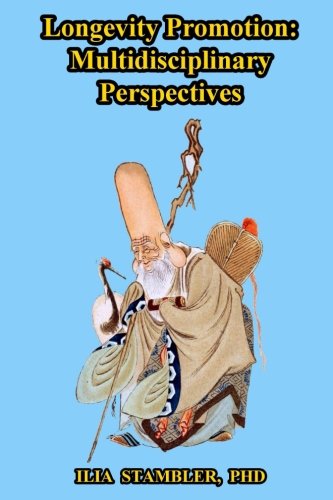
Longevity Promotion: Multidisciplinary Perspectives

STAMBLER - LONGEVITY PROMOTION - FRONTLongevity Promotion - ImageA new book has been published: “Longevity Promotion: Multidisciplinary Perspectives” by Ilia Stambler, PhD

Thanks for your interest, reviews and spreading the word!

Paperback

https://www.amazon.com/Longevity-Promotion-Multidisciplinary-Ilia-Stambler/dp/1974324265/

Kindle

https://www.amazon.com/Longevity-Promotion-Multidisciplinary-Ilia-Stambler-ebook/dp/B074SFZ3MS/

Links on the site

http://www.longevityhistory.com/book/getbooks.html

Facebook

https://www.facebook.com/LongevityHistory/photos/

Summary

“This book considers the multidisciplinary aspects of longevity promotion, from the advocacy, historical, philosophical and scientific perspectives. The first part on longevity advocacy includes examples of pro-longevity campaigns, outreach materials, frequent debates and policy suggestions and frameworks that may assist in the promotion of research and development for healthy longevity. The second part on longevity history includes analyses of the definition of life-extensionism as a social and intellectual movement, the dialectics of reductionism vs. holism and the significance of the concept of constancy in the history of life extension research, an historical overview of evolutionary theories of aging, and a tribute to one of the founding figures of modern longevity science. The third part on longevity philosophy surveys the aspirations and supportive arguments for increasing healthy longevity in the philosophical and religious traditions of ancient Greece, India, the Middle East, in particular in Islam and Judaism, and the Christian tradition. Finally, the fourth part on longevity science includes brief discussions of some of the scientific issues in life extension research, in particular regarding some potential interventions to ameliorate degenerative aging, some methodological issues with diagnosing and treating degenerative aging as a medical condition, the application of information theory for aging and longevity research, some potential physical means for life extension, and some resources for further consideration. These discussions are in no way exhaustive, but are intended to simulate additional interest, consultation and study of longevity science and its social and cultural implications. It is hoped that this book will contribute to broadening, diversifying and strengthening the academic and public deliberation on the prospects of healthy life extension for the entire population. The setting and careful consideration of a goal may be seen as a first step toward its accomplishment.”

Also, this book is being promoted as a part of the preparations for the “Longevity Month” campaign in support of biomedical aging and longevity research in October (see the first chapter on “Longevity Movement Building” in the book preview). If you organize additional events for the Longevity Day / Month, please let know!

http://www.longevityforall.org/longevity-day-and-longevity-month-october-2017/

Thanks

Ilia Stambler

Policy Suggestions for the Promotion of Longevity Research, Development and Treatment

logo-isoadBy Ilia Stambler


The need to develop policies for healthy longevity promotion


The global society is facing the rapid population aging and the accompanying rise of aging-related ill health and the resulting social problems. This mounting challenge stares us all in the face and prompts the global community to seek remedies. At the same time, we also witness the rapid development of biotechnology and medical technology, fostering our hope to find effective therapeutic solutions to the increasing health challenges. The urgency of the problem, and the increasing possibilities for solutions, bring the issues related to population aging and the research, development and utilization of anti-aging, life-extending and healthspan-extending technologies or “longevity therapies” to the forefront of responsible social debate.[1]

Many pressing normative questions arise in this context. What should we do, as a society and as individuals, given the intensifying problems of aging and the possibility and desirability of their solution and as a result achieving a significant healthy longevity extension? How can this possibility be realized? What actions exactly should be taken? Who should undertake those actions? Who should make the decisions about the actions? And who will enjoy the results of those actions? Could there be undesirable side effects to those actions? Such normative questions translate into specific and urgent questions for public health and science policy. For example, should a greater support be given to basic, empirical, applied, engineering, environmental, or other approaches for the amelioration of degenerative aging processes and achieving healthy longevity? What should be the civic regulatory mechanisms of such support? Given the rapid population aging and the increasing incidence and burden of aging-related diseases, on the pessimistic side, and the rapid development of medical technologies, on the optimistic side, these become critical social challenges and vital questions of social responsibility.

Specific regulatory, organizational and policy frameworks will yet need to be developed to address those questions, in any deliberate effort to achieve healthy longevity for the population. It may be yet too early to provide any strictly specific regulatory and policy recommendations toward this achievement. To provide more thorough recommendations, the issue still needs to be raised more strongly in the public, academic and political discourse. Yet, some preliminary recommendations may be offered. These may include increased funding, incentives and institutional support for research and development specifically directed toward alleviation of the aging process and achieving healthy longevity. Some preliminary recommendations are given in the position paper of the International Society on Aging and Disease (ISOAD), entitled “The Critical Need to Promote Research of Aging and Aging-related Diseases to Improve Health and Longevity of the Elderly Population” (2015).[2] Below some of the suggestions of that position paper are quoted and briefly commented on, with specific reference to funding, incentives and institutional support. It must be emphasized that this list and comments are only preliminary, and are intended to stimulate further discussion, encouraging the academic community, the general public and policy makers to elaborate on the present points and add new ones.


According to the ISOAD position paper, “Governments should ensure the creation and implementation of the following policies to promote research into the biology of aging and aging-related diseases, for improving the health of the global elderly population.” The following discussion is organized according to the main policy suggestions and their specific points.


Policy suggestion 1: “Funding: Ensuring a significant increase of governmental and non-governmental funding for goal-directed (translational) research in preventing the degenerative aging processes, and the associated chronic non-communicable diseases and disabilities, and for extending healthy and productive life, during the entire life course.”


Commentary: The importance of increasing funding for biomedical research to increase its produce should be obvious. The soil should be fertile to bear fruit. Yet, sometimes the fruits (longevity therapies) are expected without infrastructure, investment and labor. One often hears from the critics and bystanders of longevity science: “When will we see the results of this research?” or “When will it become relevant to humans?” To which the longevity research advocate can answer: “Right after the research is given more time, care and support.”

Unfortunately, it is often tacitly implied, and sometimes even openly stated, by lay persons and policy makers, that fundamental and translational biological research of aging is somehow wasteful or inherently dangerous, or that the scientists already have ‘more than enough’ and should not ask for more, or that the research money should be better spent on causes other than “aging-related” ill health (as if there are such “aging-unrelated” causes).[3] Likely as a result of such a dismissive attitude, the funding for aging-related issues generally, and biomedical aging research in particular, has been rather scarce in major international and national health and science support frameworks.[4] This attitude should change if the scientific research of aging is to advance and produce positive results. Increasing research funding should become an explicit and emphatic point of advocacy.


Specific point 1: “Dedicating a designated percentage of budget within relevant ministries, such as ministries of health and/or science, particularly in the divisions concerning research and treatment of non-communicable chronic diseases.”


Commentary: Ministries of health and science may seem the natural candidates to provide such funding, but are not the only possible candidates. A thorough search for and outreach to possible providers of funding will be needed. In practical terms, such increases in funding would necessitate painstaking work of research advocates with the relevant decision-makers and stakeholders, also engaging the support of the broader community. In principle, the need to fund medical research of aging should be obvious, so obvious that the relevant agencies (such as the ministries of health and science) simply should make it a part of their policy. Unfortunately, it is very far from being obvious to many in those agencies. In many cases, the relevant decision-makers are simply not aware of the current research and its capabilities. And even if they are aware, there are quite a few obstacles for making the support of aging research a priority within those agencies, especially if it means shifting some other priorities. It is thus the duty and the task of longevity research advocates, first to explain to the relevant decision-makers the need for research support and then continue pushing for the actual achievement of such support.

The advocates would need to determine the agencies from which funding could be allocated to aging research, find out the possible procedural means to achieve these allocations, and establish contacts to negotiate and eventually achieve them. Presently, most aging research institutions are hardly in the position to hire professional lobbyists or materially support advocacy and public education organizations. The scientists are often simply not aware or dismissive of the benefits of targeted advocacy, and if they are aware of those benefits, they seldom have the time or resources to dedicate to advocacy or public education. But somebody has to do this work.

This work should include both “high level advocacy” with professional stakeholders and decision-makers, and at the same time also the work at the “grassroots” levels, convincing the “lay public” about the importance of this research. The arguments for increasing support for aging research should be clear and compelling on the professional level. Yet, professionals in various agencies may have priorities of their own even to pay any attention to the convincing arguments. They may need some encouragement to pay attention “from below,” from the people for whom the new prospective therapies are eventually intended, in order to intensify the research and development for their sake.


Specific point 2: “Dedicating a specific percentage of the profits of commercial pharmacological, biotechnology and medical technology companies to such research and development.”


Commentary: Pharma, biotech and medtech companies may be often reluctant to invest considerable (or any) resources into R&D for the amelioration of degenerative aging processes to extend healthy longevity for the population. There may be several reasons for this reluctance. For one, the companies’ management may be often not familiar enough with the current state of aging research, even to consider involvement. And when some familiarity is gained, the investment into developing biomedical treatments of aging may appear to them too high-risk and too long-term to undertake. Anti-aging and healthspan-improving therapies are preventive by their nature, attempting to postpone chronic age-related diseases before they become debilitating. And evidential predictive diagnosis and preventive medicine may appear “bad business” to many in the management – with returns of profits too uncertain. Seeking costly “silver bullets” against chronic diseases, when they are already devastating and therefore create eager demand, may seem more lucrative for the companies –they are “businesses” after all. (“Evidential” is emphasized here, as quackery may appear to some people profitable under any circumstances. It should also be noted that here the term “anti-aging” is used in the sense of “therapeutic amelioration of aging” and not in the sense of any purely cosmetic contrivances or futile struggle against the passage of time.)

Thus, commonly, as cynical as it may sound, the companies may have little incentive and interest to develop evidence-based preventive anti-aging public health measures. They are not the only ones to blame. People’s readiness to embark on and adhere to preventive health regimens may be quite low (as experience often teaches). And, in fairness, the anti-aging regimens and methodologies may not yet be validated enough to justify compliance. So it would really make little sense, “business” or otherwise, to invest in developing remedies that will likely not work, and that many people would not use even if they worked.

Nonetheless, the feasibility of developing such preventive means does exist. And a considerable proportion of people (probably including ourselves) may indeed be willing to use such means, when they are proven effective, to diminish suffering from aging-related ill health at an early stage. So “the market” does exist for the companies to become interested. Still, they may not be too quick to rush to invest into the related R&D, but would prefer to pick up and capitalize on ready or nearly ready products, after most of the burden of high risk research and development had already been borne by publicly funded institutions. This does not seem a “fair” attitude, in a sense maximizing profit from bad public health, while not willing to strongly contribute to developing solutions against it. There may be no bad intent, but that is what the lack of investments into preventive health entails.

Is there a way to encourage companies to more responsibly “carry the burden” of anti-aging research and development, for the common benefit? A mandatory obligation for biomedical, biotechnological and pharmaceutical companies to invest some portion of their profits to advance biomedical therapeutic aging research could contribute to a solution. It could help to leverage the enormous material, intellectual and logistic resources of the industry for the healing of humanity’s common predicament and for the benefit of all. This would be a kind of a tax on the health industry to facilitate aging-related research and development, either to be performed by the industry itself or in qualified academic, medical and public institutions. The results from such mandatory R&D investment could be partly owned by the companies, and party stipulated to be shared with the public (the exact specifics can be debated and elaborated).

Of course, the terrible specter of “state interference” into “free market” may be raised by such a proposal. Yet, it may be argued that great value may accrue to pharma, biomed and biotech companies from such investment in biomedical aging R&D, as it would allow them: 1) early entrance into a new, untrampled niche; 2) vast potential markets, including early detection and prevention for broad populations; 3) vast demand by the governments and people; 4) fulfilling a social mission; 5) multiple opportunities for developing new products and services, in pharmaceuticals, diagnostics, analytics, early detection, biomedical technology, etc.; 6) providing wellness benefits for the workforce and life insurance companies. The management of some of the health companies may not yet realize those benefits, sticking with the old “silver bullet” quest. The mandatory obligation to dedicate a part of the profits to biomedical aging research and development, may help “initialize” them into the potential benefits of the field, in a sense “lead the horse to the water”.

Some authors have argued that regulatory recognition of “aging as a disease” (a treatable medical condition) would almost automatically induce pharma, biomed and biotech industry to develop treatments against this indication.[5] Such an argument seems to be rather simplistic. Even if recognizing “aging as a disease,” the development of treatments to “cure it” would still require massive investments of resources that the industry may be unwilling to spend for some of the above reasons. Even evidence-based clinical diagnostic criteria for this “disease” are still lacking,[6] and their very formulation would also require massive research that the industry may not be willing to undertake on its own. On the other hand, mandating the investment of a portion of the profits into such R&D, even a small portion (or with a stipulated minimum), would gently encourage them to take interest in the issue.

Of course, if such a proposition were ever to be discussed in the political and public arena, it would require strong advocacy and public involvement, as such a measure would be unlikely to be initiated by the industry itself, or to fit the current common political agendas. In any case, whether the proposition is ever discussed or not, the increased public interest in developing effective anti-aging and healthspan-improving treatments may, nonetheless, influence the pharma, biotech and biomed in a less direct, but perhaps even a more forceful way. Increasing the expectant and intelligent “customers’ base” for effective, safe and affordable preventive aging-ameliorating therapies may leave the industry no choice but to start developing relevant products for them.


Specific point 3: “Establishing relevant research grant programs on a competitive as well as goal-directed basis.”


Commentary: The field of biomedical aging research is a prime example of an emerging and converging scientific and technological field, undergoing rapid growth of capabilities thanks to improved communication and interaction between diverse agencies and entities. It combines “competition” when specific agencies “race” to rapidly achieve the highly advantageous healthspan-improving capabilities, as well as “cooperation” as these capabilities are unlikely to be achieved by any separate research entity alone, but only thanks to mutual catalysis and joining forces with others. This combination has been sometimes termed “coopetition” – comprising “cooperation” and “competition”. If substantial funding is to be provided by governments to the field of biomedical aging research, it should probably be directed in such a way as to strengthen the “coopetition” capabilities, to encourage both the spirit of excellence and achievement as well as mutual aid and support. Such an inclusive approach should involve as many relevant entities as possible, in order to achieve the fastest beneficial results for the widest community as possible.

Encouraging competition between research institutes will be indispensable, for example through open and competitive R&D tenders and calls for proposals. But cooperation should also be encouraged, for example by issuing calls and tenders to form consortia, specifically for the field of biomedical aging research and development. Such calls and consortia are still rather rare. Alongside the traditional consortia of research institutions, there should also be support for the more novel forms of cooperation, such as “crowd-sourcing” – distributing the research and development tasks among many participants, including “citizen scientists”.

While allowing the free competition of ideas, it is also important to understand what we actually want to achieve thanks to the support. Hence, the calls should be goal-directed, with the overarching goal of effective and safe therapeutic intervention into degenerative aging processes and achieving healthy longevity, yet possibly including more specific goals, such as developing evidential clinical diagnostic criteria for degenerative aging, or devising regenerative medicine interventions for age-related tissue degeneration, or designing and testing pharmacological or physical geroprotective medications, or enhancing data-sharing, or improving education in biomedical aging research – altogether furthering the over-arching goal.

Of course, “consortia,” “goal orientation,” “cooperation” and “synergy” should not become synonyms with monopolistic “cartels”. Research and development programs, especially governmental programs, may be too often prone to “cronyism” and “favoritism,” blocking the development of competing alternative ideas. The vital task of developing aging-ameliorating and healthspan-improving therapies should not fall victim to narrow bureaucratic “exceptionalism” and “selectionism”. It is yet unknown which approach may be the most beneficial, fast and effective to achieve the goal of healthy longevity for all. Therefore it appears yet too early to favor any particular approach very strongly. On the other hand, without strong collaborative work to develop specific research approaches and projects, significant advancement may be unlikely. Instead, many entities would each pull resources to themselves, altogether creating teeming chaotic “Brownian” motion, yet without much noticeable gradient of progress. Balanced support of “coopetition” may be needed to encourage both the plurality of ideas and unity of efforts.

The general support for cooperation and competition in biomedical research of aging should also include support for strategic analysis and consultation, to evaluate the promise and judge the evidence of success of various approaches, ideas and efforts, and their combinations. It should also include support for creative education to foster the emergence of new approaches, ideas and efforts, and their combinations.


Specific point 4: “Mandating incremental or factorial increases of such funding.”


Commentary: It is necessary to guarantee continuous increase of support for biomedical aging research. The demand for aging therapies will likely grow with the population aging, and it is important to ensure that the funding for its development is not suddenly stopped, or depleted or redirected, but intensifies in time to supply the growing need. Such a mandated continuous increase could mean, for example, doubling the funding for the field, say, every 2 or 5 years, or negotiating incremental and/or indexed increases of funding at defined periods of time. Such mandated long term increases would, first of all, require the knowledge or establishment of the baseline for such funding. Such a baseline is often absent and needs to be determined for the very first time, at the country and agency levels. Secondly, it would posit the commitment to continued investments in this research and development.

The exact definition of the field for which such funding should be dedicated can be problematic and a subject of active debate. But as a preliminary guiding principle, the funding should be broadly devoted to biomedical research of aging, specifically directed toward therapeutic intervention into degenerative aging processes to prevent aging-related diseases and to increase healthy longevity. And of course, creating such a specific budget item and ensuring its survival and growth, should not detract from funding other important health research and health care issues.


Policy suggestion 2: “Incentives: Developing and adopting legal and regulatory frameworks that give incentives for goal-directed research and development designed to specifically address the development, registration, administration and accessibility of drugs, medical technologies and other therapies that will ameliorate the aging processes and associated diseases and extend healthy life.”


Commentary: Part of the promotion of healthy longevity research could be accomplished not merely by increasing the amounts of financial investments put into the research, but by optimally effective and productive management of the financial investments, combining financial and non-financial rewards for the advancement of the field. This optimization would necessitate the developing and adopting of legal and regulatory frameworks that give incentives for the relevant goal-directed biomedical research and development. Such incentives should accelerate the development, registration, administration and accessibility of drugs, medical technologies and other therapies that will effectively and evidentially ameliorate the aging processes and associated diseases and extend healthy life for the individuals and for the population.


Specific point 1: “Developing criteria for efficacy and safety of geroprotective therapies.”


One of the primary specific requirements to develop the incentives for biomedical aging research would be to establish the criteria for the efficacy and safety of geroprotective (anti-aging) therapies. Such commonly agreed criteria are presently lacking. Yet, they appear to be absolutely necessary in order to set up the goals and define the merits that should be rewarded or incentivized. In other words, we need to incentivize and promote treatments that “wok”. But what are the signs or criteria that the anti-aging treatments “work” or “can work” successfully? These are not yet established, but they need to be.

There has been recently an intensifying discussion among longevity researchers and advocates about the need to recognize the degenerative aging process as a treatable medical condition.[5,6] That would involve recognizing as pathology the systemic aging-related factors that contribute to diseases and frailty. It is assumed that the common recognition of the problem would drive people and resources toward its solution. Yet, it appears that the primary necessary condition for the degenerative aging process to be recognized as a diagnosable and treatable medical condition and therefore an indication for research, development and treatment, is to develop evidence-based diagnostic criteria and definitions for degenerative aging and for the efficacy and safety of potential means against it. Without such scientifically grounded and clinically applicable criteria, the discussions about “treating” or even “curing” degenerative aging will be mere slogans. How can we “treat” or “cure” something that we cannot diagnose?

Interestingly, the clinical definitions of degenerative aging process and the use of drugs and other treatments specifically directed against it, can be fitted, after some reinterpretations, into major existing regulatory and policy frameworks. Thus, WHO’s International Classification of Diseases (ICD-10) currently already includes the category called “senility,” synonymous with “old age” and “senescence” (carrying the code R54).[7] But there are not yet any general symptoms, clinical definitions or test cases of this condition. These may still need to be developed. Furthermore, WHO’s Global Strategy and Action Plan on Ageing and Health (GSAP) – 2016-2020 (November 2015) includes “Strategic objective 5: Improving measurement, monitoring and research on Healthy Ageing,” with a clause “5.1: Agree on ways to measure, analyse, describe and monitor Healthy Ageing” (Section 95), which recognizes the need for such agreed measures.[8] Also major regulatory authorities, such as the US Food and Drug Administration (FDA) and the EU European Medicines Agency (EMA) have struggled for the inclusion of elderly subjects in all clinical trials that may be relevant for them, and are beginning to search for clinically applicable definitions of the aging process and its concomitants. Thus, the EMA has been continuously searching for a consensus definition of age-related “frailty” and for criteria for effective and safe interventions against frailty, as well as for the accurate general assessment of medication needs of older persons.[9] The direction at the US FDA appears to be similar. Here too the need for the inclusion of older subjects in all clinical trials that may be relevant for them and the necessity for devising specific criteria for their diagnostic and therapeutic assessment are recognized,[10] including the assessment of therapeutic interventions against aging-related “multi-morbidity”.[11] Yet, apparently, these needs have not yet been addressed satisfactorily. There is still no mandatory inclusion of elderly subjects in clinical trials, and no agreed criteria for their diagnostic and therapeutic evaluation, either in the EU or the US, or elsewhere.

Massive and profound consultation of scientists, physicians, policy-makers and other stake-holders will yet be required to develop such diagnostic criteria, as a necessary condition for incentivizing and advancing aging-ameliorating therapy. The consultation should encompass as many authoritative forums as possible. For example, in June 2017, the WHO started a consultation on the development of “essential diagnostics” as a necessary companion for the “essential medicines”.[12] It must be realized that both “medicines” and “diagnostics” of degenerative aging are “essential” for global population health. Other authoritative discussion and implementation frameworks may be utilized.


Specific point 2: “Facilitating in silico and animal testing, and ethical safety-enhanced human testing of such therapies.”


Commentary: Integrally related to the issue of devising diagnostic criteria for degenerative aging and for the efficacy and safety of anti-aging and healthspan-extending interventions is the facilitation of various modes of testing of such interventions. Indeed, in order to infer formal general criteria of the “effectiveness” of anti-aging therapy, we need to be able to measure the aging processes, and to find out what effects the various interventions actually produce in each particular case and process, in order to make generalizations.

The testing modes may include in vivo testing, i.e. testing in the living organism, e.g. in model animals, but also human testing falls under this category. Of special importance for anti-aging and healthspan experiments are long-term tests and tests on old animals and elderly human subjects. Further testing modes may comprise in vitro testing, that is, experiments “in glass” or “in a test tube,” i.e. outside the living organism, including cell and tissue experiments, with various techniques such as “lab-on-a-chip”. There is also in situ testing, i.e. in the original condition or place, for example, in the true conditions and place of a biological process (e.g. an in vitro test under conditions identical with or closely approximating a living organism, or an in vivo test under conditions that are the same or very close with the real living environment), that should be also kept in mind, as often inferences are made between biologically irrelevant or incompatible model systems. And yet another critically important form of testing is in silico, that is, using computer modeling of the system behavior, specifically modeling the aging processes and their modifications. Various testing modalities should be advanced simultaneously, feeding back to each other. Unfortunately, each form of testing has its impediments, both scientific and regulatory, that need to be addressed, within ethical bounds.

Thus, among such impediments, in silico testing is not yet commonly practiced in biogerontology. There is often a deficit of cross-talk between the fields of gerontology and bioinformatics, often due to deficit of relevant training of specialists in respective fields, even though the dialogue between these fields is constantly increasing. The various in vitro testing modes often suffer from logistic obstacles in supply, transportation and utilization of test materials, and deficit of appropriate equipment. Animal testing also frequently faces logistic difficulties and deficits of facilities and equipment. In addition, there are often unfavorable public perceptions and regulatory hurdles for animal trials, and not just in relation to anti-aging research. The perceptions and policies may need to improve for the benefit of aging health research. There is also a demand to develop and disseminate the guidelines for the ethical safety-enhanced human testing of anti-aging, life-extending and healthspan-improving therapies. Such authoritative guidelines are currently rather absent. A further set of incentives may need to be conceived to attract test subjects to participate in anti-aging studies, while protecting their safety, privacy and other benefits.

It should be additionally noted that all the forms and modes of testing are skilled-labor-consuming, time-consuming and cost-consuming. Hence, increased funding is a necessary and primary condition to facilitate any form of testing.


Specific point 3: Deploying and ensuring geroprotective therapies in the status of adjuvant and life-extending therapies.”


Commentary: Drugs and other medical treatments specifically directed against the degenerative aging process are not yet an accepted category in any official pharmacopeia or regulatory registry. Their inclusion in pharmacopeias and registries may be possible after the development of scientifically grounded and commonly accepted clinical definitions of degenerative aging, which are currently absent and need to be devised. Yet, after the necessary consultation and development of diagnostic criteria, such treatments can become recognized as a common part of pharmacopeias and medical regulatory frameworks. In fact, several major regulatory frameworks already have some preliminary conceptual bases for such a recognition, e.g. the recommendation to evaluate drug efficacy specifically for the elderly by the FDA, or the programs to define and treat old-age frailty by the EMA.[9,10] Thus, the development and application of treatments directed against degenerative aging would not require an extraordinary conceptual or administrative leap. Attempts to include specifically anti-aging drugs as common medicines are already under way, with several notable precedents. In the absence of specific regulatory categories for “anti-aging,” they “adopt” existing cognate conceptual frameworks. Such preliminary efforts could be intensified and expanded.

A primary example is the approval by the FDA in 2015 of the clinical testing of Metformin, a well known anti-diabetic drug, as the first drug to treat degenerative aging processes, rather than particular diseases or symptoms. This prospective study was called “TAME” – “Targeting Aging with Metformin”. Such a therapeutic targeting of the underlying aging processes is envisioned as a plausible way to prevent general age-associated multimorbidity, i.e. to postpone the emergence of several age-related diseases and dysfunctions at once.[11] The effects on the basic aging processes would be evaluated by changes in specific biomarkers of aging, while the clinical effects would be estimated by the postponement of clinical signs of several known age-related diseases (multimorbidity), as well as reduced mortality and a reduction of functional decline. There is yet no common agreement on the most informative biomarkers of aging, and no consensus about the evaluation of multimorbidity and functional decline. Still, such a general evaluation and intervention framework – combining putative biomarkers of aging, recognized clinical age-related disease symptoms and syndromes, and demonstrable functional abilities – seems to provide a fruitful direction to follow and develop. Such and similar general combined evaluation and intervention frameworks could be easily understood and adopted both by biologists and physicians. Even though, as of this writing in 2017, funding for this specific large-scope study has not been secured, the study concept may be seminal.

Another example also stems from 2015, when the FDA approved an adjuvant therapy (the adjuvant MF59, made with squalene oil, developed by Novartis) for a flu vaccine to boost immune response in older persons. This development goes beyond “a drug against a disease” model, but seeks an appropriate regulatory framework to support the underlying health of older persons, using “adjuvant” (i.e. “supportive” or “additional”) therapy.[13]

Another approach to develop and advance anti-aging and healthspan and lifespan-extending therapies may be by adopting the concepts of “life-saving therapies” and “life-extending therapies,” that are already well established in major regulatory environments, mainly in relation to life-threatening conditions.[14] Logically, the lifespan-extending therapies are indeed “life-extending” and “life-saving.”

The adoption of the existing regulatory frameworks and concepts, such as “age-related multimorbidity,” “old-age frailty” and “functional decline” to describe the indication, and “adjuvant therapy,” “life-extending therapy” and “prevention of frailty and functional decline” to describe the intervention, may be more acceptable psychologically and better grounded in existing policy than speaking about diagnosis and treatment of “aging” itself. Such an adoption of existing frameworks may be so far the most productive and fast way to develop, test and disseminate anti-aging and healthspan-improving therapies. But eventually it may yet be possible to develop and adopt clinical diagnosis and therapeutic interventions specifically for “degenerative aging” proper, provided the necessary clinical evaluation, efficacy and safety criteria. The development and adoption of such criteria will yet require considerable time, intellectual efforts and material resources. Still, we can state the eventual goal of these efforts clearly and emphatically, without hiding, equivocating or circumventing: we do wish to develop evidence-based, safe, effective and available diagnosis and treatment for degenerative aging to increase healthy lifespan.


Specific point 4: Providing a shortened approval pathway for therapies with high level of efficacy evidence in preclinical and early clinical trials, as well as in cases of advanced degenerative and seemingly futile conditions.”


Commentary: There is a special need to give priority to the clinical trials and applications of therapies that had provided excellent evidence for their efficacy and safety in preclinical and early clinical trials. Such a prioritizing and fast-tracking of well-evidenced approaches may help bring effective life-saving therapies and improve the quality of life for as many people as possible, as fast as possible. This requirement for good evidence may hold true for any therapies generally, and for anti-aging and healthspan-improving therapies in particular. Yet, regarding the latter, the question remains what constitutes “evidence” of efficacy and safety for anti-aging and healthspan-improving interventions, when there is yet no formal and agreed clinical definition of aging and of its modification. Hence, the need to prioritize the best evidence-based treatments goes hand in hand with the need to develop criteria to evaluate the evidence. Together these tasks may represent critical strategic areas for scientific and policy research.

The clinical approval and application may also need to be facilitated for cases of advanced degenerative and seemingly futile conditions. It seems ethically justifiable to give people a preferential chance of healing when all other hope is taken from them. But here again, there is the problem of the deficit of consensus criteria for defining “enhanced efficacy and safety,” as well as criteria for “advanced degeneration” and “seemingly futile” conditions. For the “seemingly futile conditions,” apparently, the criteria, methodology and terminology from critical and intensive care medicine may need to be reexamined.[15] The existing legal frameworks governing the conditions whose treatment is considered “futile” may be reconsidered in order to allow for the use of novel, less well-tested therapies in severe cases, to give the patients, and potentially others suffering from the same conditions, an improved chance to “live with dignity” rather than to “die with dignity.” Such preferential administration may be advocated for any potentially life-saving and disability-eliminating therapy for the elderly.

Yet, with regard to anti-aging and healthspan-improving therapies, additional complications may arise. In a sense, presently degenerative aging is a universal, inevitable human condition, hence interventions into it may appear generally “futile” for every person on earth. Then when does the futility become “seeming,” i.e. under which conditions some amelioration is possible? The priority treatment of “advanced degeneration” is also not unproblematic. On the one hand, such treatments may be more ethically justifiable, as they would give the patients in this state a unique hope. Any possible clinical benefits in such a state may be most desirable and significant. On the other, it may be very difficult to produce and show clinical benefits in such frail subjects, when the diseases are already highly complicated and hardly tractable (this is often the tacit and rather cynical reason why such subjects are frequently and unjustifiably excluded from clinical trials). Moreover, in principle, anti-aging and healthspan-improving therapies are supposed to be “preventive” – precisely in order to postpone the emergence of such advanced degeneration. Hence intervention at a younger age should be preferable as a preventive measure. The younger subjects may also show stronger responses to therapy (any therapy). But in the case of testing anti-aging therapies in the younger and healthier subjects, there may be little evidence that the intervention will actually produce any benefits for the old age (the presumably desirable outcome). These are complex scientific issues that will yet require a long and resourceful investigation.

One of the more immediate suggestions may be once again to intensify the development of clinical criteria to evaluate degenerative aging, including the evaluation of degrees of “degeneration” and “futility of interventions” – for example, measuring resources available for recovery, or potential resilience, or stability and the speed of return to baseline, or the organism’s complexity, or homeostatic capacity, or others.[16] Such advanced scientific measures of degenerative aging may help gauge and prioritize the therapies, and will help inform further policy and ethical discussion.


Specific point 5: Granting a special recognition, status and benefits to commercial and public entities engaged in such research and development.”


Commentary: A clear distinction between means of support for public and commercial entities involved in biomedical aging R&D should be made. Public entities should receive substantial tokens of appreciation and support, both symbolic and material, both from the state and from the public, for doing this important research and development. Such support should stimulate them to continue on their path, not let them starve or feel abandoned, not allow the adverse living conditions and lack of status force them to relinquish their scientific and humanitarian mission. The credit they earned and the effort they made should not be taken from them, but should be rewarded.

But what benefits should be provided to commercial organizations to encourage them to enter and remain in the field? After all, as commercial organizations their primary purpose is to make profits, to pay employees their salaries, to produce valuable products and services, to continue and expand the operations. How may it be possible to make it more worth their while to engage in the subject of biomedical aging research and development, in order for them to produce an even greater value for the entire population’s health? The issue is involved. Benefits for commercial organizations have been often understood to include less regulation and less taxation. It has been a commonly voiced opinion that in order to accelerate biomedical progress generally, and the progress of anti-aging and healthspan and life-extending therapies in particular, regulation on the development and use of such therapies should be generally softened, to allow for the proliferation of new ideas and methods.[17] The concept of “conditional approval” of therapies has been advanced, that would presumably make it easier for new therapies to enter the market and would reserve a greater share of research for the “post-market analysis” (i.e. after the medicines have already been sold and used).[18] A considerable number of patients, mainly the wealthy ones, now seek to try new therapies in countries with particularly permissive regulatory requirements, as a form of “medical tourism.”[19] Moreover, personal (“do-it-yourself”) testing is becoming increasingly popular.[20] These customer bases demand more permissive regulation. Thus, diminished regulation is supposed to help health companies to flourish and increase delivery of health products and services, including healthy longevity products and services.

There may be some logic in the argument for easy regulation. The developing and making available of new therapies has become notoriously costly and lengthy, in a considerable measure due to regulatory obstacles, among other reasons.[21] And in many cases, there is a need to try for a chance. On the other hand, we may not wish people (including ourselves) to assume the role of mishandled guinea pigs. Some patients may become privileged gullible test subjects for their own money (if they have money). And others may become expendable unprotected test subjects (when they have no money). Both situations appear ethnically undesirable and may involve a considerable and unjustified risk to the patients’ health and well-being, though possibly with a good “profit margin” and “development potential” for the producers and suppliers of the new medications. Some balanced position needs to be found. Part of the answer may again lie in the development of strict scientific criteria for the diagnosis of the aging process and for the effectiveness and safety of interventions against it. Following the development of such evidence-based criteria, it may be easier to stall the dissemination of quack nostrums as well as to facilitate the availability of truly promising therapies. In other words, such criteria may help improve regulation, not discard it. This issue too should become a subject of broad academic and political discussion.

What about taxation? In a “market-oriented” view, less taxation for companies means more investments, innovation and growth. In a more “social-safety-net-oriented” view, less taxation could also mean larger bonuses for companies’ high management, not necessarily related to better products and services, but with a reduction of social benefits. Could these views be reconciled for the particular benefit of rapid development and universal application of longevity therapies? In an earlier commentary, it was suggested to consider obliging (taxing) health companies to support biomedical aging research. Could it be possible to both reduce taxes for health companies that already develop longevity therapies to encourage their continued R&D in the area, and tax those that do not yet conduct such R&D to encourage them to start? In any case, with a proper balanced consideration of the interests of all the stakeholders, taxation could become a powerful incentive to facilitate the research, development and application of healthspan-improving therapies.

Additional recognition tokens, status improvements and material benefits to encourage the entities involved in the field can and should be thought of.


Specific point 6:Ensuring affordability of aging-ameliorating and life and healthspan-extending therapies.”


Commentary: Another issue that apparently needs to be given much thought in advance is a normative procedure to make potential anti-aging and lifespan and healthspan-extending therapies universally accessible, rather than preferentially available only to the rich or to some other privileged social categories (unrelated to their medical indications). There may be several approaches to the issue of affordability. Some believe the issue will dissolve almost automatically by itself, as the healthspan-extending technologies and treatments will gradually become cheaper thanks to advancements of the underlying science and enhancing production capabilities. The means of production that could lead to cheaper prices could involve mass production and cheaper customized production, including “do-it-yourself” manufacturing. This scenario may be plausible. The question is: “When will this happen and for whom?” In other words, “How fast can the healthspan and lifespan-extending technologies become affordable enough to become universally available to all?” Until this happens, large masses of people will likely be left out of reach of these therapies. This would mean early death and suffering from aging-related ill health for the largest part of the world population for a foreseeable time in the future, while a small portion enjoys the extended health and lifespan. It has been sometimes argued that the inability to provide longevity therapies to all people (mainly implying the poor ones) should not prevent providing them to some people (implicitly the rich and powerful).[22] Yet, such an argument may offer little consolation to people of lesser means doomed to an early death by their social status, even when proven longevity therapies already exist. (Many readers of this work, and the author, may well find themselves in this group, if no special action is taken.) Such an inequality in healthcare is of course not new. But with the emergence of effective, yet likely initially highly costly lifespan and healthspan-extending therapies, the social divides may become atrocious.

Under such conditions, at least for the initial stages of therapy development, the following options may be available for people of lesser means to make the therapies accessible for them: 1) Wait patiently until the therapies will ‘become cheaper’ and/or ‘trickle down’ from the rich; 2) Fight for the right of access (perhaps also violently); 3) Through advocacy and political action, ensure the establishment of universal public research, development and distribution programs for life-extending and health-extending therapies, that will also give the public strong entitlement to such therapies.

The third option of strengthening public R&D and distribution programs appears preferable, as it would place a large degree of power for the development and application of healthy longevity therapies in the hands of the general public, who are not necessarily related to the scientific, medical or industrial establishment. The first option of resting and waiting until the therapies “trickle down” from the rich may not be very productive (especially if there is no real incentive for the wealthy to provide such therapies to the poor, and also remembering that the decades-long efforts to beg donations for longevity research from the rich have been largely unsuccessful). The second option of “fighting for the right” (of access) may be rather unpleasant, painful and even dangerous for many. Therefore, the third option, establishing programs of public support for therapy research and development, coupled with public entitlement to those therapies, should be more strongly considered and advanced, also by political means.

In any case, the concern over affordability and unequal access should not stop the emergence of new healthspan and lifespan-extending medical technologies, but only to intensify their development. The sooner they emerge, the faster they will likely become available for the people, hopefully for all. Yet, addressing the issue of affordability and accessibility is critical for maximizing public benefits from longevity therapies, and avoiding possible social disruption as their potential side effect. Hence, any effort to develop such therapies should proactively and consciously include plans and provisions to make them maximally affordable and accessible, both through scientific and technological cost-saving contrivances as well as improving the means of equitable social support and distribution.


Policy suggestion 3. “Institutions: Establishing and expanding national and international coordination and consultation structures, programs and institutions to steer promotion of research, development and education on the biology of aging and associated diseases and the development of clinical guidelines to modulate the aging processes and associated aging-related diseases and to extend the healthy and productive lifespan for the population.”


Commentary: In any discussion of healthcare research and development, necessarily involving funding and regulation, aging-ameliorating and healthspan and lifespan-extending therapies must be included as an integral part. Enhanced support needs to be granted to the entities engaged in therapeutic aging and longevity research and development, on a par with any other branch of innovative biomedical science, or perhaps even higher due to the great importance and promise of the field. This essentially means strengthening the institutional basis of aging and longevity science, in all of its aspects, from fundamental science, through translation to clinical practice, to distribution of the results, to public education on the use of the results. And this simply means that we need to have more institutions explicitly dedicated to these subjects, and stronger agendas on these subjects in already existing institutions – on all levels, from small local organizations, to large associations and corporations, to state-level institutions and ministries, to supra-national and inter-national agencies and organizations. Such institutional support is yet insufficient and must be expanded.


Specific point 1: “Establishing Biogerontology specialty and courses in Biogerontology as a common part of university curriculum.”


Commentary: As a part of the stronger institutional support, aging research also needs a better place in academia and other educational frameworks. Good education may be considered a primary condition for progress. There is a need to address the large deficit of knowledge and training on the subject of biological aging, its biomedical improvement and healthy longevity, in most existing institutions of learning. The need should be obvious. It should be clear that prior to any research, development and application on biological aging, there is a need to educate specialists who will be able to contribute to the various aspects of the field. There is an even prior need to educate the broader public on the importance of such research to prepare the ground for further involvement.

Such education is currently very limited. In practical terms, there are presently rather few dedicated structures around the world to promote and coordinate knowledge exchange and dissemination on biological aging and healthy longevity extension. There is an urgent necessity for such structures to make the narrative on biology of aging and healthy longevity globally prevalent.

Dissemination of knowledge in various national languages may be particularly important, as it could dramatically expand global academic and public involvement and cooperation in the field. Indeed, many disconnected chunks of knowledge on aging and longevity extension are scattered around the world. There is much information in various national languages which is not always easily accessible to speakers of English. Conversely, much information is available only in English, while it also needs to be made accessible in other languages. Hence, cross-fertilization of information in different languages could help the entire field to expand globally.

Even in particular languages, the field could benefit from better knowledge communication and data-sharing, specifically within the field of aging and longevity studies, as well as with adjacent fields. It may be argued that virtually any field of science and technology can be related to the problem of aging, and enlisted for its amelioration. Hence the stronger inclusion of biomedical research of aging into the general scientific communication and education could be beneficial for the field of aging, as well as for the allied fields.

To improve the communication and integration, it appears to be crucially important to commonly include biogerontology (or biology of aging and longevity) as one of the central parts of learning curricula, and not only in universities, but in every learning and teaching framework, especially those related to biology, medicine or natural sciences generally. Unfortunately, and strangely enough, the study of the biology of aging and longevity extension is rarely a part of university curriculum and virtually never a part of high school or community education curriculum. Thus, there is a huge range of opportunities to develop educational and training materials and courses, including materials and courses of professional interest, from undergraduate to postgraduate levels, as well as of general interest, presenting recent advances in aging and longevity science. There is a special need for developing courses and other educational materials in national languages, beside English, and in countries and areas in which information on the field is particularly scarce.

Unfortunately, these desires are yet far from fulfillment. The current curricula in life and health sciences around the world, very often, simply omit aging and longevity from processes of biological development. Furthermore, many biology textbooks do not include aging and dying, not to mention longevity, among the processes of life. The science of aging and longevity, and adjacent areas of study, need to become an entrenched part of education at every level, not just because of the scientific value of this subject, but also because of its great practical significance for the society. In fact, the World Health Organization’s Global Strategy and Action Plan on Ageing and Health (GSAP) (2015) directly requests member states to “ensure competencies on ageing and health are included in the curricula of all health professionals.”[23] Of course, it should be stressed that knowledge of the biology of aging is one of such indispensable gerontological competencies. Yet, this requirement is very far from implementation, even as relates to “competencies on ageing” generally, not to mention biology of aging. There is an urgent need to address the problem, to strengthen the standing of biogerontology in academia and other educational frameworks, to cultivate the ground of knowledge necessary for aging research, development and treatment to grow and bear fruit.


Specific point 2: “Developing and disseminating geroprotective regimens, based on the best available evidence, as part of authoritative health recommendations.”


Commentary: Part of the knowledge dissemination and exchange should include actionable recommendations for ordinary people to achieve healthy longevity. It is indeed important to disseminate and popularize the knowledge of fundamental research and its long-term goals. But some more immediate practical outcomes could greatly benefit the public and increase general interest in the field, though never losing sight of the need for long-term fundamental biomedical research and development. The researchers of aging and longevity need to have a say in the development and dissemination of regimens for the extension of healthy longevity for the community, based on the best available evidence, as a part of authoritative health recommendations. Such guidelines for healthy longevity for the public are commonly lacking. There are some examples of limited materials of this kind from major research institutions.[24] But generally such educational activity can be greatly expanded globally.


Specific point 3: “Establishing cooperative centers of excellence for fundamental, translational and applied studies, alongside centers for strategic analysis, forecast, education and policy development on aging and longevity research, at academic institutes and various governmental and supra-governmental agencies.”


Commentary: This is probably the most important and desirable policy recommendation that can be currently made. In fact, it encompasses and engages most of the other recommendations, including increased funding, incentives and institutional support for the field. Simply put, researchers of aging and longevity need places to do their work at. Such work places, that would be involved primarily and not tangentially with biomedical aging research, are quite few even in the “developed” world, and are almost absent in the “developing” or “low income” world.[25] There is a vital need to establish more and more cooperative centers of excellence of different kinds: for fundamental, translational and applied studies. Beside scientific research and development centers proper, there is also a need for supportive intellectual infrastructure, including centers for strategic analysis, forecast, education and policy development on aging and longevity research. Such centers, or at least dedicated thought and task forces, could be desired for virtually all large academic institutes, as the subject has critical academic and public value. Such centers and/or task forces and/or organizational structures should also be present in various governmental and supra-governmental agencies, including virtually all the agencies related to public health and science, but also possible additional entities, such as those dealing with education, social services, or aging generally.

Though the relevance of the topic of biomedical aging research, development and application should be obvious for such agencies and institutions, they still seldom have this subject on their agenda and often not at all. A strong dedicated effort still has to be made to place the subject on the agenda of those organizations. There may be many agencies that may be approached to establish such centers and structures, and the means of approaching and influencing them should yet be studied and perfected.


Conclusion: Normative discussions and recommendations should grow into actions


As a general conclusion, the common rationale for all these tentative policy recommendations is to reduce the burden of the aging process on the economy and to alleviate the suffering of the aged and the grief of their loved ones. It may be hoped that, if granted sufficient support, these measures can improve the healthy longevity for the elderly, extend their period of productivity and their interaction with society, and enhance their sense of enjoyment, purpose, equality and valuation of life. In the light of the great need and promise of healthy human longevity, it may be considered the societal duty, especially of the professionals in biology, medicine, health care, economy and socio-political organizations to strongly recommend greater funding, incentives and institutional support for research and development dealing with the understanding of mechanisms of human biological aging and translating these insights into effective, safe, affordable and universally available life-extending and healthspan-extending technologies and treatments.

We can return to the question asked at the beginning of this work: “What should be normatively done to promote longevity science and the actual achievement of healthy longevity for the population?” Given the feasibility and desirability of healthy human longevity, the normative “thing to do” would be simply “to do,” to become proactive for the advancement of the field, to study and support the field, to realize the challenges facing the field, as well as its vital promises, and to contribute to overcoming the challenges and fulfilling the promises. It may be hoped that the present work will contribute to the realization of this duty. It may be further hoped that the suggestions and comments made in this work will stimulate more consultations to help find solutions for some of the literally “life-and-death” scientific and policy questions of the aging society, to achieve healthy longevity for all.


References and notes

[1] Michael J. Rae, Robert N. Butler, Judith Campisi, Aubrey D.N.J. de Grey, Caleb E. Finch, Michael Gough, George M. Martin, Jan Vijg, Kevin M. Perrott, Barbara J. Logan, “The demographic and biomedical case for late-life interventions in aging,” Science Translational Medicine, 2, 40cm21, 2010, http://stm.sciencemag.org/content/2/40/40cm21.full;

Luigi Fontana, Brian K. Kennedy, Valter D. Longo, Douglas Seals, Simon Melov, “Medical research: treat ageing,” Nature, 511(7510), 405-407, 2014, http://www.nature.com/news/medical-research-treat-ageing-1.15585;

Dana P. Goldman, David M. Cutler, John W. Rowe, Pierre-Carl Michaud, Jeffrey Sullivan, Jay S. Olshansky, Desi Peneva, “Substantial health and economic returns from delayed aging may warrant a new focus for medical research,” Health Affairs, 32(10), 1698-1705, 2013, https://www.ncbi.nlm.nih.gov/pmc/articles/PMC3938188/;

Ilia Stambler, “Recognizing degenerative aging as a treatable medical condition: methodology and policy,” Aging and Disease, 8(5), 2017, http://www.aginganddisease.org/EN/10.14336/AD.2017.0130;

Ilia Stambler, “Human life extension: opportunities, challenges, and implications for public health policy,” in: Alexander Vaiserman (Ed.), Anti-aging Drugs: From Basic Research to Clinical Practice, Royal Society of Chemistry, London, 2017, pp. 535-564.

[2]. Kunlin Jin, James W. Simpkins, Xunming Ji, Miriam Leis, Ilia Stambler, “The critical need to promote research of aging and aging-related diseases to improve health and longevity of the elderly population,” Aging and Disease, 6, 1-5, 2015, http://www.aginganddisease.org/EN/10.14336/AD.2014.1210.

Thanks to the translations by longevity research activists from around the world, the text of this position paper became available in full or in part in 12 languages. It is available in full in Arabic, Chinese, English, German, Hebrew, Italian, Portuguese, Russian, Spanish, and as a partial (summary) translation in Danish, Finnish, Swedish. See: http://www.longevityforall.org/the-critical-need-to-promote-research-of-aging-around-the-world/. As of June 2017, this paper was quoted over 40 times in academic literature.

[3] Below are some examples of the works openly disparaging of anti-aging and pro-longevity research, including works by influential state health policy and bioethics advisors and officials, in particular in the US:

Leon Kass, “L’Chaim and Its Limits: Why Not Immortality?” First Things, 113, 17-24, May 2001;

Daniel Callahan, What Price Better Health? Hazards of the Research Imperative, University of California Press, Berkeley, 2003, Ch. 3. “Is research a moral obligation? The war against death,” pp. 64-66;

Koïchiro Matsuura, “Of sheep and men,” The Daily Star, 4 (113), September 16, 2003;

Francis Fukuyama, Our Posthuman Future. Consequences of the Biotechnological Revolution, Picador, New York, 2002, Ch. 4. “The prolongation of life,” pp. 57-71;

Ezekiel J. Emanuel, “Why I hope to die at 75,” The Atlantic, October 2014.

[4]. Indicatively, as of 2016, the entire proposed budget for the Word Health Organization’s “Ageing and Health” program was $13.5M, out of about $4.4 billion total WHO budget (0.3%). No budget portion is specified for anything indicative of “ageing research.”

(World Health Organization, Sixty-Eighth World Health Assembly: Proposed Programme Budget 2016-2017, 2015, http://apps.who.int/gb/ebwha/pdf_files/WHA68/A68_7-en.pdf.)

For the United States (so far the world’s largest spender on health, including aging-related issues), the investments to solve the aging challenge generally and for medical aging research particularly are rather small, despite the urgency of the problem.

Thus, in the US, as of 2014, it was estimated that the total national health expenditures were ~$3.0 trillion, representing 17.5% of the Gross Domestic Product, with yearly per capita health expenditures of $9,523. In 2015, these values respectively grew to 3.2 trillion, 17.8%, and $9,990. All these values are world records. (All the websites quoted here were accessed in June 2017.)

(US National Center for Health Statistics, CDC Centers for Disease Control and Prevention, “Health Expenditures” (2014), https://www.cdc.gov/nchs/fastats/health-expenditures.htm;

US Centers for Medicare and Medicaid Services, “National Health Expenditure Data” (2015)

https://www.cms.gov/research-statistics-data-and-systems/statistics-trends-and-reports/nationalhealthexpenddata/nhe-fact-sheet.html.)

These “health expenditures” should perhaps be better designated as “sickness expenditures” – in a great measure due to the rising aging-related ill health. Yet, the expenditures on biomedical research of aging, to find clinically effective and cost-effective means to curb the aging plague are comparatively miniscule.

Thus, as of 2016, the budget of the US National Institutes of Health (NIH) – the largest medical research funding agency in the country (and in the world) – was ~$32.3 billion. Out of this general budget, in 2016, the National Institute on Aging (NIA) received about $1.6 billion (~5% of the NIH budget) and about the same in 2017.

According to the NIA budget specifications, “The FY 2017 President’s Budget request is $1,598.246 million, the same as for the FY 2016 Enacted Level.” Within the National Institute of Aging, the program “Biology of Aging” doing fundamental research of mechanisms of aging and intervention into aging processes underlying aging-related diseases, received in 2016 the budget of ~$184 million (~11.5% of the NIA, and 0.57% of the NIH budget). For 2017 “The FY 2017 President’s Budget request is $183.174 million, a decrease of $0.736 million or 0.4 percent compared to the FY 2016 Enacted level.”

Radical cuts are apparently expected in 2018: the overall NIH budget is expected to decrease to $26.9B in 2018 from $32.6B annualized budget in 2017 ($5.7B or ~17.5% reduction). The NIA expects a similar proportional reduction from $1,598.246 in 2017 to $1,303.541 in 2018 (~18% decrease). The cut appears to be even more drastic, if compared to the Fiscal Year 2017 Congressional Continuing Resolution (CR) Level: “The FY 2018 President’s Budget request is $1,303.541 million which is $745.069 million below the FY 2017 Annualized CR Level. These reductions are distributed across all programmatic areas and basic, epidemiology, or clinical research” – i.e. ~36% (over one third) reduction. For 2018, allocations for specific NIA programs were not shown in the open NIA budget presentation.

(US Department of Health and Human Services, National Institutes of Health, National Institute on Aging, “Budget & Testimony,” accessed June 2017, https://www.nia.nih.gov/about/budget; https://www.nia.nih.gov/sites/default/files/fy2018-budget-national-institute-on-aging.pdf; https://www.nia.nih.gov/sites/default/files/nia-fy2017-budget-2.pdf;

US Department of Health and Human Services, National Institutes of Health, NIH Office of Budget, “History,” accessed June 2017, https://officeofbudget.od.nih.gov/history.html; https://officeofbudget.od.nih.gov/pdfs/FY16/Approp%20History%20by%20IC%20FY%202000%20-%20FY%202016.pdf ; https://www.nih.gov/about-nih/what-we-do/budget.)

For the European Union, though the health expenditures are lower than for the US (€1723 bln or $1940 bln total, and $2,900 per capita as of 2014), the expenditures on biomedical research, and aging research in particular, appear to be lower as well, in both absolute and relative terms.

(Eurostat, “Healthcare Expenditure Statistics,” accessed, June 2017, http://ec.europa.eu/eurostat/statistics-explained/index.php/Healthcare_expenditure_statistics.)

Thus, in the EU, in May 2014, the Council of the European Union adopted a €22 billion Innovation Investment Package – for 7 years. It included a program to address the aging challenge in Europe, namely the renewed Active Assisted Joint Programme (AAL JP2). The AAL JP2 Programme received €175 million from the European Commission under the new Horizon 2020 (H2020) research framework programme, €350 million from industrial partners and at least €175 million from Member States: altogether more than €700 million for 7 years. Yet, notably, the emphasis of this investment package is to “to help Europe address the challenges and opportunities of the rapidly ageing population by supporting industry, and in particular SMEs [small and medium enterprises], to bring innovative digital products and services for ageing well to the European market” rather than developing and applying therapeutic solutions for aging-related ill health. That is, annually, ~€100 mln ($112 mln) a year would be expended on the Active Assisted Joint Programme (AAL JP2) which is about 3.1% of the Innovation Investment Package of €3.3 bln ($3.71 bln) yearly. Yet, even within the program, the part of actual biomedical research of aging is rather imperceptible.

(European Commission, Digital Single Market, “€700 million to meet European ageing population’s needs,” Projects News and Results, 06/05/2014, https://ec.europa.eu/digital-single-market/news/%E2%82%AC700-million-meet-european-ageing-population%E2%80%99s-needs.)

This relative neglect of biomedical aging R&D may be explained by the common perception that assistive technologies, “digital products and services for ageing well,” may be easier to “bring to the market” than biomedical technologies and therapies that yet require long, costly and careful investigation. The commercial rationale for valorizing ready or nearly ready products is quire clear, but the critical need to research and develop effective therapies for the aged should be clear as well. Unfortunately, this need does not appear to be strongly realized within the EU research programs.

Thus, within the main current European R&D funding framework – the EU Framework Programme for Research and Innovation – Horizon 2020, the challenge on “Health, Demographic Change and Wellbeing” places a great emphasis on improving health of the aging European population. Yet, the portion of this challenge, among all the seven societal challenges of the Horizon 2020 funding program, is not very large. The Horizon 2020 program makes available for EU research and innovation nearly €80 billion (~$90 billion) of funding over 7 years (2014 to 2020), or about €11.4 Billion ($12.8 billion) yearly. During the first four years of Horizon 2020 (Work Programmes for 2014/15 and 2016/2017), the EU invested more than €2 billion in the “Health, Demographic Change and Wellbeing” Challenge, in calls for proposals or actions. That is about €500 mln ($563 mln) yearly, or €3.5 billion for the 7 years – about 4.4% of the entire Horizon 2020 budget. The portion dedicated to actual biomedical research aimed to provide internal health benefits for the elderly, and not just seeking to develop assistive technologies or information and communication technologies (ICT) for them, is smaller still. And the proportion of therapeutic research of aging processes appears to be virtually imperceptible.

It appears there are few programs within the “Health, demographic change and wellbeing” challenge that could be related, even indirectly, to biomedical therapeutic research of aging. These include the research and innovation actions “SC1-PM-09-2016: New therapies for chronic diseases” with the budget of €60 mln for 2016, and “SC1-PM-11-2016-2017: Clinical research on regenerative medicine” with the budget of €30 mln for 2016. Together these two actions comprise €90 mln ($101 mln) for the year 2016, or ~18% of the ~€510 mln total 2016 budget for the “Health, demographic change and wellbeing” challenge, or about 0.78% of the yearly Horizon 2020 budget.

Some other programs in this challenge could also be related to biomedical aging research, but only very indirectly.

Interestingly enough, within this challenge, the programs under the heading “Active ageing and self-management of health” such as the action “SC1-PM-12-2016: PCP [pre-commercial procurement] – eHealth innovation in empowering the patient” and “SC1-PM-13-2016: PPI [public procurement of innovative solutions] for deployment and scaling up of ICT solutions for active and healthy ageing,” as well as “SC1-PM-14-2016: EU-Japan cooperation on Novel Robotics based solutions for active and healthy ageing at home or in care facilities” and “SC1-PM-15-2017: Personalised coaching for well-being and care of people as they age” – altogether receiving ~€40 mln for 2016 – do not seem to be interested in therapeutic research of aging at all, but only in developing electronic devices and information services for the elderly. This emphasis is understandable, insofar as such electronic and software products could be brought to the market quickly and can provide immediate assistive services for the elderly. However, it must be emphasized that such devices and services provide no internal health benefits for the elderly that are urgently desired and needed. Nowhere does the challenge seem to mention the need for biomedical research of the aging process directly, to enable such health benefits.

(HORIZON 2020, The EU Framework Programme for Research and Innovation, “Health, Demographic Change and Wellbeing,” accessed June 2017, http://ec.europa.eu/programmes/horizon2020/en/h2020-section/health-demographic-change-and-wellbeing; https://ec.europa.eu/programmes/horizon2020/en/h2020-section/societal-challenges;

Horizon2020, The EU Framework Programme for Research and Innovation, “What is Horizon 2020,” accessed June 2017, https://ec.europa.eu/programmes/horizon2020/en/what-horizon-2020;

Horizon 2020, Work Programme 2016 – 2017, “8. Health, demographic change and well-being,” http://ec.europa.eu/research/participants/data/ref/h2020/wp/2016_2017/main/h2020-wp1617-health_en.pdf.)

It should be additionally noted that the expenditures on aging-related biomedical research (as we have seen roughly in the range of a few hundred millions of dollars per year at most for the major superpowers) are really tiny as compared to general R&D expenditures. Thus, as of 2014, for the US the total R&D expenditures were estimated to be $485 bln or 2.78% of the country’s Gross Domestic Product (GDP), and for the EU, for 2014, the estimates were respectively €283 bln (~$320 bln) or 2.03% of the EU GDP.

The proportion should hopefully change in favor of enhancing the state budget for biomedical aging research and development.

It should be further added that the main part of the general estimated R&D expenditures is the industrial and commercial R&D, seemingly without direct governmental involvement and budget support. Yet, arguably, governmental recognition and raising public awareness for the importance of the problems of aging and the R&D dedicated to address these problems, and the establishment of relevant R&D programs with governmental support, can encourage public demand and consequently the commercial R&D as well.

(Industrial Research Institute, “2016 GLOBAL R&D,” Winter 2016, http://www.iriweb.org/; https://www.iriweb.org/sites/default/files/2016GlobalR%26DFundingForecast_2.pdf;

Eurostat – News Release, “R&D expenditure in the EU stable at slightly over 2% of GDP in 2014. Almost two thirds spent in the business sector,” 30 November 2015, http://ec.europa.eu/eurostat/documents/2995521/7092226/9-30112015-AP-EN.pdf/29eeaa3d-29c8-496d-9302-77056be6d586;

Eurostat, “R&D Expenditure,” accessed June 2017, http://ec.europa.eu/eurostat/statistics-explained/index.php/R_%26_D_expenditure.)

[5]. Alex Zhavoronkov, Bhupinder Bhullar, “Classifying aging as a disease in the context of ICD-11,” Frontiers in Genetics, 6, 326, 2015, http://journal.frontiersin.org/article/10.3389/fgene.2015.00326/full;

Sven Bulterijs, Raphaella S. Hull, Victor C.E. Björk, Avi G. Roy, “It is time to classify biological aging as a disease,” Frontiers in Genetics, 6, 205, 2015, http://journal.frontiersin.org/article/10.3389/fgene.2015.00205/full;

Ilia Stambler, “Has aging ever been considered healthy?” Frontiers in Genetics, 6, 202, 2015, http://journal.frontiersin.org/article/10.3389/fgene.2015.00202/full.

[6] Ilia Stambler, “Recognizing degenerative aging as a treatable medical condition: methodology and policy,” Aging and Disease, 8(5), 2017, http://www.aginganddisease.org/EN/10.14336/AD.2017.0130.

[7]. World Health Organization, International Statistical Classification of Diseases and Related Health Problems, 10th Revision (ICD-10)-WHO Version for 2016, Geneva, 2016, http://apps.who.int/classifications/icd10/browse/2016/en#R54;

2017 ICD-10-CM, Diagnosis Code R54, Age-related physical debility, 2017, http://www.icd10data.com/ICD10CM/Codes/R00-R99/R50-R69/R54-/R54;

World Health Organization, ICD-11 Beta Draft (Joint Linearization for Mortality and Morbidity Statistics), MJ35 Old Age, accessed June 2017, http://apps.who.int/classifications/icd11/browse/l-m/en#/http://id.who.int/icd/entity/835503193.

[8] World Health Organization, Global Strategy and Action Plan on Ageing and Health (GSAP) – 2016-2020, November 2015, http://www.who.int/ageing/global-strategy/en/; http://apps.who.int/gb/ebwha/pdf_files/WHA69/A69_17-en.pdf?ua=1.

[9]. European Medicines Agency, Medicines for older people, London, accessed June 2017, http://www.ema.europa.eu/ema/index.jsp?curl=pages/special_topics/general/general_content_000249.jsp.

Some of the major relevant EMA documents on geriatric evaluation and treatment that are available from this site, include:

European Medicines Agency, EMA geriatric medicines strategy, EMA/CHMP/137793/2011;

European Medicines Agency, EMA geriatric medicines strategy: Report analysis on product information, EMA/352652/2013;

European Medicines Agency, Concept paper on the need for a reflection paper on quality aspects of medicines for older people, EMA/165974/2013;

European Medicines Agency, Proposal for the development of a points to consider for baseline characterisation of frailty status, EMA/335158/2013.

See also:

Cesari M., Fielding R., Bénichou O., Bernabei R., Bhasin S., Guralnik J.M., et al., “Pharmacological interventions in frailty and sarcopenia: Report by the International Conference on Frailty and Sarcopenia Task Force,” The Journal of Frailty & Aging, 4(3), 114-120, 2015, https://www.ncbi.nlm.nih.gov/pmc/articles/PMC4563815/.

[10]. US Department of Health and Human Services. Food and Drug Administration (FDA), Guidance for industry. E7 studies in support of special populations: Geriatrics. Questions and answers, Food and Drug Administration, Silver Spring, Maryland, 2012, http://www.fda.gov/downloads/drugs/guidancecomplianceregulatoryinformation/guidances/ucm189544.pdf;

US Department of Health and Human Services. Food and Drug Administration (FDA), ICH Guidance Documents, accessed June 2017, http://www.fda.gov/ScienceResearch/SpecialTopics/RunningClinicalTrials/GuidancesInformationSheetsandNotices/ucm219488.htm.

[11]Healthspan Campaign, “Dr. Nir Barzilai on the TAME Study,” April 28, 2015, http://www.healthspancampaign.org/2015/04/28/dr-nir-barzilai-on-the-tame-study/;

Stephen S. Hall, “A trial for the ages,” Science, 349(6254), 1275-1278, 2015, http://www.sciencemag.org/news/2015/09/feature-man-who-wants-beat-back-aging;

John C. Newman, Sofiya Milman, Shahrukh K. Hashmi, Steve N. Austad, James L. Kirkland, Jeffrey B. Halter, Nir Barzilai, “Strategies and Challenges in Clinical Trials Targeting Human Aging,” Journal of Gerontology: Biological Sciences, 71(11), 1424-1434, 2016, https://academic.oup.com/biomedgerontology/article/71/11/1424/2577175/Strategies-and-Challenges-in-Clinical-Trials.

[12] Madhukar Pai, “Essential medicines require essential diagnostics,” Huffington Post, June 12, 2017, http://www.huffingtonpost.ca/dr-madhukar-pai/essential-medicines-diagnostics_b_17047540.html;

WHO Technical Report Series, Report of the WHO Expert Committee on Selection and Use of Essential Medicines, 2017 (including the 20th WHO Model List of Essential Medicines and the 6th WHO Model List of Essential Medicines for Children), 2017, http://www.who.int/medicines/publications/essentialmedicines/EML_2017_EC21_Unedited_Full_Report.pdf?ua=1.

[13] Robert Preidt, “FDA Approves Flu Shot to Boost Immune Response. Vaccine can be used in seniors, who are often hit hardest by illness,” WebMD News from HealthDay, November 25, 2015, http://www.webmd.com/cold-and-flu/news/20151125/fda-approves-first-flu-shot-with-added-ingredient-to-boost-immune-response.

[14]. Natalia Olchanski, Yue Zhong, Joshua T. Cohen, Cayla Saret, Mohan Bala, Peter J. Neumann, “The peculiar economics of life-extending therapies: a review of costing methods in health economic evaluations in oncology,” Expert Review of Pharmacoeconomics & Outcomes Research, 15(6), 931-940, 2015.

[15]. James L. Bernat, “Medical futility: definition, determination, and disputes in critical care,” Neurocritical Care, 2(2), 198-205, 2005.

[16] Alan A. Cohen, “Complex systems dynamics in aging: new evidence, continuing questions,” Biogerontology, 17(1), 205-220, 2016, https://www.ncbi.nlm.nih.gov/pmc/articles/PMC4723638/;

David Blokh, Ilia Stambler, “The application of information theory for the research of aging and aging-related diseases,” Progress in Neurobiology, S0301-0082(15)30059-9, 2016, doi: http://dx.doi.org/10.1016/j.pneurobio.2016.03.005;

Alexey Moskalev, Elizaveta Chernyagina, Vasily Tsvetkov, Alexander Fedintsev, Mikhail Shaposhnikov, Vyacheslav Krut’ko, Alex Zhavoronkov, Brian K. Kennedy, “Developing criteria for evaluation of geroprotectors as a key stage toward translation to the clinic,” Aging Cell, 15(3), 407-415, 2016, http://onlinelibrary.wiley.com/wol1/doi/10.1111/acel.12463/full;

Alexey Moskalev, Elizaveta Chernyagina, Anna Kudryavtseva, Mikhail Shaposhnikov, “Geroprotectors: a unified concept and screening approaches,” Aging and Disease, 8(3), 354-363, 2017, http://www.aginganddisease.org/EN/10.14336/AD.2016.1022;

Vasilij N. Novoseltsev, Janna Novoseltseva, Anatoli I. Yashin, “A homeostatic model of oxidative damage explains paradoxes observed in earlier aging experiments: a fusion and extension of older theories of aging,” Biogerontology, 2(2), 127-138, 2001, https://link.springer.com/article/10.1023/A:1011511100472.

[17]. Yu Luo, Garud Iyengar, Venkat Venkatasubramanian, “Soft regulation with crowd recommendation: coordinating self-interested agents in sociotechnical systems under imperfect information,” PLoS One, 11(3), e0150343, 2016.

[18]. Fujita Y., Kawamoto A., “Regenerative medicine legislation in Japan for fast provision of cell therapy products,” Clinical Pharmacology & Therapeutics, 99(1), 26-29, 2016.

[19]. R. Alta Charo, “On the Road (to a Cure?) – Stem-Cell Tourism and Lessons for Gene Editing,” New England Journal of Medicine, 374(10), 901-903, 2016, http://www.nejm.org/doi/full/10.1056/NEJMp1600891#t=article.

[20]. Jeremy A. Greene, “Do-It-Yourself Medical Devices – Technology and Empowerment in American Health Care,” New England Journal of Medicine, 374(4), 305-308, 2016, http://www.nejm.org/doi/full/10.1056/NEJMp1511363#t=article.

[21]. United States Government Accountability Office, New Drug Development: Science, Business, Regulatory and Intellectual Property Issues Cited as Hampering Drug Development Efforts, 2006, http://www.gao.gov/products/GAO-07-49;

Steve Morgan, Paul Grootendorst, Joel Lexchin, Colleen Cunningham, Devon Greyson, “The cost of drug development: a systematic review,” Health Policy, 100(1), 4-17, 2011, http://www.sciencedirect.com/science/article/pii/S0168851010003659.

[22] John Harris, “Immortal Ethics,” presented at the International Association of Biogerontologists (IABG) 10th Annual Conference “Strategies for Engineered Negligible Senescence,” Queens College, Cambridge, UK, September 17-24, 2003, reprinted in: Aubrey de Grey (Ed.), Strategies for Engineered Negligible Senescence: Why Genuine Control of Aging May Be Foreseeable, Annals of the New York Academy of Sciences, 1019, 527-534, June 2004.

[23] World Health Organization, Global Strategy and Action Plan on Ageing and Health (GSAP) – 2016-2020, November 2015, “Plan of Action, 2016-2020, 3.3. Member States,” http://www.who.int/ageing/global-strategy/en/; http://apps.who.int/gb/ebwha/pdf_files/WHA69/A69_17-en.pdf?ua=1.

[24] US National Institute on Aging (NIA), “Featured Health Topic: Healthy Aging/Longevity,” accessed June 2017, https://www.nia.nih.gov/health/featured/healthy-aging-longevity.

[25]. Aftab Ahmad, Shoji Komai, “Geriatrics and gerontology: neglected areas of research in most developing countries,” Journal of the American Geriatrics Society, 63(6), 1283-1284, 2015, doi: http://dx.doi.org/10.1111/jgs.13521.

Longevity Day and Longevity Month – October 2017

201710[TOPIC STARTED – July 1, 2017; UPDATED – October 31, 2017]

Dear friends,

Following the tradition set in 2013, on or around October 1 (“The UN International Day of Older Persons”) longevity research activists from around the world organize events and promotions as a part of the “Longevity Day” Campaign. Further events take place throughout the entire month of October forming Longevity Month. All events focus on support of biomedical research into aging to improve healthy longevity for the global population.

Within this tradition, hundreds of events and promotions have been organized by longevity research activists around the world: in 2013 events and promotions were organized in over 30 countries, in 2014 in over 20 countries, in 2015 in over 40 countries (the record), and in 2016 in over 20 countries. This year the campaign has also been far researching and encouraging.

This has been a great opportunity to organize an online or live meeting in one’s area to strengthen the longevity advocacy community or organize a special publication or promotion (in different languages) to increase the awareness of the longevity cause. With a sufficient joint demonstration of support, we will be able to draw the attention and sympathy of the “mainstream” public and decision makers.

An exemplary promotion for this year’s “Longevity Month” was the “Tell Us Your Story!” action by the Life Extension Advocacy Foundation (Lifespan.io). The action has collected personal videos to showcase the longevity advocacy community. It requested people interested and involved in the field tell their story in a video, to “let the world know why you care about research to end the diseases of aging.” https://www.facebook.com/lifespanio/

Also meetings and conferences in many countries were organized as a part of the campaign:

1. Israel

In Israel, as a part of this year’s “Longevity Month” campaign, a conference was held on October 15, in Bar Ilan University, including presentations on longevity science by leading Israeli researchers and a prize competition for young longevity scientists, with promotions in the media.

http://www.longevityforall.org/pathways-to-healthy-longevity-2017-october-15-bar-ilan-university-program/

http://www.longevityisrael.org/conference.html

Furthermore, during the campaign, Israeli longevity research advocates distributed the book: “Longevity Promotion: Multidisciplinary Perspectives”

http://www.longevityhistory.com/

Some media coverage of the events in Israel

http://hplusmagazine.com/2017/10/12/longevity-month-october-2017/

http://www.jpost.com/HEALTH-SCIENCE/Mechanism-discovered-to-extend-life-of-mice-by-tens-of-percentage-points-507753

2. Greece.

On October 16th – 19th, there took place the conference  «Molecular aspects of aging and longevity» in Athens, Greece.

http://iubmb2017aging.org/

According to the conference announcement: “Unraveling the fundamental molecular mechanisms of aging and longevity is a pre-requisite for developing appropriate means of increasing “healthy lifespan”. The Meeting focused on these axes as it aimed to integrate the latest research developments and new technologies from internationally acknowledged experts as well as to attract young scientists in the field and to give them the opportunity to discuss with experts.”

3. Belgium

In Brussels, the Healthy Life Extension Society (HEALES) held a “Longevity meal”!
On Friday, September 29th at 7.30 PM CEST, at the restaurant Anarkali 31 rue de la longue vie (Long life street!), 1050 Bruxelles.

4. Romania

Longevity Day Romania 2017 was held in Bucharest: https://www.meetup.com/en-AU/preview/Bucharest-Longevity/events/243629274

Bucharest Longevity Meetup: https://www.meetup.com/en-AU/preview/Bucharest-Longevity/

During the Longevity Month, local longevity researchers and activists started Biology of Aging seminar series.

Scientific seminars: http://www.aging-research.group/events/

http://www.longevitymonth.org/romania.html

5. Russia

The V national conference “Society for All Ages” was held on 5-6 October in Moscow
https://www.ageing-forum.org/ru/
Yearly, Moscow holds the national conference – “Society for All Ages” exploring all the aspects of life of the older generation. The conference is a meeting platform of world class experts from the entire country.

https://www.ageing-forum.org/en/

Also, as for 20 years, the yearly conference “Older Patient – the Quality of Life” was held in Moscow on October 2-3.

http://conf.newdiamed.ru/index.php?m=pb_info

6. Nigeria

The seminar “Improving healthy longevity” was held on Friday, October 27, 2017, 4-6pm at Allen Avenue, Ikeja, Lagos, also including a video conference.

https://www.facebook.com/groups/424397067745808/

7. China.

In the framework of the Longevity Day, a gathering was held in Beijing by the Technium community: Longevity Day 2017 Jingshan trip

As the organizers stated: “October 1st is International Longevity Day. Recently, we have seen some major breakthroughs with the anti-aging qualities of metformin and methylene blue. Our understanding of biology and the aging process continues. Medicine is evolving from a discovery process into an information technology.

Join us on our trip to Jingshan Park, East Gate this Sunday at 10 AM to celebrate the progress we have made, and look forward to the day when we defeat aging and death.

October 1st is also China National Day. May China, a country which has long prized longevity, be blessed with scientific progress towards achieving radical human longevity and negligible senescence.

WeChat Maijirui for more details.”
https://www.meetup.com/technium/events/243671891/

8. Bulgaria

As for several years, the conference of Vanguard Scientific Instruments in Management (VSIM) in Ravda, Bulgaria, included a section on longevity and future technologies, with a subsequent promotion during the International Longevity Month campaign.

http://vsim-conf.info/en/

https://www.facebook.com/groups/280389975798657/permalink/280401669130821/

9. Pakistan

As for several years – events in several universities in Pakistan were held in the framework of the Longevity Day and Aging Awareness Month – by the Pakistan Aging Research Society (PARS) and the Pakistan National Academy of Young Scientists

Longevity Day and Ageing Awareness Month – Pakistan – October 2017

https://www.facebook.com/PakistanARS/

10. Cyprus

The Senior Citizens Organization of Cyprus held the 8th South Regional Conference (Spain – Malta – Italy – Greece – Cyprus) which took place in Lefkosia (Nicosia), Cyprus on the 14th of October 2017 at 10:00 hr at the University of Cyprus, Nicosia. This conference was considered a part of the Longevity Month.

http://www.seniorscy.com/

https://www.facebook.com/groups/1384542251833801/

11. Italy

A Longevity Day was celebrated in Cosenza on October 1, by Senior Expo Italia.

http://www.seniorexpo.it/

Longevity Day – Cosenza Italy – Conference Program

https://www.facebook.com/groups/LongevityConferences/Cosenza/Press

As well as by the Italian H+ Community

http://www.presadiretta.rai.it/dl/portali/site/puntata/ContentItem

12. The traditional October conference on Anti-aging took place in London

http://www.antiageingconference.com/index.html?pg=programme2017

More details about the various events and promotions can be found at the Longevity Day / Month facebook page.

https://www.facebook.com/LongevityDay/

It is never too early to organize events already for the next year’s campaign. If you organize or plan to organize an event or promotion for the next year’s Longevity Day / Month campaign, please let know. As in each year, we will create a joint register of events and publications of this campaign and promote them all together – to increase the global outreach and impact of the campaign.

You are welcome to contact me directly. Thanks!

Ilia Stambler, PhD (campaign promoter)

longevityforallinfo@gmail.com

Facebook page:

https://www.facebook.com/LongevityDay

Here are some more examples of events and promotions from the past years organized by longevity research activists around the world in the framework of the “Longevity Day / Longevity Month” campaign.

2016

http://www.longevityforall.org/longevity-day-and-longevity-month-october-2016/

2015

http://www.longevityforall.org/international-longevity-day-october-1-2015/

2013-2014

http://www.longevityforall.org/october-1-international-day-of-older-persons-longevity-day-2013-2014/


Regulatory and Policy Frameworks for Healthy Longevity Promotion

whologoBy Ilia Stambler

Introduction: Seeking policy support for biomedical aging research

The combat of the rising aging-related ill health, and the extension of healthy and productive longevity for the entire population are critically important, urgent global tasks. Unfortunately, their urgency has not yet been universally recognized by the global scientific, medical and policy-making communities. The extension of healthy longevity, for oneself, for the close ones, or for the entire society, would probably not raise too many objections. Unfortunately, few people or organizations consciously, explicitly and proactively make it their main priority. Indeed, even though the combat of aging-related ill health and the tasks of healthy longevity extension are relevant for every nation and for the entire world – these goals are seldom specifically posited in major national or international programmatic or policy documents. Such programmatic and policy recognition is needed to “authorize” increased investments of intellectual and material resources for aging amelioration and healthy life extension by the governments, large institutions, and eventually by individuals around the world. A part of this need would be even to recognize degenerative aging, causing age-related ill health, as a problem that needs to be addressed by medical means. How can we invest efforts and resources to solve a problem that is not even explicitly recognized? Even more critically needed is the recognition of the vital role biomedical research must play in developing effective means for healthy longevity, beside and beyond the well known healthy lifestyle regimens. These means are not yet a given, they still need to be researched, developed and applied, and for that purpose dedicated efforts and resources are required. This necessary requirement is too seldom recognized in policies and programs.

Despite such a relative deficit of specific programmatic and political goal-setting for the amelioration of degenerative aging and extension of healthy longevity, via enhanced biomedical research – there are nonetheless some regulatory and policy frameworks that can be interpreted as supportive of these goals. Elaborately specific programs and policies for aging amelioration and healthspan extension may still need to be developed and adopted by national and international authorities. But in their absence, a good strategy for longevity research advocates may be to justify their advocacy from the existing policy and programmatic foundations.[1] Below is a brief review of some of those existing regulatory and policy frameworks that can be leveraged for anti-aging and longevity advocacy. As we shall see, sometimes those regulatory and policy frameworks may even appear explicit about the requirements to research and develop effective diagnostic and therapeutic interventions for healthy longevity. Unfortunately, these requirements may not be explicit to everyone, they may be glossed over, simply ignored, or given conflicting interpretations. The present work presents such supportive points highlighted and adaptable for the benefit of longevity advocacy.

WHO Global Strategy and Action Plan on Ageing and Health (GSAP)

The World Health Organization’s Global Strategy and Action Plan (GSAP) on Ageing and Health for 2016-2020 (adopted in November 2015) clearly strives to improve the health of the elderly population globally.[2] Yet, within this overarching goal, there are several specific elements that lend authority to the scientific quest to find effective diagnostic and therapeutic solutions for aging-related ill health. Thus the plan implies quite clearly the need to develop diagnostic criteria for degenerative aging, including evidential biomarkers, as well as functional and clinical end points for interventions aimed to achieve “healthy ageing.” In particular, the plan includes “Strategic objective 5: Improving measurement, monitoring and research on Healthy Ageing”. This strategic objective incorporates clause “5.1: Agree on ways to measure, analyse, describe and monitor Healthy Ageing” (Section 95), which states:

“The current metrics and methods used in the field of ageing are limited, preventing a comprehensive understanding of the health issues experienced by older people and the usefulness of interventions to address them. Transparent discussions on values and priorities are needed, involving older people and other stakeholders, to inform how operational definitions and metrics on a long and healthy life can be constructed and implemented within monitoring, surveillance and research. Consensus should be reached on common terminology and on which metrics, biological or other markers, data collection measures and reporting approaches are most appropriate. Improvements will draw on a range of disciplines and fields, and should meet clear criteria.” (Emphasis added)

Thus, WHO generally articulated the need to devise scientifically grounded and clinically applicable definitions, criteria and measures for aging and its improvement.

Moreover, WHO even appears to begin to recognize the modifiable nature of aging, and the need to increase research in the field. Thus according to GSAP clause “5.3: Research and synthesize evidence on Healthy Ageing” (section 105):

“Finally, better clinical research is urgently needed on the etiology of, and treatments for, the key health conditions of older age, including musculoskeletal and sensory impairments, cardiovascular disease and risk factors such as hypertension and diabetes, mental disorders, dementia and cognitive declines, cancer, and geriatric syndromes such as frailty. This must include much better consideration of the specific physiological differences of older men and women and the high likelihood that they will be experiencing mutimorbidities. This could also be extended to include possible interventions to modify the underlying physiological and psychological changes associated with ageing.” (Emphasis added)

Still, this emerging recognition has not yet reached the level of practicable clinical and research guidelines, apparently in a large measure due to the deficit of agreement on the main definitions, criteria and targets for intervention. Nonetheless, these statements by the WHO GSAP directly suggest the need to support biomedical diagnostic and therapeutic research of aging. In fact, in this document, the WHO member states are explicitly requested to “promote and support research to identify the determinants of Healthy Ageing and to evaluate interventions that can foster functional ability” (Plan of Action, 2016-2020, 5.3. Member States). Of course, it may be yet a long road from this recommendation to its adoption and implementation by member states as a priority. However, based on the GSAP authority, longevity research activists can have an opportunity to emphasize the importance of biological and biomedical research of aging to develop effective health care for older persons, at all levels of government.

It must be noted, however, that all these objectives and actions can be interpreted to support biomedical research of aging if emphasizing the correct biological/biomedical aspects. For example, “national healthy ageing policies and plans” desired by the GSAP (Plan of Action, 2016-2020, 3.1. WHO Secretariat) must be understood to include biomedical research. And the need to “ensure competencies on ageing and health are included in the curricula of all health professionals” (Plan of Action, 2016-2020, 3.3. Member States) should also be understood to include biogerontology. Otherwise the biological and biomedical interpretation of these objectives can be overwhelmed by conventional social, psychological, assistive technological or lifestyle approaches. The latter approaches are important, but need not exclude the biomedical therapeutic approaches. Still, the basis for a biomedical interpretation exists in this document, but needs to be emphasized and made more explicit by longevity research advocates, when promoting the GSAP implementation. It should be also kept in mind that the Global Strategy and Action Plan on Ageing and Health is envisioned by the WHO as a preparation for the “Decade of Healthy Ageing from 2020 to 2030”. Thus the emphases that are placed now will determine policies for many years to come.

WHO World Report on Ageing and Health

At about the same time as the GSAP, The World Health Organization also issued its World Report on Ageing and Health (October 1, 2015).[3] It too can be construed as supportive of diagnostic and therapeutic research, development and interventions against degenerative aging. Thus, the document provides the following working definition of aging which implies its plastic modifiable nature (the original references are included in the quotes):

“The changes that constitute and influence ageing are complex.[4] At a biological level, ageing is associated with the gradual accumulation of a wide variety of molecular and cellular damage.[5],[6] Over time, this damage leads to a gradual decrease in physiological reserves, an increased risk of many diseases, and a general decline in the capacity of the individual. Ultimately, it will result in death. But these changes are neither linear nor consistent, and they are only loosely associated with age in years.”

Furthermore, according to WHO’s report, “healthy ageing” is determined by “intrinsic capacity” that is (somewhat vaguely) defined as “the composite of all the physical and mental capacities that an individual can draw on” and that needs to be “improved.” Such general definitions may fit a large number of working programs on aging. Even though there seems to be insufficient clarity regarding the definitions of “intrinsic capacity” or its evidential improvement, the proactive therapeutic approach to aging is implied. The very vagueness of the definitions suggests the need for more research and development to arrive at more practicable clinical evaluation criteria of the capabilities of the aging organism and their evidence-based enhancement.

The document is quite supportive of therapeutic biomedical aging research generally. For example the report includes a section entitled “Reframing medical research,” with such encouraging statements as the following. As it can be seen, the WHO report strongly suggests that the research of the multifactorial aging process and of the actual aging patients is vital to provide effective healthcare for the elderly:

“Much medical research is focused on disease. This prevents a better understanding of the subtle changes in intrinsic function that occur both before and after the onset of disease and the factors that influence these changes. Underlying changes in capacity and body functions, and the frequent presence of comorbidities, mean that older people have physiological responses that can be quite different from those of other age groups. Yet clinical trials routinely exclude older participants or those with comorbidities, meaning that findings may not be directly applicable to older populations.[7],[8] The design of clinical trials needs to be revisited to better identify how older people respond to various medications and combinations of medications.[9] Specifically, more research is needed that looks at how commonly prescribed medications affect people with multimorbidity, which is a departure from the typical default assumption that the optimal treatment of someone with more than one health issue is to add together different interventions. [9] And outcomes need to be considered not only in terms of disease markers but also in terms of intrinsic capacity.”

Furthermore, the report acknowledges that such research would require funding: “This will require the reallocation of budgets, which are currently relatively small in ageing-related research[10]”. In support of this statement the WHO report quotes one of the best known aging research advocacy papers: by Luigi Fontana, Brian Kennedy and others, entitled “Medical research: Treat ageing” published in Nature in 2014. In its agreement with the need to enhance aging research, development and treatment, the WHO report testifies that aging research advocacy can have tangible influence on the perception of international governing bodies.

Still, the biological and proactive therapeutic interpretation of medical research of aging will need to be emphasized by aging and longevity research advocates, in every country. Otherwise, there may be a risk it will be ignored, or pushed aside or even suppressed by non-biological and non-therapeutic approaches. For example that “intrinsic function” or “intrinsic capacity” that needs to be “improved” can be given to all kinds of functionalist, psychological or even downright non-rigorous and unscientific interpretations. But it can also be given more scientific content based on biomarkers of aging and formal clinical definitions of aging. This scientific content may need to be stronger emphasized in any discussion or implementation action, invoking WHO’s programmatic World Report on Ageing and Health.

WHO International Classification of Diseases (ICD)

The need to medically address degenerative aging and thereby extend healthy longevity can be directly inferred from the world’s most authoritative disease classification system – WHO’s International Classification of Diseases (ICD). Interestingly enough, “senility,” a term characteristic of unhealthy or degenerative aging, is already a part of the current ICD-10 listing, carrying the code R54. In the ICD-10-CM (Clinical Modification) system used in the US for billing and reimbursement purposes, the clinical term is “age-related physical debility,” also applicable to “frailty,” “old age,” “senescence,” “senile asthenia” and “senile debility,” while excluding “age-related cognitive decline” (code R41.81), “sarcopenia” (M62.84), “senile psychosis” (F03) and “senility not otherwise specified” (R41.81).[11] In the main current WHO ICD-10 classification (code R54), the term is “old age,” also applicable to “senescence” and “senile asthenia,” as well as “senile debility,” while excluding “senile psychosis” (F03).[12] And in the draft ICD-11 version (to be finalized in 2018[13]), the code is MJ35 “Old age” (without mention of psychosis), synonymous with “senescence” and “senile debility,” while excluding “senile dementia” (code 6C30-6C3Z).[14] The nearly 40 associated “index terms” in the ICD-11 draft also include “ageing” itself, “senility” (not otherwise specified), “senile degeneration,” “senile decay,” “frailty of old age” and others.

Still the current definitions, such as “senility” defined in an ICD-11 draft as “failure of function of otherwise normal physiological mental or physical process(es) by aging. Not to be used under the age of 70 years” seem to be rather deficient in terms of their clinical utility. Furthermore, a comprehensive, scientifically and clinically usable list of general symptoms for “old age” in the ICD is still lacking. This may be the reason why “senility” has been commonly considered a “garbage code” in the Global Burden of Disease (GBD) studies.[15] The reason “senility” has been considered a “garbage code” is likely because there have been no reliable, clinically applicable and scientifically grounded criteria for diagnosis of “old age” or of “senile degeneration”. Consequently, there could be no official case finding lists. Hence, in order to successfully use this code in practice, it appears to be necessary to be able to develop formal and measurable, biomarkers-based and function-based diagnostic criteria for “senility” or “senile degeneration,” as well as measurable agreed means to test the effectiveness of interventions against this condition. Yet, the conceptual basis to seek such diagnostic criteria and interventions is present in the International Classification of Diseases.

WHO International Classification of Functioning, Disability and Health (ICF)

Further programmatic, regulatory and policy frameworks and documents can be enlisted to support biomedical aging research. For example, alongside the International Classification of Diseases (ICD), there is also WHO’s International Classification of Functioning, Disability and Health (ICF).[16] It appears to exist in parallel, and apparently not strongly related to either ICD or GSAP, and hardly even mentions aging as such or the “intrinsic capacity” in aging which is the focus of the GSAP.

Thus, the ICF hypothesizes that “it is possible to see if people with similar levels of difficulty are receiving similar levels of support services irrespective of age such as when there are separate systems for aged or younger individuals with disabilities”.[17] But the evaluation of aging-related disability is lacking. The addition of a scientifically grounded biomedical classification of aging-related disability and function may greatly increase the utility of the ICF. The addition of biomedical tests on aging to the ICF may be parallel to an addition of some clinically applicable, science-based and practical definitions, criteria or classification of aging or senility within the ICD or GSAP or other frameworks. The addition of debilitating aging to the ICF as an impairment of biological function may be actually easier than outright defining aging as a disease (or a system of syndromes) within the ICD framework. Though, perhaps it may be most desirable to emphasize the clinical significance of the aging process on all the fronts, in all the relevant policy frameworks, at once.

UN Sustainable Development Goals (SDG) – until 2030

Some international policy documents and programs are less supportive of medical research and intervention into degenerative aging, or it may be more difficult to derive support from them. Still, with some charitable interpretation and persuasion, they can be helpful and supportive of aging research and development. Thus, within the UN Sustainable Development Goals (SDG) – until 2030 (adopted in September 2015),[18] the Sustainable Development Goal – SDG 3 “Ensure healthy lives and promote well-being for all at all ages” mandates: “By 2030, reduce by one third premature mortality from non-communicable diseases through prevention and treatment” (3.4., emphasis added). This implies that “mature” mortality is somehow acceptable, as well as suggests the need to provide diagnostic criteria for the discrimination of “premature” mortality. This clause omits or does not explicitly mention the aged and the processes of aging (the formulation “for all ages” itself makes the aging problem rather inconspicuous, not prioritized). Yet it may be argued that it is only by prevention and treatment of the underlying aging processes, thanks to biomedical research and development, that the goal of a significant reduction of mortality from non-communicable age-related diseases could ever be achieved.

The SDG3 Clause 3.b mandates that the global community should “Support the research and development of vaccines and medicines for the communicable and non-communicable diseases that primarily affect developing countries, provide access to affordable essential medicines and vaccines.” This statement may be interpreted to undervalue the support for research of aging-related diseases that presumably primarily affect the “developed” (also known as “high income”) countries. It may seem to imply both that the aging plagues of the developed countries are not a research priority and that those plagues are irrelevant for the “developing” (“low income”) countries. This is far from being the case. In fact, aging-related morbidity is an ever increasing concern for the developing countries, while their gerontological and geriatric infrastructure is far less advanced and capable of handling the aging challenge than in the developed countries.[19] The attitude of the SDG may appear dismissive of degenerative aging as a medical problem and of the need of its research and treatment. It may be that as a result of similar dismissive attitudes, biomedical research of aging is seldom even considered as a specific field of study or as a budget item, either at the international, national or institutional levels. Nonetheless, the SDG does offer some possibilities for positive interpretation in favor of biomedical aging research. In particular, the introduction of science-based evaluation criteria for the aged may contribute to the development of gerontological research and practice capabilities in the developing countries, also as a part of the SDG framework.

The International Conference on Harmonisation of Technical Requirements for Registration of Pharmaceuticals for Human Use (ICH)

Going from the international to the national level, for over two decades, the regulatory authorities of the EU, US and Japan have struggled to grant special consideration for older patients in the research, development and application of medical treatments, to involve elderly subjects in all clinical trials, and to establish criteria for treatment efficacy and safety specifically for the elderly. Thus, in 1993, The International Conference on Harmonisation of Technical Requirements for Registration of Pharmaceuticals for Human Use (ICH) issued the Harmonized Tripartite Quideline E7. Studies in Support of Special Populations: Geriatrics (recommended for adoption in the EU, US and Japan). This guideline posited the general principle that “Drugs should be studied in all age groups, including the elderly, for which they will have significant utility.”[20] Still, this basic requirement has not yet become an overwhelming practice, while comprehensive criteria for the special medication needs of older patients, in particular the efficacy and safety criteria for the elderly, are still deficient or even lacking in many studies. Nonetheless, the need to enhance biomedical research and treatment of the elderly is suggested by this authoritative international programmatic document, which can be leveraged for aging research advocacy.

The fact that older persons are too often excluded from clinical research may be due to some rather unflattering reasons. Quite often academic or pharma researchers may be unwilling to risk confounding their study results by including the complicated, increasingly dysregulated and disbalanced, multi-morbid and frail elderly patients, undergoing multiple, often antagonistic treatments.[21] Cynically put, the confounding of research results by the elderly subjects could jeopardize the chance to publish the research, or in case of pharma research, could cast doubts on the drug efficacy and value. More charitably put, the researchers may be simply unable to handle the complexities that may be involved in including the old subjects in their investigations. Moreover, the clinical trials may even endanger the frail, high-risk elderly patients (who nonetheless do receive the potentially dangerous treatments that are not evidence-based for them). Trying to change this exclusion practice would go against quite a few odds. Still, for the benefit of the elderly patients and for the sake of scientific honesty, it may be highly beneficial to determine whether drugs and other treatments actually “work” or “should work” in the elderly patients in whom they are applied, to know the exact conditions, dosages and regimens under which they “work” in those patients. The “Harmonisation of Technical Requirements” may provide an additional authoritative justification to advocate for such research. This argument for aging research may apply not only for clinical trials on the entire aging organism, but also exploring manifestations of aging on all levels of organization, such as aging cells, tissues and organs.

European Medicines Agency (EMA)

In the EU, in the past years, the European Medicines Agency (EMA) has undertaken several programmatic initiatives to include the elderly into clinical trials and to develop the relevant diagnostic, inclusion, efficacy and safety criteria.[22] Thus, in February 2011, the EMA issued the EMA Geriatric Medicines Strategy that would “ensure that the needs of older people are taken into account in the development and evaluation of new medicines.”[23] Yet, subsequent reports revealed that those needs, in many cases, are not sufficiently addressed.[24] There have been also continuous efforts by the EMA to develop the specific diagnostic criteria for general age-related frailty as a common determinant of age-related diseases and disabilities. Thus, in March 2013, the EMA issued the brief “Concept paper on the need for a reflection paper on quality aspects of medicines for older people.” The paper urged to reflect on the fact that “there is no specific legal requirement for the development of medicines for geriatric use.”[25] Also about the same time, in May 2013, the EMA issued the “Proposal for the development of a points to consider for baseline characterisation of frailty status” including physical frailty, comorbidity status and mental frailty.[26] Apparently, these documents are still in preparation.[27] Even though much work yet remains to be done to formalize the diagnostic and therapeutic criteria and guidelines for intervention into old-age frailty, old-age multimorbidity or even degenerative aging itself, the EMA appears to be open to explore their development and application.

US Food and Drug Administration (FDA)

The situation at the US Food and Drug Administration (FDA) appears to be similar. The need for the inclusion of older subjects in all clinical trials and the necessity for devising specific criteria for their diagnostic and therapeutic assessment are recognized. Thus, following the ICH Guidance E7 Studies in Support of Special Populations: Geriatrics, in 2012, similarly to the EMA, also the FDA expressed the hope that “certain specific adverse events and age-related efficacy endpoints should be actively sought in the geriatric population, e.g., effects on cognitive function, balance and falls, urinary incontinence or retention, weight loss, and sarcopenia.”[28] Yet, apparently, this directive has not been satisfactorily accomplished. For example, there is no mandatory inclusion of elderly subjects in the US National Institutes of Health (NIH) trials, unlike children, women and minorities.[29] Still, the desire for their inclusion is clearly expressed in the FDA strategy and can be utilized for advocacy.

Another major encouragement for aging research was recently created within the FDA. In November 2015, the FDA approved the “TAME” study – “Targeting Aging with Metformin,” testing the ability of metformin (a well known anti-diabetic medication) to reduce or postpone multiple age-related diseases and dysfunctions.[30] Apparently this is the first time that a regulatory agency approved a trial to intervene into the basic aging process (predominantly glycation) with the aim of reducing aging-related multimorbidity. Yet, it must be emphasized that the study does not test the effects on “aging” as such (for which there is presently no agreed formal or clinical definition or criteria), but on various age-related diseases and dysfunctions (which can be diagnosed in the clinic and which together are named “multimorbidity” or “comorbidity”). Yet, essentially, there is no agreed formal or clinical definition and criteria for multimorbidity either.[31] Some agreed and strict methodologies to evaluate either aging itself or age-related multimorbidity or frailty, as treatable medical conditions, still appear to be desirable tasks for the future, either for the EMA or FDA or other national regulatory agencies.

Advocates as policy makers

As we have seen, several major international and national programmatic, policy and regulatory frameworks and documents are either explicitly or implicitly supportive of enhanced biomedical research of aging, for the development of science-based clinical diagnostic criteria for morbid aging as opposed to “healthy aging,” and for the effectiveness and safety of therapeutic interventions for healthy aging. Essentially, they are either explicitly or implicitly supportive of a pro-active therapeutic approach to aging-related ill health, in its various aspects.

Clearly, those supportive statements will yet require additional discussion and elaboration in academic, public and policy consultations. Still, even in the present form, they provide a good deal of encouragement for aging science. Yet, critically, all that expressed or implied support may remain on paper or in the minds of the interpreters, unless it is backed up by some actual local involvement, both at the grass roots and professional level, at the stage of the policy implementation. For several frameworks, it is rather unclear how this implementation could or should work at the level of countries and institutions. But apparently it is at that “lower” level where the real action will need to take place.

The WHO seems to acknowledge this need for taking topical responsibility and local involvement. During its public web based consultation on Draft 0 of The Global Strategy and Action Plan on Ageing and Health (conducted in August through October 2015), the WHO stated:[32]

“Contributions aligned to the GSAP from countries, non-state actors including older adults, civil society organizations, multilateral agencies, development partners and those who develop, manufacture and distribute aids, equipment or pharmaceuticals to improve intrinsic capacity or functional ability, can transform the action plan from a document to a movement.”

So, in a sense, the implementation and interpretation of whatever is written in those policy documents will largely depend on “us” – on the individual and organizational involvements. If the longevity advocates are vocal, active and influential, the WHO and other policy-making authorities will need to “come to us” for the implementation of their plans. There is little doubt that, if active enough, the longevity advocates can emphasize the importance of biomedical research of aging. It will be the duty and the task of longevity advocates around the world to emphasize that in order to make healthy longevity a reality for all, we will need the scientific “know-how”.


References and notes

[1] Ilia Stambler, “Recognizing degenerative aging as a treatable medical condition: methodology and policy,” Aging and Disease, 8(5), 2017, http://www.aginganddisease.org/EN/10.14336/AD.2017.0130;

Ilia Stambler, “Human life extension: opportunities, challenges, and implications for public health policy,” in Alexander Vaiserman (Ed.), Anti-aging Drugs: From Basic Research to Clinical Practice, Royal Society of Chemistry, London, 2017, pp. 535-564.

[2]. World Health Organization, Global Strategy and Action Plan on Ageing and Health (GSAP) – 2016-2020, November 2015, http://www.who.int/ageing/global-strategy/en/; http://apps.who.int/gb/ebwha/pdf_files/WHA69/A69_17-en.pdf?ua=1.

[3]. World Health Organization, World Report on Aging and Health, Geneva, October 1, 2015, http://www.who.int/ageing/events/world-report-2015-launch/en/;

http://apps.who.int/iris/bitstream/10665/186463/1/9789240694811_eng.pdf?ua=1.

[4]. Thomas B.L. Kirkwood, “A systematic look at an old problem,” Nature, 451(7179), 644-647, 2008.

[5] . Claire Joanne Steves, Timothy D. Spector, Stephen H.D. Jackson, “Ageing, genes, environment and epigenetics: what twin studies tell us now, and in the future,” Age and Ageing, 41(5), 581-586, 2012.

[6]. Sonya Vasto, Giovanni Scapagnini, Matteo Bulati, Giuseppina Candore, Laura Castiglia, Giuseppina Colonna-Romano, Domenico Lio, Domenico Nuzzo, Mariavaleria Pellicano, Claudia Rizzo, Nicola Ferrara, Calogero Caruso, “Biomarkes of aging,” Frontiers in Bioscience, 2(1), 392-402, 2010.

[7] Jerry H. Gurwitz, Robert J. Goldberg, “Age-based exclusions from cardiovascular clinical trials: implications for elderly individuals (and for all of us). Comment on “the persistent exclusion of older patients from ongoing clinical trials regarding heart failure,” Archives of Internal Medicine, 171(6), 557-558, 2011, doi: http://dx.doi.org/10.1001/archinternmed.2011.33.

[8] Cynthia M. Boyd, Daniela Vollenweider, Milo A. Puhan, “Informing evidence-based decision-making for patients with comorbidity: availability of necessary information in clinical trials for chronic diseases,” PLOS ONE, 7(8), e41601, 2012, doi: https://doi.org/10.1371/journal.pone.0041601.

[9] Sube Banerjee, “Multimorbidity – older adults need health care that can count past one,” Lancet, 385(9968), 587-589, 2015, http://dx.doi.org/10.1016/S0140-6736(14)61596-8.

[10] Luigi Fontana, Brian K. Kennedy, Valter D. Longo, Douglas Seals, Simon Melov, “Medical research: treat ageing,” Nature, 511(7510), 405-407, 2014, http://www.nature.com/news/medical-research-treat-ageing-1.15585.

[11]. 2017 ICD-10-CM, Diagnosis Code R54, Age-related physical debility, 2017, http://www.icd10data.com/ICD10CM/Codes/R00-R99/R50-R69/R54-/R54.

In the American ICD-10-CM (Clinical Modification) system, “R54” is a billable/specific ICD-10-CM code that can be used to indicate a diagnosis for reimbursement purposes. It is applicable to: Frailty, Old age, Senescence, Senile asthenia, Senile debility. The following ICD-10-CM Index entries contain back-references to ICD-10-CM R54 [and thus can be used as indirect clinical indications for this condition, in the absence of agreed direct clinical indications of “Old age”]:

Senile asthenia, senile atrophia or senile atrophy, senile cachexia, senile catabolism, senile (chronic) (general) (nervous) debility, senile decay, senile degeneration, senile deterioration, senile dysfunction, senile exhaustion (physical, not elsewhere classified), senile failure (general), senile fatigue, senile fibrosis, frailty, senile infirmity, senile marasmus, presbycardia, senile prostration, senectus, old age (without mention of debility), senescence (without mention of psychosis), senility (also condition), senile heart failure, tremor(s) senilis, senile weakness (generalized).

[12]. World Health Organization, International Statistical Classification of Diseases and Related Health Problems, 10th Revision (ICD-10)-WHO Version for 2016, Geneva, 2016, http://apps.who.int/classifications/icd10/browse/2016/en#R54.

[13]. World Health Organization, The International Classification of Diseases, 11th Revision (due by 2018), accessed June 2017, http://www.who.int/classifications/icd/revision/en/.

[14]. World Health Organization, ICD-11 Beta Draft (Joint Linearization for Mortality and Morbidity Statistics), MJ35 Old Age, accessed June 2017, http://apps.who.int/classifications/icd11/browse/l-m/en#/http://id.who.int/icd/entity/835503193.

The full inclusions into the ICD-11 draft category MJ35 “Old Age” are: old age without mention of psychosis, senescence without mention of psychosis, senile debility. Exclusions: Senile dementia (6C30-6C3Z).

For the record, all the 38 Index Terms listed are: Old age, senescence, senile state, senile dysfunction, senility (not otherwise specified), general debility of old age, old age atrophy, old age, cachexia, old age debility, old age exhaustion, presbycardia, senectus, senile, senile atrophy, senile cachexia, senile catabolism, senile decay, senile degeneration, senile deterioration, senile exhaustion, senile failure, senile fibrosis, senile infirmity, senile marasmus, senile weakness, senilis atrophia, senile prostration, frailty of old age, old age without mention of psychosis, senescence without mention of psychosis, senile asthenia, tremor senilis, senile fatigue, senile change, senile debility, geriatric fraility, frail aged, age related fraility.

These codes are as they appear at the WHO ICD-11 Beta Draft, as of June 2017. Notably, the code numbers in this category have been changing continuously. The earlier codes for “Old Age” were MA20, followed by MJ43, and presently MJ35.

[15]. Rafael Lozano, Mohsen Naghavi, Kyle Foreman, Stephen Lim, Kenji Shibuya, Victor Aboyans, et al., “Global and regional mortality from 235 causes of death for 20 age groups in 1990 and 2010: a systematic analysis for the Global Burden of Disease Study 2010,” Lancet, 380, 2095-2128, 2012, doi: http://dx.doi.org/10.1016/S0140-6736(12)61728-0.

[16] World Health Organization, International Classification of Functioning, Disability and Health (ICF), accessed June 2017, http://www.who.int/classifications/icf/en/.

[17]. World Health Organization, A Practical Manual for using the International Classification of Functioning, Disability and Health (ICF), 2013, http://www.who.int/classifications/drafticfpracticalmanual2.pdf?ua=1.

[18]. United Nations, Transforming Our World: The 2030 Agenda for Sustainable Development, New York, September 2015, https://sustainabledevelopment.un.org/; https://sustainabledevelopment.un.org/content/documents/21252030%20Agenda%20for%20Sustainable%20Development%20web.pdf

[19]. Aftab Ahmad, Shoji Komai, “Geriatrics and gerontology: neglected areas of research in most developing countries,” Journal of the American Geriatrics Society, 63(6), 1283-1284, 2015, doi: http://dx.doi.org/10.1111/jgs.13521.

[20]. The International Conference on Harmonisation of Technical Requirements for Registration of Pharmaceuticals for Human Use, ICH Harmonized Tripartite Guideline E7, Studies in Support of Special Populations: Geriatrics, ICH, Brussels, June 24, 1993, http://www.ich.org/fileadmin/Public_Web_Site/ICH_Products/Guidelines/Efficacy/E7/Step4/E7_Guideline.pdf.

[21] Jerry H. Gurwitz, Robert J. Goldberg, “Age-based exclusions from cardiovascular clinical trials: implications for elderly individuals (and for all of us). Comment on “the persistent exclusion of older patients from ongoing clinical trials regarding heart failure,” Archives of Internal Medicine, 171(6), 557-558, 2011, doi: http://dx.doi.org/10.1001/archinternmed.2011.33;

Cynthia M. Boyd, Daniela Vollenweider, Milo A. Puhan, “Informing evidence-based decision-making for patients with comorbidity: availability of necessary information in clinical trials for chronic diseases,” PLOS ONE, 7(8), e41601, 2012, doi: https://doi.org/10.1371/journal.pone.0041601.

[22]. European Medicines Agency, Medicines for older people, London, accessed June 2017, http://www.ema.europa.eu/ema/index.jsp?curl=pages/special_topics/general/general_content_000249.jsp.

The EMA documents cited here are available at this site.

[23]. European Medicines Agency, EMA geriatric medicines strategy, EMA/CHMP/137793/2011.

[24]. European Medicines Agency, EMA geriatric medicines strategy: Report analysis on product Information, EMA/352652/2013.

[25]. European Medicines Agency, Concept paper on the need for a reflection paper on quality aspects of medicines for older people, EMA/165974/2013.

[26]. European Medicines Agency, Proposal for the development of a points to consider for baseline characterisation of frailty status, EMA/335158/2013.

[27]. Cesari M., Fielding R., Bénichou O., Bernabei R., Bhasin S., Guralnik J.M., et al., “Pharmacological interventions in frailty and sarcopenia: Report by the International Conference on Frailty and Sarcopenia Task Force,” The Journal of Frailty & Aging, 4(3), 114-120, 2015, https://www.ncbi.nlm.nih.gov/pmc/articles/PMC4563815/.

[28]. US Department of Health and Human Services. Food and Drug Administration (FDA), Guidance for industry. E7 studies in support of special populations: Geriatrics. Questions and answers, Food and Drug Administration, Silver Spring, Maryland, 2012, http://www.fda.gov/downloads/drugs/guidancecomplianceregulatoryinformation/guidances/ucm189544.pdf.

[29]. National Institutes of Health (NIH), Inclusion of women and minorities as participants in research involving human subjects – Policy implementation page, Bethesda, Maryland, accessed June 2017, https://grants.nih.gov/grants/funding/women_min/women_min.htm;

National Institutes of Health (NIH), NIH inclusion of children as participants in research involving human subjects, Bethesda, Maryland, accessed June 2017, https://grants.nih.gov/grants/funding/children/children.htm.

[30] Stephen S. Hall, “A trial for the ages,” Science, 349(6254), 1275-1278, 2015, http://www.sciencemag.org/news/2015/09/feature-man-who-wants-beat-back-aging;

John C. Newman, Sofiya Milman, Shahrukh K. Hashmi, Steve N. Austad, James L. Kirkland, Jeffrey B. Halter, Nir Barzilai, “Strategies and Challenges in Clinical Trials Targeting Human Aging,” Journal of Gerontology: Biological Sciences, 71(11), 1424-1434, 2016, https://academic.oup.com/biomedgerontology/article/71/11/1424/2577175/Strategies-and-Challenges-in-Clinical-Trials.

[31]. Marcel E. Salive, “Multimorbidity in Older Adults,” Epidemiological Reviews, 35(1), 75-83, 2013, https://academic.oup.com/epirev/article-lookup/doi/10.1093/epirev/mxs009;

David Blokh, Ilia Stambler, “The application of information theory for the research of aging and aging-related diseases,” Progress in Neurobiology, S0301-0082(15)30059-9, 2016, doi: http://dx.doi.org/10.1016/j.pneurobio.2016.03.005;

Alexey Moskalev, Elizaveta Chernyagina, Vasily Tsvetkov, Alexander Fedintsev, Mikhail Shaposhnikov, Vyacheslav Krut’ko, Alex Zhavoronkov, Brian K. Kennedy, “Developing criteria for evaluation of geroprotectors as a key stage toward translation to the clinic,” Aging Cell, 15(3), 407-415, 2016, http://onlinelibrary.wiley.com/wol1/doi/10.1111/acel.12463/full;

Alexey Moskalev, Elizaveta Chernyagina, Anna Kudryavtseva, Mikhail Shaposhnikov, “Geroprotectors: a unified concept and screening approaches,” Aging and Disease, 8(3), 354-363, 2017, http://www.aginganddisease.org/EN/10.14336/AD.2016.1022.

[32] World Health Organization, Draft 0: The Global Strategy and Action Plan on Ageing and Health, August-October 2015, http://www.who.int/ageing/global-strategy/GSAP-ageing-health-draft.pdf;

http://www.longevityforall.org/who-consultation-on-the-global-strategy-and-action-plan-on-ageing-and-health/.

Frequently Asked Questions on the Ethics of Lifespan and Healthspan Extension

longevitytreeBy Ilia Stambler


Introduction

The mission of healthy life extension, or healthy longevity promotion, raises a broad variety of questions and tasks, relating to science and technology, individual and communal ethics, and public policy, especially health and science policy. Despite the wide variety, the related questions may be classified into three groups. The first group of questions concerns the feasibility of the accomplishment of life extension. Is it theoretically and technologically possible? What are our grounds for optimism? What are the means to ensure that the life extension will be healthy life extension? The second group concerns the desirability of the accomplishment of life extension for the individual and the society, provided it will become some day possible through scientific intervention. How will then life extension affect the perception of personhood? How will it affect the availability of resources for the population? Yet, the third and final group can be termed normative. What actions should we take? Assuming that life extension is scientifically possible and socially desirable, and that its implications are either demonstrably positive or, in case of a negative forecast, they are amenable – what practical implications should these determinations have for public policy, in particular health policy and research policy, in a democratic society? Should we pursue the goal of life extension? If yes, then how? How can we make it an individual and social priority? Given the rapid population aging and the increasing incidence and burden of age-related diseases, on the pessimistic side, and the rapid development of medical technologies, on the optimistic side, these become vital questions of social responsibility. And indeed, these questions are often asked by almost any person thinking about the possibility of human life extension, its meaning for oneself, for the people in one’s close circle, for the entire global community. Many of these questions are rather standard, and the answers to them are also often quite standard. Below some of those frequently asked questions and frequently given answers are given, with specific reference to the possibility and desirability of healthy human life extension, and the normative actions that can be undertaken, by the individual and the society, to achieve this goal.

Q: Is human life extension possible? Why do you think so?

A: Is it possible for people to achieve a significant life extension? In other words, is it possible to achieve either a substantial increase in the average human life expectancy or an increase in the maximum (or record) lifespan specific for the human species? The wide-spread belief in the impossibility of significant human life extension often relies on the notion of a “limit” to the human lifespan. Yet, it should be noted that, even when proposing a “limit” to the lifespan, it is often realized by the proponents that this “limit” is quite flexible and theoretically not very limiting. It is theoretically possible to overcome this “limit” by changes in inner biological structure and/or environmental conditions, including improvements in biomedical technology.[1] But of course, there are currently clear practical limits and constraints in our ability to greatly increase the human lifespan with the current medical technological means. And these practical constraints and limits have been realized even by the most ardent advocates of human life extension. They just do not reconcile with those limits, they desire and strive to overcome them by improving biomedical technology.

However, on the basic theoretical level, there is no law in nature that sets a strict insurmountable limit to the lifespan of any organism. As stated by the Nobel Prize winning physicist Richard Phillips Feynman, “there is nothing in biology yet found that indicates the inevitability of death.”[2] This is demonstrated by the existence of non-aging, slowly aging, and even “potentially immortal” life-forms and the constant evolutionary adaptations of the lifespan even for the humans, according to particular changing environmental and genetic conditions.[3] There may be contingent limitations due to the inner biological structure and environment, but these are not “limits” in the principal physical sense (like “nothing can travel faster than the speed of light”). The existing practical limits to the human lifespan, due to internal disorder, adverse environment and imperfect medical capabilities, are “rules that can be broken”.

Indeed the seemingly well-established “rules” and “limitations” of human longevity have been overcome continuously. There has been a persistent increase in life expectancy around the world. It is estimated that during the past 150 years especially, the average life expectancy at birth increased by several decades globally.[4] The rise in life expectancy continues, though currently the increases in the “developing world” are much faster and larger than in the “developed world.”[5] There is no ceiling yet seen or foreseen for this increase. An ever growing proportion of the life expectancy rise is attributable to advances of biomedical technology, rather than mere hygiene.[6] Still, closing the gaps in life expectancy and in access to medical technologies, within particular societies and between societies, remains a grand challenge.[7] The rise in human life expectancy is not a “law of nature” either, it is not inevitable or to be taken for granted, it also can be negatively affected by inner disorder, adverse external environment or bad medicine. The things that can be fixed can also be broken, and vice versa. Yet, the possibility of a significant, even radical, rise in life expectancy appears to be proven beyond any doubt.

Perhaps the greatest source of hope is the rapid development of therapeutic means for life extension. The primary proofs of feasibility are based on the successful cases of life extension experimentally achieved in animal models and the development of new intervention techniques, based on the ever better elucidation of the mechanisms of aging. For example, there were proposed several arrays of presumed major determinants of aging and pathways toward their counteraction, based on empirical evidence in cell, tissue and animal models, and even some initial human indications. Some examples of such arrays include the SENS program (Strategies for Engineered Negligible Senescence),[8] the NIH Geroscience priority research areas,[9] and the “hallmarks of aging.”[10] Notably, these sets of major aging determinants and countermeasures tend to focus on research and intervention at the cellular and molecular levels, with relatively little attention paid to the systemic regulatory level of aging. Addressing the regulatory mechanisms may perhaps be the next big frontier of life extension research and development.[11] That is to say, having created the necessary technological tools to tackle the basic molecular mechanisms of aging, it may then become necessary to learn to coordinate, dose and calibrate the use of those tools. Nonetheless, despite the challenges, there are now clear proofs of practical technological feasibility of intervention into aging processes and lifespan modification.

These feasibility proofs for aging modification and lifespan intervention are a part of the more general and very encouraging trend of the rapid development of biomedical technologies. This rapid general progress of biomedical science and technology gives hope, but also breeds concerns, mainly the concerns over safety, efficacy and availability of potential interventions. Hopefully the potential drawbacks can be avoided, while the benefits can be brought to fruition and enjoyed to the fullest by the largest possible number of people. But in any case, the fact of progress in scientific, technological and medical capabilities is difficult to deny. For example, consider the amount of progress made since the positing of the cellular theory of immunity by the founder of gerontology Elie Metchnikoff in the late nineteenth century (slightly more than 100 years ago) until the beginning of synthesis of the first prototypes of artificial immune cells recently.[12] Aging and longevity research has always been an integral part of this progress, and moreover, several important biomedical technologies and therapies, such as probiotic diets, hormone replacement therapy and cell therapy, were born out of aging and longevity research.[13] There are grounds to hope for a continuation of this tendency, for its reinforcement, rather than its cancellation or reversal.

In fact, the recent progress in technology (including biomedical technology) has been so vast and rapid that some authors spoke of “exponential acceleration” of technological development, due to technologies’ convergence and cross-fertilization, improved communication and computational capabilities.[14] Yet, even with less optimistic and uncertain forecasts, assuming the speed of technological development to continue at least as fast as it was for the last century and a half, and at least for a comparable time in the future – we may expect dramatic improvements in biomedical technological capabilities and their distribution. Of course, reaching truly effective, safe and widely available anti-aging and life-extending capabilities may still be a long way off. Their actual achievement, as well as their safety, efficacy and affordability, especially at the initial stages of application, may remain some of the main potential problems to be overcome. Still, the principal feasibility of a significant human life expectancy and lifespan extension by scientific and technological means appears to be evident. But do we want this extension, if it were possible? Is it generally desirable? In other words, is life extension “a good thing”? What would we use it for and who would use it? The scientific and technological feasibility assessment opens the door for the ethical desirability assessment.

Q: Is healthy life extension a good thing?

A: Quite surprisingly (at least for the proponents of healthy longevity), for decades and centuries, there has been expressed strong opposition to the very idea of life extension. The opposition has been frequent among philosophers, and even among physicians and researchers of aging. There has been a strong tendency among well-established physicians and scholars to consider aging as inexorable and therefore “normal,” and to see the lifespan as fixed and immutable. Accordingly, any attempts to “meddle” with the aging process or to significantly extend longevity would be considered foolish, futile and even somehow unethical.[15] A host of ethical and societal problems contingent on life extension were hypothesized by the doubters of this pursuit. Their arguments have often substituted the terms, opposing “immortality” or “indefinite life extension” as a way to imply the undesirability of any significant longevity extension, even healthy longevity. This implied the general undesirability of the development of medical technologies for longevity extension. Of course, it is necessary to note that the contrary view, namely that the pursuit of life extension is possible and desirable, has also been a persistent and highly respectable ethical and medical tradition. It was upheld, among others, by a founder of modern hygiene – Christoph Wilhelm Hufeland (1762-1836), the founder of therapeutic endocrinology – Charles-Édouard Brown-Séquard (1817-1894), the founder of geriatrics – Ignatz Leo Nascher (1863-1944), the founder of gerontology – Elie Metchnikoff (1845-1916) and many more.[16] Yet, so far the intellectual stream purporting to oppose the possibility and desirability of a significant life extension has been by far the more dominant. The apparent weight of authority of the critics and skeptics, and the wide popularity of the skeptical views, may again emphasize the question: “Is increasing longevity, especially healthy longevity, really desirable, for the individual or the society?”

The answer that may be given by the proponents of life extension is very simple: “YES. People want to live longer and to liver healthier.” Or to put it even more bluntly, “it is better to be healthy, wealthy, wise and long-lived, than otherwise.” And that may conclude the discussion. Yet, some explanations and arguments are still required. Usually, the arguments against extending longevity are standard and are refutable in standard ways. Some of these “golden standards” are briefly presented below. These arguments have been adduced and countered in the relevant ethical literature.[17] Indeed, almost any person, anywhere in the world, reflecting for a short time on the possibilities of human life extension, comes up with most of these concerns, and if reflecting or debating a little longer arrives at most of the refutations. The questions and answers below may provide a short summary of such debates.

Q: Would extending longevity enhance human suffering, or conversely, is death a solution against suffering?

A: No. Death is not a solution against suffering. Suffering is not inevitable. Human beings have the ability to actively influence their fate and relieve suffering. And essentially, the desire to extend life does not imply a desire to prolong suffering, but a desire to prolong health (increase the healthspan).

Q: Would extending longevity lead to extending boredom?

A: Arguably no, as extended life also implies extended ability to learn and change. The sense of boredom does not necessarily depend on the period, and often comes and goes periodically. And generally, the feeling of boredom does not seem to be a sufficient reason to abandon the pursuit of life. And if it is (for some people) – their choices are in their hands, and should not diminish the choices and chances of others.

Q: Would extending longevity make human life meaningless?

A: Arguably no, as life may carry a meaning of its own, independent of death. It is difficult or even impossible to place a temporal limit on the meaning, love and enjoyment of life. Human beings are entitled to choose a prolonged existence, and that choice and pursuit alone may give their life meaning.

Q: Would not extending longevity stop progress, make individuals and societies stagnant?

A: Rather to the contrary, the potential for learning will be increased by longer life-spans, and such a prolonged “cultural adaptation” may be sufficient and necessary for the survival of the society. Moreover, rationally controlled development and care for the survival of the weak may be more advantageous for progress than blind and cruel Darwinian selection.

Q: Are not aging and death from aging natural and inevitable? Does not their acceptance as natural and inevitable give comfort in facing them?

A: Concerning the inexorable “natural” limit to the human life, however comforting a reconciliation with death may be, it should not replace an active quest for life preservation. Almost never is a particular cause of death completely “inevitable,” but is always due to some identifiable material agent, and thus subject to prevention or amelioration. There is no limit “set in stone” to either the lifespan or the healthspan.

Q: Would not there be a problem of “identity” when extending life? In other words, would the incessant transformations of the body and mind permit us to speak of a long-term preservation of identity?

A: During a prolonged life history, there may be a continuity of human existence. Or else, some “core” personal pattern may be preserved, while various extensions and additions to it may develop in time.[18]

Q: Would not the life-extending means be made available only for the rich and powerful, or some other select groups? How can we prevent this injustice?

A: Indeed, perhaps the most frequent type of worry relates to the future availability of resources due to life extension. The common assumption is that ‘there will never be enough for everybody’. This assumption has taken the form of two major related concerns: ‘longevity will only be available for the rich’ and ‘overpopulation will happen due to extending longevity’. Referring to the availability of resources, a very strong and persistent apprehension has been about the potentially unequal and selective access to life-extending technologies. Of all the possible concerns and challenges of human life extension, this is probably one of the most likely and disturbing, seeing the present inequalities in the access to health care.[19] Would then the extension of life only be made accessible for the rich and powerful? Would such preferential access for select groups be justifiable or inevitable? Would not such a fundamental disparity in the ability to survive threaten the very fabric of social coherence, when the society will be filled with constant resentment and struggle? It has been asserted that the inability to provide a good to all people should not prevent providing it to some people.[20] Yet, such assertions may offer little consolation to people doomed to an early death by their social status. The inequality of access to medical means and technologies, and hence the unequal possibilities for lifespan and healthspan extension, appears to be a real danger. This danger is already here, manifesting in the present unequal access to health care, and is not necessarily reserved to future technologies. This danger needs to be recognized and a wide and equitable sharing of medical technologies, both the present and emerging ones, needs to become a primary social objective.

When addressing this concern, the upper class life-extensionists often reassure that the life-extending treatments will eventually be made cheaper as the technologies develop, and they will ‘trickle down’ to the poor from the rich. Moreover, the rich may allow such treatments to the poor as they are interested to maintain ‘active and healthy workforce.’ Hence, in this type of social agreement, for the poor, a chance to obtain the treatments may only be contingent on their utility as ‘workforce’, and if they have no such utility (for example, if the labor needs are already fulfilled, also from robotics), there are absolutely no incentives and no obligations to provide them with the life-extending treatments. Hence, at least for the initial stages of therapy development, the following options may be available for people of lesser means: 1) Wait patiently until the therapies will ‘become cheaper’ and/or ‘trickle down’ from the rich; 2) Fight for the right of access (perhaps also violently); 3) Advocate for universal public research, development and distribution programs for life-extending and health-extending therapies, that will also give the public strong entitlement to such therapies. The third option appears preferable. Yet, in any case, the inequality of access does not seem to be a reason to hinder the emergence of new medical technologies, but only to intensify their development. The sooner they emerge, the faster they will likely become available for the people, hopefully for all.

Q: Would not extending longevity lead to shortage of resources for the society, or “overpopulation”?

A: It has been a persistent fear that extending longevity would lead to a shortage of resources for the global population as a whole due to its unsustainable increase. This scenario is also commonly known as ‘the problem of overpopulation due to life extension’. Yet, it must be argued that the term “overpopulation” does not simply relate to the number of people on a certain territory. Rather, it indicates the degree of availability of resources, especially food, for people at that territory. And, based on the available evidence and trends of development, scarcity of resources should not be anticipated as a result of increasing longevity. It was calculated already in the 1960s by the Agricultural Economics Research Institute, Oxford, that the agricultural productivity, even at that time, would be more than sufficient to feed 45 billion people globally.[21] Since that time the agricultural capabilities in the developed countries increased dramatically, way ahead of increases in life expectancy or population.[22] The technological capabilities are here to feed the world. Then, why are there still famines? It often happens because of mismanagement or because the right technologies are not applied.[23] But technologies generally, or life-extending technologies in particular, should not be considered a cause of overpopulation or shortage of resources. On the contrary, in wealthy, technologically advanced countries, with high life expectancy, there are hardly any signs of “overpopulation” or shortage of resources. “Overpopulation” is often the problem of poorer, “developing” countries that overcompensate for high mortality (low life expectancy) with high birth rates, and that have limited access to medical and technological means to provide for the population increase. Hence, also in those countries, the way to combat overpopulation may be by increasing life expectancy, and the concomitant quality of life, medical and technological capabilities, not by decreasing them. Indeed, longevity (life expectancy) is an indispensable part of the Human Development Index, and it correlates with and synergistically reinforces its other parts, such as education and quality of life.[24] One may argue that even at diminishing resources, the prolongation of human life may be valuable and desirable. Yet, the most likely concomitant of extended longevity is rather abundance and not scarcity, as the same types of technologies that improve agricultural, technological and medical capabilities, are also instrumental for increasing the lifespan and healthspan.

Q: Would not increasing life quantity mean decreasing life quality? In other words, wouldn’t we have “too many old sick people”?

A: Arguably, the perception of the life of the elderly person as a “liability” to the person or to the society is ethically questionable, and the preservation of life may be desirable even at some loss of life quality. Yet, it must be emphasized that the improvement in life quantity is commonly (though not always) inseparable from the improvement in life quality. A robust organism (similar to a robust machine) as a rule both operates efficiently and for longer periods of time. The same mechanisms that improve health, also improve longevity. A good example is centenarians, who enjoy both exceptional longevity as well as quality of life, preserved mental and physical ability, almost to the end of their lives.[25] This is a model worth attempting to imitate or even improve on. Still, there is an evidently increasing incidence of aging-related diseases, following increasing life expectancy. Yet, this increasing incidence is not a reason to stop biomedical research and development, especially for the amelioration of aging-related degeneration – the main cause of disease and disability in the aged, but to intensify this research and development. The advancement of this research and development is perhaps the only practical way to alleviate the aging-related suffering and improve healthy and productive longevity for the elderly population. Essentially, it is the extension of the human healthspan (healthy and productive lifespan) and not just of the lifespan that is pursued in the research and development of new medical means and technologies.

Q: Would the new life-extending technologies be safe and effective?

A: This is a critically important scientific question. The responsible and active research and development will help answer it. It is quite possible that the emerging anti-aging and life-extending therapies may not be as effective as anticipated or may be even unsafe, at least at their initial stages of development and application. The efficacy and safety of any new medical treatment are essential scientific and public concerns and they need to be addressed through rigorous study, through the development of and adherence to strict scientific criteria for efficacy and safety. Compliant with such criteria, new anti-aging and life-extending therapies may be highly desirable and beneficial commodities.

Q: What should be done to extend one’s life? What should be done to develop the means to achieve healthy life extension?

A: Given the feasibility and desirability of the pursuit of healthy life extension, we enter the realm of normative suggestions and actions. What is it exactly that we need to do to achieve something that we desire and may have a chance to achieve, if not for ourselves then for our loved ones? What should we do to facilitate the emergence and availability of life-extending therapies? These are critical questions of public policy, in particular healthcare and science policy, and they need to be raised in the public arena. Clearly, particular regulatory, organizational and policy frameworks will yet need to be developed for the efforts to achieve healthy life extension for the population. It may be yet too early to provide detailed regulatory and policy recommendations toward this achievement. Yet, some preliminary suggestions may be offered. These may include increased funding, incentives and institutional support for research and development deliberately directed toward alleviation of the degenerative aging process and for healthy life extension.[26] More specific policies should be elaborated thanks to increased public and academic involvement and debate.[27] However, these are also questions of personal responsibility, and each person should study, think and decide for oneself and make personally feasible plans to facilitate the achievement of these goals.

Q: What are the main obstacles slowing down progress in the development of anti-aging and life-extending therapies? What would be the best way to overcome them?

A: The main obstacle is perhaps the immense scientific difficulty of the problem itself. Aging is an extremely complex process, with many uncertainties. Hence, any potential attempts at intervention will yet require a vast amount of careful thought and effort. This does not mean that such attempts should be abandoned. On the contrary – we need to tackle the problem, “not because it is easy, but because it is hard.” The payoff from its solution would be too great to abandon. But we need to admit that the problem is difficult and therefore its solution will require strong efforts. People would need to make such efforts, and they are not always willing or ready to make them. Hence one of the major bottlenecks is perhaps the general deficit in the ability or willingness of many people to invest time, effort, money and thought for the development of healthspan and lifespan extending therapies and technologies. Clearly, the more people become supportive and involved for their development, the more resources are intelligently and productively invested in it, the faster the technologies will arrive and the wider will be their availability.

There may be many reasons why such massive involvement and support have not been happening as strongly as the healthy longevity enthusiasts would hope for. One reason may be a common mental or emotional block against such therapies – many people simply do not believe that ameliorating degenerative aging and healthy life extension are possible or even beneficial, and hence they are unwilling to get involved in the impossible and undesirable tasks. It is the duty of healthy longevity advocates to convince people that these tasks are scientifically feasible and humanely desirable – and they have all the necessary arguments and data to prove it. Yet, more worrying may be the people who already admit that the combat of aging and healthy life extension are feasible, but they still do not invest any (or any significant) intellectual or material resources to achieve these goals. The main reasons for this inaction may be that they do not see immediate or fast benefits or profits for themselves, or are preoccupied with making a living (why pursue some distant goals, when one and one’s family need to survive tomorrow?) or are generally apathetic. Hence a major bottleneck is this transition from a theoretical “belief” or “understanding” into a practical action and support. Presumably, this transition can be facilitated by creating tangible incentives for people to get involved, such as jobs and grants for researchers, advocates and educators in the field, and improved institutional and social status for the field. These are largely issues of state-level public health and research policy, and they may be advanced by more political involvement. But these are also issues of individual persuasion, a person after a person. Even if it may be difficult or even impossible to convince most people to make longevity research and advocacy their main priority, without appropriate immediate material and social benefits and incentives, hopefully many could be convinced to dedicate at least a tiny bit of their time, effort, thought and money to this worthy long-term goal.

Q: What suggestions should be made to people who want to get involved in longevity research and advocacy, but don’t know where to start?

A: The main advice for people who want to get involved in longevity research and advocacy is just: “Start getting involved” – pick yourself up and start studying, thinking and working for the cause. This may sound trivial, but this is exactly the problem of transition from theoretical “understanding” and “wishes” to practical action. Many people remain in the theoretical “wishing” stage. But if there is a sincere heart-felt “wish” – there can be many practical “ways” that can be quickly found and pursued. First of all, the person should become better acquainted with the field, study it, even at the popular level. There is now plenty of online resources. If there is sufficient motivation, one may consider an academic study course or professional carrier in the area or related areas, depending on the possibilities at hand. But for the first “acquaintance” stage, just getting some familiarity with longevity science can initiate a person into the field. Such increased interest and knowledge, combined from many people, may raise the demand for therapies that may in turn improve the offer.

Another basic way to start is to band with others. There are now extensive possibilities to join others with a similar interest, ranging from discussions with friends to more formal live and online study groups to joining networks and public associations of supporters of longevity science. Communication with like-minded people can catalyze joint focus groups, research or outreach projects. The most tangible products of such communication could be individual and joint publications (online or in print) and meetings (online or live), or even concrete research and technological outcomes – which may in turn instigate further waves of interest and involvement. There are now expanding possibilities to participate, volunteer and assist in research, donate to or join existing academic and public organizations involved in longevity research and advocacy. There are now also increasing possibilities to participate in “crowd-sourcing” and “crowd-funding” campaigns and projects. If there are no such possibilities yet in one’s area or country, one may consider creating such organizations, campaigns and projects themselves, even in a small scale.

And of course, anyone could endeavor to research and practice a healthy, life-prolonging life-style (such as moderate exercise, moderate and balanced nutrition, and sufficient rest and sleep), to improve one’s chances to benefit from effective, safe and accessible life-extending technologies whenever they may arrive. This may also sound trivial, but this could also be an attractive way of initiation, with immediate practical benefits, yet with an eye for the future.

These pieces of advice may not seem very specific. It seems yet impossible to more specifically state: Do this regimen, study this text, join this organization, vote to advance this legislation, or support this project – and your and everybody else’s healthy longevity is guaranteed! It is unlikely that anyone can be that specific, given the current imperfect state of knowledge, and the diversity of situations and approaches. Yet anyone and everybody should be encouraged to become more interested, knowledgeable, communicative and active in the field, according to their personal wishes and possibilities. From our cumulative actions, not necessarily coordinated, we may have a better chance to create the necessary “gradient” toward our common goal of extending healthy longevity.


References and notes

[1]. Various historical perceptions of the lifespan limit are discussed in Ilia Stambler, A History of Life-Extensionism in the Twentieth Century (2014), in particular in Chapter 4, in the sections “Theories of Aging” and “Rectifying ‘Discord’ and conserving ‘Vital Capital’” and passim throughout the book (Ilia Stambler, A History of Life-Extensionism in the Twentieth Century, Longevity History, 2014, http://www.longevityhistory.com/).

Below are some of the notable works in the relatively recent history of these debates. Interestingly, even when positing a limit to a species-specific, particularly human, maximum lifespan (under particular internal biological organization and external environmental conditions), the authors do acknowledge that these internal and environmental parameters can be modified, especially through biomedical interventions into fundamental aging processes. See:

Nathan Keyfitz, “What difference would it make if cancer were eradicated? An examination of the Taeuber Paradox,” Demography, 14 (4), 411-418, 1977;

Nathan Keyfitz, “Improving life expectancy: An uphill road ahead,” American Journal of Public Health, 68, 954-956, 1978;

Arthur Schatzkin, “How long can we live? A more optimistic view of potential gains in life expectancy,” American Journal of Public Health, 70, 1199-1200, 1980;

James F. Fries, Lawrence M. Crapo, Vitality and Aging. Implications of the Rectangular Curve, W.H. Freeman and Co., New York, 1981;

James F. Fries, “Aging, Natural Death, and the Compression of Morbidity,” The New England Journal of Medicine, 303, 130-135, 1980;

Edward L. Schneider, Jacob A. Brody, “Aging, natural death and the compression of morbidity: Another view,” The New England Journal of Medicine, 309, 854-856, 1983;

Michael McGinnis, “The limits of prevention,” Public Health Reports, 100, 255-260, 1985;

Jay Olshansky, Bruce A. Carnes, The Quest for Immortality. Science at the Frontiers of Aging, W.W. Norton and Co., New York, 2001.

[2]. Richard P. Feynman, “What Is and What Should be the Role of Scientific Culture in Modern Society,” presented at the Galileo Symposium in Florence, Italy, in 1964, in Richard P. Feynman, The Pleasure of Finding Things Out: The Best Short Works of Richard P. Feynman, Perseus Books, NY, 1999, p. 100.

[3]. Michael R. Rose, Evolutionary Biology of Aging, Oxford University Press, New York, 1991;

Richard Cutler, “Evolution of human longevity and the genetic complexity governing aging rate,” Proceedings of the National Academy of Sciences USA, 72(11), 4664-4668, 1975, https://www.ncbi.nlm.nih.gov/pmc/articles/PMC388784/;

Anca Iovita, The Aging Gap Between Species, Longevity Letter, 2015, http://longevityletter.com/.

[4] James C. Riley, Rising Life Expectancy: A Global History, Cambridge University Press, Cambridge, 2001.

[5]. World Health Organization, World Health Statistics 2014: Large gains in life expectancy, 2014, http://www.who.int/mediacentre/news/releases/2014/world-health-statistics-2014/en/.

[6]. Stephen J. Kunitz, “Medicine, mortality, and morbidity,” in: William F. Bynum and Roy Porter (Eds.), Companion Encyclopedia of the History of Medicine, Routledge, London and New York, 2001, pp. 1693-1711.

[7] David Ansell, The Death Gap: How Inequality Kills, University of Chicago Press, 2017.

[8]. Aubrey D.N.J. de Grey, Michael Rae, Ending Aging. The Rejuvenation Breakthroughs That Could Reverse Human Aging in Our Lifetime, St. Martin’s Press, New York, 2007;

SENS Research Foundation, “A Reimagined Research Strategy for Aging,” accessed May 2017, http://www.sens.org/research/introduction-to-sens-research/.

[9]. Healthspan Campaign, “NIH Geroscience Interest Group (GSIG) Releases Recommendations from the October 2013 Advances in Geroscience Summit,” 2013, http://www.healthspancampaign.org/2014/02/27/nih-geroscience-interest-group-gsig-releases-recommendations-october-2013-advances-geroscience-summit/;

Brian K. Kennedy, Shelley L. Berger, Anne Brunet, Judith Campisi, Ana Maria Cuervo, Elissa S. Epel, Claudio Franceschi, Gordon J. Lithgow, Richard I. Morimoto, Jeffrey E. Pessin, Thomas A. Rando, Arlan Richardson, Eric E. Schadt, Tony Wyss-Coray, Felipe Sierra, Geroscience: linking aging to chronic disease, Cell, 59(4), 709-713, 2014, http://www.cell.com/cell/fulltext/S0092-8674(14)01366-X.

[10]. Carlos López-Otín, Maria A. Blasco, Linda Partridge, Manuel Serrano, Guido Kroemer, “The hallmarks of aging,” Cell, 153(6), 1194-1217, 2013, http://www.cell.com/cell/fulltext/S0092-8674(13)00645-4.

[11]. Alan A. Cohen, “Complex systems dynamics in aging: new evidence, continuing questions,” Biogerontology, 2016, 17(1), 205-220, https://www.ncbi.nlm.nih.gov/pmc/articles/PMC4723638/;

David Blokh, Ilia Stambler, “The application of information theory for the research of aging and aging-related diseases,” Progress in Neurobiology, S0301-0082(15)30059-9, 2016, doi: http://dx.doi.org/10.1016/j.pneurobio.2016.03.005.

[12]. Ilia Stambler, “Elie Metchnikoff – the founder of longevity science and a founder of modern medicine: In honor of the 170th anniversary,” Advances in Gerontology, 28(2), 207-217, 2015 (Russian), 5(4), 201-208, 2015 (English).

[13]. Ilia Stambler, “The unexpected outcomes of anti-aging, rejuvenation, and life extension studies: an origin of modern therapies,” Rejuvenation Research, 17(3), 297-305, 2014.

[14]. Ray Kurzweil, The Singularity Is Near: When Humans Transcend Biology, Penguin Books, New York, 2005.

[15] A partial list of authors and works ostensibly opposing the idea of a significant life extension on ethical grounds, due to various hypothesized negative social and personal outcomes, includes the following. Of course, the list can be greatly expanded.

Thomas Malthus, An Essay on the Principle of Population, as it Affects the Future Improvement of Society with Remarks on the Speculations of Mr. Godwin, M. Condorcet, and Other Writers, J. Johnson, London, 1798, reprinted in Project Gutenberg, http://www.gutenberg.org/files/4239/4239-h/4239-h.htm;

William Osler, “Farewell address on leaving the Johns Hopkins University” (1905), Scientific American, March 25, 1905, reproduced in full in Stanley Hall, Senescence, the Last Half of Life, D. Appleton & Company, New York, 1922, pp. 3-5;

Morris Fishbein, The Medical Follies, Boni and Liveright, New York, 1925;

Bertrand Russell, “The Menace of Old Age” (1931), pp. 18-20, “On Euthanasia” (1934), pp. 267-268, in Bertrand Russell, Mortals and Others, American Essays 1931-1935, Volumes I and II, Routledge Classics, London and New York, 2009 (first published in 1975);

Bertrand Russell, “How to Grow Old” (written in 1944), in Bertrand Russell, Portraits from Memory: And Other Essays, Simon and Schuster, New York, 1956, pp. 50-53;

Norbert Wiener, God and Golem, Inc. A Comment on Certain Points where Cybernetics Impinges on Religion, The MIT Press, Cambridge, Massachusetts, 1964, pp. 66-67;

Frank Macfarlane Burnet, The Biology of Aging, Auckland University Press, Auckland NZ, 1974, pp. 63, 66;

Leonard Hayflick, “Address to the Select Committee on Aging, Washington, Feb, 1978,” quoted in William G. Bailey, Human Longevity from Antiquity to the Modern Lab, Greenwood Press, Westport CN, 1987, p. ix;

Leonard Hayflick, “’Anti-aging’ is an oxymoron,” Journal of Gerontology, 59(6), B573-578, 2004;

Leonard Hayflick, How and Why we Age, Ballantine Books, NY, 1994, “No More Aging: Blessing or Nightmare?” pp. 336-338;

Leon Kass, “L’Chaim and Its Limits: Why Not Immortality?” First Things, 113, 17-24, May 2001;

Daniel Callahan, What Price Better Health? Hazards of the Research Imperative, University of California Press, Berkeley, 2003, Ch. 3. “Is research a moral obligation? The war against death,” pp. 64-66;

Koïchiro Matsuura, “Of sheep and men,” The Daily Star, 4 (113), September 16, 2003;

Francis Fukuyama, Our Posthuman Future. Consequences of the Biotechnological Revolution, Picador, New York, 2002, Ch. 4. “The prolongation of life,” pp. 57-71;

Michael Shermer, “The Immoralist,” Science, 332(6025), 40, 2011;

Ezekiel J. Emanuel, “Why I hope to die at 75,” The Atlantic, October 2014.

[16]. Ilia Stambler, “Has aging ever been considered healthy?” Frontiers in Genetics, 6, 00202, 2015, http://journal.frontiersin.org/article/10.3389/fgene.2015.00202/full;

Ilia Stambler, A History of Life-Extensionism in the Twentieth Century, Longevity History, 2014, http://www.longevityhistory.com/.

[17] Some of the ethical works countering anti-life-extensionist arguments include:

Robert Veatch, Death, Dying, and the Biological Revolution. Our Last Quest for Responsibility, Yale University Press, New Haven CT, 1977, Ch. 8. “Natural death and public policy,” pp. 293-305;

John Harris, “Immortal Ethics,” presented at the International Association of Biogerontologists (IABG) 10th Annual Conference “Strategies for Engineered Negligible Senescence,” Queens College, Cambridge, UK, September 17-24, 2003, reprinted in: Aubrey de Grey (Ed.), Strategies for Engineered Negligible Senescence: Why Genuine Control of Aging May Be Foreseeable, Annals of the New York Academy of Sciences, 1019, 527-534, June 2004;

Christine Overall, Aging, Death, and Human Longevity: A Philosophical Inquiry, University of California Press, Berkeley CA, 2003;

Frida Fuchs-Simonstein, Self-evolution: The Ethics of Redesigning Eden, Yozmot, Tel Aviv, 2004;

Richard A. Miller, “Extending life: scientific prospects and political obstacles,” The Milbank Quarterly: A multidisciplinary journal of population health and health policy, 80(1), 155-174, 2002;

James Hughes, Citizen Cyborg: Why Democratic Societies Must Respond to the Redesigned Human of the Future, Westview Press, Cambridge MA, 2004, “Living longer,” pp. 23-32;

Sebastian Sethe, João Pedro de Magalhães, “Ethical Perspectives in Biogerontology,” in: Maartje Schermer, Wim Pinxten (Eds.), Ethics, Health Policy and (Anti-) Aging: Mixed Blessings, Springer, Dordrecht, 2012, pp. 173-188.

[18]. Ilia Stambler, “Life extension – a conservative enterprise? Some fin-de-siècle and early twentieth-century precursors of transhumanism,” Journal of Evolution and Technology, 21, 13-26, 2010, http://jetpress.org/v21/stambler.htm, http://jetpress.org/v21/stambler.pdf;

Ilia Stambler, “Life-Extensionism as a Pursuit of Constancy,” Institute for Ethics and Emerging Technologies (IEET), August 18, 2015, https://ieet.org/index.php/IEET2/more/stambler20150818;

Ilia Stambler, A History of Life-Extensionism in the Twentieth Century, Longevity History, 2014, http://www.longevityhistory.com/.

[19]. Angus Deaton, “Health, inequality, and economic development,” Journal of Economic Literature, 41(1), 113-158, 2003.

[20] John Harris, “Immortal Ethics,” presented at the International Association of Biogerontologists (IABG) 10th Annual Conference “Strategies for Engineered Negligible Senescence,” Queens College, Cambridge, UK, September 17-24, 2003, reprinted in: Aubrey de Grey (Ed.), Strategies for Engineered Negligible Senescence: Why Genuine Control of Aging May Be Foreseeable, Annals of the New York Academy of Sciences, 1019, 527-534, June 2004.

[21]. Colin Clark, “Agricultural productivity in relation to population,” in: Gordon Wolstenholme (Ed.), Man and His Future: A CIBA Foundation Volume, Gordon, Little, Brown and Co., Boston, 1963, pp. 23-35.

According to this work, the ability to feed at least 45 billion people a year globally, even with the agricultural capabilities of the 1960s, was based on the following simple assumptions and calculations:

“Our land requirements, using the best agricultural methods now available – though great further improvements will be possible” are 1800 square meters/person or 5.5 persons/hectare, when allowing for an average food requirement of “500 kilograms per person per year or 1,370 grams per person per day.” Notably, in 1960, about the time Man and His Future was published, the yield of wheat in the UK was ~3.5 ton per hectare (3,500 kilograms dry weight grain per 10,000 square meters). Allowing for the 500 kg of food per person per year (1,370 g per person per day) to come exclusively from nutritious crops, that yield would very roughly suffice for 7 people per hectare to be fed from a single harvest, equivalent to 1400 square meters per person. Allowing for additional milk and meat consumption would somewhat increase the land requirements, though the land resources would nonetheless be quite sufficient. According to the author’s estimate, “The world has the equivalent of 6,600 million hectares of good agricultural land.” With the addition of potential agricultural land in the wet tropics of Africa, Latin America and Asia, “we must have 8,200 million hectares in all, capable of giving a diet containing meat and dairy products on a North American scale to 45,000 million people.” The estimated area of usable agricultural land in the world of “8,200 million hectares” (82 million square kilometers) is approximately half of the Earth’s dry land area (~148.94 million square kilometers), out of ~510.072 million square kilometers of the entire Earth surface area, including the water surface. Thus, further amelioration of the dry land, developing ocean farming, and further increases of agricultural yields and new technologies for biomass and food production – may dispel the fears of food shortage completely.

[22]. For example, the yield of wheat in the UK increased from 3,500 kg per hectare in 1960 to 8,000 kg per hectare in 2000 (128% increase). At the same 40 year period, the increase of population in the UK was just 15% (from 52 million to 60 million) and the increase in life expectancy was 10% (from 70.85 to 78.04 years). In 2011, the world’s greatest yield of cereal grains generally was almost 19,000 kg per hectare, and was achieved in Oman.

Based on: Food and Agriculture Organization of the United Nations, FAOSTAT, 2013, http://faostat.fao.org/site/567/DesktopDefault.aspx?PageID=567#ancor;

Human Mortality Database, University of California, Berkeley & Max Planck Institute for Demographic Research, 2013, http://www.mortality.org/.

[23]. Peter Walker, Famine Early Warning Systems: Victims and Destitution, Earthscan Publications Ltd, London, 1989.

[24] Ilia Stambler, “The pursuit of longevity – The bringer of peace to the Middle East,” Current Aging Science, 6, 25-31, 2014.

[25]. Sofiya Milman, Nir Barzilai, “Dissecting the mechanisms underlying unusually successful human health span and life span,” Cold Spring Harbor Perspectives in Medicine, 6(1), a025098, 2015;

Natalia S. Gavrilova, Leonid A. Gavrilov, “Search for mechanisms of exceptional human longevity,” Rejuvenation Research, 13(2-3), 262–264, 2010.

[26] Kunlin Jin, James W. Simpkins, Xunming Ji, Miriam Leis, Ilia Stambler, “The critical need to promote research of aging and aging-related diseases to improve health and longevity of the elderly population,” Aging and Disease, 6, 1-5, 2015, http://www.aginganddisease.org/EN/10.14336/AD.2014.1210.

[27] Ilia Stambler, “Recognizing degenerative aging as a treatable medical condition: methodology and policy,” Aging and Disease, 8(5), 2017, http://www.aginganddisease.org/EN/10.14336/AD.2017.0130;

Ilia Stambler, “Human life extension: opportunities, challenges, and implications for public health policy,” in Alexander Vaiserman (Ed.), Anti-aging Drugs: From Basic Research to Clinical Practice, Royal Society of Chemistry, London, 2017, pp. 535-564.

Aging R&D at Israel’s 16th National Life Sciences & Technology Week

logo-israeli-longevity-allianceאבחון וטיפול בתהליכי ההזדקנות הניווניים – הדרך למנוע מחלות תלויות גיל ולהגיע לאריכות חיים בריאים – בכנס ביומד 2017 – שבוע מדעי החיים הלאומי

ב-23-25 ​​במאי יתקיים בתל אביב, במלון דויד אינטרקונטיננטל, כנס “ביומד 2017 – שבוע מדעי החיים והביוטכנולוגיה הלאומי” – שיוקדש כולו לחיפוש פתרונות ביורפואיים, ביוטכנולוגיים וביואינפורמטיים לאתגרי ההזדקנות והארכת תוחלת חיים בריאה. זהו האירוע הבינלאומי המרכזי בתחום מדעי החיים והביוטכנולוגיה בישראל, בהשתתפות חוקרים, מפתחים, יזמים, פקידי ממשל, ומשקיעים מובילים – אשר מעיד על ההכרה הגוברת בצורך החיוני להתמודד עם אתגרי הזדקנות האוכלוסייה באמצעים מדעיים וטכנולוגיים. http://kenes-exhibitions.com/biomed2017/program-overview/

 ביום החותם את הכנס, ה-25 במאי, יתקיים מושב מיוחד בנושא “אריכות החיים: היבטים גנטיים ואפיגנטיים” – אשר ידגיש ביתר שאת את המאבק בבעיות הבריאות ההולכות וגוברות בעולם המזדקן, באמצעות התערבויות ביולוגיות בתהליכי ההזדקנות הניווניים המהווים בסיס למחלות תלויות גיל. זוהי הדרך האמיתית להגיע למניעת, דחיית ואף הפיכת מחלות ההזדקנות, ולהארכת חיים בריאים. המושב יכלול מומחים עולמיים מובילים בתחום הביולוגיה של ההזדקנות ואריכות החיים, מהארץ ומחו”ל, ביניהם פרופ’ ניר ברזילי, פרופ’ ג’יימס קירקלנד, פרופ’ סטיבן אוסטד, פרופ’ חיים כהן ואחרים, שיציגו את המחקר העדכני ביותר לגבי התערבויות תרפויטיות בתהליכי ההזדקנות הניווניים לשם אריכות חיים בריאים. בין שאר תפקידיהם הבכירים, חלק מהמרצים במושב הם חברי המועצה המדעית של “העמותה הישראלית להארכת חיים” (ע”ר) ועמותת “ותק – תנועת האזרחים הותיקים” (ע”ר) אשר פועלות להגברת המודעות והתמיכה הציבורית בתחום הביולוגיה של ההזדקנות ואריכות החיים. Http://www.longevityisrael.org/scientific-board.html

 אחת ההרצאות במושב תועבר ע”י ד”ר איליה סטמבלר, יו”ר “העמותה הישראלית להארכת חיים” והמנכ”ל המדעי של עמותת “ותק – תנועת האזרחים הותיקים”, אשר יציג מחקר אודות אבחון תופעת ההזדקנות הניוונית כמצב רפואי הניתן לטיפול, תוך שימוש בשיטות תורת האינפורמציה. שיטות אלו, המסוגלות לאמוד יחסים לא-ליניאריים וסינרגיסטיים במערכות ביולוגיות מורכבות, עשויות לספק יכולות אבחון וניבוי משופרות לתחלואת האוכלוסייה המבוגרת. האבחון המהימן של תהליך ההזדקנות הביולוגי נתפס כתנאי הכרחי לגילוי מוקדם טרום-קליני של מחלות רבות תלויות הגיל וטיפולן המונע. Http://www.longevityisrael.org/comorbidity-detection.html

 ד”ר איליה סטמבלר

יו”ר – “העמותה הישראלית להארכת חיים” (ע”ר), מנכ”ל מדעי – עמותת “ותק – תנועת האזרחים הותיקים” (ע”ר), מנכ”ל – Comorbidity Detection Technologies

 http://www.longevityisrael.org

ilia.stambler@gmail.com

http://kenes-exhibitions.com/biomed2017/may-25-program/


Diagnosis and treatment of degenerative aging processes – the preventive way to fight aging-related diseases and achieve healthy longevity — at Israel’s 16th National Life Sciences & Technology Week

On May 23-25, there will take place in Tel Aviv, David Intercontinental Hotel, Israel’s 16th National Life Sciences & Technology Week that will be fully dedicated to seeking biomedical, biotechnological and information technological solutions to the challenges of aging and for extending healthy longevity. This is the leading event of Israel’s life science industry, involving foremost Israeli and international researchers, developers, entrepreneurs, officials and investors – which demonstrates the increasing recognition of the critical need to address the challenges of the aging society by scientific and technological means. http://kenes-exhibitions.com/biomed2017/program-overview/

In particular, on May 25, there will take place a panel on “Longevity: Genetics and Epigenetics” that will emphasize the critical need to fight the mounting health problems of the aging world by biological interventions into their underlying degenerative aging processes. This is the truly preventative and proactive way to postpone, prevent and even reverse the derivative aging-related diseases and increase healthy longevity. The panel will include world-leading researchers on the biology of aging and longevity, from Israel and abroad, including Prof. Nir Barzilai, Prof. James Kirkland, Prof. Steven Austad, Prof. Haim Cohen and others, who will present the latest research advances on therapeutic interventions into degenerative biological aging processes in order to achieve healthy longevity. Among many other distinctions, several of the presenters are members of the scientific advisory board of the Israeli Longevity Alliance and Vetek (Seniority) Association that advocate for the increased awareness and public support for the field of biology of aging and longevity. http://www.longevityisrael.org/scientific-board.html

One of the presentations will be by Dr. Ilia Stambler, Chair of the Israeli Longevity Alliance and Chief Science Officer of the Vetek (Seniority) Association, who will present research on the diagnosis of degenerative aging as a treatable medical condition, utilizing information theory methods. These methods, capable of estimating non-linear and synergistic relations in complex biological systems, can provide superior diagnostic and predictive capabilities for aging-related ill health. The reliable diagnosis of the biological aging process is seen as a necessarily condition for the early pre-clinical detection of multiple aging-derived diseases and their preventive treatment. http://www.longevityisrael.org/comorbidity-detection.html


Ilia Stambler, PhD

Chair – Israeli Longevity Alliance, CSO – Vetek (Seniority) Association, CEO – Comorbidity Detection Technologies

http://www.longevityisrael.org

ilia.stambler@gmail.com

http://kenes-exhibitions.com/biomed2017/may-25-program/


Some outreach materials for Longevity Promotion

logo-lfa-globe

Ilia Stambler


Introduction

For any social movement and for any advocacy cause, it is important to provide a clear explanation, both to the cause’s existing and potential supporters, what the cause precisely calls for, what it plans to achieve and how it plans to achieve it. For the longevity promotion, one of the major general mission statements may be formulated as follows: “Increase support for biomedical research of aging to improve healthy longevity.” But of course, “the devil is in the details.” When it comes to specifying the exact research types and projects that need to be supported, and the ways of support that are required – the issue may become extremely complex and involved. Yet, as a general “primer” or “conversation starter,” this simple mission statement may serve well for an initial goal setting, to advance further negotiations and elaborations. More elaborate calls to thought and to action may be formulated, from very concise manifestos and petitions to extensive monographs and roadmaps. Below are several examples of concise calls that were practically used in aging and longevity research advocacy in the past.

First, the “Longevity Manifesto” was the original credo of the International Longevity Alliance, an organization that started in 2012 (emerging from the informal international “Longevity Party” activists network) and in 2013 included emerging groups of activists in over 50 countries, altogether advocating for increasing biomedical research to achieve healthy longevity for all. [1] Thanks to the efforts of many activists, this manifesto was translated to over 30 languages. Later, it became the manifesto of the informal Longevity for All advocacy network.[2]

Secondly, the open letter to a Nordic gerontological congress is based on a short summary excerpt from the position paper of the International Society on Aging and Disease (ISOAD) entitled “The critical need to promote research of aging and aging-related diseases to improve health and longevity of the elderly population.” The original position paper provides a rather detailed, but still concise overview of the rationales, scientific and technological fields, and policy suggestions that may be needed for the support of aging and longevity research.[3] The short open letter that was based on it, recapitulates the main rationales and policy action points. Besides the original English, the open letter was prepared in other Nordic languages – Finnish, Swedish and Danish (that is in addition to the 9 more languages to which the entire position paper was translated).[4] Though originally directed to the audience in “Nordic” countries, similar texts may be adopted for other “developed” countries with high life-expectancy and quality of life – urging people to maintain and intensify the positive trends and warning against potential adverse affects of unhealthy and unproductive aging of the population.

Thirdly, the open outreach letter to officials and policy makers in India in support of aging and longevity research was originally addressed to the Department of Biotechnology of the Indian Ministry of Science and Technology. It was signed by several leading researchers of aging and longevity advocates in India and abroad. Following the initial outreach, it was published at the Institute for Ethics and Emerging Technologies (IEET).[5] Though the letter was originally addressed to the officials and general public in India, similar texts can be adopted for other “developing countries” – encouraging people to address the problems of aging in advance, before they hit hard the still relatively young populations of those countries, advocating to close the research and development gaps with the so-called “developed countries” and strongly urging to contribute to making potential anti-aging and life-extending therapies universally available to all, including people of lesser means everywhere.

The forth outreach text is the appeal calling to participate in the “Longevity Day” campaign, in support of biomedical research of aging and longevity. This campaign has been organized, since 2013, around October 1 – the “official” UN International Day of Older Persons, emphasizing the importance of advancing biomedical research to improve healthcare for the elderly.[6] Though, usually the events and promotions of this campaign continued through the entire month of October, designating it at the “Longevity Month.” These campaigns have involved longevity activists in dozens of countries worldwide. The appeal argues for the need to organize joint international actions in support of longevity research, and provides some suggestions for activities that may be undertaken during the campaign by various groups of activists, either autonomously or in cooperation with each other. Such activities may include organizing meetings and producing dedicated on-line and printed publications. Though the text was intended to simulate participation in the “Longevity Day/Month” campaign, similar calls can be produced for other joint actions and campaigns, on other dates and occasions, both locally and internationally.

The final fifth text is the law proposal suggesting the “Establishment of the National Advisory Committee for the Promotion of Longevity and Quality of Life for the Elderly Population” in Israel. The proposal argues that the stimulation of biomedical research of aging is a necessary condition for any potential attempt or program to address the problem of population aging. Therefore, it advocates that one of the primary functions of such a committee “for the Promotion of Longevity and Quality of Life for the Elderly Population” should be the development of incentives, strategic analysis and road-mapping, and the communication between governmental, scientific, industrial and public stakeholders, for the advancement of fundamental, translational and therapeutic biomedical research of aging. The short sections on the rationales and potential functions of such a committee are reproduced here (the administrative parts considering the possible committee operations are omitted). This proposal was submitted for consideration to members of the Israeli Parliament – the Knesset, and the text has been republished as an open petition. Since the proposal submission, the efforts have been ongoing to lobby Israeli decision makers about the importance of increasing financial and institutional support for biomedical research of aging to improve health and productivity not only of the elderly, but of the entire population.[7] Hopefully, this advocacy action and outreach document will help inspire and develop other similar efforts in other countries and internationally.

It must be noted that the above advocacy actions and appeals so far have produced little measurable effect in terms of actual increase of financial and institutional support for the field of aging research, or some tangible increase of professional and scientific effort in the field, or some concrete scientific or therapeutic outcomes. This may be due to their still limited scope and public involvement. Yet, it is hoped that these efforts have produced at least some minimal positive contribution for raising communal awareness about the critical importance of therapeutic biomedical research of aging for improving public health and longevity. It is hoped that thanks to such increased public awareness, there will be more civic demand for safe, effective and universally available anti-aging and life-extending therapies, which may in turn increase the actual scientific and technological offer. The results may not be seen at once, but many such small and persistent efforts may produce cumulative and ever-growing effects in time. Therefore, these documents are suggested for consideration, in the hope that they will help inspire and advance further advocacy actions. The readers are welcome to freely modify and circulate these texts, as they consider appropriate, or write advocacy outreach texts of their own, share them (or various modifications) in their social networks, forward such appeals to politicians, potential donors and media, organize discussion groups to debate the topics raised (that may later grow into grassroots longevity research and activism groups in different countries), translate such texts into native languages, reference and link to them, republish them in part or in full in available venues (such as blogs and social media, or print brochures and flyers), consult and join forces with many emerging and developing aging and longevity research and advocacy organizations.

Finally, these texts and their translations and disseminations are the result of collaborative work of many longevity advocates and researchers from around the world. As there have been many contributors and promoters, the texts are presented here as anonymous, yet some special thanks are included in the notes. Many thanks to all longevity researchers and advocates for everything they do to achieve healthy longevity for all!


1. The Longevity Manifesto

We advocate the advancement of healthy longevity for the entire population through scientific research, public health, advocacy and social activism. We emphasize and promote the struggle against the chief enemy of healthy longevity – the aging process.

The aging process is the root of most chronic diseases afflicting the world population. This process causes the largest proportion of disability and mortality, and needs to be treated accordingly. Society needs to dedicate efforts toward its treatment and correction, as for any other material disease.

The problem of aging is grave and threatening. Yet, we often witness an almost complete oblivion to its reality and severity. There is a soothing tendency to ignore the future, to distract the mind from aging and death from aging, and even to present aging and death in a misleading, apologetic and utopian light. At the same time, there is an unfounded belief that aging is a completely unmanageable, inexorable process. This disregard of the problem and this unfounded sense of impotence do not contribute to the improvement of the well-being of the aged and their healthy longevity. There is a need to present the problem in its full severity and importance and to act for its solution or mitigation to the best of our ability.

We call to raise the public awareness of the problem of aging in its full scope. We call the public to recognize this severe problem and dedicate efforts and resources – including economic, social-political, scientific, technological and media resources – to its maximal possible alleviation for the benefit of the aging population, for their healthy longevity. We promote the idea that mental and spiritual maturation and the increase in healthy longevity are not synonymous with aging and deterioration.

We advocate the reinforcement and acceleration of basic and applied biomedical research, as well as the development of technological, industrial, environmental, public health and educational measures, specifically directed for healthy longevity. If given sufficient support, such measures can increase the healthy life expectancy of the aged population, the period of their productivity, their contribution to the development of society and economy, as well as their sense of enjoyment, purpose and valuation of life.

We advocate that the development of scientific measures for healthy life extension be given the maximal possible public and political support that it deserves, not only by the professional community but also by the broad public.


2. The Critical Need to Promote Research of Aging and Aging-related Diseases to Improve Health and Longevity of the Elderly Population in Nordic Countries and Globally

Over the past decades, the average life expectancy has increased globally, reaching a worldwide average of about 70 years in 2014 (6 years longer than in 1990) and around 80 in the developed countries (compared to about 50 years in the developed countries in the early 20th century).  In the Nordic countries – Finland, Sweden, Norway, Denmark, Iceland – the life expectancy is of the highest in the world, well over 80. Although the increasing life expectancy generally reflects positive human development, new challenges are arising. They stem from the fact that growing older is still inherently associated with biological and cognitive degeneration, although the severity and speed of cognitive decline, physical frailty and psychological impairment can vary between individuals.  Degenerative aging processes are the major underlying cause for non-communicable diseases (NCDs), including cancer, ischemic heart disease, stroke, type 2 diabetes, Alzheimer’s disease, obstructive lung disease, and others. Aging also increases the risk of morbidity and mortality from infectious diseases like pneumonia and influenza. Moreover, the susceptibility to injury and trauma (such as falls and concussions), due to the impairment of balance and mental state, and even falling victim to violence, are strongly increased by the aging process. Also, the processes of aging exacerbate and reinforce the effects of other risk factors of non-communicable diseases (tobacco use, unhealthy diet, physical inactivity, and harmful use of alcohol). In sum, aging-related health decline is the main cause of mortality and morbidity worldwide and should be addressed according to the severity of the problem. Because of these severe and negative effects, aging is already regarded as one of the greatest economic and societal challenges that most countries – especially in the industrialized world – will face in the coming decades.

The challenge of the aging society has been widely recognized and numerous research and development programs around the globe have been initiated to tackle age-related diseases. Yet, medical research and development efforts currently are focused mainly on single diseases, like Alzheimer’s dementia, heart disease, osteoporosis, diabetes, cancer, etc. The underlying degenerative aging processes, determinative for the emergence of those diseases, are often underemphasized. New directions in research and development take a more holistic approach for tackling the degenerative processes and negative biological effects of human aging, addressing several major fundamental causes of aging and aging-related diseases at once and in an interrelated manner.  Such approaches are very promising, for the following reasons:

  • They are already supported by scientific proofs of concept, involving the evidential increase in healthy lifespan in animal models and the emerging technological capabilities to intervene into fundamental aging processes. Any reinforcement in this research can produce cumulative effects and speed up the translation from basic studies to widely available therapies.
  • They can provide solutions to a number of non-communicable, age-related diseases, insofar as such diseases are strongly determined by degenerative aging processes (such as chronic inflammation, cross-linkage of macromolecules, somatic mutations, loss of stem cell populations, and others). Moreover, they are likely to decrease susceptibility of the elderly also to communicable diseases due to improvements in immunity.
  • The innovative, applied results of such research and development will lead to sustainable solutions for a large array of age-related medical and social challenges, that may be globally applicable. The most important of them are the savings in healthcare costs for aging-related diseases and increase in the period of productivity of older persons. These prospective effects make this research potentially the most profitable form of general and biomedical research.
  • Such research and development should be supported on ethical grounds, to provide equal health care chances for the elderly as for the young.

Therefore it is the societal duty, especially of the professionals in biology, medicine, health care, economy and socio-political organizations to strongly recommend greater investments in research and development dealing with the understanding of mechanisms associated with the human biological aging process and translating these insights into safe, affordable and universally available applied technologies and treatments.

Hence we urge you to advocate with the government, or in any institutional framework where you are active and influential, for the creation and implementation of the following policies to promote research into the biology of aging and aging-related diseases, for improving the health of the global elderly population:

1)               Funding: Act to ensure a significant increase of governmental and non-governmental funding for goal-directed (translational) research in preventing the degenerative aging processes, and the associated chronic non-communicable diseases and disabilities, and for extending healthy and productive life, during the entire life course.

2)               Incentives: Act to develop and adopt legal and regulatory frameworks that give incentives for goal-directed research and development designed to specifically address the development, registration, administration and accessibility of drugs, medical technologies and other therapies that will ameliorate the aging processes and associated diseases and extend healthy life.

3)               Institutions: Act to establish and expand national and international coordination and consultation structures, programs and institutions to advance research, development and education on the biology of aging and associated diseases and the development of clinical guidelines to modulate the aging processes and associated aging-related diseases and to extend the healthy and productive lifespan for the population.

These measures are designed to reduce the burden of the aging process on the economy and to alleviate the suffering of the aged and the grief of their loved ones. On the positive side, if granted sufficient support, these measures can increase the healthy life expectancy for the elderly, extend their period of productivity and their interaction with society, and enhance their sense of enjoyment, purpose, equality and valuation of life.

Nordic countries – building on their proven achievements in increasing healthy life expectancy, their tremendous medical, scientific, social, economic and humanitarian capabilities – can play a prominent part in achieving these goals in the region and globally. We urge to use any occasion to raise the awareness of the issue and advance the goal of achieving healthy longevity for all through the support of biomedical science of aging.


3. Support Ageing and Longevity Research in India

We write to draw the attention to the need for increased support for biological research of ageing and improving healthy longevity for the population in India. This subject is pressing and urgent for the global society, and for Indian society and economy in particular. Although it is a positive sign that the life expectancy is increasing around the globe, the rapid ageing of the world population could have grave consequences for the global society, in particular economy, which forces the society to seek solutions. On the other side, biomedical science and technology are developing rapidly as well, fostering our hope that medical and biotechnological solutions to ameliorate those problems may be found. These forces warrant increased interest and involvement in research of ageing and healthy longevity.

India has only begun this demographic transition, with an average life expectancy of about 66 years, compared to about 80 in “high-income” countries. Yet, it is rapidly advancing in the direction of population ageing. Just since 1990, the life expectancy increased by about 9 years, and further large gains can be expected soon. Hence foresight in addressing this issue, before it becomes acute in India, can be critical.

Furthermore, we believe India is poised to become a critically important player in the global effort to address the challenges of ageing, not only because of the tremendous potential brain power that can be dedicated to this area, but also because of the strategic ability to make biomedical and biotechnological developments in the field widely accessible for the public of lesser means, not only in India but in the entire developing and developed world.

Developed countries, including USA and UK, are facing tremendous economic burden trying to support their ageing populations. The White-House expects healthcare spending to account for almost 40% of GDP by 2040. Other countries in Europe are facing similar insurmountable economic pressures for healthcare. Advantageously, India has previously been able to avoid economic pressures in the information infrastructure domain by leap-frogging the developed countries and building the world’s largest wireless communication network. Today almost every Indian has access to mobile phone. Similarly, India can leverage its enormous talent-pools, and inexpensive engineering infrastructure to get ahead of the developed countries in the healthcare arena. India can strategically fund preventive and regenerative medicine to tackle the chronic diseases of ageing, before they impair the ageing population. This will help India maintain a healthy and productive population, and avoid the economic-healthcare catastrophe faced by the developed countries. This will also ensure India’s integral and prominent place in the collective bid of nations together facing this task.

In particular, strong engagement in this area can help create bi-national and international research and development programs between India and other countries, including US, EU, UK, Israel – all the countries endeavoring to address the medical problems of the ageing population.

Hence, we call to increase broad public interest in ageing and longevity research (also in the media), improve networking and collaboration among and with researchers from India and abroad, as well as to address potential decision makers in India, perhaps in a proposal to form a national ageing and longevity research program, mainly focusing on biological, biomedical and biotechnological aspects of ageing, with the establishment of dedicated centers of excellence based on existing research and development institutions.

We hope for broad support in fostering collaboration and dialogue for the advancement of the vital field of ageing and longevity research in India.


4. The Longevity Day Appeal

There has been emerging a tradition by longevity researchers and activists around the world to organize events dedicated to promotion of longevity research on or around October 1 – the UN International Day of Older Persons.

This day is sometimes referred to in some parts of the longevity activists community as the “International Longevity Day.” As this is the official UN Day of Older Persons, this provides the longevity research activists a perfect opportunity, perhaps even a perfect “excuse,” to emphasize the importance of aging and longevity research for the development of effective health care for the elderly, in the wide public as well as among decision makers.

The critical importance and the critical need to promote biological research of aging derives from the realization that tackling the degenerative processes and negative biological effects of human aging, at once and in an interrelated manner, can provide the best foundations to find holistic and effective ways for intervention and prevention against age-related ill health. Such an approach has been supported by scientific proofs of concept, involving the evidential increase in healthy lifespan in animal models and the emerging technological capabilities to intervene into fundamental aging processes. The focus on intervention into degenerative aging processes can provide solutions to a number of non-communicable, age-related diseases (such as cancer, heart disease, type 2 diabetes, chronic obstructive lung diseases and neurodegenerative diseases), insofar as such diseases are strongly determined by degenerative aging processes (such as chronic inflammation, cross-linkage of macromolecules, somatic mutations, loss of stem cell populations, and others). This approach is likely to decrease susceptibility of the elderly also to communicable, infectious diseases due to improvements in immunity. The innovative, applied results of such research and development will lead to sustainable, economically viable solutions for a large array of age-related medical and social challenges, that may be globally applicable. Furthermore, such research and development should be supported on ethical grounds, to provide equal health care chances for the elderly as for the young.

Yet, clearly, such measures will take time and massive communal investment and effort. In contrast, the present appeal proposes an immediate and simple measure, which, however, can contribute to changing the public attitude to the problems of aging and longevity.

We propose celebrating the International Longevity Day on or around October 1 – the International Day of Older Persons – to help change public attitude to healthy longevity from negative or indifferent to positive and proactive! The events and promotions can even be extended through the entire month of October that could be designated as the “Longevity Month.” This can provide the researchers and advocates an opportunity to raise these points and make these demands. Let us plan and organize a mutually reinforcing network of events worldwide. If you plan to organize an event for that day or month – either live meetings or on-line publications and promotions – please let your plans be known to encourage others. Together we can create an activism wave of strong impact.


5. Law Proposal for the Establishment of the National Advisory Committee for the Promotion of Longevity and Quality of Life for the Elderly Population in Israel

Rationale:

The longevity and quality of life of the elderly population are crucial national priorities, necessary for the normal functioning of the entire society. On the contrary, the deteriorative aging process is the root cause and main endangering factor for most chronic diseases afflicting the developed world generally and Israel in particular.

The death rate in Israel is approximately 0.52%, out of which over 90% die as a result of age-related diseases due to the aging process. In other words, each year approximately 40,000 residents of Israel die from aging, twice the number of all the casualties of war throughout the country’s history, and twice the number of all deaths from traffic accidents throughout the country’s history.

According to the report of the Bank of Israel, published in March 2012, both the private and public national expenditures on the senescent population in Israel (persons over 65 years old, comprising about 10% of the country’s population) is NIS 9.9 billion (~$ 2.5 billion) yearly, which comprises 1.2% of the entire Gross Domestic Product.

Aging is a basic material process manifesting in the accumulation of damage, the gradual deregulation of metabolic balance, and impairment of normal functioning. This is a process causing the largest proportion of disability and mortality, and is the major endangering factor for most chronic diseases, such as cancer, heart disease, type 2 diabetes, dementia, and other diseases – and it should be treated accordingly.

Yet, medical research in Israel and other developed countries focuses on the symptoms of the deteriorative aging process and not on its prevention or treatment. Despite their immediate importance, palliative measures, such as increasing nursing care, will not drastically improve the healthy longevity of the elderly, will not resolve the economic burden and human suffering caused by the process of aging, but will only slightly relieve and postpone them. In contrast, investments and efforts in the research and development directed toward prevention and treatment of the deteriorative aging process, if given sufficient support, may be able to bring about a substantial improvement.

While the deteriorative aging process, that is the accumulation of structural damage, impairment of metabolic balance and functioning, is a disabling and debilitating process that requires prevention and treatment; the rise in healthy life-expectancy is its cure. In other words, the spiritual maturation during the years and the increase in healthy life expectancy are not and should not be synonymous with degeneration and deterioration.

The trends of increasing healthy life-expectancy, as well as the results of basic research on aging, indicate the practical possibility of intervention into the aging process and the chronic diseases derived from it, and as a result demonstrate the practical possibility of healthy life extension for the elderly population.

This positive process can be reinforced and accelerated for the long term by regulated support of basic and applied research, as well as technological, industrial and environmental development directed toward delaying and treatment of the deteriorative aging process and for improving the quantity and quality of life for the elderly population.

These measures will reduce the burden of the aging process on Israeli economy and will alleviate the suffering of the aged and the grief of their close ones. On the positive side, if granted sufficient support, these measures can increase the healthy life expectancy for the elderly, extend their period of productivity and their contribution to the society, and enhance their sense of enjoyment, purpose and valuation of life.

In view of this and in accordance to the Israeli Basic Law: Human Dignity and Liberty, and in accordance to the Jewish principle: “Do not reject a soul for another soul” – there is a need to give to the Promotion of Longevity and Quality of Life for the Elderly Population the necessary support that it deserves, and hence establish the National Advisory Committee for the Promotion of Longevity and Quality of Life for the Elderly Population in Israel.

The committee functions:

The committee will determine the policy for scientific research, technological development, public and academic education and institutional coordination for the improvement of longevity and quality of life for the elderly population, so it shall become the basis for the committee activity and the government activity in this area. In case the committee determines a policy on a subject within the area of its function, the head of the committee will submit it for the government approval upon a request by the committee.

Without detracting from this general statement, the committee functions will include the following:

a) Formulating policy and acting to promote cooperation between governmental departments, national and international research institutes and other organizations active for improving longevity and quality of life for the elderly population;

b) Providing long-term planning for the implications of an increase in life-expectancy in Israel;

c) Acting for the establishment, development, management and maintenance of appropriate research and action frameworks, services and programs, for improving longevity and quality of life for the elderly population, in cooperation with relevant governmental departments.

These include:

– Providing grants and scholarships for research aimed to delay and treat the deteriorative aging process and promote longevity and quality of life for the elderly population, particularly in the fields of regenerative medicine, nano-medicine, bio-gerontology and optimal hygienic life-style for aging persons;

– Encouraging investments in biotechnology and medical technology companies, as well as in academic and public organizations for research, development and application – that will be involved in the prevention and treatment of the deterioration caused by the aging process and its derivative chronic diseases.

d) Acting for the expansion of education and raising public awareness about the damage caused by the aging process, about potential ways to minimize this damage and scientific developments in the field.

These include:

– Encouraging the collection of up-to-date, evidential scientific information regarding the optimal hygienic life-style for aging persons and providing education on the subject to the health care community and the wide public.

– Acting to create academic and communal learning frameworks and programs on basic and applied research of aging and promotion of longevity and quality of life for the elderly population, including its biological, medical and social aspects;

e) Assisting governmental and local services in providing consultation and direction for the treatment of the aged in Israel.

These include:

– Acting to improve the living conditions of the elderly, including the development of means of access and convenience in their daily life.

– Acting to create and expand social, educational and occupational frameworks involving the aged and encouraging their integration with the entire population. 


References and notes

[1] Maria Konovalenko, “Russians create the ‘Longevity Party,'” IEET, July 26, 2012, https://ieet.org/index.php/IEET2/more/konovalenko201207261;

Hank Pellissier, “Who are the “Longevity Party” Co-Leaders, and What do They Want? (Part 1)”; IEET, August 20, 2012, https://ieet.org/index.php/IEET2/more/pellissier20120820;

Hank Pellissier, “18 Nations Join the “Longevity Party,” IEET, September 21, 2012, https://ieet.org/index.php/IEET2/more/longevityparty20120921;

Ilia Stambler, “50 countries in the International Longevity Alliance!” International Longevity Alliance, August 13, 2013, http://longevityalliance.org/News/TabId/109/ArtMID/500/ArticleID/28/50-countries-in-the-International-Longevity-Alliance.aspx; http://www.longevityalliance.org/?q=50-countries-international-longevity-alliance;

Ilia Stambler, “International Longevity Alliance (ILA) – Annual Report for 2013 – Roadmap for 2014,” IEET, January 10, 2014, http://ieet.org/index.php/IEET/more/stambler20140110.

[2] “Longevity is the common language. The Longevity Manifesto,” Longevity for All (in 32 languages), May 16, 2014,

http://www.longevityforall.org/longevity/; http://longevityalliance.org/longevity-is-the-common-language/

[3] Kunlin Jin, James W. Simpkins, Xunming Ji, Miriam Leis, Ilia Stambler, “The critical need to promote research of aging and aging-related diseases to improve health and longevity of the elderly population,” Aging and Disease, 6, 1-5, 2015, http://www.aginganddisease.org/EN/10.14336/AD.2014.1210.

The text is available in full in Arabic, Chinese, English, German, Hebrew, Italian, Portuguese, Russian, Spanish, and as a partial (summary) translation in Danish, Finnish, Swedish: http://www.longevityforall.org/the-critical-need-to-promote-research-of-aging-around-the-world/.

Special thanks go to Dr. Miriam Leis for her contribution to the policy justification and Prof. Kunlin Jin for his leadership of the International Society on Aging and Disease.

[4] “The Critical Need to Promote Research of Aging and Aging-related Diseases to Improve Health and Longevity of the Elderly Population in Nordic Countries and Globally,” Longevity for All, May 19, 2016, http://www.longevityforall.org/nordic-longevity-outreach-english/.

[5] “Support aging and longevity research in India,” Longevity for All, January 15, 2017, http://www.longevityforall.org/support-ageing-and-longevity-research-in-india/ ;

and IEET, January 26, 2017

https://ieet.org/index.php/IEET2/more/Stambler20170126

Special thanks go to Prof. Kalluri Subba Rao for inspiring and implementing this outreach effort, and Dr. Avi Roy and Dr. Miriam Leis for their contributions to the text of the petition.

See also: Kalluri Subba Rao, “Should India Promote Scientific Research of Aging,” IEET, March 20, 2016 (first published in 2007)

http://ieet.org/index.php/IEET/more/rao20160320; http://www.longevityforall.org/should-india-promote-scientific-research-on-aging/.

[6] Ilia Stambler, “International Longevity Day – October 1” (2013, 2014, 2015, 2016)
http://ieet.org/index.php/IEET/more/stambler20131029;

http://www.longecity.org/forum/topic/72013-promoting-longevity-research-on-october-1-%E2%80%93-the-international-day-of-older-persons/;

http://www.longevityforall.org/international-longevity-day-october-1-2015/;

http://www.longevityforall.org/longevity-day-and-longevity-month-october-2016.

[7] “Law Proposal for the Establishment of the National Advisory Committee for the Promotion of Longevity and Quality of Life for the Elderly Population,” Israeli Longevity Alliance, 2012-2017, http://www.longevityisrael.org/longevity-bill.html;

Ilia Stambler, “Demonstration for Radical Life Extension in Tel Aviv,” January 26, 2012, https://ieet.org/index.php/IEET2/more/stambler20120126;

Ilia Stambler, “Political struggle against the disease of aging,” IEET, July 17, 2012, https://ieet.org/index.php/IEET2/more/stambler201207171;

Ilia Stambler, “Longevity research program is established in Israel,” IEET, September 10, 2014, https://ieet.org/index.php/IEET2/more/stambler20140910.

Special thanks go to Mr. Oded Carmeli for initiating the ideas of the demonstration for life-extension and of the law proposal to establish the advisory committee to combat aging-related ill health and for healthy life extension in Israel.

The Longevity Movement Building

logo-lfa-globe By Ilia Stambler

There is now an emerging international social advocacy movement dedicated to promotion of biomedical research and development to alleviate aging-related morbidity and improve healthy longevity for the elderly population. It is commonly referred to by the activists as the “longevity movement” or “longevity research and advocacy movement”. It is a “hybrid” between the aged rights advocacy and science advocacy, as it emphasizes the need to improve health care for the elderly around the world via enhanced medical scientific research around the world. The movement is only emerging, and is not yet strongly related to other forms of health care advocacy. But a stronger relation is hoped for. The movement is also not well organized or coordinated. Many groups are united by the idea of the need to improve healthy longevity thanks to increasing biomedical research in the field of aging and aging-related diseases. But the actions of each group and even of each individual activist in the movement are mostly independent and autonomous.[1] In practice, every activist group and even every individual activist, considers the possibilities at hand – and acts accordingly autonomously. The actions may include publications, meetings, social media promotions, support of particular research projects, also by fundraising, sometimes involving “crowd-funding” and “crowd-sourcing”. Some higher level advocacy initiatives were undertaken, such as the “Longevity Dividend” initiative (US, since around 2006),[2] the efforts to lobby for biomedical aging research in the US congress (2016),[3] the effort to emphasize the need to strengthen biomedical research of aging at the WHO Consultation on the Global Strategy and Action Plan on Aging and Health (GSAP) in October 2015,[4] or the advocacy for the “Law Proposal for the Establishment of the National Advisory Committee for the Promotion of Longevity and Quality of Life for the Elderly Population” in Israel (ongoing since July 2012).[5]

The main types of activities that are being organized by various groups mostly include:

1) Organizing live and online meetings and study groups, and 2) Writing and distributing advocacy and popular scientific texts – including in national languages (websites, articles, petitions, blog posts, flyers, media press releases, etc.). And the methods of their organization can be summarized as simple as the following: 1) An individual activist just thinks what he or she can organize personally in his/her area and invites friends among longevity activists to think what they can organize together, 2) The activists write and distribute texts and appeals.

The main message of these actions is also rather simple: “Increase support for biomedical research of aging to improve healthy longevity”. Yet it can be scaled to almost any dimensions, from a local meeting of friends to international campaigns. The main message implies the realization that biomedical interventions into degenerative aging processes can provide the best foundations for combating aging-related ill health and for attaining healthy longevity. Yet, not enough is known about these processes and their countermeasures to provide truly effective means of combat. Hence “More Research is Needed!” This simple realization and the wish to induce this realization in others, have proven to give enough motivation for longevity research activists to step up to participate in actions, study groups and campaigns. It should be noted that the vast majority of the groups and activities so far have been entirely voluntary.

Diverse materials have been included in discussion, distribution and promotion, that could be taken from ready made resources.[6] Among many other resources, the position paper by the International Society on Aging and Disease (ISOAD) on the “Critical need to promote research of aging and aging-related diseases to improve health and longevity of the elderly population” briefly describes the rationales, technologies and policies needed to promote this research. The position paper has been translated by activists and is now available in 12 languages: with full texts in 9 languages and partial translations in 3 more languages. It has served as a “universal advocacy paper” both for the grass roots discussions and promotions and for the outreach to officials in several countries.[7] Also some frequently asked questions and topics of discussion on longevity research promotion, regarding both scientific and social aspects, have been summarized.[8]

Even though the activities are mostly autonomous, several concerted international actions, dedicated to the promotion of biomedical and biological research of aging and longevity, have been undertaken by various groups of advocates. The method of organization was straightforward – personally contacting known longevity research activists and leaders and consulting with them about what events and promotions they could organize personally as a part of the joint international action toward specific dates. The importance of taking personal responsibility for the organization and personal contacts cannot be overestimated. Massive “calls to action” are virtually useless as compared to personal engagement!

Some of the concerted actions, involving longevity activists groups from several countries, included the “Future of Longevity” campaign around the “Future Day” on March 1, 2013[9] and the “Metchnikoff Day” – around May 15, 2015, in honor of the anniversary of the founder of gerontology – Elie Metchnikoff.[10] Yet, perhaps the most successful and wide-reaching was the so-called “International Longevity Day” campaign, which has been organized since 2013, around October 1 – the UN “International Day of Older Persons”.[11]

Perhaps unintentionally, “the day of older persons” may appear value-neutral and indifferent toward the “older persons,” while the “longevity day,” celebrating and aspiring to healthy longevity for all, may be more uplifting. Yet, as this is the officially recognized “UN International Day of Older Persons,” this has provided the longevity research activists a perfect opportunity, perhaps even a perfect “excuse,” to emphasize the importance of aging and longevity research for the development of effective health care for the elderly, in the wide public as well as among decision makers.

This campaign has a bit of a history. In 2013, events during or around that day – ranging from small meetings of friends to seminars and rather large conferences, alongside special publications, distributions of outreach materials (petitions and flyers) and media appearances – were held in over 30 countries, and in 2014 in over 20 countries.

In 2015, record participation was attained with meetings and promotions held in over 40 countries, with outreach materials (videos, newsletters, social media) reaching out to hundreds of thousands of people. Dozens of organizations participated in the campaign. The support ranged from small emerging local groups of activists to authoritative scientific societies and associations, including the endorsements and promotions at the sites of such global organizations as the International Federation on Ageing (IFA), International Association of Gerontology and Geriatrics (IAGG), Healthspan Campaign, International Society on Aging and Disease (ISOAD) and others.

In 2016, while keeping the “longevity day” concept as would be desirable to particular groups and activists, an additional emphasis was placed on organizing the longevity promotion events through the entire month of October in the framework of “The Longevity Month” – as usually the “longevity day” events spread through the entire month. Promoting various “commemorative months” to support particular advocacy issues has been a well established and effective practice, and a dedicated “month” could give people more flexibility and space to organize events and publications. The extent of the campaign in 2016 was less than in 2015, with events and promotions held in over 20 countries. This might have been at least partly due to the ebbs and flows of personal and communal enthusiasm and availability that should be always kept in consideration. Generally, the impact of any campaign ultimately depends on the strength of involvement of every individual activist, for every event and every publication of the campaign.

Despite their still rather limited extents, such campaigns may be considered as exercises for the longevity movement building. They provided a demonstration that massive grass roots actions for biomedical research of aging are possible. Yet, much remains to be aspired to even begin to think of approaching the level of public involvement and influence that has been achieved by the campaigns of other movements, such as the “green movement”, or other forms of health advocacy. Hopefully, the movement for healthy longevity through scientific research may gradually approach such levels. Hopefully also, this fledging movement will become a truly integral and involved part of the global health movement.

References

[1] “Groups,” Longevity for All, 2017, http://www.longevityforall.org/groups/;

“Network of anti-aging organizations,” Reddit Longevity, 2017, https://www.reddit.com/r/longevity/comments/5xl8dh/map_of_all_antiaging_organizations_i_could_find/.

[2] S. Jay Olshansky, Daniel Perry, Richard A. Miller, Robert N. Butler, “In Pursuit of the Longevity Dividend: What Should We Be Doing To Prepare for the Unprecedented Aging of Humanity?” The Scientist, 20(3), 28-36, March 1, 2006, http://www.the-scientist.com/article/display/23191/Pursuing the Longevity Dividend. Scientific Goals for an Aging World, September 12, 2006, including a full list of the campaign signatories: http://www.longevityforall.org/wp-content/uploads/2014/05/Longevity_Dividend_Signatories.pdf.)

[3]“Ask Congress to Fund the First FDA-Approved Drug Trial to Prevent Cancer and Other Diseases of Aging,” Global Healthspan Policy Institute, February 24, 2016, https://healthspanpolicy.org/metformin-campaign/; http://tame.healthspanpolicy.org/;

“The New Age of Aging,” Global Healthspan Policy Institute, March 2017, https://healthspanpolicy.org/the-new-age-of-aging/; http://www.longevityforall.org/wp-content/uploads/2014/05/The-new-age-of-aging.pdf .

[4] “WHO consultation on the Global Strategy and Action Plan on Ageing and Health,” Longevity for All, October 22, 2015, http://www.longevityforall.org/who-consultation-on-the-global-strategy-and-action-plan-on-ageing-and-health/;

“ILA position with respect to WHO’s Global Strategy and Action Plan on Ageing and Health,” International Longevity Alliance, October 23, 2015, http://longevityalliance.org/?q=ila-position-respect-who-s-global-strategy-and-action-plan-ageing-and-health.

[5] “Law Proposal for the Establishment of the National Advisory Committee for the Promotion of Longevity and Quality of Life for the Elderly Population,” Israeli Longevity Alliance, http://www.longevityisrael.org/longevity-bill.html;

Ilia Stambler, “Political struggle against the disease of aging,” IEET, July 17, 2012, https://ieet.org/index.php/IEET2/more/stambler201207171;

Ilia Stambler, “Longevity research program is established in Israel,” IEET, September 10, 2014,

https://ieet.org/index.php/IEET2/more/stambler20140910.

[6] “Resources,” Longevity for All, 2017, http://www.longevityforall.org/resources/.

[7] Kunlin Jin, James W. Simpkins, Xunming Ji, Miriam Leis, Ilia Stambler, “The critical need to promote research of aging and aging-related diseases to improve health and longevity of the elderly population,” Aging and Disease, 6, 1-5, 2015, http://www.aginganddisease.org/EN/10.14336/AD.2014.1210.

The text is available in full in Arabic, Chinese, English, German, Hebrew, Italian, Portuguese, Russian, Spanish, and as a partial (summary) translation in Danish, Finnish, Swedish: http://www.longevityforall.org/the-critical-need-to-promote-research-of-aging-around-the-world/.

[8] “Frequently asked questions about life extension,” Longevity For All, 2017, http://www.longevityforall.org/faq-of-the-ethics-of-lifespan-and-healthspan-extension/.

[9] Ilia Stambler, “For the Future of Longevity – Celebrating longevity on the international ‘Future Day’ March 1, 2013,” International Longevity Alliance, http://longevityalliance.org/?q=future-longevity; http://www.longevityforall.org/future-day-march-1-2013-theme-longevity/.

[10] Ilia Stambler, “The 170th anniversary of Elie Metchnikoff – the founder of gerontology, May 15, 2015,” Longevity for All, http://www.longevityforall.org/170th-anniversary-of-elie-metchnikoff-the-founder-of-gerontology-may-15-2015/; http://hplusmagazine.com/2015/05/06/may-15-2015-170th-anniversary-of-elie-metchnikoff-the-founder-of-gerontology-an-opportunity-to-promote-aging-and-longevity-research/.

[11] Ilia Stambler, “International Longevity Day – October 1” (2013,  2014,  2015, 2016)
http://ieet.org/index.php/IEET/more/stambler20131029; http://ieet.org/index.php/IEET/more/stambler20140110;

http://www.longecity.org/forum/topic/72013-promoting-longevity-research-on-october-1-%E2%80%93-the-international-day-of-older-persons/;

http://www.longevityforall.org/international-longevity-day-october-1-2015/;

http://www.longevityforall.org/longevity-day-and-longevity-month-october-2016.