Category Archives: Science

ILA scientific activities and activities for the advancement of science

ILA Logo - FINAL transparent - White

The main stated aim of the International Longevity Alliance (ILA) is achieving “healthy longevity for all through scientific research” (https://longevityalliance.org/). To promote this aim, ILA acts as an organization for the advancement of longevity science, and its positive social and humanitarian aspects, producing methodological and policy recommendations for the development of longevity science, as well as a dedicated scientific organization producing original research and scientific reviews and summaries on the subject of aging and healthy longevity.

Both as an organization for the advancement of science and a dedicated scientific organization, ILA promotes the research on healthy longevity by ameliorating degenerative aging processes which are the main risk factors for chronic age-related diseases and disabilities. Under this general objective, ILA advances and conducts research into the methodology and practice of aging intervention, in both the diagnostic aspects (exploring biomarkers and other clinical parameters of aging) and therapeutic aspects (exploring potential therapeutic interventions, such as animal experiments and analysing data on human interventions).

Examples of ILA research activities, both as an organization for the advancement of science and a dedicated scientific organization, have been reported in scientific articles, and scientific conferences, as follows.

Several ILA academic publications have included both the policy research (advancement of science) and original research (science per se). For example, the following articles initiated by ILA experts contribute to the methodology of addressing aging as a medical condition, including policy as well as diagnostic and therapeutic aspects:  

Daria Khaltourina, Yuri Matveyev, Aleksey Alekseev, Franco Cortese, Anca Ioviţă. Aging Fits the Disease Criteria of the International Classification of Diseases. Mechanisms of Ageing and Development. 189, 111230, 2020. https://doi.org/10.1016/j.mad.2020.111230

Editorial. Opening the door to treating ageing as a disease. The Lancet Diabetes & Endocrinology. 6 (8), P587, 2018. https://doi.org/10.1016/S2213-8587(18)30214-6

Ilia Stambler. Recognizing degenerative aging as a treatable medical condition: methodology and policy. Aging and Disease. 8(5), 583-589, 2017. https://doi.org/14336/AD.2017.0130

On the other hand, as part of original scientific research, ILA experts (in particular Dr. Edouard Debonneuil, Dr. Dmytro Shytikov and Dr. Anton Kulaga) initiated several test trials of aging-ameliorating (geroprotective) therapies in mice.

The results of ILA-initiated studies of potential geroprotective therapies in mice have been reported in the scientific literature. Thus, a recent study explored the effect of the potential geroprotective drug C60:

Dmytro Shytikov, Iryna Shytikova, Deepak Rohila, Anton Kulaga, Tatiana Dubiley, and Iryna Pishel. Effect of Long-Term Treatment with C60 Fullerenes on the Lifespan and Health Status of CBA/Ca Mice. Rejuvenation Research, 19 May 2021. https://doi.org/10.1089/rej.2020.2403

https://www.indiegogo.com/projects/i-am-a-little-mouse-and-i-want-to-live-longer#/

An additional research study on the use of senolytic drugs for healthy longevity in mice, co-organized by ILA and Leipzig university, is now in the final stages of preparation.

https://web.archive.org/web/20161031103116/http://longevityalliance.org/?q=longevity-activists-call-support-investigation-drugs-against-aging

https://web.archive.org/web/20201026153126/http://longevityalliance.org/?q=mmtpsenolytics-second-dosing-september

A strong focus of ILA scientific activities has been on developing clinical evaluation criteria for aging and aging-related diseases.

For example, ILA experts, a board member and a scientific advisor (Dr. Ilia Stambler and Dr. Alexey Moskalev) initiated, under ILA affiliation, a special research topic on clinical evaluation criteria of aging and aging-related diseases, in the scientific journal Frontiers in Genetics. 9 scientific articles have been published in this research topic by internationally acclaimed scientists, and a summary by the ILA expert editors is forthcoming.

https://www.frontiersin.org/research-topics/14483/clinical-evaluation-criteria-for-aging-and-aging-related-multimorbidity

It is important to emphasize that ILA, though currently head-quartered in France, includes as its federated members the non-profit associations for the promotion of healthy longevity research from around the world. As of July 2021, ILA included 29 non-profit associations from 24 countries as federated members (https://www.longevityforall.org/groups/). The research done by these organizations also contributes to the ILA total scientific contribution as a whole.

For example, the commitment “Quantified Longevity Guide” of the European Innovation Partnership on Active and Healthy Aging (EIP-AHA) is advanced by the ILA federated members Vetek Association – the Movement for Longevity and Quality of Life, and Israeli Longevity Alliance.

https://ec.europa.eu/eip/ageing/commitments-tracker/a3/quantified-longevity-guide-qlg_en.html

Additional commitments in the European Innovation Partnership on Active and Healthy Aging (EIP-AHA) are advanced by the ILA federated members: Longevite & Sante (France) and Gesellschaft für Gesundes Altern und Prävention – (e. V.) (The Society for Healthy Aging and Prevention/HEALES Germany)

https://ec.europa.eu/eip/ageing/commitments-tracker/a3/_en%3Fpage=1.html

And yet some other academic works by ILA experts mainly focus on the advancement of longevity science, via science policy and activism, such as:

Stambler I and Milova E. Longevity activism. In: The Encyclopedia of Gerontology and Population Aging, Springer, 2019, edited by Matthew Dupre and Danan Gu. https://doi.org/10.1007/978-3-319-69892-2_395-1

Stambler I. “The Longevity Movement Building”; “Outreach Materials for Longevity Promotion”. In: Longevity Promotion: Multidisciplinary Perspectives. Longevity History, 2017. ISBN: 1974324265. http://www.longevityhistory.com/longevity-movement-building/ 

In the recent period, ILA experts participated in developing and promoting position papers and other outreach materials focusing specifically on the need to improve the underlying health of older persons to minimize the risks of COVID-19, including:

“Geroscience in the Age of COVID-19”. Aging and Disease. 11(4), 725-729, 2020. https://doi.org/10.14336/AD.2020.0629

https://www.jpost.com/opinion/we-can-do-more-to-help-the-elderly-cope-with-the-covid-19-crisis-642408 

“WHO must prioritise the needs of older people in its response to the covid-19 pandemic”. BMJ. 368:m1164, 2020 

https://doi.org/10.1136/bmj.m1164

https://ifa.ngo/open-letter-to-who-signatures/

https://ifa.ngo/news/open-letter-requesting-action-from-the-who-regarding-covid-19-and-older-people/

We Call for Open Anonymized Medical Data on COVID-19 and Aging-Related Risk Factors

http://chng.it/cLwkxSsP

Furthermore, a large part of ILA activities have promoted science education about healthy longevity research. For example, ILA promoted scientific education on aging and longevity research through the annual educational campaigns “Longevity Month” that ILA has been organizing since 2013.

https://www.longevityforall.org/longevity-month-october-2020/

Another means employed by ILA for the advancement of science and for scientific discussion per se is by organizing scientific and educational conferences. Just since 2020, ILA was the main organizer of 3 high level scientific conferences on aging and aging-related diseases, on line, with the participation of leading international researchers of aging, and co-organized and/or participated in up to 10 more scientific and science-education conferences. The main 3 high level online conferences organized by ILA since 2020 were:

The 1st Metchnikoff’s Day Online Conference “Aging, Immunity and COVID-19”, May 16, 2020. https://web.archive.org/web/20200810154922/http://longevityalliance.org/?q=1st-metchnikoff-s-day-online-conference-aging-immunity-and-covid-19-may-16-2020 . Conference statement 

Eurosymposium on Healthy Ageing, Enhancing clinical trials for longevity therapies, online, October 1, 2021 http://www.eha-heales.org/ .  Conference statement 

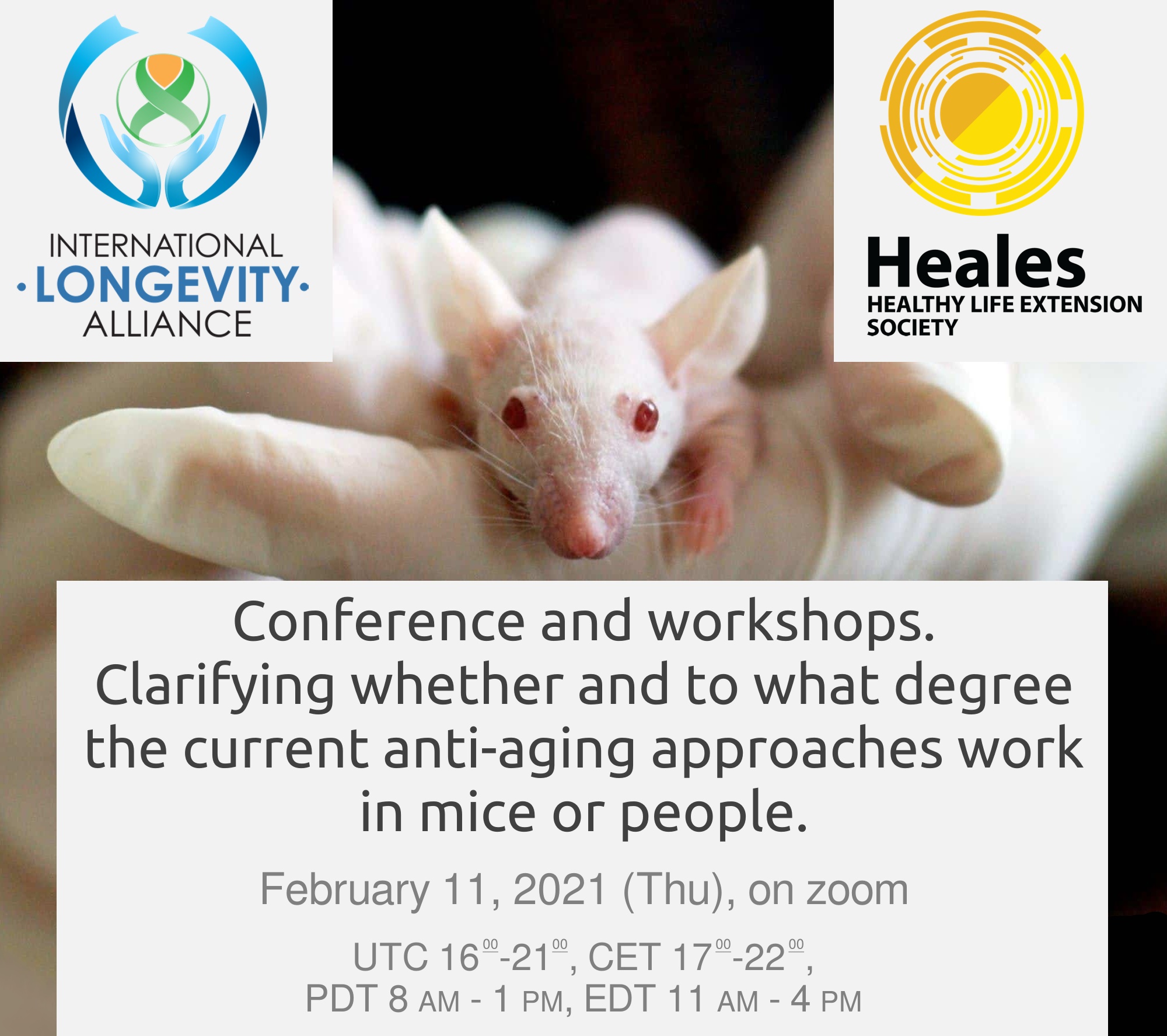
Conference and workshops. Clarifying whether and to what degree the current anti-aging approaches work in mice or people, online, February 11, 2021 https://www.longevityforall.org/conference-online-on-anti-aging-testing-11-february-2021/ . Conference statement 

We hope that these activities initiated and conducted by ILA and its experts, both as an organization for the advancement of science and a dedicated scientific organization, will advance the common social benefit of healthy longevity for all through scientific research. We thank you for your support!

ILA board


ILA yearly report 2020

ILA Logo - FINAL transparent - WhiteThe 2020 was a difficult year for many people and in many regards. Yet, if there is one lesson to be learned from this crisis that most strongly affected the older people, it is the realization of the need to therapeutically treat degenerative aging processes to prevent aging-related ill health as a whole, including both aging-related chronic degenerative non-communicable diseases and communicable infectious diseases for which the older persons are most vulnerable. This has been the mission of the International Longevity Alliance (ILA) and this year emphasized how important it is to advance this mission. 

This year the ILA continued to follow its mission and throughout the year promoted research and advocacy for aging amelioration and healthy longevity. 

Below is a list of some of the works and achievements of the ILA during the year. Thanks to all who were the involved and all who supported this vital mission!

(All ILA archived news)

–  In March 2020, the ILA, Open Longevity, and many other leading longevity organizations, activists and experts created a joint petition for data openness on COVID-19 and aging-related risk factors, which has been distributed and submitted to WHO officials.

http://chng.it/cLwkxSsP 

– Also in March, ILA members massively endorsed the joint petition to World Health Organization – “WHO must prioritise the needs of older people in its response to the covid-19 pandemic”. See: BMJ 2020; 368 doi: https://doi.org/10.1136/bmj.m1164

https://ifa.ngo/open-letter-to-who-signatures/

https://ifa.ngo/news/open-letter-requesting-action-from-the-who-regarding-covid-19-and-older-people/

–  This year, the mouse test with senolytic treatments started and proceeded in Leipzig University financed from the ILA-collected donations.

 – An article on classification of aging as a disease in the ICD-11 system “Aging Fits the Disease Criteria of the International Classification of Diseases” was published in the scientific journal Mechanisms of Aging and Development, following the inclusion of aging as a modifier of disease into the ICD-11 classification system mainly thanks to the ILA initiative. https://www.sciencedirect.com/science/article/abs/pii/S0047637420300257?via%3Dihub&

https://www.thelancet.com/journals/landia/article/PIIS2213-8587(18)30214-6/fulltext

 – A special research topic was included in the scientific journal Frontiers in Genetics, driven by ILA members and scientific advisors, concerning “Clinical evaluation criteria for aging and aging-related multimorbidity”

https://www.frontiersin.org/research-topics/14483/clinical-evaluation-criteria-for-aging-and-aging-related-multimorbidity

– A position paper “The Urgent Need for International Action for Anti-aging and Disease Prevention’ was published and promoted with the ILA participation

http://www.aginganddisease.org/article/2020/2152-5250/ad-11-1-212.shtml

– Another position paper with the ILA participation “Geroscience in the Age of COVID-19” advocated for the vital need to promote geroscience research, development and application for effectively tackling the COVID-19 crisis and possible future crises resulting from deteriorating health of older persons.

http://www.aginganddisease.org/article/0000/2152-5250/ad-0-0-0-2007060732-1.shtml  

2020 was a challenging year for many of the ILA federated members. Yet their activities were maintained.

– Thus, a reference site of the European Innovation Partnership for Active and Healthy Aging (EIP-AHA), aimed to promote distributed anti-aging tests, was developed in France, by the ILA France branch and federated member “Longévité et Santé”.

https://ec.europa.eu/eip/ageing/reference-sites_en

– The German longevity community of the ILA federated member “The Society for Healthy Aging and Prevention”, due to the pandemic, could not continue their regular activities (local meetings of activists, events in cooperation with fitness centers and retirement homes). However, they were successful in maintaining their non-profit status (important within the German tax system). They also created a new support group to help with repercussions of the Covid-19 pandemic (ExCoronaHilfe https://excoronahilfe.de/).   

– On May 16, in honor of the 175th anniversary of the founder of gerontology – Elie Metchnikoff, the ILA organized the international online conference “The 1st Metchnikoff’s Day Online Conference – Aging, Immunity and COVID-19”. The conference emphasized the importance of enhancing the immune system in older persons, the research topic that goes back to the foundations of gerontology.

– In June, the ILA federated member – the Slovenian Society for Vital Life Extension – organized an international conference on longevity research and advocacy, with the support of ILA and a strong participation of ILA members.

– In July, the ILA members and partners in Bulgaria, including the University of National and World Economy, Sofia, and Bulgarian Academic Simulation and Gaming Association, organized an international online conference with a special focus on longevity research, with the support of ILA and strong participation of ILA members.

– In October, following the tradition since 2013, the ILA organized the International Longevity Day / Longevity Month educational and advocacy campaign in support of longevity research. As physical meetings were difficult to organize this year, a series of online events and promotions took place, including media coverage, involving thousands of participants from around the world.

https://www.facebook.com/LongevityDay

– Among the events with the strongest impact was the Eurosymposium on Healthy Aging that took place online on October 1, and brought together leading international longevity researchers and over 150 participants, and created media coverage. The event was chiefly organized by Healthy Life Extension Society (HEALES) in cooperation with the ILA.

http://www.eha-heales.org/

– Following the conference on October 1st, the Eurosymposium on Healthy Ageing created and distributed a declaration on “Aging biomarkers and clinical tests”.

– As part of the Longevity Month campaign, the International Longevity Alliance organized the first of its kind prize Competition to support longevity activism, advocacy and raising public awareness about longevity research. 11 excellent contributions arrived from around the world – Russia, Germany, Spain, Pakistan, Nigeria, Morocco, India, Brazil, USA. With all the difficulty to select, the winners were announced, and additional commendations provided. Indeed, the aim of this competition was not to “select the best”, but to encourage more longevity activism. The ILA hopes this prize has contributed to this aim and we hope this tradition will continue.

https://www.longevityforall.org/longevity-activism-prize-winners-announced/

 – In October, the ILA federated member – Forbladi Association (Morocco) that joined the ILA this year, launched its project “Longevity Research Support”. It is hoped that this project will help significantly advance longevity research and advocacy in Africa and the Arabic-speaking community.

https://longevity.ma/

– In 2020, the ILA grew to include 23 non-profit associations from 20 countries as federated members.

If you represent a non-profit association from anywhere in the world, you are welcome to submit your application to join the ILA as a federated member, to expand the global support network for longevity research and advocacy. For this and other forms of cooperation, welcome to write to the ILA board: ila-lead@googlegroups.com

– With the technical difficulties experienced by the main ILA site http://www.longevityalliance.org/ by the end of 2020, currently, the ILA is working to develop its new website format, that will include enhanced features for outreach and community building, such as an interactive longevity activists map, a newsletter, auxiliary pages for local activists groups, and more. Currently, the site http://www.longevityforall.org/ serves as an auxiliary site of the ILA.

All the ILA activities show that longevity activism, even in this difficult period, is alive and actively working for its vital mission to build up public support for more longevity science, for a better, more healthy and resilient future for all of us. Hopefully, more longevity activism will be done in the future. And hopefully, more support, both human and other resources, will be given to longevity activism, to enable it to succeed in its mission. 

 ILA board


Conference Online on Anti-Aging Testing – 11 February 2021


February 11, 2021. Conference and workshops. Clarifying whether and to what degree the current anti-aging approaches work in mice or people.


Conference - ILA- HEALES - February 11

On the occasion of the next online conference to be held on Thursday, February 11, 2021, from 17:00 to 22:00 PM CET (8.00 AM to 1 PM PDT, 11.00 AM to 4 PM EDT),

we will invite renowned scientists to give an overview of effective anti-aging studies performed on mice or rats as well as the most recent tests performed on humans.

You can register here

The complete conference recording


Thursday, 11 February

17:00 – 17:15  Introduction Didier Coeurnelle, Ilia Stambler, Sven Bulterijs

1. Test on mice/ rats: good practices

17:15 – 17:30  Conboy Mike “Resetting Aged Blood to Restore Youth”

17:30 – 17:45 Vera Gorbunova  “ Promoting longevity by improving genome stability “

17:45 – 18:00  Rodolfo Goya  “ Aging and epigenetic rejuvenation”

18:00 – 18:15   Josh Mitteldorf  “interactions among interventions, and why we can’t just test them separately”.

18:15 – 18:25  Pause

2. Test on human: good practices

18:25 – 18:40   Nir Barzilai “TAME (Targeting Aging with Metformin)”

18:40 – 18:55  Harold Katcher “Breakthrough in age reversal with young blood plasma”

18:55 – 19:10  Greg Fahy “Reversal of epigenetic aging and immunosenescence trends in humans” Aging Cell

19:10 – 19:25 Hanadie Yousef (Juvena Therapeutics)  “Harnessing the regenerative secretome of human embryonic stem cells to rejuvenate aged tissues”

19:25 – 19:40  Liz Parrish “Gene therapy to reduce the effects of aging”

19:40 – 19:55 Justin Rebo (BioAge)

19:55 – 20:00 Martin Lipovšek “Slovenian Levine clock project”

20:00 – 20:10 Edouard Debonneuil “Of mice and men: from the Major Mouse Testing Program to the Major Human Testing Program”

20:10 – 20:20 Pause

3. From rats to humans and the other way around? Legal, scientific, technical, and political aspects. concerning Clinical tests

20:20 – 20:35 Mimicking experimentation on rats and humans thanks to A.I.?  Alexander Zhavoronkov, and /or Polina Mamoshina

20:35 – 20:50 . How to  accelerate. Political and legal aspects Didier Coeurnelle

20:50 – 21:05. Have the anti-aging interventions worked? Some lessons from the history of anti-aging experiments on animals and humans. Ilia Stambler

21:05 – 21:15 Pause

4. Discussion about the 3 themes in 3 groups. Goal: one page of thoughts and proposals for each group

21:15 – 22:00 Divided in 3 zoom spaces

Rats Chair Irina Conboy and Marion
Human tests Chair Aubrey de Grey
Political aspects Alexander and Didier

5. Conclusion and goodbye


The next day, Friday, February 12 (8 – 9.30 PM CET)
Finalization of the 3 texts of thoughts and proposals (discussion on line)

This temporary program is subject to change

The anniversary of the founder of gerontology – Elie Metchnikoff. Lessons from history and hope for the future

Metchnikoff Picture 1

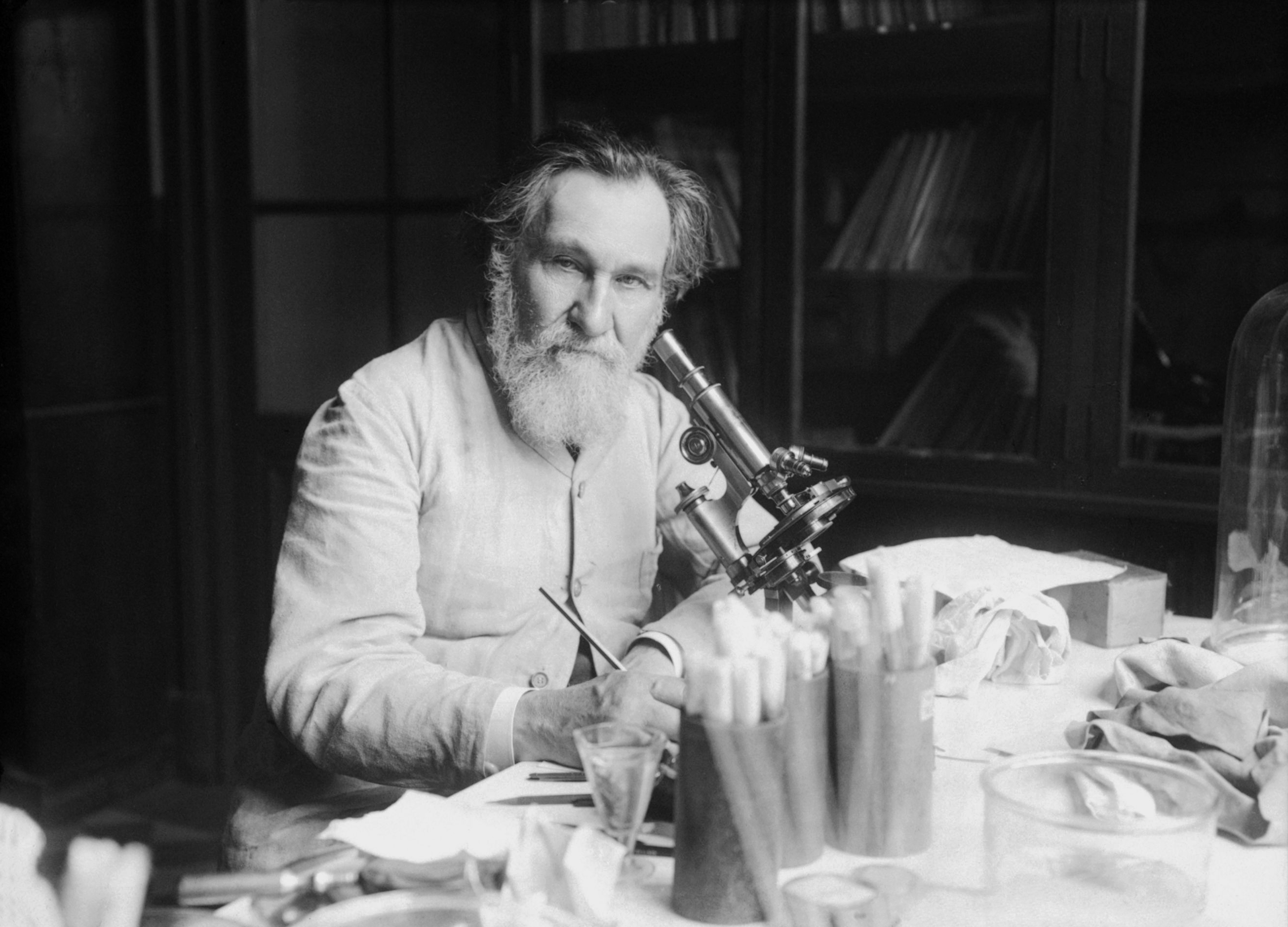
The recent years marked multiple anniversaries of the founder of gerontology, a foundational figure of modern immunology, aging and longevity science, and of modern medicine generally – Elie Metchnikoff (May 15, 1845 – July 15, 1916). On May 15, 2015, we celebrated the 170th anniversary of his birth, and on July 15, 2016, we marked 100 years since his death. The year 2018 marked 110 years since his Nobel Prize in Physiology or Medicine “in recognition of [the] work on immunity” (the Nobel Lecture was delivered on December 11, 1908). And May 15, 2020, we celebrated the 175th anniversary of his birth. The past decade could be truly declared “The Decade of Metchnikoff”! 

For the proponents of healthy longevity and advocates of aging research, Metchnikoff has a special significance. Metchnikoff is of course known as a pioneering immunologist and microbiologist, a vice director of the Pasteur Institute in Paris, and the Nobel Laureate in Physiology or Medicine of 1908 for the discovery of phagocytosis (a major contribution to the cellular theory of immunity). Yet, he may also be well credited as “the father” of gerontology – the disciplinary term he coined. Both the terms “gerontology” (“the study of aging”) and “thanatology” (“the study of death”) were coined by him in the Etudes On the Nature of Man, published in 1903, which may mark the beginning of these scientific fields.[1] Metchnikoff himself traced the beginning of publicity of his aging and longevity research to his presentation on April 22, 1901, at the Manchester Literary and Philosophical Society, where he “laid out a program of investigations aimed to unravel the problem of aging, the problem that had seemed almost intractable”.[2]

To the present day, his scientific reputation has remained high around the world. In fact, Metchnikoff can be considered a unifying cultural symbol for many nations.

Metchnikoff was either a direct originator or one of the primary researchers for a variety of key aging-ameliorating and life-extending methods, experiments and research programs that are still being followed today.[3] They include in fact the first truly scientific theory of aging and longevity, based on meticulous histological observations and on a model of dynamic behavior of living tissues, in particular showing the critical role of the immune system (phagocytes) and intoxication of intestinal microflora (microbiome) in degenerative aging processes. Metchnikoff also made a foundational contribution to the discussions of the evolutionary theory of aging, in particular regarding the possibility of “programmed aging.” Thanks to him, there began the development of many practical geroprotective means, including probiotic diets, systemic and adjuvant immunotherapy (serum therapy, in particular the use of cytotoxic sera for tissue stimulation), the study of replacement therapy and regenerative therapy.[4]

In view of the immense significance of degenerative aging processes for the emergence of virtually all diseases, both communicable and non-communicable, and in view of the accelerating development of potential means to intervene into and ameliorate these processes for the sake of achieving healthy longevity, Metchnikoff’s pioneering contribution to this field assumes an ever greater global significance. The world is rapidly aging, threatening grave consequences for the global society and economy, while the rapidly developing biomedical science and technology stand in the first line of defense against the potential threat. These two ever increasing forces bring gerontology, describing the challenges of aging while at the same time seeking means to address those challenges, to the central stage of the global scientific, technological and political discourse. At this time, it is necessary to honor Metchnikoff, who stood at the origin of gerontological discourse, not just as a scientific field, but as a social and intellectual movement.

There is a tradition to celebrate the anniversaries of great persons (scientists, artists, writers, politicians, generals) to promote the area of their activity and popularize their ideology. It may be hoped that honoring the anniversary of Metchnikoff can serve to promote and popularize the science and ideology of healthy life extension, including the state level. The “Metchnikoff Day” (held on the day of his birth – May 15) can provide an impulse for organizing topical meetings and conferences, a stimulus for research, and publications in the media, dedicated to Metchnikoff’s legacy and continuation of his life’s work – the study of aging and longevity. This may play a positive role not only for the advancement and popularization of research of aging and healthy longevity, but also for the promotion of optimism, peace and cooperation.

Indeed, in 2015, events in honor of the Metchnikoff Day were held in Ukraine, Russia, UK, Israel, Cyprus.[5]  In the year 2020, an international online conference was dedicated to Metchnikoff’s 175h anniversary, entitled “Aging, Immunity and COVID-19”.[6]  Unfortunately, the anniversary received little attention among the “main-stream” media and officials, virtually none in 2020. It has been mainly up to researchers and advocates for healthy longevity to create exemplary promotional events and publications in honor of the founder of their movement.

It may be hoped that, following these examples, more events and publications will be held around the world in honor of this day in the future. It is possible to dedicate additional special days to organize internationally coordinated actions and educational campaigns in support of longevity science. Thus, from 2013 through 2019, such actions were organized on or around October 1 – “The International Day of Older Persons” or “The International Longevity Day” with events and actions sometimes expanding through the entire month of October, in the framework of “the Longevity Month” campaign.[7] Yet, “Metchnikoff’s day” on May 15, can be one of the most unifying, uplifting and educational.

Thus thanks to Metchnikoff’s continuing inspiration and authority, the interest in aging and longevity research can be increased in all the walks and segments of society. And thanks to the increased interest and education, the research itself may intensify, producing an improved capacity to contribute to the achievement of healthy longevity for all.

Consider, for example, several statements by Metchnikoff that can inspire thought and action even now. As he stated in Etudes on the Nature of Man (1903, p. 201):[1]

“It has been long noted that aging is very similar to disease. Therefore it is not surprising that human beings feel a strong aversion to aging. … Undoubtedly, it is a mistake to consider aging as a physiological phenomenon. It makes as much sense to accept aging as a normal phenomenon, because everybody ages, as it makes sense to accept childbirth pain as normal, because only very few women are spared it. In both cases, we deal, of course, with pathological and not with purely physiological phenomena. Inasmuch as people endeavor to mitigate or eliminate the pains of a woman in labor, it is as natural to endeavor to eliminate the evils brought by aging. However, while during childbirth pains, it is enough to apply an anesthetic, aging is a chronic evil against which it is much more difficult to find a cure.”

And as he asserted in Forty Years in Search of a Rational Worldview (1914):[8]

“The second of Bergson’s questions “What are we doing in this world?” should be formulated differently: “What should we do in this world?” Our answer to this, presented in this work and elsewhere, can be stated as follows: “We should, by all means, strive that people, ourselves included, live their full life cycle in harmony of feeling and of mind, until reaching, in the ripest old age, a sense of saturation with life. The main misfortune on earth is that people do not live to that limit and die prematurely.” This statement is the basis of all moral actions… It is difficult to imagine that, in some more or less distant future, science will not accomplish this goal and will not solve the problem of the prolongation of human life to a desired limit, as well as rectify other disharmonies of the human nature.

Can there be a stronger call to thought and to action for the combat of degenerative aging and for the prolongation of healthy human life? Let us hope this call will continue to be heard and acted upon.[9]

The recent time further accentuated the importance and relevance of this call. The recent global crisis, with the world held in the grip of the COVID-19 mostly affecting the frail and elderly, showed with unprecedented clarity to vast masses people the importance of fighting against aging-related ill health and for the extension of healthy longevity, for the benefit of the individual and the entire society. Thus, this pandemic of aging-related ill health yet again stressed the importance of Metchnikoff’ legacy and the need to advance and practically implement gerontological science.

Metchnikoff’s anniversary provides yet another opportunity to reflect on the progress gerontologicial science has made since its inception by Metchnikoff about 120 years ago. Many observational and computational techniques, experimental models and theories of aging have been created. Yet it also gives us pause to think how little practical gerontological medical solutions have actually reached the general public to address the urgent challenges of the aging society. Now, 120 years since the start of the field, no verifiable medical means exist to extend either the lifespan or the healthspan in humans, neither the human lifespan nor  the relative healthspan are increasing, only a few biomedical interventions into aging are barely beginning to enter human trials (some of the most notable of them, such as metformin and rapamycin, have been known for many decades), there is no agreed clinically applicable definition of aging or aging-related ill health, nor agreed evidence based measures or evaluation criteria to assess the effectiveness of interventions against these conditions. The specific clinical requirements and regimens of the elderly are barely examined and addressed, even for traditional lifestyle interventions that have been known for centuries (such as diet, exercise and rest), and even those known interventions are often disregarded.

The urgent need to extend healthy longevity, the promise of emerging biomedical technologies, as well as the realization of the little practical solutions achieved so far, may give us all a triple motivation to advance and support gerontological research, to implement it in practice, so it could live up to its promise and necessity. Let us hope no more time will be lost, and urgent research and practical actions will be undertaken, so that we can celebrate Metchnikoff’s next anniversaries with verified extended healthy longevity for the entire global population.

References

[1] I.I. [Ilya Ilyich] Metchnikoff, Etudy o Prirode Cheloveka (Etudes On the Nature of Man), Izdatelstvo Academii Nauk SSSR (The USSR Academy of Sciences Press), Moscow, 1961 (1903). The first French edition, Elie Metchnikoff, Études sur la Nature Humaine, was published in Paris (Masson) in 1903. The Russian translation used here was done by Elie Metchnikoff and his wife Olga.

The book is also available in English: The Nature of Man: Studies in Optimistic Philosophy, translated by P.C. Mitchell, Putnam, NY, 1908 (1903), https://archive.org/details/prolongationofli00metciala.

Unless otherwise specified, all the excerpts quoted here are translated by Ilia Stambler.

[2]  Elie Metchnikoff, “Borba so Starcheskim Pererozhdeniem” (The struggle against the degeneration of senescence), in I.I. Metchnikoff. Sobranie Sochineniy (Collected Works), Eds. N.N. Anichkov and R.I. Belkin, The USSR Academy of Medical Sciences, Moscow, 1962, vol. XV, pp. 346-350.

[3] Ilia Stambler, “Elie Metchnikoff – the founder of longevity science and a founder of modern medicine: In honor of the 170th anniversary,” Advances in Gerontology, 28(2), 207-217, 2015 (Russian); 5(4), 201-208, 2015 (English). 

[4] Ilia Stambler, A History of Life-Extensionism in the Twentieth Century, Longevity History, 2014, http://www.longevityhistory.com/.

[5] Ilia Stambler, “The 170th anniversary of Elie Metchnikoff – the founder of gerontology, May 15, 2015,” Longevity for All, http://www.longevityforall.org/170th-anniversary-of-elie-metchnikoff-the-founder-of-gerontology-may-15-2015/http://hplusmagazine.com/2015/05/06/may-15-2015-170th-anniversary-of-elie-metchnikoff-the-founder-of-gerontology-an-opportunity-to-promote-aging-and-longevity-research/

[6] The 1st Metchnikoff’s Day Online Conference “Aging, Immunity and COVID-19” May 16, 2020. http://www.longevityalliance.org/?q=1st-metchnikoff-s-day-online-conference-aging-immunity-and-covid-19-may-16-2020 ;  http://www.longevityforall.org/metchnikoff-day-may-15-online-conference-may-16/

[7] Ilia Stambler, “Longevity Day and Longevity Month” Longevity History, 2019 http://www.longevityhistory.com/longevity-day-and-longevity-month/

[8] Elie Metchnikoff, Sorok Let Iskania Razionalnogo Mirovozzrenia (Forty Years in Search of a Rational Worldview), 1914, in I.I. Metchnikoff, Academicheskoe Sobranie Sochineniy (Elie Metchnikoff. Academic Collected Works, Ed. G.S. Vasezky), Academia Medizinskikh Nauk SSSR (The USSR Academy of Medical Sciences), Moscow, 1954, vol. 13, pp. 9-22.

[9] Ilia Stambler. Marking the 175th Years Anniversary of Elie Metchnikoff – The founder of gerontology and cell immunology – May 15, 2020. The lessons from history and hope for the future. Presentation.

Some of the events in honor of Metchnikoff’s 175th anniversary

The 1st Metchnikoff’s Day Online Conference “Aging, Immunity and COVID-19” May 16, 2020, an event by International Longevity Alliance. 

http://www.longevityforall.org/metchnikoff-day-may-15-online-conference-may-16/

https://longevityalliance.org/new/the-1st-metchnikoffs-day-online-conference-aging-immunity-and-covid-19-may-16-2020/

CONFERENCE RECORDING

https://youtu.be/oDqCYjT1pkA


https://www.facebook.com/Elie-Metchnikoff

Програмка_Опарин_обложка_Page1
Третій З’їзд істориків медицини України. 10-11 грудня. Харків. 2020 р.
У тому числі: ІЛЛЯ МЕЧНИКОВ – ЗАСНОВНИК ГЕРОНТОЛОГІЇ
Третий съезд историков медицины Украины. С международным участием (онлайн). Декабрь 10-11, 2020
Включая – Илья Мечников – основатель геронтологии
The third congress of the historians of medicine of Ukraine. Including international participation (online). December 10-11, 2020

 Including: Elie Metchnikoff – the founder of gerontology

Тезисы съезда – в специальном выпуске 14(2Б) журнала:

Восточноевропейский журнал внутренней и семейной медицины

СХІДНОЄВРОПЕЙСЬКИЙ ЖУРНАЛ ВНУТРІШНЬОЇ ТА СІМЕЙНОЇ МЕДИЦИНИ

Conference proceedings – in the Special Issue 14(2B), 2020 of the journal:

The East Europe Journal of Internal and Family Medicine.

In English 

Ilya Mechnikov — the founder of Gerontology.

In Ukrainian 

Ілля Мечников – засновник геронтології.

In Russian

Илья Мечников — основатель геронтологии.

The East Europe Journal of Internal and Family Medicine – 14-2b-2020

https://drive.google.com/file/d/1RMPFe3cmT5P3C6957qoyCvROAxwREOAu/view

Congress Program

Program 3rd congress of historians of medicine Ukraine

The Ukrainian national forum of immunologists, allergologists, microbiologists and specialists in internal medicine, in honor of the 175th anniversary of Elie Metchnikoff.
September 16-17. 2020. Kharkov (also on line)
Including: 175th anniversary of Elie Metchnikoff – the founder of Gerontology and Cell Immunology. Lessons of the Past – Hope for the Future.
ДРУГИЙ НАЦІОНАЛЬНИЙ ФОРУМ ІМУНОЛОГІВ, АЛЕРГОЛОГІВ, МІКРОБІОЛОГІВ ТА СПЕЦІАЛІСТІВ КЛІНІЧНОЇ МЕДИЦИНИ, ПРИСВЯЧЕНИЙ 175-РІЧЧЮ З ДНЯ НАРОДЖЕННЯ І.І. МЕЧНИКОВА» (за участю міжнародних спеціалістів – online)
У тому числі: 175 РОКІВ ВІД ДНЯ НАРОДЖЕННЯ І.І. МЕЧНИКОВА – ЗАСНОВНИКА ГЕРОНТОЛОГІЇ ТА КЛІТИННОЇ ІМУНОЛОГІЇ. УРОКИ МИНУЛОГО – НАДІЯ НА МАЙБУТНЄ.
Ілля Стамблер (Ізраїль). 17 вересня. 2020

 Четвертий З’їзд істориків медицини України. 3-4 листопада. Харків. 2021 р.

У тому числі: І. Стамблер. Розвиток біомедичної геронтології в Україні – історичний пріоритет.
Четвертый съезд историков медицины Украины. С международным участием (онлайн). Ноябрь 3-4, 2021
Включая: И. Стамблер. Развитие биомедицинской геронтологии в Украине – исторический приоритет
The third congress of the historians of medicine of Ukraine. With international participation (online). November 3-4, 2021
Including: I. Stambler. The development of biomedical gerontology in Ukraine – a historical priority
Stambler I. The development of biomedical gerontology in Ukraine – a historical priority. The East Europe Journal of Internal and Family Medicine, 17(2b), 35-40, https://dx.doi.org/10.15407/internalmed2021.02b.035

Hyperbaric oxygenation as a potential instrument for resuscitation and therapy of COVID-19 patients with cardio-respiratory dysfunction

The novel coronavirus disease 2019 (COVID-19) has grown to become a global public health emergency. Currently, no specific drugs or vaccines are available to cure the patients with COVID-19 infection. Hence, there is a large unmet need for a safe and effective treatment for COVID-19 infected patients, especially the severe cases. There are emerging several promising directions for therapy development.

Thus, good initial results were shown by the use of stem cells, in particular the intravenous transplantation of mesenchymal stem cells (MSCs) into severe COVID-19 patients [1]. The main cause of life-threatening conditions, disability and death in COVID-19 patients may derive from an excessive inflammatory response to the virus, leading to the major complications of cytokine storm in the lung, disrupting the balance of cytokines, followed by edema, dysfunction of the air exchange, acute respiratory distress syndrome (ARDS), acute cardiac injury and secondary infections, which may lead to death.  Treatments, like MSCs could inhibit the over-activation of the immune system and promote endogenous repair by improving the microenvironment, thus they could represent a safe and effective treatment for patients with COVID-19 pneumonia, especially for the patients in critically severe conditions.

Yet, there may be additional or complementary methods to potentially fight excessive inflammation and the resulting cardio-respiratory problems, such as ARDS.

One of the potential therapeutic approaches is Hyperbaric Oxygenation Therapy (HBOT). HBOT or high pressure oxygen delivery has been gaining an increasing recognition as a versatile therapeutic approach, including diverse severe and critical conditions [2].

The HBOT general protective effect on the organism may be due to its improving energy metabolism. In many ICU cases, with a multiple range of severe indications, HBO treatment improved the survival and prevented multiple-organ failure, including preventing damage of the lungs. HBOT demonstrated protective, even life-saving effects against the most severe cardio-respiratory complications, including Acute Respiratory Distress Syndrome (ARDS), leading to a normalization of the gas exchange in the lungs and pumping function of the heart, thus preventing lethality in the patients [2].

The cardio-respiratory complications are the main cause of suffering and death also in severe COVID-19 patients. Hence the application of HBOT may be suggested as an investigational treatment for these patients.

In COVID-19, the life-threatening complications are mostly due to an excessive inflammatory response. The HBTO mechanism of action may become beneficial for such patients, since HBOT has been commonly reported to produce anti-inflammatory effects, which have been implicated as one of its major therapeutic mechanisms, for both age-related chronic and acute conditions. The protective physiological function of HBOT may further involve improvement of myocardial contraction, endogenous production of lung surfactants and corticosteroids, and anti-microbial effects.

In certain acute cases, regular ventilation may be insufficient to supply enough oxygen for the vital function of severely ill patients. The inclusion of high pressure oxygen delivery by HBOT may facilitate a more rapid recovery of vital functions and save the patients. So far hyperbaric oxygenation remains one of the most effective clinical means of oxygen delivery to deep vital tissues, hence promising for the treatment of severe consequences of the cardio-respiratory impairment generally, and in severe or critical COVID-19 patients in particular.

To the best of our knowledge, an application of HBOT against COVID-19 has not yet been practically attempted. We suggest investigating this possibility, utilizing the best existing HBOT expertise, to maximize potential benefits while preventing adverse side effects.

It must be noted that the question about the efficacy of using HBOT against acute severe impairments of vital thoracic organs (such as ARDS and others) is still debated [2]. Apparently, a necessary condition to achieve effective therapy should be proper HBO dosing, which necessitates acquiring data on dose effects in each pathological state, with close multi-parametric real-time monitoring, while maintaining strict safety conditions, to minimize infection and prevent over-stimulation and oxygen toxicity. Therapeutic regimens need to be adjusted to age-specific responses in the elderly and multi-morbid patients as compared to the younger patients, whose therapeutic regimens and benefits may be different. Further regimen distinctions should be made for HBOT under acute conditions (emergency HBOT) vs. chronic conditions (maintenance HBOT) vs. preclinical conditions (preventive HBOT). The regimens, dosages, toxicities and risk factors under the different conditions will require investigation during the trial application.

Yet, we believe, that following the differential proof of concept investigation, hyperbaric oxygen therapy may become a life-saving resuscitation measure for COVID-19 patients, who have urgent oxygen requirements and high inflammatory response.


Gennady Rogatsky, MD, PhD. Faculty of Life Sciences. Bar Ilan University, Israel (emeritus).

Ilia Stambler, PhD. Shmuel Harofe Geriatric Medical Center, Israel


Selected sources 

[1] Zikuan Leng, Rongjia Zhu, Wei Hou, Yingmei Feng, Yanlei Yang, Qin Han, et al. (2020). Transplantation of ACE2- mesenchymal stem cells improves the outcome of patients with COVID-19 pneumonia. Aging and Disease, 11(2):216-228 http://www.aginganddisease.org/article/0000/2152-5250/ad-0-0-216.shtml

[2] Gennady G. Rogatsky and Ilia Stambler (2017). Hyperbaric oxygenation for resuscitation and therapy of elderly patients with cerebral and cardio-respiratory dysfunction. Frontiers in Bioscience, 9:230-243. https://www.bioscience.org/2017/v9s/af/484/fulltext.htm

Downlad the open letter as PDF

Hyperbaric Oxygen Therapy against COVID-19

See also

Rogatsky and Stambler – HBOT in Elderly – Frontiers in Bioscience 9, 230-243, 2017

In Russian

HBOT – Russian – 2017

Update 16 October 2020

The (initial encouraging) results of using Hyperbaric Oxygen Therapy against COVID-19 have been published. The HBO treatments were done in Moscow N.V. Sklifosovsky Research Institute for Emergency Medicine. The article entitled “The Safety of Hyperbaric Oxygen Therapy in the Treatment of Covid-19” was published in the Russian Sklifosovsky Journal of Emergency Medical Care (the article is in Russian, with an abstract in English).

https://cyberleninka.ru/article/n/bezopasnost-primeneniya-giperbaricheskoy-oksigenatsii-pri-lechenii-covid-19

According to the abstract: “We examined 32 patients with the diagnosis “Coronavirus infection caused by the virus SARS-CoV-2” (10 — moderately severe patients (CT 1–2), 22 — patients in serious condition (CT 3–4), who received course of hyperbaric oxygenation (HBO). … the patients showed an increase in blood oxygen saturation in patients in both surveyed groups, as well as positive dynamics in the form of a decrease in shortness of breath, an improvement in general well-being.”

According to the article “No patients in both groups under HBO treatment required transfer to artificial ventilation.”

https://www.rbc.ru/society/05/06/2020/5ed9d9519a7947f8f0c45ff4

https://www.youtube.com/watch?v=e0H6zPzfXNs&t=2112s

Update 11 August 2022. Another work by the same institute

HYPERBARIC OXYGENATION IN THE COMPLEX FOR LONG-COVID-INFECTION REHABILITATION MEASURES – THERAPIA 5 2022 RUSSIAN

And an Israeli work (July 2022)

https://www.gov.il/en/departments/news/tau-researchers-develop-treatment-for-long-term-covid-19-symptoms-20-jul-2022

https://www.nature.com/articles/s41598-022-15565-0

A new therapeutic approach against COVID-19 Pneumonia

COVID-19 MSCsBy Ilia Stambler, PhD

The novel coronavirus disease 2019 (COVID-19) has grown to become a global public health emergency. Currently, no specific drugs or vaccines are available to cure the patients with COVID-19 infection. Hence, there is a large unmet need for a safe and effective treatment for COVID-19 infected patients, especially the severe cases.  A new study offers a promising pathway for developing such a treatment.

The new approach involves intravenous transplantation of mesenchymal stem cells (MSCs) into the patients. It was successfully tested in 7 COVID-19 patients, in Beijing YouAn Hospital, Capital Medical University, China. The results are published in the scientific journal Aging and Disease, entitled “Transplantation of ACE2- Mesenchymal Stem Cells Improves the Outcome of Patients with COVID-19 Pneumonia”.

https://doi.org/10.14336/AD.2020.0228

The study was conducted by a team led by Dr. Robert Chunhua Zhao, with Shanghai University and Chinese Academy of Medical Sciences & Peking Union Medical College, China.

Moreover the study was reviewed by a scientific committee of the International Society on Aging and Disease (ISOAD) and the recently established UNESCO-affiliated committee on Anti-Aging and Disease Prevention http://www.aginganddisease.org/EN/10.14336/AD.2019.1230

Based on the 14 days observation, MSCs could cure or significantly improve the functional outcomes of all the seven tested patients without observed adverse effects, contrary to 3 controls. The pulmonary function and symptoms of these seven patients were significantly improved after MSC transplantation. Among them, one severe and two common patients recovered and were discharged in 10 days after the treatment. The improvement was particularly dramatic for an elderly (65 y.o.) male patient in severe critical condition. All of his primary and secondary outcomes improved: the inflammation status, the oxygen saturation, and the functional biochemical indicators returned to normal reference values in 2~4 days after the treatment.

The presented evidence suggests that the therapeutic effects are based on the immunomodulatory capacity of mesenchymal stem cells (restoring the balance of the immune system). The coronavirus infection can stimulate a terrible cytokine storm in the lung, disrupting the balance of cytokines (signaling molecules of the immune system) such as IL-2, IL-6, IL-7, GSCF, IP10, MCP1, MIP1A and TNFα cytokines, followed by the edema, dysfunction of the air exchange, acute respiratory distress syndrome, acute cardiac injury and the secondary infection, which may lead to death.  The bone-marrow derived MSCs could inhibit the over-activation of the immune system and promote endogenous repair by improving the microenvironment, thus they could represent a safe and effective treatment for patients with COVID-19 pneumonia, especially for the patients in critically severe conditions. A larger validation study is required and is already underway, yet the initial results are encouraging.

Notably, the coronavirus-infected pneumonia is more likely to affect older individuals, especially older males, with comorbidities, resulting in their severe and even fatal respiratory diseases such as acute respiratory distress syndrome. In other words, aging appears to be the main risk factor for bad outcomes. However, the cure essentially depends on the patient’s own immune system. When the overactivated immune system kills the virus, it produces a large number of inflammatory factors, leading to the severe cytokine storms. This suggests that the main reason for the organs damage may be the virus-induced cytokine storm. Older subjects may be much easier to be affected due to immunosenescence. The study showed remarkable recovery of the elderly patients thanks to restoring their immune function.

Thus, the study may have a broader significance, even beyond the treatment of the severe coronavirus disease. This study exemplifies that the general therapeutic improvement of the immune system in the elderly can improve outcome and survival, which may have more general relevance for other aging-related communicable diseases. Thus, this study may inspire and pave the way for further promising directions to investigate the connection between aging and disease, and to treat both communicable and non-communicable aging-related diseases.

The Romanian journalist Laura Ștefănuț spoke with Dr. Ilia Stambler about the broader implications of this research. Ilia Stambler is a co-author in this study who was involved in the study review, interpretation and discussion. He serves as the Outreach Coordinator of the International Society on Aging and Disease (ISOAD) and Director of Research and Development at Shmuel Harofe Geriatric Medical Center in Israel.

Q: How does it feel to be part of the team which discovered a groundbreaking treatment for what is currently considered one of the biggest global challenges?

A: I feel very honored to be included in this extended international team. I hope this team continues its work that will also involve additional collaborations.

Q: As a researcher, what did you find most interesting about this novel coronavirus? What seems most threatening about this new virus?

A: The spreading ability of this virus is relatively high and it has the capacity to affect the entire global population. This is what makes this virus a particularly strong concern for global public health. The social effects of this epidemic are also of great importance. In a sense, this virus is testing the strength of our public health systems. Will the immunity of our public healthcare be strong enough to contain it? I hope it is.

Q: Did the discovery of this groundbreaking new therapeutic approach make you more optimistic (when it comes to containing and limiting the damage of Covid-19)? In which sense (where was your optimism before the discovery)?

A: I was optimistic before, as I believe that, same as for many infectious diseases in the past, also for this disease, effective therapeutic and preventive measures will be found and used. This work further increased my optimism. Of course, this is an initial study, and this is only one of the potential means in the therapeutic, preventive and hygienic arsenal. More research and confirmation will be needed. Yet, even at this stage, the clear positive result of this study shows that it is indeed possible to improve the outcomes for COVID-19 patients even in severe conditions. Moreover, it gives more hope that effective treatments can be sought and found also for other aging-related infectious diseases and conditions.

Q: Is there an explanation regarding the reasons why Covid-19 seems to “pardon” children and affects the most elder individuals, especially men?

A: There is yet no clear or fully agreed explanation. But a plausible cause may be due to the so called “immuno-senescence” phenomenon, or the inability of the aging immune system to cope with new threats and restore the immune balance following the infection. In men the immuno-senescence effects are often more strongly present than in women. Thus, aging appears to be the main risk factor for this disease and if we really wish to defeat this epidemic, we need to address this main risk factor, in other words, we need to therapeutically intervene and ameliorate the degenerative aging process. The proposed mesenchymal stem cell therapy shows the so-called “immuno-modulation” effects or the ability to generally improve the immune system, help restore the immune balance after disturbances, especially for the elderly. And this can be the more general explanation for its effects against the aging-related COVID-19 pneumonia, as well as potentially other aging-related diseases.

Q: How did you manage to find so fast a treatment that is responding so well?

A: The mesenchymal stem cell treatment has been researched and developed by Dr. Zhao and his team for many years, and indicated positive effects for multiple health conditions. It is exactly because of the common and critical role of the immune system impairment in all these conditions, that the treatment developed by Dr. Zhao’s team was already in place and could be immediately used also for this condition dependent on the immune function. Moreover, the success of this therapy against COVID-19 can further boost the research and therapy of other immunity-dependent health conditions and diseases, especially aging-related diseases, due to the common mechanisms of action.

Q: How may this discovery change the game?

A: Unlike other public health measures, like quarantine and hygiene, that can be very quickly applied, the research, development, regulatory approval and application of new therapies is a much slower process. So we should first of all apply the public health measures to contain the epidemic. But the hope is that this therapy will undergo further research and validation as soon as possible, and in case of validated efficacy and safety, will be used in as many patients who need it as possible, as soon as possible. That is exactly why we need to accelerate the research, development and application of promising new therapies. When the new therapy enters wide clinical practice, there are grounds to believe it can improve the health and even save the lives of many patients, not only suffering from COVID-19, but also other conditions.

Q: Which was the response/reaction of authorities after you published the results of your research?

A: The outreach to the authorities in several countries has only started. Moreover, the study is only initial and it is too early to make policy recommendations. A larger validation study is required. Yet, if there is even a slight possibility this could become a life-saving therapy for COVID-19 patients and others, this opportunity should not be missed by the decision makers.

Q: Some treatments are more expensive than others. Will the treatment you discovered be accessible to people, or the cost for producing it will limit its accessibility? 

A: The cells for this treatment can be mass produced and can be rather affordable. Of course, the actual price will depend both on the scale of production and pricing policies. And this is already a question that goes beyond pure technology, but becomes a question about the social means to make new therapies available to all. This should also be a crucial part of the public discussion about the social need to promote the rapid research and development as well as broad application of new therapies that are proven to be safe and effective.

Q: Which are the best measures a country can take to limit the spread and the consequences of the novel coronavirus?

The usual quarantine and public hygiene measures are the most feasible and effective: minimization of large gatherings, minimization of travel, cleanliness. We should hope and work for new effective therapies to arrive as soon as possible. But so far public health measures are the most effective and feasible.

International Perspectives on Geroscience meetings 2019

geroscience 1

Source: US Nathan Shock Centers of Excellence in the Basic Biology of Aging

https://nathanshockcenters.org/international-perspectives-on-geroscience-meetings

(Details on attendance and registration, and the programs will be published soon.)

It is clear that the field of geroscience is poised to become an important area of focus in biomedicine in the future. But there is considerable work to be done in order to bring the field forward, bridging the gap and increase our understanding of the molecular and cellular underpinnings of aging that make it the main risk factor for disease and disability.

In 2019, a series of international meetings, with support from the Nathan Shock Centers Coordinating Center, will aim to increase and enhance our understanding of geroscience concepts, and to encourage researchers around the globe to integrate these concepts into their research endeavors, in order to accelerate the development of both prevention and intervention strategies.

When and Where?*

• China: May 24-25

• West Coast of the US: May 29-30 in San Francisco

• Australia: Aug 26-28 in Sydney

• Israel: Sept 4-5 in Weizmann Institute of Science, Rehovot

http://www.longevityisrael.org/international-perspectives-on-geroscience-israel-4-5-september-2019/

• Europe: Sept 13-14 in Madrid, Spain

• Singapore: Sept 25-26

• Chile: November 18-21

*Dates subject to change.

What to expect?

Each conference will be 1.5 day in length. Conference sessions will combine basic, translational, and clinical researchers and will feature a unique format of short, focused talks (think TED talks) centered on critical open research questions, along with interactive panel discussions. Presentations will be followed by moderated discussions.

These conferences will foster the cross-pollination of concepts and approaches, introduce researchers working on common problems who may otherwise have never met, and initiate research collaborations between researchers at differing center programs.

How to attend?

For regular updates, subscribe to the Nathan Shock Centers newsletter here, follow @nathanshockctrs on Twitter and NathanShockCenters on Facebook, and check this website.

For more information, please email contact@nathanshockcenters.org.

The 3rd International Conference on Aging and Disease (2018 ICAD) – Nice, France – October 5-7, 2018

logo-isoadThe 3rd International Conference on Aging and Disease (2018 ICAD) of the International Society on Aging and Disease (ISOAD) will be held at Le Saint Paul Hôtel, Nice, France, on October 5-7, 2018.

The conference is organized by the International Society on Aging and Disease (ISOADwww.isoad.org), and the Institute for Research on Cancer and Aging, Nice (IRCAN), France, and co-organized by Xuan Wu Hospital, Capital Medical University, and the first affiliated Hospital, Wenzhou Medical University, China, and the Institute for Healthy Aging, University of North Texas Health Science Center at Fort Worth, Texas, USA, and sponsored by Qingdao Co-orient Watson Biotechnology Group Co. Ltd.

The confirmed speakers include many international distinguished researchers in the fields of aging and aging-related diseases http://www.isoad.org/Data/List/Conference.

The purpose of the conference is to create a forum for basic researchers and physicians to discuss current challenges in aging and aging-related disease. We believe that this conference will provide a platform that will help to fill the current gap between studies of the basic biology of aging and of aging-related disease.

All information regarding the conference, including the conference site, speakers etc., can be found at www.isoad.org

The first ICAD was held in Beijing in 2014, and the second ICAD was held at Stanford University,California, USA.  Both conferences were greatly successful. The forthcoming ICAD conference inNice, France is anticipated to be no less impactful both for the advancement of science and public support of biomedical research for aging and aging-related diseases, towards the achievement of healthy longevity.

The Conference deliberations will be on the following topics:

Session 1: Longevity Interventions

Session 2: Stem Cells, Aging and Disease

Session 3: Aging, Metabolism and Disease

Session 4: Aging, Stroke and Cardiovascular Disease

Session 5: Age-Related Neurodegenerative Disease

Session 6: Genetics, Aging and Disease

Session 7: System Aging and Disease

Session 8: Aging, Immunity and Translation

Session 9: Aging, Protein Oxidation and Disease

Session 10: DNA Damage and Disease

Session 11: Public Support for Aging Research


You are encouraged to submit the abstract (www.isoad.org) as early as possible.

We hope to see you at ICAD 2018 in Nice, France, on October 5-7, 2018! (On October 8, an optional tour and networking for the conference participants will be held.)

Thank you for forwarding this announcement to colleagues!

Should you have any questions, please feel free to contact the Organizing Committee via e-mail:isoad@isoad.org

On behalf of the ICAD 2018 Conference Organizing Committee

Ilia Stambler, PhD. ISOAD Outreach Coordinator

www.isoad.org

https://www.nature.com/natureevents/science/events/70543-The_3rd_International_Conference_on_Aging_and_Disease_2018_ICAD_Nice_France_October_5_7_2018

https://www.facebook.com/International-Society-on-Aging-and-Disease-ISOAD-763771300337299/


3rd International Conference on Personalized Medicine and Global Health. Astana, Kazakhstan, September 15, 2017

Conference Astana 23rd INTERNATIONAL CONFERENCE ON PERSONALIZED MEDICINE & GLOBAL HEALTH
Theme: Paving the way of Personalized medicine in Kazakhstan in the era of innovative technologies

September 15, 2017
Astana, Kazakhstan

https://nu.edu.kz/news/3rd-international-conference-personalized-medicine-global-health-september-14-15-2017

III Международная научная конференция «Персонализированная медицина и глобальное здоровье» 15 сентября 2017 г. Астана, Казахстан.

https://nu.edu.kz/ru/news-ru/iii-mezhdunarodnaya-nauchnaya-konferentsiya-personalizirovannaya-meditsina-globalnoe-zdorove-14-15-sentyabrya-2017-g

Astana – Personalized Medicine – Conference Programme 2017_September 15

Pathways to Healthy Longevity 2017 – October 15, Bar Ilan University – program

 Bar lan Life SciencesMinistry of ScienceLogo - ISLA GROUP PHOTO


afar2


logo

Longecity logo 2Logo - Old VETEKPathways to Healthy Longevity 2017 – October 15

Bar Ilan University. Nanotechnology Building (Bldg 206). Part of “Longevity month” campaign

Program:

9.00 – Opening

9.00-10.50 – Slowing down the aging process

9.00-9.30 – Prof. Nir Barzilai. Albert Einstein College of Medicine, NY – How to die young at a very old age. KEYNOTE

9.30-9.50 – Prof. Haim Cohen. Bar Ilan University – Regulation of lifespan by differential utilization of energy sources

9.50-10.10 – Prof. Sivan Korenblit. Bar Ilan University – Maintaining a healthy proteome in the old – lessons from long-lived animals

10.10-10.30 – Prof. Yosef Gruenbaum. Hebrew University of Jerusalem – A novel link between aging and metabolism

10.30-10.50 – Prof. Michal Schwartz. Weizmann Institute of Science – Boosting immunity to combat age-related dementia and Alzheimer’s disease

10.50-11.00 – Break

11.00-11.30. Advancing Biomedical Research of Aging as a National Task (Discussion Panel)

Mrs. Tali Ploskov – Chairman of the Knesset Committee for the Advancement of Older Persons

Prof. Nir Barzilai – Deputy Scientific Director of the American Federation for Aging Research. Institute for Aging Research at the Albert Einstein College of Medicine, New York

Prof. Haim Cohen – Chairman of the Scientific Advisory Board of Vetek (Seniority) Association – the Senior Citizens Movement. Faculty of Life Sciences, Bar Ilan University.

Mr. Rafi Eitan – Chairman of Vetek (Seniority) Association – the Senior Citizens Movement.

Dr. Ilia Stambler – Chairman of Israeli Longevity Alliance

11.30-13.00. LUNCH. NETWORKING

POSTER SESSION

13.00-14.20 – Preventing Aging-related Damage

13.00-13.20 – Dr. Valery Krizhanovsky. Weizmann Institute of Science – The role of senescent cells in aging and age-related diseases

13.20-13.40 – Prof. Dan Peer. Tel Aviv University – Precision Medicine in Aging

13.40-14.00 – Dr. Anat Ben-Zvi. Ben Gurion University – Protein homeostasis collapse: when does aging begin?

14.00-14.20 – Prof. Ehud Cohen – Hebrew University of Jerusalem – The lipid connection: new roles for caveolae in the orchestration of aging across the organism

14.20-14.40 – Break

14.40-15.40 – Measures of Healthy Longevity

14.40-15.00 – Prof. Gil Atzmon. Haifa University – What role does the environment play in longevity? Epigenetic approach

15.00-15.20 – Dr. Ilia Stambler. Bar Ilan University – Diagnosis of aging = Early detection of aging-related diseases

15.20-15.40 – Dr. Daphna Laifenfeld. “TEVA” Personalized & Predictive Medicine – Personalized medicine for neurodegenerative diseases

15.40-16.00 – Break

16.00-17.00 – Award of 5 prizes to research students in biology of aging, healthy longevity and quality of life. The awardees’ presentations – 10 minutes each.

The prizes will be awarded by Chairman of Medton Ltd. Mr. Ytzhak Davidovich.

16.00-16.10 – Noa Roitenberg – Modulation of Caveolae by Insulin/IGF-1 signaling Regulates Aging of Caenorhabditis elegans (C. elegans) – Hebrew University of Jerusalem (Prof. Ehud Cohen’s lab)

16.10-16.20 – Ziv Zeev Zwighaft – Clock control by polyamine levels through a mechanism that declines with age – Weizmann Institute of Science (Prof. Gad Asher’s lab)

16.20-16.30 – Asael Roichman – Uncovering the effects of sirtuins overexpression on lifespan regulation – Bar Ilan University (Prof. Haim Cohen’s lab)

16.30-16.40 – Ronit Shapira – Hyperbaric Oxygen Therapy Ameliorates the Pathophysiology of Alzheimer’s Disease Mouse Models – Tel Aviv University (Prof. Uri Ashery’s lab)

16.40-16.50 – Tomer Illouz – Assessing the Efficacy of a DNA Vaccine Against Amyloid-β in a Down Syndrome Mouse Model – Bar Ilan University (Dr. Eitan Okun’s lab)

16.50-17.00 – Closing remarks

17.00 – End

ISRAELILONGEVITY@gmail.com

http://www.longevityisrael.org/

Entrance is free, but registration is requested:

Registration

Conference Program Final

Pathways to Healthy Longevity – Bar Ilan University – October 15 – Final Program

Conference Poster Announcement

Pathways to Healthy Longevity – Bar Ilan University – October 15 – Announcement

Conference Program PDF (as of August 29)

Pathways to Healthy Longevity – Program – Bar-Ilan – 15 October 2017

Details on the Call for Israeli research students prizes (for MA and PhD students) in biology of aging, healthy longevity and quality of life

http://www.longevityisrael.org/conference.html

http://www.longevityforall.org/pathways-to-healthy-longevity-bar-ilan-university-15-october-2017/


Pathways to Healthy Longevity – Bar Ilan University – 15 October 2017

Bar lan Life SciencesMinistry of Science


Logo - ISLA GROUP PHOTO


afar2

logo


 קול קורא לפרסי הצטיינות לתלמידי מחקר החוקרים ביולוגיה של ההזדקנות, אריכות ואיכות החיים

לקראת הכנס – “דרכים לאריכות חיים בריאים 2017″ – 15 לאוקטובר, אוניברסיטת בר-אילן (בנין 206)

בשל הזדקנות אוכלוסיית העולם, ואוכלוסיית ישראל בפרט, והעלייה הנובעת מכך בנטל הכלכלי ובמחלות הלא-מידבקות הקשורות להזדקנות, יש צורך דחוף לקדם את חקר ההזדקנות והמחלות הקשורות להזדקנות כאמצעי לשיפור תוחלת החיים הבריאים עבור האוכלוסייה המבוגרת.

על מנת לעודד מצוינות בקרב חוקרים צעירים בנושא הביולוגיה של הזדקנות, אריכות ואיכות החיים, מוצעים 5 פרסי הצטיינות לתלמידי מחקר (מסטרנטים ודוקטורנטים) העוסקים בתחום. יחולקו 5 פרסי הצטיינות לתלמידי מחקר על סך 2000 ₪ כל אחד.

הפרס יוענק לזוכים בכנס “דרכים לאריכות חיים בריאים 2017” שיתקיים באוניברסיטת בר-אילן באולם הננו-טכנולוגיה (בנין 206) ב-15 לאוקטובר 2017.

הכנס ייערך במסגרת “חודש האזרח הוותיק”. מדענים מובילים רבים מתחום חקר ההזדקנות בארץ אישרו את השתתפותם (להלן תוכנית הכנס). הכנס ישלב חלק מדעי מקצועי ודיון על חשיבות קידום המחקר הביו-רפואי של ההזדקנות כמשימה לאומית. הכניסה חופשית, אך יש להירשם מראש.

להרשמה

הגדרות לתקציר:

על המועמדים להגיש בקשה שתכלול את קורות החיים ותקציר עבודתם.

התקציר יכלול את תתי-הסעיפים הבאים:

– הרקע לעבודה המתבצעת על ידי תלמיד המחקר

– תאור תמציתי של שיטות המחקר

– תמצית תוצאות המחקר הנוכחיות והפרלימינריות

– דיון קצר המתייחס לשאלה כיצד המחקר הנוכחי עשוי בעיקרון לתרום בעתיד לשיפור אריכות ואיכות החיים.

התקציר לא יעלה על עמוד אחד (רווח בודד, לא כולל מראי מקומות ותמונות)

 יש להגיש את הבקשות עד וכולל ה-1 בספטמבר 2017. ניתן להגיש את הבקשות בעברית או באנגלית.

 תקצירים מצטיינים יבחרו להרצאה או להצגה כפוסטר במסגרת הכינוס.

מארגני הכנס:

אוניברסיטת בר-אילן

חברת “מדטון”

עמותת ותק – תנועת האזרחים הותיקים (ע”ר)

העמותה הישראלית להארכת חיים (ע”ר)

American Federation for Aging Research – AFAR

נותן החסות לפרס – חברת “מדטון”

 —

יש לשלוח את בקשות המועמדות לפרס, או תקציר, כמו כן כל שאלה או הצעה אודות הכנס לוועדה המארגנת:

פרופ’ חיים כהן, פרופ’ סיון קורנבליט, דר’ איליה סטמבלר

ISRAELILONGEVITY@gmail.com

http://www.longevityisrael.org/

http://www.longevityforall.org/pathways-to-healthy-longevity-bar-ilan-university-15-october-2017/

נודה על הפצת קול קורא זה

ניתן להוריד את קול הקורא בקישור להלן (אוגוסט 1):

Call for Students Prize – Preliminary Conference Program – Pathways to Healthy Longevity – Bar-Ilan – 15 October 2017

עדכון תוכנית (אוגוסט 10)

Call for Students Prize – Preliminary Conference Program – Pathways to Healthy Longevity – Bar-Ilan – 15 October 2017

עדכון תוכנית (אוגוסט 29)

Pathways to Healthy Longevity – Program – Bar-Ilan – 15 October 2017

——

דרכים לאריכות חיים בריאים 2017 – 15 לאוקטובר

תוכנית

אוניברסיטת בר-אילן, אולם הננו-טכנולוגיה (בנין 206)

9.00 – פתיחה

9.00-10.50 – האטת תהליך ההזדקנות

9.00-9.30 – פרופ’ ניר ברזילי. אוניברסיטת אלברט איינשטיין. ניו יורק. How to die young at a very old age. KEYNOTE

9.30-9.50– פרופ’ חיים כהן – אוניברסיטת בר-אילן. Regulation of lifespan by differential utilization of energy sources

9.50-10.10– פרופ’ סיוון קורנבליט – אוניברסיטת בר-אילן. Maintaining a healthy proteome in the old – lessons from long-lived animals

10.10-10.30 – פרופ’ יוסי גרינבאום – האוניברסיטה העברית. A novel link between aging and metabolism

10.30-10.50 – פרופ’ מיכל שוורץ – מכון ויצמן. Boosting immunity to combat age-related dementia and Alzheimer’s disease

 10.50-11.00 – הפסקה

11.00-11.30 – קידום מחקר ביו-רפואי של ההזדקנות כמשימה לאומית (פאנל דיון)

11.30-13.00 ארוחת צהרים. NETWORKING

POSTER SESSION

13.00-14.20מניעת נזקי ההזדקנות

13.00-13.20 – דר’ ולרי קריז’נובסקי – מכון ויצמן.  The role of senescent cells in aging and age-related diseases

13.20-13.40 – פרופ’ דן פאר – אוניברסיטת תל אביב. Precision Medicine in Aging

13.40-14.00 – דר’ ענת בן צבי – אוניברסיטת בן גוריון ? Protein homeostasis collapse: when does aging begin
14.00-14.20– פרופ’ אהוד כהן – האוניברסטיה העברית. The lipid connection: new roles for caveolae in the orchestration of aging across the organism

14.20-14.40 – הפסקה

14.40-15.40 – מדדים לאריכות חיים בריאים

14.40-15.00 – פרופ’ גיל עצמון – אוניברסיטת חיפה. What role does the environment play in longevity? Epigenetic approach

15.00-15.20- דר’ איליה סטמבלר – אוניברסיטת בר-אילן. Diagnosis of aging = Early detection of aging-related diseases

15.20-15.40- דר’ דפנה לייפנפלד – Personalized medicine for neurodegenerative diseases

15.40-16.00 – הפסקה

16.00-17.00 – הענקת פרס ל-5 דוקטורנטים, הרצאותיהם – של 10-15 דקות כל אחד. דברי סיום

 17.00 – סיום

Methodological Problems of Diagnosing and Treating Degenerative Aging as a Medical Condition to Extend Healthy Lifespan

balanceBy Ilia Stambler


The need for an integrated approach to healthy lifespan extension

The task of extending the healthy lifespan for the population is urgent for the well being of the society. Due to the increasing aging in the developed countries, the prevalence of chronic non-communicable diseases and disabilities, such as cancer, ischemic heart disease, stroke, type 2 diabetes, Alzheimer’s disease, etc. – rises steeply.[1] Thus, while 66% of deaths in the world occur from chronic age-related diseases, in the developed countries, this proportion reaches 90%, dramatically elevating the costs for healthcare and human suffering.[2] Hence, it can be stated that the task of extending the healthy lifespan for the population is one of the most important healthcare, economic and humanitarian tasks.

In addition to the currently available lifestyle approaches (such as moderate exercise, moderate and balanced nutrition, and sufficient rest and sleep), the search for additional novel biomedical means and technologies for healthy lifespan extension is warranted. Moreover, insofar as the deteriorative aging process either precipitates or lies at the root of chronic age-related diseases, the search for novel means and technologies for healthy lifespan extension necessitates the maximal possible amelioration of the degenerative aging process. Such amelioration of the aging process should lead to better health and quality of life for the elderly.[3] The possibility of therapeutic intervention into degenerative aging and the consequent significant healthy lifespan extension has been proven on both theoretical-biological grounds and experimental grounds in a variety of animal models. In particular, the ability of cell-based regenerative medicine, gene therapy, pharmacological therapy and nanomedicine to affect basic aging processes and extend healthy lifespan in animal models has been demonstrated, and even some encouraging preliminary results have been achieved in human experiments.[4] This possibility has also been conclusively proven by the existence of a large and continuously growing long-lived population, including centenarians and super-centenarians, that exhibit not only a high longevity potential, but also a reduced rate of age related diseases compared to the general population.[5]

Yet the pathway toward human healthy lifespan extension remains unclear and requires thorough elaboration, concerning many scientific problems that need to be clarified and technologies that need to be developed. There is a tremendous variety of studies and approaches toward healthy lifespan extension, and roadmaps indicating priority directions.[6] Perhaps the most critical drawback in this variety is the lack of integration of the different approaches. The existing approaches often present lists of potential research directions, rather than coherent and coordinated entities. Hence the integration of the various approaches, shortening the pathways between the various disciplines, could be highly valuable for the fundamental and comprehensive understanding of aging and longevity, as well as for the further translation of this knowledge to practical integrative medical applications. Several important “gaps” may yet need to be “bridged” in the current variety of approaches to healthy lifespan extension.

Longevity factors assessment and manipulation: Bridging the gap between “environmentalist” and “internalist” approaches

One of the main disparities in the current variety of approaches to healthy lifespan extension seems to be the perceived opposition between “external” or “environmental” factors for healthy lifespan extension, and “internal” or “genetically determined” factors. On the one hand, it is often assumed that environmental and lifestyle factors alone are sufficient to affect healthy lifespan, disregarding genetic composition, the inner structure and function of the body. On the other, there is a “genetic” or “biological deterministic” approach that assumes the strict genetic determination of the lifespan from birth that virtually cannot be influenced by environmental factors. There is a clear need to bridge this gap through the study of physiological, in particular metabolic, neuro-hormonal and epigenetic influences on the lifespan, which recognizes the vital regulatory role of the environment on gene expression and internal physiological function.

There are decisive practical implications from this gap, often producing conflicting therapeutic approaches, sometimes leading to struggle in terms of R&D priorities and funding. Thus, there is often a lack of connection between biotechnologies and biomedical technologies, on the one hand, and the so the called information and communication technologies (ICT) or assistive technologies for healthy aging, on the other. While biomedical approaches consider almost exclusively the “inside” of the aging organism, often disregarding the “outside” environmental influences, the ICT and other assistive geronto-technological applications often disregard the “inside” of the body. The study of physiological, in particular neuro-humoral, regulation and homeostasis in response to changing environment can help build a bridge between those domains. The study of epigenetics (changes of gene function without changes in DNA sequence) can provide another link, due to the fact that the epigenetic signature of healthy functional longevity can be achieved not just by means of internal medicine, such as regenerative cell therapy and geroprotective small molecules, but in no lesser measure by changes of mental attitude, diet, exercise, the level of social involvement that can be induced not so much through biomedical therapies, as by external coaching and game-like ICT health applications, training the elderly subjects and prompting them to adopt a healthier life-style. The epigenetic mechanisms could provide the “internal/biological” basis for “external/environmental” interventions.[7]

“Multi-omics” and “frailty”: bridging the gap between molecular-biological, energy-metabolic and functional-behavioral evaluation and intervention

Within the general need for integration, it may be particularly important to bring together the domains of the so-called “multi-omics analysis” and “frailty evaluation.”

There has been an increasing discussion in the biotechnological and biomedical community about the need for “multi-omics” analysis.[8] This implies a combined analysis of information about the human organism, aimed to diagnose, and if possible predict its condition, and analyze, and if possible predict the efficacy of specific types of treatment. The aim is to collect the information in a systemic way from different levels of biological organization (or “omes”), including: genome – genetic information, as presented by DNA sequence; epigenome – the epigenetic markers of gene regulation; transcriptome – the collection of messenger RNA participating in the transcription of genetic information into proteins; proteome – information on the proteins present in the organism, or in specific cells or tissues; metabolome – information on products of the organism’s metabolism (metabolites), physiome – information on the physiological, such as energetic or respiratory parameters of the organism, and other types of biomarkers. It is hoped that the information from the various levels (“omes”) is correlated with each other and with the clinical history (anamnesis) and therapeutic regimen to provide systemic, precise, predictive, preventive, personalized and participatory diagnosis and therapy.

On the other hand, the most common concept in geriatric evaluation and therapy is old-age “frailty” – a “geriatric syndrome” used to assess the health state of the elderly, alongside age-related diseases and other geriatric “syndromes” such as delirium, incontinence and falls. In the basic sense, frailty is not an evaluation of a defined present state, but an evaluation of a risk of future adverse events. Thus, according to the classical definition, “Frail individuals are perceived to constitute those older adults at highest risk for a number of adverse health outcomes, including dependency, institutionalization, falls, injuries, acute illness, hospitalization, slow or blocked recovery from illness and mortality.”[9] It is also admitted that “although a clinical “sense” of frailty exists, there is still no explicitly agreed-on, standard clinical definition of frailty or of failure to thrive that would assist identification of this high-risk subset of the population, prior to the onset of these adverse outcomes.” Hence, methods of predictive risk analysis can be most appropriate for the clinical definition and evaluation of old-age frailty.

A stronger alliance between these fields may be desirable. There may accrue a great therapeutic benefit from introducing “multi-omics” type of analysis, its systemic, predictive and personalized philosophy for old-age frailty evaluation and treatment. And conversely, the researchers and developers of multi-omics biomarkers may need to be more strongly involved in the problems of aging, to realize the critical need to address fundamental degenerative aging processes in order to alleviate virtually all health conditions, including those they are currently working on. Such an alliance is yet a rather rare occasion.

Currently, functional-behavioral assessments dominate the evaluations of frailty.[10] For example, in the widely used “Study of Osteoporotic Fractures” (SOF) frailty index, there are 3 main diagnostic parameters: 1) “Weight loss,” 2) “Inability to rise from a chair,” and 3) “Poor energy” as identified by an answer “yes” or “no” to the question “Do you feel full of energy?” on the Geriatric Depression Scale.[11] And in the even more widely used “Cardiovascular Health Study” (CHS) frailty index, the 5 parameters are: 1) “Shrinking” as shown by an unintentional weight loss, 2) “Weakness”  as shown by a maximal grip strength, 3) “Poor energy” as determined by an answer to the question “Do you feel full of energy?” 4) “Slowness” as indicated by an average walk speed, and 5) “Low physical activity level” as identified by a Physical Activity Scale for the Elderly (PASE) score in the lowest quintile.[12] It may be seen that biological markers of aging are assigned little significance in such scores. To improve the frailty evaluation, to provide a reliable science-based proxy or indication for the aging process, it appears necessary to include more parameters measuring this process at its fundamental biological level. For example, the organism’s energy level can be objectively measured by such means as spirometry, oximetry, hemodynamic, electrochemical and spectroscopic energy metabolite measurements, etc., thus providing improved indication for therapy[13] The energy metabolism measurements may supplement molecular-biological measurements that are commonly employed in the research of biomarkers of aging (e.g. age-related changes in telomere length, advanced glycation endproducts – AGE, DNA repair capacity, aging-associated gene expression and epigenetic markers, stem cell populations and others).[14] The more frequent and routine inclusion of old-age frailty evaluation into medical research and practice, and the greater addition of biological indicators to the common functional frailty assessments, in correlation with each other and reinforcing each other, may provide advanced diagnostic and therapeutic capabilities.

Selecting candidates for therapeutic interventions: Bridging the gap between longevity factors analysis and therapeutic interventions

Despite the wide variety of approaches, there can be outlined a few basic generic fields in the study of longevity. One is the study of “aging biomarkers” and “longevity factors” (both external and internal). Large databases are being developed to collect various physiological, environmental, lifestyle, genetic and other factors associated with extended healthy lifespan as opposed to debilitating aging.[14][15] On the other hand, there is the study of experimental “anti-aging” and “lifespan extension,” mainly associated with cell-based regenerative medicine and pharmacological geroprotective substances, that work to experimentally restore the physiological and functional state of the aging organism.[16] Yet, there is often a deficit of interrelation between these approaches. The research of “biomarkers of aging” and “longevity factors” is often descriptive, with uncertain implications for clinical practice. The collected factors form large masses of data, yet it is often unclear how the different pieces of data are related to each other or to clinical outcomes, what factors or combinations of factors have the most weight in determining the healthy lifespan, or whether they can be therapeutically influenced either separately or in combinations to improve clinical outcomes. On the other hand, regenerative and geroprotective medicine approaches are often strongly empirical and “prescriptive,” testing for a variety of potential interventions, without a former comprehensive factor analysis, with the aim to empirically establish potentially effective treatments.

Often, the longevity factors analysis and experimental life extension research proceed as if they occupy separate “neighboring domains.” That is to say, a set of biomarkers and other diagnostic parameters of aging and longevity are being developed in one domain, and life-extending interventions in another. And then (notably quite rarely if at all) an attempt is made to test the effects of the latter interventions domain on the former markers domain, rather than deriving the interventions directly from the markers. It may be possible to bridge this gap. It may be possible to conduct a thorough scan of “longevity factors” on a large population, including physiological, genetic, as well as environmental and epigenetic factors contributing to healthy lifespan. It will then be necessary to select the most informative factors contributing to healthy lifespan, for example, using advanced statistical, ontological and information-theoretical methodologies.[17] These methodologies may increase the interoperability between model systems, and allow a precise and weighted estimate of the influence of various risk factors and therapeutic interventions, and their combinations, on the healthspan and age-related disease patterns.

The aging and longevity factor analysis should then not remain in a purely descriptive, analytical phase, but should move immediately and simultaneously to clinically relevant experiments on cell, tissue and animal models. For example, the unique genetic and epigenetic factors, including gene candidates and epigenetic loci found to be associated with extended healthy lifespan, can form the initial targets for testing and manipulation in experimental models. A hallmark of epigenetic regulation of gene expression is its reversibility by environmental factors. Epigenetic markers (such as methylation) have been strongly associated with the aging process, and diverse pharmacological and cell-therapeutic interventions have been indicated to affect the epigenetic status.[18] Moreover, various gene candidates have been associated with extended healthy longevity. Even though it may be practically difficult to directly modify those genes, their expression and activity can nonetheless be stimulated or mimicked via pharmacological and cell-based interventions.[19] In case no known mimetics or stimulators of longevity factors exist, those can be designed using methods of synthetic biology or nanomedicine.[20] Hence, by providing the input for therapeutic interventions from population-based aging and longevity factor analysis, it may be possible to provide a broad evidential database for further experimentation in regenerative and geroprotective medicine, as well as shorten the pathway between longevity factor analysis and experimentation. The results of experiments may in turn immediately feed back to refine data collection and analysis, accelerating the process of discovery.

Testing interventions: Bridging the gap between research models

Yet another source of discrepancy among approaches to healthy lifespan extension is the deficit of inter-operability between various models, that may include population, individual, human, animal, culture, cell or molecular models. Often, studies are conducted at different levels of organization, with a disregard of other levels. There is an apparent need for an integrative approach, spanning across the relevant scales, using a wide array of physiological, environmental, genetic and epigenetic parameters. The human being as a whole should be the focus, with a special attention given to personalized factors characteristic of individual subjects, and selecting the most informative factors. Other models and levels could be studied as supplementary. Thus, an attempt at reconstitution of beneficial human characteristics could be made, with experimental testing on the level of human and animal cells and cell cultures and animal organism models. The latter tests could in turn help provide insights for further human studies.

Such interoperability is rare. Commonly, the data collected on humans remain as descriptive registers, with no transition to further experimentation. On the other hand, insights gathered at the level of cells, tissues and animal models remain at those levels, and their applicability for living human beings is unclear or even untenable. It is important to emphasize that the broadest possible collection of diverse biological, physiological and clinical human data, on every level of organization and on the widest possible populations, will be needed. And the human data will need to be compared and supplemented with the widest possible variety of animal data, also on all levels of organization. Such massive and diverse data could enable the creation of truly integrated, holistic models for predictive diagnostic evaluation and preventive therapeutic intervention. There may be a need to have a “common language” (e.g. non-dimensional measures) to describe the different model systems in common terms, for example using terms from information theory, such as entropy and normalized mutual information, that may be applicable for any system.[21]

Of course, it must be noted that the costs for such a comprehensive data collection and experimentation will likely be high, and funding will always be an issue. It may also be suspected that collecting and analyzing too much and too various data may become unwieldy (whatever the available computational power), and some simplification, abstraction and synthesis may be required. Yet, in any case, the more data can be available – the easier it will be to filter and simplify it. To paraphrase a proverb, ‘it is easier to make a hat from the entire goat skin than from its tail.’

Designing interventions:  Bridging the gap between Science and Technology

The research of aging and lifespan and healthspan extension is not just a theoretical scientific or purely biological subject, but in many ways a technological subject, where the capabilities of biological research and manipulation are largely determined by technological capabilities. Virtually all technological fields can be ultimately enlisted for solving the problem of degenerative aging and for extending healthy lifespan. These would include such technological areas as novel measurement modalities (including comprehensive physiological vitality measurements, as well as a vast array of cell-based and molecular measurements), synthetic biology, nanotechnology and micro-fabrication, as well as advanced computational, modeling and visualization capabilities. “Technological convergence” and “cross-fertilization” may be key concepts for tackling the problem of aging.

But the solutions should not remain at the stage of fundamental research in the lab. Another key concept may be “clinical translation” understood as the process of translating fundamental scientific research to its application in clinical practice, including all the stages of research and development: from studies on cells and tissues, through animal studies and human trials, up to marketing, production and distribution. The future translation into clinical practice should always be kept in mind as a primary objective. The studies of aging are not just academically intriguing (and they are), but also have a clear purpose – to improve health for the elderly, eventually for all of us. The translation from fundamental research to clinical practice is often difficult, and not only due to scientific and technological hurdles, but often also because of societal constraints, such as lack of social interest and investment or inefficient regulation and distribution. Careful thought should always be given for the facilitation and optimization of the translation process to make aging-ameliorating, life and health-extending therapies available to all of us.

Social analysis: Bridging the gap between Science, Technology and Society

Indeed, biomedical aging amelioration and life and healthspan extension are often considered just and only as scientific or technological problems. Yet, in fact, the development, translation, application and access to treatments designed to ameliorate degenerative aging processes and extend healthy lifespan will involve a vast host of social issues and implications, including both hindering and facilitating impact factors that will require comprehensive analysis and debate. Hence, it will be necessary to give due consideration to social factors, such as legislative, administrative, communal, economic, demographic, educational and even ethical factors that largely determine the development of lifespan and healthspan extension research and translation of this research into practice. Some of the issues include: regulatory requirements for the short and long-term testing and approval of potential geroprotective treatments; criteria for their efficacy and safety; administrative and organizational requirements needed for the active promotion of healthspan extension research and practice; incentives for the rapid development and translation of the results of this research into medical and clinical practice; provisions for the universal distribution of healthspan-extending technologies to the public, and much more. All these issues will yet need to become the subject of a broad and intense academic and public debate, including political debate.[22]

Knowledge dissemination: Bridging the gap between Research and Education

Within the general need for stronger social involvement, there is an urgent need to educate more specialists who will be able to contribute to the various areas of aging and healthspan extension research. There is an even prior need to educate the broader student body and wider public on the importance of such research to prepare the ground for further involvement. Thanks to such broad education, many more new promising studies may spring up. The increased knowledge of the field may increase the demand for therapies, which may in turn increase the offer. Even when the therapies are available, it should be the general public who should use them, hence their willingness to embark on and adhere to a preventive anti-aging and healthspan-improving regimen, their ability to intelligently choose and apply effective and safe therapy, will be vital for its successful application. Therefore comprehensive and wide-ranging “patient and consumer education,” and moreover “citizen scientist” and “do-it-yourself maker” education in the field of aging and healthspan extension will be necessary. Such education is currently very limited. In practical terms, globally there are very few centers or dedicated structures to coordinate knowledge exchange and dissemination on biology of aging and healthy lifespan extension. There are even few courses in this field in university curricula around the world. There is a need for more courses and training materials on the subject, in order to make the narrative on biology of aging and healthy lifespan extension an integral part of academic curriculum and public discourse.

The problem of clinical definition of degenerative aging: bridging the gaps in scientific understanding and communication

One of the major factors hindering the discussion of aging amelioration, lifespan extension and healthspan extension research, development and application may be the basic deficit of definitions. What is it exactly that we wish to ameliorate, and what is it exactly that we wish to extend? Such agreed definitions appear to be among the necessary conditions for the communication, dissemination and advancement of the field. But such agreed definitions are currently lacking.

Three is a growing realization that in order to combat the rising aging-related ill health and improve the healthy lifespan – the research, development and distribution of anti-aging and healthspan-improving therapies need to be accelerated.[23] It was suggested that one of the accelerating factors could be the general recognition of the degenerative aging process itself as a medical problem to be addressed.[24] It has been assumed that such a recognition may accelerate research, development and distribution in several aspects: 1) The general public would be encouraged to actively demand and intelligently apply aging-ameliorating, preventive therapies; 2) The pharmaceutical and medical technology industry would be encouraged to develop and bring effective aging-ameliorating therapies and technologies to the market; 3) Health insurance, life insurance and healthcare systems would obtain a new area for reimbursement practices, which would encourage them and their subjects to promote healthy longevity; 4) Regulators and policy makers would be encouraged to prioritize and increase investments of public funds into aging-related research and development; 5) Scientists and students would be encouraged to tackle a scientifically exciting and practically vital problem of aging. Here we would leave aside the question whether this medical condition should be called a “disease,” a “syndrome,” a “risk factor,” an “underlying cause” or some other trope. Here “the aging process as a medical condition” just means a processes that can be materially intervened into, improved (treated) and even eliminated (cured) by medical means.

Yet, in order for degenerative aging process to be recognized as such a diagnosable and treatable medical condition and therefore an indication for research, development and treatment, a necessary condition appears to be the development of evidence-based diagnostic criteria and definitions for degenerative aging. So far, there are still no such commonly accepted or formal criteria and definitions. Yet without such scientifically grounded and clinically applicable criteria, the discussions about “ameliorating” or even “curing” degenerative aging processes will be mere slogans. Indeed, how can we “treat” or “cure” something that we cannot even diagnose? It may even be found that such criteria are explicitly or implicitly required by several major international and national regulatory and policy frameworks, such as the International Classification of Diseases (ICD), the WHO Global Strategy and Action Plan on Ageing and Health (GSAP), the European Medicines Agency (EMA), the US Food and Drug Administration (FDA), and others.[22] Such frameworks are thirsting for evidence-based criteria for the effectiveness of interventions for “healthy aging”. Nonetheless, nobody has yet done the necessary work of devising such comprehensive evidential criteria. It may seem that the problem has not been solved just for the lack of enough trying. But it must be admitted that the problem is not at all easy even to dare to take on. Many formidable methodological challenges may arise in attempting to develop commonly acceptable diagnostic definitions and criteria for degenerative aging. But try we must!

A major challenge is related even to the semantic understanding of the term “degenerative aging.” The term “degenerative” may imply both the present state of degeneration and the process leading to the state of degeneration. This distinction may have major implications for intervention, respectively implying a curative approach to the already manifest state of degeneration (a late stage intervention) as opposed to a preventive approach to block a process leading to degeneration (an early stage intervention). It may be particularly helpful to explore “degenerative aging” in the latter sense, as a process leading to degeneration that can be prevented. Yet, many questions remain with such a definition. Obviously, not every time-related change leads to degeneration and disease, and some aging-related changes may be beneficial for the person (e.g. the proverbial “wisdom of age”[25]). Obviously also, many changes leading to age-related degeneration begin at conception, and may be necessary concomitants of the processes of growth and development. Then for which processes and at which stages is intervention warranted? In other words, which aging processes can be considered truly “degenerative” (leading to degeneration) that would require preventive intervention? Several sets of such candidate processes have been proposed [6], yet there is still little empirical evidence that intervention into them will have clinical benefits. The potential interrelation and regulation of these various processes are also uncertain. In this regard, a practical worry is that under the title of “prevention” and “early intervention” – drugs and other treatments will be sold to young and relatively healthy individuals without a real need and without proven benefits in actually preventing degenerative states and/or extending healthy lifespan. A more thorough, quantitative and formal understanding of old-age degeneration (frailty) as a physiological state is required as well. Should it be measured as a lack of function and adaptation to the environment, an impairment of homeostatic or homeodynamic stability?[26] Should it be presented as an index or as physiological age?

Each of these options would raise a host of questions of its own, whose mere mentioning would go far beyond the scope of this work. To provide evidence-based answers to those questions, vast empirical and theoretical research yet appears to be needed to establish diverse age-related changes as predictors of adverse age-related outcomes (such as multi-morbidity and mortality) as well as evaluate the effects of various preventive and curative treatments on those outcomes. Based on such data, better formal, clinically applicable models and criteria of degenerative aging as a process and as a state can be developed.

It may be stated that the development of clinical definitions and criteria for degenerative aging, and the corresponding definitions and criteria for the effectiveness of anti-aging and healthspan-extending therapies would be the penultimate “gap” in the common scientific understanding of the problem that needs to be “bridged” before proceeding toward its practical solution. This would in fact mean bridging multiple “gaps” between multiple conceptions and approaches to the problem of aging amelioration and healthspan improvement, to achieve a good level of mutual understanding and agreement. With the current diversity of theories, approaches, models and prospective remedies, it may be yet a long road ahead before such a level of common understanding and agreement is reached. It may not be necessary that every researcher should accept a standard universal metrics and agree on most of the fundamental concepts and processes (as it has been accomplished in mathematics and physics), but at least some degree of commensurability for the field may be desirable. Such commensurability would not mean dictating the same approach to all, or even worse, prescribing the same measures and treatments for all, but rather providing a common language that would enrich general discourse and creativity in the field. The continuous active consultation and debate on these issues may be key to progress.

Some research areas to address in devising clinical diagnostic criteria for degenerative aging and for the effectiveness and safety of anti-aging and healthspan-improving interventions

The present work could not presume to even begin to provide any definitive answers for the above methodological problems. It does not provide any specific building blocks for the bridges between the various areas that may need to come into closer, more impactful synergistic contact. This work is only intended to attempt to emphasize some of those potential problems and stimulate their discussion (in addition to any discussions of these issues that may take place anywhere else). If it succeeds to enhance this discussion and improve this knowledge even slightly, then it has fulfilled its purpose.

As a way of a conclusion, which is not a conclusion at all, but just an attempt to raise further discussion, a few particular challenges may be listed, including some of the earlier points, problems and gaps. This list includes some of the major concerns for the development of diagnostic and treatment criteria against degenerative aging and for healthy lifespan extension. These can be tentatively classified as follows: 1) establishing definitions, 2) minimizing confounding factors, 3) improving informative value, and finally 4) improving the practical utility of the criteria. This could also be the putative priority order at which the problems can be tackled. (It must be reemphasized that these propositions are only intended to stimulate academic and public discussion.)

I. Establishing definitions:

1) Establishing basic terms and definitions. These may include the questions above. For example, should “degenerative aging” be understood as a process or as a state? Or is “healthy aging” a helpful term for developing clinical measurements of aging, considering that most aging processes increase morbidity? Should we instead speak in terms of “healthy longevity” as opposed to “degenerative aging”?

2) Defining clinical benefits. Just and only biomarkers of aging may not be sufficient to provide clinically applicable diagnostic criteria for “degenerative aging” or for interventions against it. For example, as many studies of Alzheimer’s disease have shown, treatments can modify “biomarkers” of the disease very well (in some types of models), but do little or nothing clinically beneficial for actual human patients.[27] Hopefully, this problem can be avoided when addressing general aging as a medical condition. There is a need to precisely define measurable clinical end points, demonstrating evidential clinical benefits, especially for the reduction of age-related multimorbidity. The combination of structural biological and functional behavioral parameters may increase diagnostic capabilities. In practical terms, the establishment of clinical benefits would also mean more direct and fast transitions between descriptive measurements and experiments (in both directions), “bridging the gap between longevity factors analysis and therapeutic interventions.”

II. Minimizing confounding factors:

1) Focus on older persons. The clinical benefits need to be evaluated in the primary target population – the older frail persons, rather than the younger and healthier ones who may exhibit entirely different biological responses.[28]

2) Long term consideration. The clinical criteria and biomarkers, as well as resources available to the organism, need to be considered for the long term. Thanks to long-term evaluation it may be possible to control for effects of over-stimulation, as well as rule out transient compensatory and psychosomatic effects and seeming short-term benefits that may arrive at the expense of long-term deterioration. In particular, seeming short-term “rejuvenation effects” may increase mortality and shorten the actual lifespan.[29]

III. Improving informative value:

1) Selection. As almost any age-related biological parameter may be considered a “biomarker of aging,” there is a need to select the most predictive and economic biomarkers, for the population as well as for individuals.[30]

2) Integration. Criteria for degenerative aging may not be only molecular and cellular, but at every level of biological organization – from the molecular to cellular to tissues and organs, to the entire organism and to the organism’s interrelation with the environment – that need to be integrated.[31] Moreover, these criteria may not necessarily be chemical and biological, but can also be physical, in particular as relates to various resuscitation technologies as applied to the elderly, such as hypothermia and suspended animation,[32] oxygenation and energy metabolism,[33] electromagnetic stimulation.[34] Social (engagement) and psychological (motivation) criteria also need to be added. Among other implications, this drive for integration would also mean “bridging the gaps” between “environmental” and “internal” evaluations and interventions, between “multi-omics” and “frailty,” and between different, currently often incomparable “research models”.

Individual biomarkers may not be indicative of the process or state of degeneration, and need to be considered in combinations, or ideally in a systemic balanced way – otherwise interventions on particular biomarkers and pathways may exacerbate other biomarkers and pathways, and disrupt the system as a whole. The general methodology for the evaluation of the effects of multiple integrated therapeutic agents and risk factors (including biomarkers of aging) on multiple integrated adverse effects and age-related diseases (multimorbidity) need to be improved, to allow the evaluation of non-linear, cumulative or synergistic effects.[35]

IV. Improving practical utility:

1) Pluralism and rigor. Particular batteries of assays and interventions are usually related (and potentially biased) to particular theories, research agendas, academic schools and commercial interests. There is an apparent need to allow pluralism of investigation, discovery and application, while maintaining standards of the scientific method. Consensus standards often emerge as a result of data-sharing,[36] which may become a practical challenge of its own.

2) Affordability. Costs of diagnostic biomarkers assays and therapeutic interventions may become prohibitive or even impractical for use by most people in the world. There is a need to focus on such therapies, biomarkers and functional assays that may be most cost-effective, especially those that are already routinely used in clinical practice, while still encouraging the development of more sophisticated assays and therapies, that may become more accessible in time, and specifically devising means to increase their accessibility.[37]

The issue of “affordability” actually involves most of the problems and “gaps” between “science and technology” (the problem of translating fundamental research to practical affordable therapies), between “science, technology and society” (making the therapies widely available, and not only “for the rich and powerful”), as well as between “research and education” (making the knowledge of the field more accessible and wider spread, to catalyze even more knowledge generation). The main overarching question to ask in this regard is: “How can we make the best, most effective therapies available (affordable) as fast as possible to as many as possible?” The details are to be established in a broad academic, public and political discussion.

Motivation for further discussion

All these issues must become a subject of massive and pluralistic consultation, involving scientists, policy makers and other stakeholders. Thanks to such a consultation it may be possible to develop agreeable scientific clinical criteria for degenerative aging that could improve diagnostic capabilities and allow better informed clinical decisions, as well as stimulate further research and development of effective, evidence-based anti-aging and healthspan-extending therapies, treating the underlying processes of aging-related diseases rather than their particular symptoms. In such a broad consultation, various diagnostic and therapeutic approaches to aging amelioration and healthy lifespan extension may be brought together, their relative merits and drawbacks may be compared, points of their convergence may be clarified. Such a discussion may facilitate the creation of a comprehensive and actionable roadmap toward healthy lifespan extension. It is hoped that the present work will contribute to raising the demand for more of such discussion and research.


References and notes

[1] Kunlin Jin, James W. Simpkins, Xunming Ji, Miriam Leis, Ilia Stambler, “The critical need to promote research of aging and aging-related diseases to improve health and longevity of the elderly population,” Aging and Disease, 6, 1-5, 2015, http://www.aginganddisease.org/EN/10.14336/AD.2014.1210.

[2] Rafael Lozano, et al. (189 authors), “Global and regional mortality from 235 causes of death for 20 age groups in 1990 and 2010: a systematic analysis for the Global Burden of Disease Study 2010,” Lancet, 380, 2095-2128, 2012.

[3] Nathan Keyfitz, “Improving life expectancy: An uphill road ahead,” American Journal of Public Health, 68, 954-956, 1978, https://www.ncbi.nlm.nih.gov/pmc/articles/PMC1654068/;

Michael J. Rae, Robert N. Butler, Judith Campisi, Aubrey D.N.J. de Grey, Caleb E. Finch, Michael Gough, George M. Martin, Jan Vijg, Kevin M. Perrott, Barbara J. Logan, “The demographic and biomedical case for late-life interventions in aging,” Science Translational Medicine, 2, 40cm21, 2010, http://stm.sciencemag.org/content/2/40/40cm21.full.

[4] Gregory M. Fahy, Michael D. West, L. Stephen Coles, Steven B. Harris, (Eds.), The Future of Aging: Pathways to Human Life Extension, Springer, New York, 2010;

Alexander Vaiserman (Ed.), Anti-aging Drugs: From Basic Research to Clinical Practice, Royal Society of Chemistry, London, 2017.

[5] Swapnil N. Rajpathak, Yingheng Liu, Orit Ben-David, Saritha Reddy, Gil Atzmon, Jill Crandall, Nir Barzilai, “Lifestyle factors of people with exceptional longevity. Journal of the American Geriatrics Society,” 59(8), 1509-12, 2011;

Sofiya Milman, Nir Barzilai, “Dissecting the mechanisms underlying unusually successful human health span and life span,” Cold Spring Harbor Perspectives in Medicine, 6(1), a025098, 2015;

Natalia S. Gavrilova, Leonid A. Gavrilov, “Search for mechanisms of exceptional human longevity,” Rejuvenation Research, 13(2-3), 262–264, 2010;

Miguel A. Faria, “Longevity and compression of morbidity from a neuroscience perspective: Do we have a duty to die by a certain age?” Surgical Neurology International, 2015, 6, 49.

[6] Ilia Stambler, A History of Life-Extensionism in the Twentieth Century, Longevity History, 2014, http://www.longevityhistory.com/;

Gregory M. Fahy, Michael D. West, L. Stephen Coles, Steven B. Harris, (Eds.), The Future of Aging: Pathways to Human Life Extension, Springer, New York, 2010;

Alexander Vaiserman (Ed.), Anti-aging Drugs: From Basic Research to Clinical Practice, Royal Society of Chemistry, London, 2017.

In the quite famous SENS program (Strategies for Engineering Negligible Senescence), the priority research and intervention areas include: 1) eliminating damage from cell loss and tissue atrophy by adding stem cells and tissue engineering (RepleniSENS); 2) neutralization of nuclear (epi-)mutations leading to cancer by the removal of telomere-lengthening machinery (OncoSENS); 3) backing up mutant mitochondria by allotopic expression of 13 proteins in the nucleus (MitoSENS); 4) elimination of death-resistant cells by targeted ablation (ApoptoSENS); 5) preventing tissue stiffening by substances breaking Advanced Glycation End-products – AGE-breakers (GlycoSENS) and by tissue engineering; 6) cleaning up extracellular aggregates by immunotherapeutic clearance (AmyloSENS); 7) dissolving intracellular aggregates by novel lysosomal hydrolases (LysoSENS). See:

Aubrey D.N.J. de Grey, Michael Rae, Ending Aging. The Rejuvenation Breakthroughs That Could Reverse Human Aging in Our Lifetime, St. Martin’s Press, New York, 2007;

SENS Research Foundation, “A Reimagined Research Strategy for Aging,” accessed June 2017, http://www.sens.org/research/introduction-to-sens-research/.

As another example, at the 2013 US NIH Geroscience Summit, the following priority research areas were identified: 1) adaptation to stress, 2) epigenetics, 3) inflammation, 4) macromolecular damage, 5) metabolism, 6) proteostasis, 7) stem cells/regeneration. See:

Healthspan Campaign, “NIH Geroscience Interest Group (GSIG) Releases Recommendations from the October 2013 Advances in Geroscience Summit,” 2013, http://www.healthspancampaign.org/2014/02/27/nih-geroscience-interest-group-gsig-releases-recommendations-october-2013-advances-geroscience-summit/;

Brian K. Kennedy, Shelley L. Berger, Anne Brunet, Judith Campisi, Ana Maria Cuervo, Elissa S. Epel, Claudio Franceschi, Gordon J. Lithgow, Richard I. Morimoto, Jeffrey E. Pessin, Thomas A. Rando, Arlan Richardson, Eric E. Schadt, Tony Wyss-Coray, Felipe Sierra, “Geroscience: linking aging to chronic disease,” Cell, 59(4), 709-713, 2014, http://www.cell.com/cell/fulltext/S0092-8674(14)01366-X.

In yet another popular classificatory roadmap, the “hallmarks of aging” that need to be therapeutically addressed include: 1) genomic instability, 2) telomere attrition, 3) epigenetic alterations, 4) loss of proteostasis, 5) deregulated nutrient sensing, 6) mitochondrial dysfunction, 7) cellular senescence, 8) stem cell exhaustion, 9) altered intercellular communication. See:

Carlos López-Otín, Maria A. Blasco, Linda Partridge, Manuel Serrano, Guido Kroemer, “The hallmarks of aging,” Cell, 153(6), 1194-1217, 2013, http://www.cell.com/cell/fulltext/S0092-8674(13)00645-4.

[7] Anne Brunet, Shelley L. Berger, “Epigenetics of aging and aging-related disease,” Journal of Gerontology: Biological Sciences, 69 Suppl 1, S17-20, 2014, http://www.ncbi.nlm.nih.gov/pmc/articles/PMC4022130/;

Maria Manukyan, Prim B. Singh, “Epigenetic rejuvenation,” Genes to Cells, 17(5), 337-343, 2012, https://www.ncbi.nlm.nih.gov/pmc/articles/PMC3444684/;

Alejandro Ocampo, Pradeep Reddy, Paloma Martinez-Redondo, …, Juan Carlos Izpisua Belmonte, “In Vivo Amelioration of Age-Associated Hallmarks by Partial Reprogramming,” Cell, 167(7), 1719-1733.e12, 2016, http://www.cell.com/fulltext/S0092-8674(16)31664-6.

[8] Yehudit Hasin, Marcus Seldin, Aldons Lusis, “Multi-omics approaches to disease,” Genome Biology, 18, 83, 2017, https://genomebiology.biomedcentral.com/articles/10.1186/s13059-017-1215-1.

[9] Linda P. Fried, Jeremy Walston, “Frailty and failure to thrive,” in: William R. Hazzard, John P. Blass, Walter H. Ettinger, Jeffrey B. Halter, Joseph G. Ouslander (Eds.), Principles of Geriatric Medicine and Gerontology, Fourth Edition, McGraw Hill, New York, 1999, pp. 1387-1402.

[10] Frailty Net, Frailty toolkit, Diagnostic tools, http://www.frailty.net/frailty-toolkit/Diagnostic-tools/.

[11] Kristine E. Ensrud, Susan K. Ewing, Peggy M. Cawthon, Howard A. Fink, Brent C. Taylor, Jane A. Cauley, Thuy-Tien Dam, Lynn M. Marshall, Eric S. Orwoll, Steven R. Cummings, the Osteoporotic Fractures in Men Research Group, “A comparison of frailty indexes for the prediction of falls, disability, fractures, and mortality in older men,” Journal of the American Geriatrics Society, 57(3), 492-498, 2009.

[12] Linda P. Fried, Catherine M. Tangen, Jeremy Walston, Anne B. Newman, Calvin Hirsch, John Gottdiener, Teresa Seeman, Russell Tracy, Willem J. Kop, Gregory Burke, Mary Ann McBurnie, Cardiovascular Health Study Collaborative Research Group, “Frailty in older adults: evidence for a phenotype,” Journal of Gerontology: Medical Sciences, 56(3), M146–M156, 2001.

[13] Johannes H.G.M. van Beek, Thomas B.L. Kirkwood, James B. Bassingthwaighte, “Understanding the physiology of the ageing individual: computational modelling of changes in metabolism and endurance,” Interface Focus, 6(2), 20150079, 2016, http://rsfs.royalsocietypublishing.org/content/6/2/20150079.

Gennady G. Rogatsky, Edward G. Shifrin, Avraham Mayevsky, “Physiologic and biochemical monitoring during hyperbaric oxygenation,” Undersea and Hyperbaric Medicine, 26(2), 111-122, 1999;

Nili Zarchin, Sigal Meilin, Joseph Rifkind, Avraham Mayevsky, “Effect of aging on brain energy-metabolism,” Comparative Biochemistry and Physiology Part A: Molecular & Integrative Physiology, 132(1), 117-120, 2002.

[14] Thomas Craig, Chris Smelick, Robi Tacutu, Daniel Wuttke, Shona H. Wood, Henry Stanley, Georges Janssens, Ekaterina Savitskaya, Alexey Moskalev, Robert Arking, João Pedro de Magalhães, “The Digital Ageing Atlas: integrating the diversity of age-related changes into a unified resource,” Nucleic Acids Research, 43, D873-878, 2015, https://www.ncbi.nlm.nih.gov/pmc/articles/PMC4384002/;

Georg Fuellen, Paul Schofield, Thomas Flatt, Ralf-Joachim Schulz, Fritz Boege, Karin Kraft, Gerald Rimbach, Saleh Ibrahim, Alexander Tietz, Christian Schmidt, Rüdiger Köhling, Andreas Simm, “Living Long and Well: Prospects for a Personalized Approach to the Medicine of Ageing,” Gerontology, 62(4), 409-416, 2016.

[15] Marian Beekman, Hélène Blanché, Markus Perola, Anti Hervonen, Vladyslav Bezrukov, Ewa Sikora, …, Claudio Franceschi, the GEHA consortium, “Genome-wide linkage analysis for human longevity: Genetics of Healthy Aging Study,” Aging Cell, 12(2),184-193, 2013;

Alexander Bürkle, María Moreno-Villanueva, Jürgen Bernhard, María Blasco, Gerben Zondag, Jan H.J. Hoeijmakers, Olivier Toussaint, Beatrix Grubeck-Loebenstein, Eugenio Mocchegiani, Sebastiano Collino, Efstathios S. Gonos, Ewa Sikora, …, Richard Aspinall, “MARK-AGE biomarkers of ageing,” Mechanisms of Ageing and Development, 151, 2-12, 2015;

Gregory K. Farber, “Can data repositories help find effective treatments for complex diseases?” Progress in Neurobiology, 152, 200-212, 2017.

[16] John C. Newman, Sofiya Milman, Shahrukh K. Hashmi, Steve N. Austad, James L. Kirkland, Jeffrey B. Halter, Nir Barzilai, “Strategies and Challenges in Clinical Trials Targeting Human Aging,” Journal of Gerontology: Biological Sciences, 71(11), 1424-1434, https://academic.oup.com/biomedgerontology/article/71/11/1424/2577175/Strategies-and-Challenges-in-Clinical-Trials;

Anthony Atala, “Extending life using tissue and organ replacement,” Current Aging Science, 1(2), 73-83, 2008.

[17] David Blokh, Ilia Stambler, “The application of information theory for the research of aging and aging-related diseases,” Progress in Neurobiology, S0301-0082(15)30059-9, 2016, doi: http://dx.doi.org/10.1016/j.pneurobio.2016.03.005;

David Blokh, Ilia Stambler, “The use of information theory for the evaluation of biomarkers of aging and physiological age,” Mechanisms of Ageing and Development, S0047-6374(16)30156-7, 2017, doi: http://dx.doi.org/10.1016/j.mad.2017.01.003;

Keren Yizhak, Orshay Gabay, Haim Cohen, Eytan Ruppin, “Model-based identification of drug targets that revert disrupted metabolism and its application to ageing,” Nature Communications, 4, 2632, 2013, https://www.nature.com/articles/ncomms3632.

Georg Fuellen, Melanie Boerries, Hauke Busch, Aubrey de Grey, Udo Hahn, Thomas Hiller, …, Daniel Wuttke, “In Silico Approaches and the Role of Ontologies in Aging Research,” Rejuvenation Research, 16(6), 540-546, 2013, http://online.liebertpub.com/doi/abs/10.1089/rej.2013.1517.

[18] Anne Brunet, Shelley L. Berger, “Epigenetics of aging and aging-related disease,” Journal of Gerontology: Biological Sciences, 69 Suppl 1, S17-20, 2014;

Maria Manukyan, Prim B. Singh, “Epigenetic rejuvenation,” Genes to Cells, 17(5), 337-343, 2012;

Alejandro Ocampo, Pradeep Reddy, Paloma Martinez-Redondo, …, Juan Carlos Izpisua Belmonte, “In Vivo Amelioration of Age-Associated Hallmarks by Partial Reprogramming,” Cell, 167 (7), 1719-1733.e12, 2016;

Shuji Kishi, Peter E. Bayliss, Jun-ichi Hanai, “A prospective epigenetic paradigm between cellular senescence and epithelial-mesenchymal transition in organismal development and aging,” Translational Research, 165(1), 241-249, 2014;

Steve Horvath, “DNA methylation age of human tissues and cell types,” Genome Biology, 14, R115, 2013, https://www.ncbi.nlm.nih.gov/pmc/articles/PMC4015143/;

Danny Ben-Avraham, Radhika H. Muzumdar, Gil Atzmon, “Epigenetic genome-wide association methylation in aging and longevity,” Epigenomics, 4(5), 503-509, 2012.

[19] Konrad T. Howitz, Kevin J. Bitterman, Haim Y. Cohen, Dudley W. Lamming, Siva Lavu, Jason G. Wood, Robert E. Zipkin, Phuong Chung, Anne Kisielewski, Li-Li Zhang, Brandy Scherer, David A. Sinclair, “Small molecule activators of sirtuins extend Saccharomyces cerevisiae lifespan,” Nature, 425(6954), 191-196, 2003;

Yariv Kanfi, Shoshana Naiman, Gail Amir, Victoria Peshti, Guy Zinman, Liat Nahum, Ziv Bar-Joseph, Haim Y. Cohen, “The sirtuin SIRT6 regulates lifespan in male mice,” Nature, 483(7388), 218-221, February 22, 2012;

Yan Sun, Jia Li, Na Xiao, Meng Wang, Junping Kou, Lianwen Qi, Fang Huang, Baolin Liu, Kang Liu, “Pharmacological activation of AMPK ameliorates perivascular adipose/endothelial dysfunction in a manner interdependent on AMPK and SIRT1,” Pharmacological Research, 89, 19-28, 2014;

Laurent Mouchiroud, Laurent Molin, Nicolas Dallière, Florence Solari, “Life span extension by resveratrol, rapamycin, and metformin: The promise of dietary restriction mimetics for an healthy aging,” Biofactors, 36(5), 377-382, 2010.

[20] Weijie You, Dante Rotili, Tie-Mei Li, Christian Kambach, Marat Meleshin,Mike Schutkowski, Katrin F. Chua, Antonello Mai, Clemens Steegborn, “Structural Basis of Sirtuin 6 Activation by Synthetic Small Molecules,” Angewandte Chemie International Edition, 56(4), 1007-1011, 2017;

Sriram Kosuri, George M. Church, “Large-scale de novo DNA synthesis: technologies and applications,” Nature Methods, 11(5), 499-507, 2014;

Shawn M. Douglas, Ido Bachelet, George M. Church, “A Logic-Gated Nanorobot for Targeted Transport of Molecular Payloads,” Science, 335(6070), 831-834, February 17, 2012.

[21] David Blokh, Ilia Stambler, “The application of information theory for the research of aging and aging-related diseases,” Progress in Neurobiology, S0301-0082(15)30059-9, 2016, doi: http://dx.doi.org/10.1016/j.pneurobio.2016.03.005.

[22] Ilia Stambler, “Recognizing degenerative aging as a treatable medical condition: methodology and policy,” Aging and Disease, 8(5), 2017, http://www.aginganddisease.org/EN/10.14336/AD.2017.0130;

Ilia Stambler, “Human life extension: opportunities, challenges, and implications for public health policy,” in: Alexander Vaiserman (Ed.), Anti-aging Drugs: From Basic Research to Clinical Practice, Royal Society of Chemistry, London, 2017, pp. 535-564;

Ilia Stambler, “The pursuit of longevity – The bringer of peace to the Middle East,” Current Aging Science, 6, 25-31, 2014.

[23] Michael J. Rae, Robert N. Butler, Judith Campisi, Aubrey D.N.J. de Grey, Caleb E. Finch, Michael Gough, George M. Martin, Jan Vijg, Kevin M. Perrott, Barbara J. Logan, “The demographic and biomedical case for late-life interventions in aging,” Science Translational Medicine, 2, 40cm21, 2010, http://stm.sciencemag.org/content/2/40/40cm21.full;

Luigi Fontana, Brian K. Kennedy, Valter D. Longo, Douglas Seals, Simon Melov, “Medical research: treat ageing,” Nature, 511(7510), 405-407, 2014, http://www.nature.com/news/medical-research-treat-ageing-1.15585;

Kunlin Jin, James W. Simpkins, Xunming Ji, Miriam Leis, Ilia Stambler, “The critical need to promote research of aging and aging-related diseases to improve health and longevity of the elderly population,” Aging and Disease, 6, 1-5, 2015, http://www.aginganddisease.org/EN/10.14336/AD.2014.1210;

Dana P. Goldman, David M. Cutler, John W. Rowe, Pierre-Carl Michaud, Jeffrey Sullivan, Jay S. Olshansky, Desi Peneva, “Substantial health and economic returns from delayed aging may warrant a new focus for medical research,” Health Affairs, 32(10), 1698-1705, 2013, https://www.ncbi.nlm.nih.gov/pmc/articles/PMC3938188/.

[24] Alex Zhavoronkov, Bhupinder Bhullar, “Classifying aging as a disease in the context of ICD-11,” Frontiers in Genetics, 6, 326, 2015, http://journal.frontiersin.org/article/10.3389/fgene.2015.00326/full;

Sven Bulterijs, Raphaella S. Hull, Victor C.E. Björk, Avi G. Roy, “It is time to classify biological aging as a disease,” Frontiers in Genetics, 6, 205, 2015, http://journal.frontiersin.org/article/10.3389/fgene.2015.00205/full;

Ilia Stambler, “Has aging ever been considered healthy?” Frontiers in Genetics, 6, 202, 2015, http://journal.frontiersin.org/article/10.3389/fgene.2015.00202/full.

[25] Joshua K. Hartshorne, Laura T. Germine, “When does cognitive functioning peak? The asynchronous rise and fall of different cognitive abilities across the life span,” Psychological Science, 26(4), 433-443, 2015.

[26] Alan A. Cohen, “Complex systems dynamics in aging: new evidence, continuing questions,” Biogerontology, 17(1), 205-220, 2016, https://www.ncbi.nlm.nih.gov/pmc/articles/PMC4723638/;

David Blokh, Ilia Stambler, “The application of information theory for the research of aging and aging-related diseases,” Progress in Neurobiology, S0301-0082(15)30059-9, 2016, doi: http://dx.doi.org/10.1016/j.pneurobio.2016.03.005;

Alexey Moskalev, Elizaveta Chernyagina, Vasily Tsvetkov, Alexander Fedintsev, Mikhail Shaposhnikov, Vyacheslav Krut’ko, Alex Zhavoronkov, Brian K. Kennedy, “Developing criteria for evaluation of geroprotectors as a key stage toward translation to the clinic,” Aging Cell, 15(3), 407-415, 2016, http://onlinelibrary.wiley.com/wol1/doi/10.1111/acel.12463/full;

Alexey Moskalev, Elizaveta Chernyagina, Anna Kudryavtseva, Mikhail Shaposhnikov, “Geroprotectors: a unified concept and screening approaches,” Aging and Disease, 8(3), 354-363, 2017, http://www.aginganddisease.org/EN/10.14336/AD.2016.1022.

[27] Eric M. Reiman, Jessica B.S. Langbaum, Adam S. Fleisher, Richard J. Caselli, Kewei Chen, Napatkamon Ayutyanont, Yakeel T. Quiroz, Kenneth S. Kosik, Francisco Lopera, Pierre N. Tariot, “Alzheimer’s Prevention Initiative: A plan to accelerate the evaluation of presymptomatic treatments,” Journal of Alzheimer’s Disease, 26(Suppl 3), 321-329, 2011;

Jeremy Toyn, “What lessons can be learned from failed Alzheimer’s disease trials?” Expert Review of Clinical Pharmacology, 8(3), 267-269, 2015.

[28] Morrison D.H., Rahardja D., King E., Peng Y., Sarode V.R., “Tumour biomarker expression relative to age and molecular subtypes of invasive breast cancer,” British Journal of Cancer, 107, 382-387, 2012.

[29] David G. Le Couteur, Stephen J. Simpson, “Adaptive senectitude: the prolongevity effects of aging,” Journal of Gerontology: Biological Sciences, 66, 179-182, 2011, https://academic.oup.com/biomedgerontology/article/66A/2/179/594634/Adaptive-Senectitude-The-Prolongevity-Effects-of.

[30] David Blokh, Ilia Stambler, “Applying information theory analysis for the solution of biomedical data processing problems,” American Journal of Bioinformatics, 3(1), 17-29, 2015, http://thescipub.com/abstract/10.3844/ajbsp.2014.17.29.

[31] Alexander N. Khokhlov, “From Carrel to Hayflick and back or what we got from the 100 years of cytogerontological studies,” Biophysics, 55(5), 859-864, 2010.

[32] Ronald Bellamy, Peter Safar, Samuel Tisherman, …, Harvey Zar, “Suspended animation for delayed resuscitation,” Critical Care Medicine, 24(2Suppl), S24-47, 1996;

Peter Safar, “On the future of reanimatology,” Academic Emergency Medicine, 7(1), 75-89, 2000.

[33] Gennady G. Rogatsky, Ilia Stambler, “Hyperbaric oxygenation for resuscitation and therapy of elderly patients with cerebral and cardio-respiratory dysfunction,” Frontiers In Bioscience (Scholar Edition), 9, 230-243, 2017, http://www.bioscience.org/2017/v9s/af/484/2.htm;

Gennady G. Rogatsky, Avraham Mayevsky, “The life-saving effect of hyperbaric oxygenation during early-phase severe blunt chest injuries,” Undersea Hyperbaric Medicine, 34(2), 75-81, 2007;

John N. Kheir, Laurie A. Scharp, Mark A. Borden, …, Francis X. McGowan Jr., “Oxygen gas-filled microparticles provide intravenous oxygen delivery,” Science Translational Medicine, 4(140), 140ra88, 2012.

[34] Yury P. Gerasimenko, Daniel C. Lu, Morteza Modaber, …, V. Reggie Edgerton, “Noninvasive Reactivation of Motor Descending Control after Paralysis,” Journal of Neurotrauma, 32(24), 1968-1980, 2015;

Max Schaldach, Electrotherapy of the Heart: Technical Aspects in Cardiac Pacing, Springer-Verlag, Berlin, 2012.

[35] David Blokh, Ilia Stambler, “Estimation of heterogeneity in diagnostic parameters of age-related diseases,” Aging and Disease, 5, 218-225, 2014, http://www.aginganddisease.org/EN/10.14336/AD.2014.0500218;

David Blokh, Ilia Stambler, “Information theoretical analysis of aging as a risk factor for heart disease,” Aging and Disease, 6, 196-207, 2015, http://www.aginganddisease.org/EN/10.14336/AD.2014.0623;

David Blokh, Ilia Stambler, “The use of information theory for the evaluation of biomarkers of aging and physiological age,” Mechanisms of Ageing and Development, S0047-6374(16)30156-7, 2017, doi: http://dx.doi.org/10.1016/j.mad.2017.01.003

[36] Gregory K. Farber, “Can data repositories help find effective treatments for complex diseases?” Progress in Neurobiology, 152, 200-212, 2017, http://dx.doi.org/10.1016/j.pneurobio.2016.03.008.

[37] Ilia Stambler, “Human life extension: opportunities, challenges, and implications for public health policy,” in: Alexander Vaiserman (Ed.), Anti-aging Drugs: From Basic Research to Clinical Practice, Royal Society of Chemistry, London, 2017, pp. 535-564.