Physical Means for Healthy Life Extension

CAMARA_HIPERBARICA_MONOPLAZABy Ilia Stambler


Introduction

Various means of therapeutic interventions into degenerative aging processes are now gaining increasing interest. The interest is largely due to the mounting challenges of the rapidly aging world population and the correspondingly increasing desire to seek solutions.[1] Yet, when searching for means to intervene into degenerative aging processes, the emphasis is often placed either on traditional means of life-style improvement (rest, exercise, moderate and balanced nutrition) or various pharmacological means (the so-called geroprotective or anti-aging drugs)[2] or gene-therapeutic or cell-therapeutic means (the so called regenerative medicine).[3] Yet, additional classes of potential interventions may be possible. Anti-aging and life-extending interventions do not necessarily need to be behavioural, biochemical or biological, but can also be physical, in particular as relates to various resuscitation technologies for the elderly, for example hypothermia and suspended animation,[4] electromagnetic stimulation,[5] or oxygenation (also in a sense a “biochemical” intervention, but with a stronger emphasis on physical energy metabolism and physical properties, such as gas pressure). Such technologies represent some of the most veritable means for life extension, demonstrably saving people from an almost certain death. But similar principles could perhaps be used for more preventive treatments and in less acute cases.

This work will focus on means of oxygenation, in particular hyperbaric (high pressure) oxygenation. It may be stated that 100% cases of death, including aging-related deaths, ultimately are caused by a lack of oxygen supply. Hence, various means of oxygenation may be considered as anti-aging means. On the other hand, oxidative damage has been long associated with the aging process.[6] From early times, human life has been likened to a burning candle: too much and too fast burning (oxygenation) could lead to an early death.[7] Hence efficient oxygen supply management may be needed to maintain healthy longevity. This article draws attention to the issue of oxygenation, in particular the use of hyperbaric oxygen therapy. It is not intended as a clinical guideline, but as a reflection on a potentially important issue and an invitation for further consideration of physical, energy-modulating means for anti-aging and life-extension, in particular oxygen management by such means as hyperbaric oxygenation therapy.[8] Some other physical means, such as temperature manipulation and electromagnetic stimulation, are also briefly considered with the same purpose to stimulate further interest.


The use of hyperbaric oxygen against acute and chronic diseases

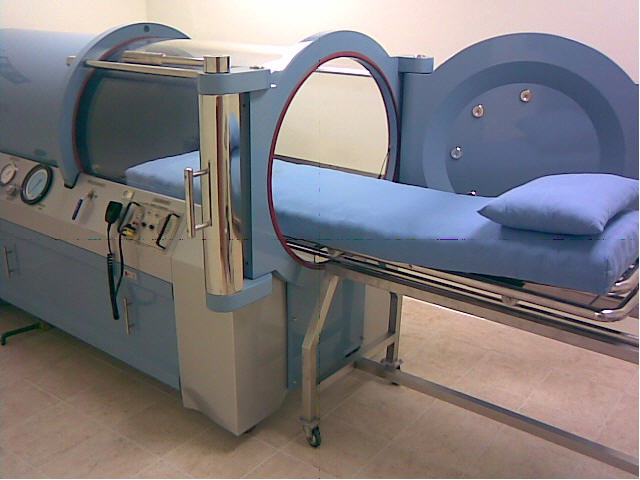
Insofar as many (perhaps ultimately all) of the cases of death are ultimately due to various forms of oxygen deficit, a powerful means of life extension may be by improving oxygen supply. One form of oxygen supply can be in the form of Hyperbaric Oxygenation (using Oxygen Pressure Chamber or Barochamber). Such therapy was indicated as beneficial against a variety of life-threatening acute conditions, such as traumas and injuries, including severe brain and chest injuries, and could also improve a variety of degenerative and aging-related conditions, from neurological impairments, such as cerebral palsy and strokes, to diabetes.[9]

However, in high concentrations, oxygen can be cytotoxic. On the positive side, oxygen toxicity against bacteria may partly explain beneficial effects of hyperbaric oxygenation for treating acute infections, as well as wound, burn and fracture healing, where infections can be a major obstacle to effective healing.[10] The cytotoxic effects may be also involved in anti-cancer treatment, to destroy cancer cells by high oxygen concentrations.[11] Yet, the oxygen cytotoxic effect can be problematic, when either the oxygen dose or time of exposure to oxygen exceed a desirable physiological threshold.[12] Oxygen can lead to excessive cell and tissue stimulation, exhausting cell replicative potential, increasing the amount of reactive oxygen species and hastening the transition to apoptotic cell death via mitochondria activation.[13] The thresholds of oxygen toxicity have been uncertain even regarding single time applications of hyperbaric oxygenation.[14] And long-term effects of hyperbaric oxygenation on human life span apparently have not been studied.


Mechanisms of action of hyperbaric oxygenation against aging-related conditions

The mechanisms of potential general protective and/or anti-aging (geroprotective) effects of hyperbaric oxygenation, if such are indeed present, are yet to be elucidated. The question of dosages may be also crucial for determining the mechanisms of such anti-aging effects. High dosages of hyperbaric oxygen should intuitively induce oxidative stress, with high reactive oxygen species (ROS) production, which has been long seen as one the major sources of molecular damage in aging.[6] Indeed, oxidative damage has been observed under hyperbaric oxygen treatment, among other effects potentially contributing to cataract development.[15] Yet, it is also appreciated that, at certain levels, ROS may stimulate tissue regeneration.[16] And yet at certain dosages, hyperbaric oxygen may produce stimulatory “hormetic” effects (i.e. stimulation by a low dose, as opposed to inhibition by a high dose of the same factor), which may in fact increase anti-oxidant protection, via stimulation of anti-oxidant defense systems.[17] The protective effects of hyperbaric oxygen by stimulating heat shock protein expression[18] and stem cell mobilization[19] have also been suggested. In a related way, chronic systemic inflammation has been long implicated as a major source of aging-related damage.[20] Furthermore, excessive neuro-inflammation has been a sustained therapeutic target.[21] Hyperbaric oxygenation has been commonly reported to produce an anti-inflammatory effect, which has been suggested as one of its major therapeutic mechanisms, for both age-related chronic and acute conditions (like acute ischemic stroke).[22] Yet, there is also a growing realization that pro-inflammatory effects may be essential for tissue regeneration, including neuro-regeneration.[23]

Closely related to the phenomenon of hormesis (low dose stimulation), hyperbaric oxygenation may exert protective anti-ischemic effects through ischemic preconditioning, that is applying a certain sub-threshold dosage of hyperbaric oxygen that would induce a transient, mild ischemia that would confer tolerance to subsequent, more severe ischemia.[24] This mechanism opens the possibility for using hyperbaric oxygenation as a preventive therapy for the elderly. Some of the mechanisms of preconditioning were associated with enhanced expression of protective enzymes, such as Sirtuins,[25] enhanced Mitogen-activated protein kinases (MAPKs) and autophagy[26] and inhibiting the mTOR pathway.[27] Thus, the mechanisms of preconditioning by hyperbaric oxygenation may be similar with the application of other geroprotective medicines (e.g. Sirtuin-stimulating or mTOR inhibiting drugs),[28] producing a general improvement of energy metabolism, yet potentially with fewer pharmacogenic side effects. However, this possibility will yet require extensive investigation, necessitating a very careful consideration of the dosages. The short vs. long term effects should be considered when studying the mechanisms of action of hyperbaric oxygenation.[29] Indeed, there may be a need for a systemic, long term evaluation of oxygen therapy effects, as a part of a whole-organism whole-life-course model of energy resources expenditures. Such models are currently only emerging,[30] and are in great need of elaboration, both experimental and theoretical.


Supplementing Hyperbaric Oxygenation with additional treatment modalities

Hyperbaric Oxygenation can be seen as a potentially effective therapeutic or stimulating means, but it is unclear to which extent it can serve as a lifespan-extending means. Hence, the therapeutic modality of Hyperbaric Oxygenation may be supplemented or followed by additional modalities particularly designed to serve life-prolonging, rejuvenative and reparative functions. Pressure chamber could in principle provide a convenient environment to implement such modalities, insofar as it provides a protected, isolated and enclosed space unit, which can be easily manipulated and monitored for a variety of purposes. Some of the potential reparative applications can be as follows.


O2/CO2 Balance

For the life-span and health-span extension, rather than applying hyperbaric oxygenation, actually reducing oxygen partial pressure may be beneficial. Thus people living at high altitudes (with reduced oxygen pressure) are noted for high longevity, presumably due to either reduced metabolic rate or long-term adaptations. Some of the potential beneficial adaptations may include increased production of red blood cells, formation of new capillaries and increase in respiratory enzymes, and other mechanisms.[31]

Also, increased CO2 can be beneficial, insofar as persistent hypercapnia (enhanced CO2 level) has been associated with an increased life-span in animal models. This may presumably be due to increasing blood alkalinity (through liberating bicarbonate reserves) which may in turn positively affect proteins’ isoelectric stability.[32]

Interestingly and seemingly paradoxically, both hyperbaric oxygenation therapy and its apparent opposite – therapeutic hypoxia or hypoxic training (for example intermittent hypoxia) have been suggested to produce positive preconditioning effects against ischemic aging-related conditions, such as heart disease and neurodegenerative diseases.[33] The apparent paradox may be once again explained by the phenomenon of “hormesis” – namely the activation of anti-hypoxic/anti-ischemic protective mechanisms by certain extents of both deficit and excess of oxygen (in the latter case possibly increasing reactive oxygen species levels to induce a protective counter-effect), as well as possibly by other mild stressors (chemical, mechanical or electrical). The precise dosages and thresholds of such similar protective effects by seemingly diverse means, as well as their potential common central neuro-humoral regulatory mechanisms, yet require elucidation.

Besides hyperbaric oxygen therapy, normobaric (normal pressure) oxygen therapy, or just oxygen therapy generally (increasing oxygen supply) has been a widely applied means of therapy and resuscitation.[34] While hyperbaric oxygenation (using a pressure chamber) may be more effective to achieve rapid oxygen delivery to deep vital tissues, normobaric oxygenation (e.g. using an oxygen mask) may be more conveniently applicable and less expensive. Yet for normobaric oxygenation too, the appropriate balance of O2/CO2 levels may be critical. The pressure chamber may provide an ideal environment to control both O2 and CO2 levels and pressures, for acute therapeutic or prolonged restorative regimens. Still, with regard to CO2 manipulation, its long term effects as well as its effects on immediate daily performance will yet need to be established.

The issue of optimal thresholds or O2/CO2 balance will be vital, insofar as excessive O2 application may lead to a “burnout,” while excessive CO2 application may lead to a “death zone.” Both acidosis and alkalosis may be produced by O2/CO2 imbalance. Perhaps the most beneficial therapeutic regimen may be maintaining and/or rapidly restoring the physiological O2/CO2 balance. The normal (balanced) concentration of alveolar CO2 is often assumed to be about 6.5%, yet may vary according to particular metabolic requirements of every individual.[35]


Monitoring

In order to personalize the therapy, and to ensure its safety and efficacy, the treatment modalities should be related with a thorough array of monitoring and evaluation modalities, in particular for the evaluation of the organism’s energy metabolism, before, during and after the treatment. In performing oxygen therapy (in particular hyperbaric oxygenation), reference need to be made for Oxygen and CO2 balance (supply vs. demand), as well as for the supply and demand of macroergic (energy-rich) substances, in the entire organism and particular organs.[36] Measurement modalities may include oxygen measurement by mitochondrial cytochrome a,a3 reflectance spectrophotometry, mitochondrial NADH redox state by NADH fluorometry, tissue blood flow by Laser Doppler Flowmetry, hemoglobin oxygen saturation by reflectometry, DC potential and various ionic levels by micro-electrodes, gas partial pressure (O2, CO2, NO, etc) and pH levels by micro-electrodes and optodes, up to more advanced methods such as functional magnetic resonance imaging (fMRI) or using sequential single photon emission computerized tomography (SPECT) scans, etc.[37]

The monitoring of the gas composition (PaO2 and PaCO2) of the arterial blood may be seen as a necessary condition to perform effective hyperbaric oxygen therapy against life-threatening situations in patients with deteriorating cardiorespiratory functions, especially for the elderly patients.[8] This is necessary in order to control and maintain adequate levels of lung gas exchange, with regulated parameters of oxygen supply and controlled oxygen concentration. The speed of the blood flow and blood pressure in vital organs are also among the critical vital signs that need to be known. The basic parameters of cardiorespiratory function need to be monitored, such as: PaO2 mmHg – arterial partial pressure of oxygen; PaCO2 – arterial partial pressure of CO2; PaO2/FiO2 – the ratio of the partial pressure of oxygen to the fraction of inspired oxygen; SVI ml/m2 – stroke volume index; CI L/min/m2 – cardiac index; pH – blood acidity level. Such measures of cardio-respiratory function can help reference the normal balanced O2/CO2 levels in the blood and favorable blood electric charge and hemodynamic conditions.

The anatomical and physiological effects of aging on the heart and lungs are also vitally important parameters, including such indicators as the rise of arterial pressure and resistance with aging due to the increasing arterial stiffness, reduced contractility and relaxation of the heart, a reduction of lung vital capacity, impairment of gas mixture in the lungs, and other harmful anatomical and physiological effects of aging. All the deteriorative changes in the cardio-respiratory system generally show in the reduction of maximal oxygen uptake (VO2max) which has been considered one of the most informative parameters for biological age evaluation.[38]

The above parameters of cardiorespiratory function are practically indispensable in emergency and intensive care medicine, when treating acute and often life-threatening conditions. Yet, arguably, the cardio-respiratory parameters routinely employed in emergency and intensive care medicine may be good candidates for biomarkers of aging as they have proved their utility as real-time indicators of the organism’s vitality and energy. Often, in general frailty assessments, energy levels in the elderly are evaluated simply by asking the question “Do you feel full of energy?”[39] Yet, there may be more objective measures of the aging organism’s energy level, by such means as spirometry, oximetry, hemodynamic, electrochemical and spectroscopic energy metabolite measurements, as well as other structural and functional parameters of the cardiorespiratory system, that can provide improved indication for therapy.[40] Arguably, such cardio-respiratory “physiomic” parameters or markers of aging may be clinically valuable and conveniently interpretable for a practicing physician, alongside the many “biomarkers of aging” based on predominantly molecular-biological, e.g. genetic, epigenetic and other “omic” age-related alterations that are currently investigated. [41]

The main clinical utility of biomarkers or diagnostic parameters of aging is that their changes can help evaluate the effectiveness of particular therapeutic regimens, especially the effectiveness of particular therapeutic dosages. Yet curiously, in hyperbaric oxygen therapy, the concept of dosage is only rudimentary and there is no commonly agreed way to define the dosage. Moreover, there is no agreed way to evaluate the effects of this kind of therapy, and correspondingly no agreed way to correlate between the dose and the effect. The same may be said regarding other potential “energy-modulating” interventions into aging, whose definition is yet very nebulous. In certain studies, it was suggested to define the dose of hyperbaric oxygen therapy as the product of intra-barochamber pO2 (ATA), the duration of a single hyperbaric oxygenation exposure (hours), and the number of hyperbaric oxygenation treatments, yielding the dose unit: (ATA*h*N).[8,12] In those studies, the efficacy of hyperbaric oxygenation therapy was evaluated according to the number of patients who showed a significant clinical improvement in their neurological state in the course of the treatment (the percent of the total number of patients). The level of the therapy efficacy was compared with a corresponding value of the dose. For the treatment of acute ischemic stroke, a higher efficacy was indicated with increasing the average total hyperbaric oxygenation dose, reaching the maximum efficacy with the average doses of no less than 30 units (ATA*h*N).[12] However, such a definition of the dosages has not become consensus, and the definition of the therapy effects and of the dose-effect relations are rather vague and yet require a thorough elaboration and clarification. Hopefully, thanks to refinement of the definitions and massive additional data collection on dose-effect relations, including the evaluation of long-term effects and differential personalized effects in different patient groups (e.g. the elderly vs. the young) – oxygen therapy, hyperbaric oxygen therapy particularly, or “energy-modulating therapy” more generally – can become efficient means to alleviate aging-related conditions and increase healthy and productive life.

It is also necessary to note, that the obtained datasets of biomarkers, diagnostic parameters, and dose-effect relations, will be not only necessary for monitoring and personalizing treatment regimens, but will also be able to provide invaluable information for many yet unforeseen “quantified health” and “quantified longevity” applications – collecting a vast amount of health data on aging-related changes and their possible improvements to enable planning better informed therapeutic and life-style regimens and strategies to achieve healthy longevity.


Comprehensive physiological manipulation unit

Enhancing blood supply: The main purpose of oxygenation therapy (in particular hyperbaric oxygen therapy) is to directly enhance the supply of potentially deficient oxygen to the tissues that need it (while necessarily watching out against “burning out” and “oxygen toxicity”). However, oxygen supply can be improved by more indirect means, such as improving blood supply to the tissues. Historically, improved blood supply to the tissues (also for the purposes of rejuvenation) has been persistently sought. For example, the whole-body increase of the blood flow (hyperemia) has been achieved by various means ranging from hormone replacement therapy (by supplements, tissue transplants, and even operations on the endocrine organs) through diathermy (tissue heating), massage, exercise and baths.[1] The problems of oxygen delivery to the vital tissues have been also tackled from additional angles, such as oxygenated microparticles and “artificial blood”,[42] various forms of heart-lung machines, artificial hearts and other assisted circulation devices,[43] or pharmacological means to improve energy metabolism.[28] The blood flow can be also stimulated by electromagnetic devices.

As briefly mentioned above, recording electrodes and magnetic resonance devices may be employed for monitoring (for example during the course of oxygen therapy). Yet, in addition, stimulation electrodes may be also used for physiological manipulation purposes, in particular to stimulate nervous activity and blood flow, even to stimulate tissue regeneration, in particular blood vessels growth (angiogenesis – another potential means to improve tissue blood supply and oxygenation, but also requiring caution to avoid uncontrolled growth).[44] Such electromagnetic therapeutic devices have been sometimes termed “electroceuticals.”[45] They can be incorporated into the therapeutic regimens, either within the pressure chamber or as a part of accompanying regimens.

The incorporation or fitting of the additional therapeutic modalities within the pressure chamber can provide additional benefits. The ability provided by the pressure chamber to control and manipulate pressure, gas concentrations and temperature, can produce a convenient environment for physiological manipulation. Furthermore, with the addition of an infusion apparatus for delivering medications, including various regenerative and anti-aging medications (depending on the costs involved), this can become a multifunctional treatment unit. Some of its functions can be as follows.

“Resting state” induction: One possibility may be inducing a restorative “resting state” through a variety of physical means (pressure, temperature, oxygen and carbon dioxide concentration) as well as by electromagnetic and pharmacological means. Thus both reversible hypothermic and pharmacological resting states (reversible coma) are already becoming widely used clinical methods for recuperation and resuscitation, and can be incorporated into the chamber.[46] Just by using such physical manipulation means that are available in the pressure chamber – such as pressure, temperature, O2 and CO2 concentrations – a resting state can be induced insofar as rest and sleep are characterized by particular breathing and temperature patterns.[47] Temperature control can be another powerful means of physical manipulation. Thus, lower core body temperature has been correlated with longer lifespans.[48] In particular, lowering the body temperature (hypothermia) during hyperbaric oxygenation treatment could reduce energy (oxygen) demand by the organism and thus potentially lower oxygen toxicity. On the other hand, increased blood flow through heating may be used for therapeutic stimulation purposes. Within the chamber, temperature can be manipulated in both directions. The electric charge of the breathing mixture (e.g. negative ionization) can be also significant for recuperation vs. stimulation.[49]

Sleep enhancement: Sleep enhancement can be yet another promising restorative modality (in fact a form of “resting state”). In particular, slow-wave sleep (Stage 3, with synchronized EEG activity, showing slow waves with a frequency of less than 1 Hz) has been known to be vital for recuperation, presumably due to enhanced growth hormone production[50] or synchronization of physiological functions. [51] The restorative effects of sleep generally, and deep sleep in particular, may be also possibly due to activation of the immune response during sleep, or elimination of toxins, or other mechanisms.[52] This stage can be induced by a variety of methods, including: transcranial direct current stimulation (tDCS) and transcranial magnetic stimulation (TMS),[53] other forms of sensory sleep stimulation[54] and a variety of slow-wave sleep enhancing drugs.[55] Sleeping in a hyperbaric chamber has already been practiced, and this combination of therapeutic modalities can be further explored and expanded if proven safe and effective.

All such technologies are yet extremely experimental, dose responses have not been thoroughly studied, hence side effects may be unpredictable. Both their short and long term effects are largely unknown, and the introduction of such additional technologies may become prohibitively expensive and unwieldy. They are mentioned here only as possibilities that can be further investigated and prospectively included within a potential “comprehensive restorative chamber” or “survival chamber.”


References and notes

[1] Ilia Stambler, A History of Life-Extensionism in the Twentieth Century, Longevity History, 2014, http://www.longevityhistory.com/.

[2] Ilia Stambler, “Human life extension: opportunities, challenges, and implications for public health policy,” in: Alexander Vaiserman (Ed.), Anti-aging Drugs: From Basic Research to Clinical Practice, Royal Society of Chemistry, London, 2017, pp. 535-564, http://pubs.rsc.org/en/content/ebook/978-1-78262-435-6#!divbookcontent;

Alexander Vaiserman, Oleh Lushchak, “Anti-aging drugs: where are we and where are we going?” in: Alexander Vaiserman (Ed.), Anti-aging Drugs: From Basic Research to Clinical Practice, Royal Society of Chemistry, London, 2017, pp. 3-10, http://pubs.rsc.org/en/content/ebook/978-1-78262-435-6#!divbookcontent.

[3]. Anthony Atala, “Extending life using tissue and organ replacement,” Current Aging Science, 1(2), 73-83, 2008, http://www.eurekaselect.com/95101/article;

Giuseppe Orlando, Shay Soker, Robert J. Stratta, Anthony Atala, “Will Regenerative Medicine Replace Transplantation?” Cold Spring Harbor Perspectives in Medicine, 3(8), a015693, 2013, https://www.ncbi.nlm.nih.gov/pmc/articles/PMC3721273/.

[4] Ronald Bellamy, Peter Safar, Samuel Tisherman, …, Harvey Zar, “Suspended animation for delayed resuscitation,” Critical Care Medicine, 24(2Suppl), S24-47, 1996, http://www.ncbi.nlm.nih.gov/pubmed/8608704.

[5] Yury P. Gerasimenko, Daniel C. Lu, Morteza Modaber, …, V. Reggie Edgerton, “Noninvasive Reactivation of Motor Descending Control after Paralysis,” Journal of Neurotrauma, 32(24), 1968-1980, 2015, http://online.liebertpub.com/doi/abs/10.1089/neu.2015.4008;

Max Schaldach, Electrotherapy of the Heart: Technical Aspects in Cardiac Pacing, Springer-Verlag, Berlin, 2012.

[6] Denham Harman, “Aging: a theory based on free radical and radiation chemistry,” Journal of Gerontology, 11, 298-300, 1956, http://www.uccs.edu/Documents/rmelamed/harman_1956_13332224.pdf;

Rajindar S. Sohal, “Role of oxidative stress and protein oxidation in the aging process,” Free Radical Biology and Medicine, 33(1), 37-44, 2002, http://www.sciencedirect.com/science/article/pii/S0891584902008560;

Rajindar S. Sohal, “Oxidative stress hypothesis of aging,” Free Radical Biology and Medicine, 33(5), 573-574, 2002, http://www.sciencedirect.com/science/article/pii/S0891584902008857;

Toren Finkel, Nikki J. Holbrook, “Oxidants, oxidative stress and the biology of ageing,” Nature, 408(6809), 239-247, 2000, https://www.nature.com/nature/journal/v408/n6809/full/408239a0.html.

[7] Gerald J. Gruman, A History of Ideas about the Prolongation of Life. The Evolution of Prolongevity Hypotheses to 1800, Transactions of the American Philosophical Society, Vol. 56 (9), Philadelphia, 1966.

[8] Gennady G. Rogatsky, Ilia Stambler, “Hyperbaric oxygenation for resuscitation and therapy of elderly patients with cerebral and cardio-respiratory dysfunction,” Frontiers In Bioscience (Scholar Edition), 9, 230-243, June 1, 2017, http://www.bioscience.org/2017/v9s/af/484/2.htm, https://www.bioscience.org/special-issue-details?editor_id=1746, https://www.ncbi.nlm.nih.gov/pubmed/28410116.

[9] The standard indications for the use of hyperbaric oxygenation, as established by the US-incorporated Undersea and Hyperbaric Medicine Society (UHMS), include: 1. Air or Gas Embolism, 2. Carbon Monoxide Poisoning, 3. Clostridial Myositis and Myonecrosis (Gas Gangrene), 4. Crush Injury, Compartment Syndrome and Other Acute Traumatic Ischemias, 5. Decompression Sickness, 6. Arterial Insufficiencies, 7. Severe Anemia, 8. Intracranial Abscess, 9. Necrotizing Soft Tissue Infections, 10. Osteomyelitis (Refractory), 11. Delayed Radiation Injury (Soft Tissue and Bony Necrosis), 12. Compromised Grafts and Flaps, 13. Acute Thermal Burn Injury; 14. Idiopathic Sudden Sensorineural Hearing Loss.

(Undersea and Hyperbaric Medicine Society (UHMS), “Indications for Hyperbaric Oxygen Therapy,” https://www.uhms.org/resources/hbo-indications.html.)

Yes, there is good evidence for the possible use of this treatment against other severe and chronic conditions. See for example:

Gennady G. Rogatsky, Avraham Mayevsky, “The life-saving effect of hyperbaric oxygenation during early-phase severe blunt chest injuries,” Undersea and Hyperbaric Medicine, 34(2), 75-81, 2007, http://archive.rubicon-foundation.org/xmlui/bitstream/handle/123456789/6468/17520858.pdf?sequence=1;

Ning Gu, Fumiko Nagatomo, Hidemi Fujino, Isao Takeda, Kinsuke Tsuda, Akihiko Ishihara, “Hyperbaric oxygen exposure improves blood glucose level and muscle oxidative capacity in rats with type 2 diabetes,” Diabetes Technology & Therapeutics, 12(2), 125-133, 2010, http://online.liebertpub.com/doi/abs/10.1089/dia.2009.0104;

Majid Kalani, Gun Jörneskog, Nazanin Naderi, Folke Lind, Kerstin Brismar, “Hyperbaric oxygen (HBO) therapy in treatment of diabetic foot ulcers: Long-term follow-up,” Journal of Diabetes and its Complications, 16(2), 153-158, 2002, http://www.jdcjournal.com/article/S1056-8727(01)00182-9/fulltext .

Michael H. Bennett, Jan P. Lehm, Nigel Jepson, “Hyperbaric oxygen therapy for acute coronary syndrome,” Cochrane Database of Systematic Reviews, 2015(7), CD004818, 2015, http://onlinelibrary.wiley.com/doi/10.1002/14651858.CD004818.pub4/full;

Peter Kranke, Michael H. Bennett, Marrissa Martyn-St James, Alexander Schnabel, Sebastian E. Debus, “Hyperbaric oxygen therapy for chronic wounds,” Cochrane Database of Systematic Reviews, 2015(6), CD004123, 2015, http://onlinelibrary.wiley.com/doi/10.1002/14651858.CD004123.pub3/abstract;

Michael H Bennett, Barbara Trytko, Benjamin Jonker, “Hyperbaric oxygen therapy for the adjunctive treatment of traumatic brain injury,” Cochrane Database of Systematic Reviews, 2012(12), CD004609, 2012, http://onlinelibrary.wiley.com/doi/10.1002/14651858.CD004609.pub2/abstract;

Richard A. Neubauer Research Institute, “Resources,” www.ranri.org/resources.html.

[10] Escobar S.J., Slade J.B., Hunt T.K., Cianci P., “Adjuvant hyperbaric oxygen therapy (HBO2) for treatment of necrotizing fasciitis reduces mortality and amputation rate,” Undersea and Hyperbaric Medicine, 32(6), 437–43, 2005, http://dspace.rubicon-foundation.org/xmlui/bitstream/handle/123456789/4061/16509286.pdf?sequence=1.

[11] Ingrid Moen, Linda E. B. Stuhr, “Hyperbaric oxygen therapy and cancer – a review,” Targeted Oncology, 7, 233–242, 2012, https://www.ncbi.nlm.nih.gov/pmc/articles/PMC3510426/.

[12] Gennady G. Rogatsky, Edward G. Shifrin, Avraham Mayevsky, “Optimal dosing as a necessary condition for the efficacy of hyperbaric oxygen therapy in acute ischemic stroke: a critical review,” Neurological Research, 25(1), 95-98, 2003, http://www.tandfonline.com/doi/abs/10.1179/016164103101201003; Optimal_dosing_as_a_necessary_condition_for_the_efficacy_

of_hyperbaric_oxygen_therapy_in_acute_ischemic_stroke_A_critical_review.

[13] Elena Afrimzon, Naomi Zurgil, Yana Shafran, Pnina Leibovich, Maria Sobolev, Larissa Guejes, Mordechai Deutsch, “The use of sequential staining for detection of heterogeneous intracellular response of individual Jurkat cells to lysophosphatidylcholine,” Journal of Immunological Methods, 387(1-2), 96-106, 2013, http://www.sciencedirect.com/science/article/pii/S0022175912002992.

[14] Efouni S.N., et al., “Hyperoxia. Patofiziologicheskie aspekty lechebnogo i toxicheskogo vozdeystvia hyperbaricheskogo kisloroda (Hyperoxia. Pathophysiological aspects of therapeutic and toxic effects of hyperbaric oxygenation), in: EShfouni S.N. (Ed.), Rukovodstvo po Hyperbaricheskoy Oxygenazii. Teoria I Praktika Klinicheskogo Primenenia (Hyperbaric Oxygenation: a manual. The theory and practice of clinical application), Akademia Medizinskikh Nauk SSSR (Academy of Medical Sciences of the USSR), Medizina, Moscow, 1986, pp. 29-56;

Richard D. Vann, Oxygen Toxicity Risk Assessment,   Office of Naval Research, Arlington VA, 1988, https://www.researchgate.net/publication/235051634_Oxygen_Toxicity_Risk_Assessment;

Noemi Bitterman, “CNS oxygen toxicity,” Undersea and Hyperbaric Medicine, 31 (1), 63-72, 2004, http://dspace.rubicon-foundation.org/xmlui/bitstream/handle/123456789/3991/15233161.pdf?sequence=1.

[15] Yi Zhanga, Shan OuYanga, Lan Zhangb, XianLing Tanga, Zhen Songa, Ping Liua, “Oxygen-induced changes in mitochondrial DNA and DNA repair enzymes in aging rat lens,” Mechanisms of Ageing and Development, 131(11-12), 666-673, 2010, http://www.sciencedirect.com/science/article/pii/S0047637410001740.

[16] Carole Gauron, Christine Rampon, Mohamed Bouzaffour, Eliane Ipendey, Jérémie Teillon, Michel Volovitch, Sophie Vriz, “Sustained production of ROS triggers compensatory proliferation and is required for regeneration to proceed,” Scientific Reports, 3, 2084, 2013, https://www.nature.com/articles/srep02084.

[17] Cassandra A. Godman, Rashmi Joshi, Charles Giardina, George Perdrizet, Lawrence E. Hightower, “Hyperbaric oxygen treatment induces antioxidant gene expression,” Annals of the New York Academy of Sciences, 1197, 178-183, 2010, http://onlinelibrary.wiley.com/doi/10.1111/j.1749-6632.2009.05393.x/abstract.

[18] Jeysen Zivan Yogaratnam, Gerard Laden, Levant Guvendik, Mike Cowen, Alex Cale, Steve Griffin, “Can hyperbaric oxygen be used as adjunctive heart failure therapy through the induction of endogenous heat shock proteins?” Advances in Therapy, 24(1), 106-118, 2007, https://oxfordrecoverycenter.com/wp-content/uploads/2017/02/Can-Hyperbaric-Oxygen-Be-Used-as-Adjunctive-Heart-Failure-Therapy-Through-the-Induction-of-Endogenous-Heat-Shock-Proteins.pdf.

[19] Stephen R. Thom, Veena M. Bhopale, Omaida C. Velazquez, Lee J. Goldstein, Lynne H. Thom, Donald G. Buerk, “Stem cell mobilization by hyperbaric oxygen,” American Journal of Physiology – Heart and Circulatory Physiology, 290(4), H1378-1386, 2006, http://ajpheart.physiology.org/content/290/4/H1378.long.

[20] Claudio Franceschi, Judith Campisi, “Chronic inflammation (inflammaging) and its potential contribution to age-associated diseases,” The Journals of Gerontology Series A, Biological Sciences and Medical Sciences, 69(Suppl. 1), S4-9, 2014, https://academic.oup.com/biomedgerontology/article-lookup/doi/10.1093/gerona/glu057.

[21] Joaquin Jordan, Tomas Segura, David Brea, Maria F. Galindo, Jose Castillo, “Inflammation as therapeutic objective in stroke,” Current Pharmaceutical Design, 14, 3549-3564, 2008, http://www.eurekaselect.com/68189/article.

[22] Zheng Ding, Wesley C. Tong, Xiao-Xin Lu, Hui-Ping Peng, “Hyperbaric oxygen therapy in acute ischemic stroke: a review,” Interventional Neurology, 2(4), 201-211, 2014, https://www.ncbi.nlm.nih.gov/pmc/articles/PMC4188156/.

[23] Michael Karin, Hans Clevers, “Reparative inflammation takes charge of tissue regeneration,” Nature, 529(7586), 307-315, 2016, http://www.nature.com/nature/journal/v529/n7586/full/nature17039.html.

[24] Qin Hu, Anatol Manaenko, Nathanael Matei, Zhenni Guo, Ting Xu, Jiping Tang, John H. Zhang, “Hyperbaric oxygen preconditioning: a reliable option for neuroprotection,” Medical Gas Research, 6(1), 20-32, 2016, https://www.ncbi.nlm.nih.gov/pmc/articles/PMC5075679/;

Zheng Ding, Wesley C. Tong, Xiao-Xin Lu, Hui-Ping Peng, “Hyperbaric oxygen therapy in acute ischemic stroke: a review,” Interventional Neurology, 2(4), 201-211, 2014, https://www.ncbi.nlm.nih.gov/pmc/articles/PMC4188156/;

Gerd Heusch, Hans Erik Bøtker, Karin Przyklenk, Andrew Redington, Derek Yellon, “Remote Ischemic Conditioning,” Journal of the American College of Cardiology, 65(2), 177-195, 2015, https://www.ncbi.nlm.nih.gov/pmc/articles/PMC4297315/.

[25] Wenjun Yan, Zongping Fang, Qianzi Yang, Hailong Dong, Yan Lu, Chong Lei, Lize Xiong, “SirT1 mediates hyperbaric oxygen preconditioning-induced ischemic tolerance in rat brain,” The Journal of Cerebral Blood Flow & Metabolism, 33(3), 396-406, 2013, https://www.ncbi.nlm.nih.gov/pmc/articles/PMC3587810/.

[26] Xiao-qian Liu, Rui Sheng, Zheng-hong Qin, “The neuroprotective mechanism of brain ischemic preconditioning,” Acta Pharmacologica Sinica, 30(8), 1071-1080, 2009, https://www.ncbi.nlm.nih.gov/pmc/articles/PMC4006675/.

[27] Mikhail V. Blagosklonny, “Hormesis does not make sense except in the light of TOR-driven aging,” Aging (Albany NY), 3(11), 1051-1062, 2011, http://www.aging-us.com/article/100411/text.

[28] Valter D. Longo, Adam Antebi, Andrzej Bartke, Nir Barzilai, Holly M. Brown-Borg, Calogero Caruso, Tyler J. Curiel, Rafael de Cabo, Claudio Franceschi, David Gems, Donald K. Ingram, Thomas E. Johnson, Brian K. Kennedy, Cynthia Kenyon, Samuel Klein, John J. Kopchick, Guenter Lepperdinger, Frank Madeo, Mario G. Mirisola, James R. Mitchell, Giuseppe Passarino, Karl L. Rudolph, John M. Sedivy, Gerald S. Shadel, David A. Sinclair, Stephen R. Spindler, Yousin Suh, Jan Vijg, Manlio Vinciguerra, Luigi Fontana, “Interventions to slow aging in humans: Are we ready?” Aging Cell, 14(4), 497-510, 2015, http://www.ucl.ac.uk/~ucbtdag/Longo_2015.pdf;

Ilia Stambler, “Stop Aging Disease! ICAD 2014,” Aging and Disease, 6(2), 76-94, 2015, http://www.aginganddisease.org/EN/10.14336/AD.2015.0115;

Ilia Stambler, “Human life extension: opportunities, challenges, and implications for public health policy,” in: Alexander Vaiserman (Ed.), Anti-aging Drugs: From Basic Research to Clinical Practice, Royal Society of Chemistry, London, 2017, pp. 535-564, http://pubs.rsc.org/en/content/ebook/978-1-78262-435-6#!divbookcontent;

Alexander Vaiserman, Oleh Lushchak, “Anti-aging drugs: where are we and where are we going?” in: Alexander Vaiserman (Ed.), Anti-aging Drugs: From Basic Research to Clinical Practice, Royal Society of Chemistry, London, 2017, pp. 3-10, http://pubs.rsc.org/en/content/ebook/978-1-78262-435-6#!divbookcontent.

[29] Liran I. Shlush, Karl L. Skorecki, Shalev Itzkovitz, Shiran Yehezkel, Yardena Segev, Hofit Shachar, Ron Berkovitz, Yochai Adir, Irma Vulto, Peter M. Lansdorp, Sara Selig, “Telomere elongation followed by telomere length reduction, in leukocytes from divers exposed to intense oxidative stress – implications for tissue and organismal aging,” Mechanisms of Ageing and Development, 132(3), 123-130, 2011, http://www.sciencedirect.com/science/article/pii/S0047637411000224.

[30] Vasilij N. Novoseltsev, Janna Novoseltseva, Anatoli I. Yashin, “A homeostatic model of oxidative damage explains paradoxes observed in earlier aging experiments: a fusion and extension of older theories of aging,” Biogerontology, 2(2), 127-138, 2001, https://link.springer.com/article/10.1023/A:1011511100472.

[31] John B. West, “Exciting Times in the Study of Permanent Residents of High Altitude,” High Altitude Medicine & Biology, 12 (1), 1, 2011, http://online.liebertpub.com/doi/abs/10.1089/ham.2011.12101;

Martin Burtscher, “Effects of Living at Higher Altitudes on Mortality: A Narrative Review,” Aging and Disease, 5(4), 274–280, 2014, https://www.ncbi.nlm.nih.gov/pmc/articles/PMC4113517/;

Jay F. Storz, Hideaki Moriyama, “Mechanisms of Hemoglobin Adaptation to High Altitude Hypoxia,” High Altitude Medicine & Biology, 9(2), 148-157, 2008, https://www.ncbi.nlm.nih.gov/pmc/articles/PMC3140315/;

Jean-Marie Robine, Fred Paccaud, “Nonagenarians and centenarians in Switzerland, 1860–2001: a demographic analysis,” Journal of Epidemiology and Community Health, 59(1), 31-37, 2005, http://jech.bmj.com/content/59/1/31;

Alexander Leaf, Youth in Old Age, McGraw-Hill Book Company, New York, 1975;

Khatchik Muradian, “Atmosphere, Metabolism and Longevity,” in: Alexander M. Vaiserman, Alexey A. Moskalev, Elena G. Pasyukova (Eds.), Life Extension: Lessons from Drosophila, Dordrecht, Springer, 2015.

[32] Khachik Muradian, “’Pull and push back’ concepts of longevity and life span extension,” Biogerontology, 14(6), 687-691, 2013, https://link.springer.com/article/10.1007%2Fs10522-013-9472-1;

Reuven Tirosh, “Ballistic Protons and Microwave-induced Water Solitons in Bioenergetic Transformations,” International Journal of Molecular Sciences, 7(9), 320-345, 2006, http://www.mdpi.com/1422-0067/7/9/320.

[33] Angela Navarrete-Opazo, Gordon S. Mitchell, “Therapeutic potential of intermittent hypoxia: a matter of dose,” American Journal of Physiology – Regulatory, Integrative and Comparative Physiology, 307(10), R1181–1197, 2014, http://ajpregu.physiology.org/content/307/10/R1181.

[34] Michael H. Bennett, Christopher French, Alexander Schnabel, Jason Wasiak, Peter Kranke, Stephanie Weibel, “Normal pressure oxygen therapy and hyperbaric oxygen therapy for migraine and cluster headaches,” The Cochrane Database of Systematic Reviews, (12):CD005219, 2015, http://onlinelibrary.wiley.com/doi/10.1002/14651858.CD005219.pub3/full;

Aneesh B. Singhal, “A review of oxygen therapy in ischemic stroke,” Neurological Research, 29(2), 173-183, 2007, http://www.tandfonline.com/doi/abs/10.1179/016164107X181815.

[35] Konstantin Pavlovich Buteyko, Metod Buteyko. Opyt Vnedrenia v Medizinskuyu Praktiku (The Buteyko Method. The Experience of Application in Medical Practice), Patriot, Moscow, 1990, http://www.buteyko.ru/rus/index.shtml;

Vladimir K. Buteyko and Marina M. Buteyko, The Buteyko Theory about a Key Role of Breathing for Human Health, Scientific Introduction to the Buteyko Therapy for Experts (in Russian and English), Buteyko Co LTD, Voronezh, 2005, http://www.doctorbuteykodiscoverytrilogy.com/the-buteyko-theory-about-a-key-role-of-breathing-for-human-health.php;

Paul M Macey, Mary A Woo, Ronald M Harper, “Hyperoxic Brain Effects Are Normalized by Addition of CO2,” PLoS Medicine, 4(5), e173, 2007, https://doi.org/10.1371/journal.pmed.0040173.

[36] Gennady G. Rogatsky, Edward G. Shifrin, Avraham Mayevsky, “Physiologic and biochemical monitoring during hyperbaric oxygenation,” Undersea & Hyperbaric Medicine, 26(2), 111-122, 1999, Physiologic_and_biochemical_monitoring_during_hyperbaric_oxygenation.

[37] Judith Sonn, Avraham Mayevsky, “Responses to Cortical Spreading Depression under Oxygen Deficiency,” The Open Neurology Journal, 6, 6-17, 2012, https://www.ncbi.nlm.nih.gov/pmc/articles/PMC3367297/;

Greg Zaharchuk, Reed F. Busse, Guy Rosenthal, Geoffery T. Manley, Orit A. Glenn, William P. Dillon, “Noninvasive oxygen partial pressure measurement of human body fluids in vivo using magnetic resonance imaging,” Academic Radiology, 13(8), 1016-24, 2006, http://www.sciencedirect.com/science/article/pii/S1076633206002704;

Nili Zarchin, Sigal Meilin, Joseph Rifkind, Avraham Mayevsky, “Effect of aging on brain energy-metabolism,” Comparative Biochemistry and Physiology Part A: Molecular & Integrative Physiology, 132(1), 117-120, 2002, http://www.sciencedirect.com/science/article/pii/S1095643301005372.

[38] Ward Dean, “Biologic aging measurement: its rationale, history, and current status,” in: Arthur K. Balin (Ed.), Human Biologic Age Determination, Boca Raton FL, CRC Press, 1994, pp. 3-14;

Walter M. Bortz 4th, Walter M. Bortz 2nd, “How fast do we age? Exercise performance over time as a biomarker,” Journal of Gerontology A, Biological Sciences and Medical Sciences, 51(5), M223-225, 1996, https://www.ncbi.nlm.nih.gov/pubmed/8808993;

Johannes H.G.M. van Beek, Thomas B.L. Kirkwood, James B. Bassingthwaighte, “Understanding the physiology of the ageing individual: computational modelling of changes in metabolism and endurance,” Interface Focus, 6(2), 20150079, 2016, http://rsfs.royalsocietypublishing.org/content/6/2/20150079.

[39] Kristine E. Ensrud, Susan K. Ewing, Peggy M. Cawthon, Howard A. Fink, Brent C. Taylor, Jane A. Cauley, Thuy-Tien Dam, Lynn M. Marshall, Eric S. Orwoll, Steven R. Cummings, and The Osteoporotic Fractures in Men (MrOS) Research Group, “A comparison of frailty indexes for the prediction of falls, disability, fractures, and mortality in older men,” Journal of the American Geriatrics Society, 57(3), 492-498, 2009, https://www.ncbi.nlm.nih.gov/pmc/articles/PMC2861353/;

Linda P. Fried, Catherine M. Tangen, Jeremy Walston, Anne B. Newman, Calvin Hirsch, John Gottdiener, Teresa Seeman, Russell Tracy, Willem J. Kop, Gregory Burke, Mary Ann McBurnie, for the Cardiovascular Health Study Collaborative Research Group, “Frailty in older adults: evidence for a phenotype,” Journal of Gerontology A, Biological Sciences and Medical Sciences, 56(3), M146–M156, 2001, http://www.sld.cu/galerias/pdf/sitios/gericuba/fenotipo_frailty.pdf.

[40] Yang Guang, Dong Feng, Li Yuzhong, Liu Hui, “Theoretical and Experimental Evidence in Mixed Serum Samples as Natural Reference Materials for Measuring Activity of Biomacromolecules in Serum,” Clinical Laboratory, 64, 04/2017, https://www.clin-lab-publications.com/article/2331;

Avraham Mayevsky, Efrat Barbiro-Michaely, “Shedding light on mitochondrial function by real time monitoring of NADH fluorescence: II: human studies,” International Journal of Clinical Monitoring and Computing, 27(2), 125-145, 2013, https://link.springer.com/article/10.1007/s10877-012-9413-6.

[41] Robert N. Butler, Richard Sprott, Huber Warner, Jeffrey Bland, Richie Feuers, Michael Forster, Howard Fillit, S. Mitchell Harman, Michael Hewitt, Mark Hyman, Kathleen Johnson, Evan Kligman, Gerald McClearn, James Nelson, Arlan Richardson, William Sonntag, Richard Weindruch, Norman Wolf, “Biomarkers of aging: from primitive organisms to humans,” Journal of Gerontology A, Biological Sciences Medical Sciences, 59, B560-567, 2004, https://www.researchgate.net/publication/8493491_Aging_The_Reality_Biomarkers_of_Aging_From_Primitive_Organisms_to_Humans;

Thomas Craig, Chris Smelick, Robi Tacutu, Daniel Wuttke, Shona H. Wood, Henry Stanley, Georges Janssens, Ekaterina Savitskaya, Alexey Moskalev, Robert Arking, João Pedro de Magalhães, “The Digital Ageing Atlas: integrating the diversity of age-related changes into a unified resource,” Nucleic Acids Research, 43(Database issue), D873-878, 2015, https://academic.oup.com/nar/article-lookup/doi/10.1093/nar/gku843;

Georg Fuellen, Paul Schofield, Thomas Flatt, Ralf-Joachim Schulz, Fritz Boege, Karin Kraft, Gerald Rimbach, Saleh Ibrahim, Alexander Tietz, Christian Schmidt, Rüdiger Köhling, Andreas Simm, “Living Long and Well: Prospects for a Personalized Approach to the Medicine of Ageing,” Gerontology, 62(4), 409-416, 2016, https://www.researchgate.net/publication/287212601_Living_Long_and_Well_Prospects_for_a_Personalized_Approach_to_the_Medicine_of_Ageing.

[42] John N. Kheir, Laurie A. Scharp, Mark A. Borden, Edward J. Swanson, Andrew Loxley, James H. Reese, Katherine J. Black, …, Francis X. McGowan Jr., “Oxygen gas-filled microparticles provide intravenous oxygen delivery,” Science Translational Medicine, 4(140), 140ra88, 2012, https://www.researchgate.net/publication/228089270_Oxygen_Gas-Filled_Microparticles_Provide_Intravenous_Oxygen_Delivery;

Thad Henkel-Honke, Mark Oleck, “Artificial oxygen carriers: A current review,” AANA Journal, 75(3), 205–211, 2007, https://www.aana.com/newsandjournal/Documents/henkelhanke205-211.pdf.

[43] Andréia Cristina Passaroni, Marcos Augusto de Moraes Silva, Winston Bonetti Yoshida, “Cardiopulmonary bypass: development of John Gibbon’s heart-lung machine,” The Brazilian Journal of Cardiovascular Surgery/Revista Brasileira de Cirurgia Cardiovascular, 30(2), 235-245, 2015, https://www.ncbi.nlm.nih.gov/pmc/articles/PMC4462970/;

Emma J. Birks, Patrick D. Tansley, James Hardy, Robert S. George, Christopher T. Bowles, Margaret Burke, Nicholas R. Banner, Asghar Khaghani, Magdi H. Yacoub, “Left Ventricular Assist Device and Drug Therapy for the Reversal of Heart Failure,” New England Journal of Medicine, 355(18), 1873-1884, 2006, http://www.nejm.org/doi/full/10.1056/NEJMoa053063;

Winfred M. Phillips, “The artificial heart: history and current status,” Journal of Biomechanical Engineering, 115(4B), 555-557, 1993, http://biomechanical.asmedigitalcollection.asme.org/article.aspx?articleid=1399644.

[44] Costin G.E., Birlea S.A., Norris D.A., “Trends in wound repair: cellular and molecular basis of regenerative therapy using electromagnetic fields,” Current Molecular Medicine, 12(1), 14-26, 2012, http://www.eurekaselect.com/75862/article;

Oren M. Tepper, Matthew J. Callaghan, Edward I. Chang, Robert D. Galiano, Kirit A. Bhatt, Samuel Baharestani, Jean Gan, Bruce Simon, Richard A. Hopper, Jamie P. Levine, Geoffrey C. Gurtner, “Electromagnetic fields increase in vitro and in vivo angiogenesis through endothelial release of FGF-2,” FASEB Journal, 18(11), 1231-1233, 2004, https://www.ncbi.nlm.nih.gov/pubmed/15208265;

Robert O. Becker, Gary Selden, The Body Electric. Electromagnetism and the Foundation of Life, Quill, New York, 1985.

[45] Kristoffer Famm, Brian Litt, Kevin J. Tracey, Edward S. Boyden, Moncef Slaoui, “Drug discovery: a jump-start for electroceuticals,” Nature, 496(7444), 159–161, 2013, https://www.ncbi.nlm.nih.gov/pmc/articles/PMC4179459/.

[46] Michael W. Lee, Scott A. Deppe, Mary Ellen Sipperly, Roger R. Barrette, Dan R. Thompson, “The efficacy of barbiturate coma in the management of uncontrolled intracranial hypertension following neurosurgical trauma,” Journal of Neurotrauma, 11(3), 325-331, 1994, http://online.liebertpub.com/doi/abs/10.1089/neu.1994.11.325;

Kees H. Polderman, “Application of therapeutic hypothermia in the ICU: opportunities and pitfalls of a promising treatment modality,” Intensive Care Medicine, 30, 556-575, 2004, https://link.springer.com/article/10.1007%2Fs00134-003-2151-y.

[47] White D.P., Weil J.V., Zwillich C.W., “Metabolic rate and breathing during sleep,” Journal of Applied Physiology, 59(2):384-91, 1985, http://jap.physiology.org/content/59/2/384.long;

Kurt Kräuchi, Britta Gompper, Daniela Hauenstein, Josef Flammer, Marlon Pflüger, Erich Studerus, Andy Schötzau, Selim Orgül, “Diurnal blood pressure variations are associated with changes in distal-proximal skin temperature gradient,” Chronobiology International, 29(9), 1273-1283, 2012, http://www.chronobiology.ch/wp-content/uploads/2014/11/krauchi__bloodpressure_2012.pdf.

[48] Jill Waalen, Joel N. Buxbaum, “Is Older Colder or Colder Older? The Association of Age With Body Temperature in 18,630 Individuals,” Journal of Gerontology A, Biological Sciences and Medical Sciences, 66A(5), 487-492, 2011, https://www.ncbi.nlm.nih.gov/pmc/articles/PMC3107024/.

[49] Alexander Leonidovich Chizhevsky, “Ionizatsia vozdukha, kak fiziologicheski activniy factor atmosfernogo electrichestva. Experimentalnie issledovania (Air ionization as a physiologically active factor of atmospheric electricity. Experimental Studies), Doklad (Presentation), Kaluga, Russia, 1919, quoted in Alexander Chizhevsky, Aeroionifikatsia v narodnom hozyaystve, Stroyizdat, Moscow, 1989 (Aero-ionization in people’s economy, 2nd edition, first published in 1960), https://en.wikipedia.org/wiki/Alexander_Chizhevsky;

Vanessa Perez, Dominik D. Alexander, William H. Bailey, “Air ions and mood outcomes: a review and meta-analysis,” BMC Psychiatry, 13, 29, 2013, https://bmcpsychiatry.biomedcentral.com/articles/10.1186/1471-244X-13-29;

Elvis A.F. Martis, Ekta Shah, “Ozone therapy: A clinical review, The Journal of Natural Science, Biology and Medicine, 2 (1), 66-70, 2011, https://www.ncbi.nlm.nih.gov/pmc/articles/PMC3312702/;

Reuven Tirosh, “Ballistic Protons and Microwave-induced Water Solitons in Bioenergetic Transformations,” International Journal of Molecular Sciences, 7(9), 320-345, 2006, http://www.mdpi.com/1422-0067/7/9/320.

[50] David B. Jarrett, Joel B. Greenhouse, Jean M. Miewald, Iva B. Fedorka, David J. Kupfer, “A reexamination of the relationship between growth hormone secretion and slow wave sleep using delta wave analysis,” Biological Psychiatry, 27(5), 497-509, 1990, http://www.biologicalpsychiatryjournal.com/article/0006-3223(90)90441-4/pdf;

Eve Van Cauter, Laurence Plat, Martin B. Scharf, Rachel Leproult, Sonya Cespedes, Mireille L’Hermite-Balériaux, Georges Copinschi, “Simultaneous Stimulation of Slow-wave Sleep and Growth Hormone Secretion by Gamma-hydroxybutyrate in Normal Young Men,” Journal of Clinical Investigations, 100 (3), 745–753, 1997, https://www.ncbi.nlm.nih.gov/pmc/articles/PMC508244/.

[51] Ladyslav V. Vyazovskiy, Kenneth D. Harris, “Sleep and the single neuron: the role of global slow oscillations in individual cell rest,” Nature Reviews Neuroscience, 14, 443–451, 2013, http://www.nature.com/nrn/journal/v14/n6/abs/nrn3494.html.

[52] Bryce A. Mander, Joseph R. Winer, Matthew P. Walker, “Sleep and Human Aging,” Neuron, 94 (1), 19-36, 2017, http://www.cell.com/neuron/fulltext/S0896-6273(17)30088-0;

Karine Spiegel, Rachel Leproult, Eve Van Cauter, “Impact of sleep debt on metabolic and endocrine function,” The Lancet, 354 (9188), 1435-1439, 1999, http://www.thelancet.com/journals/lancet/article/PIIS0140-6736(99)01376-8/fulltext;

Mark R. Zielinski, Dmitry Gerashchenko, Svetlana A. Karpova, Varun Konanki, Robert W. McCarley, Fayyaz S. Sutterwala, Robert E. Strecker, Radhika Basheer, “The NLRP3 inflammasome modulates sleep and NREM sleep delta power induced by spontaneous wakefulness, sleep deprivation and lipopolysaccharide,” Brain, Behavior, and Immunity, 62, 137-150, 2017, https://www.ncbi.nlm.nih.gov/pubmed/28109896;

Lulu Xie, Hongyi Kang, Qiwu Xu, Michael J. Chen, Yonghong Liao, Meenakshisundaram Thiyagarajan, John O’Donnell, Daniel J. Christensen, Charles Nicholson, Jeffrey J. Iliff, Takahiro Takano, Rashid Deane, Maiken Nedergaard, “Sleep Drives Metabolite Clearance from the Adult Brain,” Science, 342(6156), 373-3777, https://www.ncbi.nlm.nih.gov/pmc/articles/PMC3880190/.

Alice Park, “The Sleep Cure: The Fountain of Youth May Be Closer Than You Ever Thought,” TIME Health, Feb 16, 2017, http://time.com/4672988/the-sleep-cure-fountain-of-youth/;

Vladimir M. Kovalzon, Tatyana V. Strekalova, “Delta sleep-inducing peptide (DSIP): a still unresolved riddle,” Journal of Neurochemistry, 97(2), 303-309, 2006, http://onlinelibrary.wiley.com/doi/10.1111/j.1471-4159.2006.03693.x/full;

György Buzsáki, Andreas Draguhn, “Neuronal oscillations in cortical networks,” Science, 304, 1926-1929, 2004, http://science.sciencemag.org/content/304/5679/1926.full;

Tarja Porkka-Heiskanen, Robert E. Strecker, Mahesh Thakkar, Alvhild A. Bjørkum, Robert W. Greene, Robert W. McCarley, “Adenosine: a mediator of the sleep-inducing effects of prolonged wakefulness,” Science, 276, 1265-1268, 1997, https://www.ncbi.nlm.nih.gov/pmc/articles/PMC3599777/.

[53] Lisa Marshall, Halla Helgadóttir, Matthias Mölle, Jan Born, “Boosting slow oscillations during sleep potentiates memory,” Nature, 444, 610-613, 2006, http://www.nature.com/nature/journal/v444/n7119/abs/nature05278.html;

Massimini Marcello, Tononi Giulio, Huber Reto, “Slow waves, synaptic plasticity and information processing: insights from transcranial magnetic stimulation and high-density EEG experiments,” The European Journal of Neuroscience, 29(9), 1761–1770, 2009, https://www.ncbi.nlm.nih.gov/pmc/articles/PMC2776746/;

Marcello Massimini, Fabio Ferrarelli, Steve K. Esser, Brady A. Riedner, Reto Huber, Michael Murphy, Michael J. Peterson, Giulio Tononi, “Triggering sleep slow waves by transcranial magnetic stimulation,” Proceedings of the National Academy of Sciences USA, 104(20), 8496-8501, 2007, http://www.pnas.org/content/104/20/8496.full.

[54] Tatiana-Danai Dimitriou, Magdalini Tsolaki, “Evaluation of the efficacy of randomized controlled trials of sensory stimulation interventions for sleeping disturbances in patients with dementia: a systematic review,” Clinical Interventions in Aging, 12, 543-548, 2017, https://www.dovepress.com/evaluation-of-the-efficacy-of-randomized-controlled-trials-of-sensory–peer-reviewed-article-CIA;

Jessa Gamble, “Sleep and dreaming: Slumber at the flick of a switch,” New Scientist, 2902, February 06, 2016, https://www.scribd.com/document/124630444/New-Scientist-Sleep-and-Dreaming-Slumber-at-the-Flick-of-a-Switch.

[55] Eve Van Cauter, Laurence Plat, Martin B. Scharf, Rachel Leproult, Sonya Cespedes, Mireille L’Hermite-Balériaux, Georges Copinschi, “Simultaneous Stimulation of Slow-wave Sleep and Growth Hormone Secretion by Gamma-hydroxybutyrate in Normal Young Men,” Journal of Clinical Investigations, 100 (3), 745–753, 1997, https://www.ncbi.nlm.nih.gov/pmc/articles/PMC508244/;

James K. Walsh, Ellen Snyder, Janine Hall, Angela C. Randazzo, Kara Griffin, John Groeger, Rhody Eisenstein, Stephen D. Feren, Pam Dickey, Paula K. Schweitzer, “Slow Wave Sleep Enhancement with Gaboxadol Reduces Daytime Sleepiness During Sleep Restriction,” Sleep, 31(5): 659–672 2008, https://www.ncbi.nlm.nih.gov/pmc/articles/PMC2398757/.

Active and Healthy Longevity – Glossary

Ilia Stambler

The discourse for the promotion of active and healthy longevity is expanding globally. Hopefully, the language of extending active and healthy longevity will become the common language around the world, in English and other national languages. It may help to recognize some key terms and concepts in this language. Below is an attempt to produce a short lexicon of some of the currently popular terms in longevity promotion. This short lexicon is of course very incomplete and is a work in progress. The readers are welcome to advise on improvements. See also: https://hpluspedia.org/wiki/Category:Life_extensionism

Active and healthy longevity (extending healthspan)

Increasing the average and maximal lifespan, accompanied by a reduction of morbidity. Synonym – extending healthspan (the healthy lifespan). The healthspan extension of the population is associated with increasing their activity and productivity and facilitates the development of all branches of economy. The advancement of active and healthy longevity requires the deployment of new approaches to health care management, such as precision medicine, early diagnosis, personalized and preventive therapy.

Biobanking

Procedures and services provided by biobanks, such as: collection, processing, storing, licensing and distribution of biological materials (cells, fluids, tissues) for their future therapeutic use, in particular in pharmacological research and regenerative medicine.

Bioinformatics

The application of methods of information processing for the solution of biological and medical problems and tasks, such as establishing diagnosis or selecting a treatment. Such tasks commonly require complex analysis of massive biological and medical data of various kinds (big data or multi-omics analysis) in order to obtain a comprehensive picture of biological processes, predicting the course of disease and evaluating the results of treatment. Bioinformatic analysis uses various methods of mathematical and computer modeling (including visualization and virtual simulation), biostatistics and information theory, artificial intelligence.

Biomarker of aging

Biological or physiological indicator of the aging process, allowing to describe and predict the process of aging and aging-related diseases, and the results of therapeutic interventions into these processes.

Cell therapy

Therapeutic use of cells and cell products to induce regeneration, improve function and other therapeutic effects.

Clinical trials

Experiments or observations done in clinical research on human subjects, to clarify the accuracy of diagnostic techniques, or benefits vs. risks of potential therapeutic interventions (such as drugs, medical devices or dietary supplements), establishing their efficacy and safety. Clinical trials in humans take place after extensive preclinical research establishing the feasibility of application and ethical committee approval establishing the desirability of testing in human subjects.

Epigenetic modulation

Induction of changes in gene function without changes in DNA sequence, including therapeutic and rejuvenating effects on cells and tissues. Examples of epigenetic modulators are methylation, small interfering RNAs, micro-nutrients.

Gene therapy

Therapy modifying the genetic information, with a change of DNA sequence, by activating or suppressing certain genes to achieve therapeutic effects, for example the production of proteins necessary for the organism, or elimination of pathogenic proteins. The modification of genetic information is often done by introduction into the organism of vectors-carriers of genetic information, such as retro-viruses or plasmids.

Geroprotecotrs (anti-aging medications)

Medications slowing down, stopping or potentially reversing aging processes, and as a result providing general prevention for aging-related diseases, such as dementia, cardio-vascular diseases, cancer, type 2 diabetes, obstructive lung diseases, etc. Potential geroprotective (anti-aging) substances under research and development include: anti-glycemic, hormone-modulating, mitochondria-modulating, immuno-modulating, probiotic, detoxifying and bio-regulating medications.

Induced Pluripotent Stem Cells (iPSCs)

The type of stem cells that could be produced (reprogrammed) from adult differentiated cells, using special chemical and biological factors (such as the Yamanaka factors), for further use in regenerative medicine. The main advantage of using such cells is the potential avoidance of immune rejection and solution of ethical problems, by using the patient’s own cells and tissues.

Monitoring

Observing the state of the organism, using various diagnostic technologies – either periodical or continuous, either mobile or stationary, either invasive or non-invasive. For example, monitoring technologies include such methods as ultrasound, magnetic resonance imaging (MRI), measurements of blood pressure, heart rate, gas exchange, EEG, ECG, etc. Data from monitoring are often collected in centralized databases (such as electronic medical records – EMR of the health system), or decentralized personal databases (in particular in different “quantified health” applications). The data from monitoring serve to prevent dangerous conditions and to improve therapeutic regimens based on individual patients data.

Multi-omics analysis

Combined analysis of information about the human organism, aimed to diagnose its condition and analyze the efficacy of specific types of treatment. The information is collected in a systemic way from different levels of biological organization (“omes”), including: genome – genetic information, as presented by DNA sequence; epigenome – the epigenetic markers of gene regulation; transcriptome – the collection of mRNA participating in the transcription of genetic information into proteins; proteome – information on the proteins present in the organism, or in specific cells or tissues; metabolome – information on products of the organism’s metabolism (metabolites); physiome – information on the physiological, such as energetic, parameters of the organism, etc. The information from the various levels (“omes”) is correlated with each other and with the clinical history (anamnesis) and therapeutic regimen to provide systemic, multi-faceted diagnosis and therapy.

Phases of clinical trials

Clinical trials, aimed to establish the treatment efficacy and safety in humans, proceed through several stages of phases: The preclinical stage: Testing the treatment (e.g. drug) in non-human models, e.g. in vitro testing (“in glass”) and in vivo testing (in model animals). After the preclinical experiments, ethical committee establishes the possibility and desirability of proceeding toward actual clinical trials in humans (Phases 0-4).

Phase 0 – Pharmacokinetics, particularly bioavailability and half-life of the drug (usually involving several human test subjects); Phase I – Testing of the drug on healthy volunteers or patients for dose-ranging and initial safety (usually tens of subjects); Phase II – Testing of the drug on patients to assess efficacy and side effects (usually a few hundreds of subjects); Phase III -Testing of the drug on patients to assess efficacy and adverse reactions (up to thousands of subjects); Phase IV – Postmarketing surveillance, i.e. observing the results of the drug use in the public, after its sales.

Precision medicine

An approach to disease prevention and treatment that takes into account precise individual differences in people’s biology and physiology, including genetics, environments and lifestyles, thereby giving the greatest chances of therapy success for the individual patients or specific groups of patients. This involves: Precise diagnosis – using extensive patients data to provide reliable and early indications of diseases and predict the response to treatments; Precise treatment – delivering treatments for individual patients and groups of patients that are most justified and effective for them, with the fewest side effects; Precise outcomes – thorough evaluation of the impact of the treatments on patients.

“4P” Medicine – Predictive, Preventive, Personalized and Participatory

Precision medicine is often associated with “4P Medicine” – i.e. medicine which is: Predictive (providing early preclinical indications of diseases), preventive (aimed for early prevention of diseases, before they take hardly manageable and costly forms), personalized (designed for specific patients, in accordance with their biology and environment) and participatory (empowering the individuals to take part in their physical evaluation and health management, under the expert supervision of the physician).

Regenerative medicine

A branch of translational medicine, including tissue engineering, cell therapy and molecular biology, which develops the processes of replacing, producing or regenerating human cells, tissues or organs, in order to restore or establish normal function of the organism.

Small molecules, biologics, nano-medicine

Substances with therapeutic properties, acting on various biochemical and molecular-genetic processes of the organism. Biologics – proteins and other biological molecules, used for therapeutic purposes (for example, vaccines or bio-regulators). Small molecules – chemical compounds, usually up to 100 nanometeres (1 nanometer = 1/1 bln meter). Nanomedicine – the use of nanoparticles and more complex nano-structures and nano-devices for diagnostic and therapeutic purposes (size up to several hundred nanometers).

Stem Cells (SC)

Non-differentiated cells, capable to differentiate into different types of specialized cells and tissues (e.g. muscle or nervous tissues). Stem cells are studied to be potentially used for regeneration or restoration of function of aging and diseased tissues and organs.

Testing – in vivo, in vitro, in situ, in silico

Conducting experiments on biological models, for example with the purpose of clarifying potential efficacy and safety of new medicines. The testing is possible: in vivo (in the living organism, e.g. in model animals), in vitro (“in glass” or “in a test tube”, i.e. outside the living organism, including “lab-on-a-chip” approaches), in situ (in the original condition or place, e.g. in the true conditions and place of a biological process), or in silico (using computer modeling of the behavior of experimental systems).

Tissue engineering

The application of a combination of cells, engineering and materials technologies, with suitable biochemical and physicochemical factors, to grow tissues for replacement or reconstruction, or to develop and test new pharmacological therapies. Examples of bioengineering systems include: bio-scaffolds, bio-reactors, 3D bio-printing, or tissue self-organization.

Translation (in medicine)

The process of translating scientific research to its application in clinical practice, including all the stages of research and development: from studies on cells and tissues, through animal studies and human trials, up to marketing, production and distribution. Methods are sought for the facilitation and optimization of this process.

Some outreach materials for Longevity Promotion

logo-lfa-globe

Ilia Stambler


Introduction

For any social movement and for any advocacy cause, it is important to provide a clear explanation, both to the cause’s existing and potential supporters, what the cause precisely calls for, what it plans to achieve and how it plans to achieve it. For the longevity promotion, one of the major general mission statements may be formulated as follows: “Increase support for biomedical research of aging to improve healthy longevity.” But of course, “the devil is in the details.” When it comes to specifying the exact research types and projects that need to be supported, and the ways of support that are required – the issue may become extremely complex and involved. Yet, as a general “primer” or “conversation starter,” this simple mission statement may serve well for an initial goal setting, to advance further negotiations and elaborations. More elaborate calls to thought and to action may be formulated, from very concise manifestos and petitions to extensive monographs and roadmaps. Below are several examples of concise calls that were practically used in aging and longevity research advocacy in the past.

First, the “Longevity Manifesto” was the original credo of the International Longevity Alliance, an organization that started in 2012 (emerging from the informal international “Longevity Party” activists network) and in 2013 included emerging groups of activists in over 50 countries, altogether advocating for increasing biomedical research to achieve healthy longevity for all. [1] Thanks to the efforts of many activists, this manifesto was translated to over 30 languages. Later, it became the manifesto of the informal Longevity for All advocacy network.[2]

Secondly, the open letter to a Nordic gerontological congress is based on a short summary excerpt from the position paper of the International Society on Aging and Disease (ISOAD) entitled “The critical need to promote research of aging and aging-related diseases to improve health and longevity of the elderly population.” The original position paper provides a rather detailed, but still concise overview of the rationales, scientific and technological fields, and policy suggestions that may be needed for the support of aging and longevity research.[3] The short open letter that was based on it, recapitulates the main rationales and policy action points. Besides the original English, the open letter was prepared in other Nordic languages – Finnish, Swedish and Danish (that is in addition to the 9 more languages to which the entire position paper was translated).[4] Though originally directed to the audience in “Nordic” countries, similar texts may be adopted for other “developed” countries with high life-expectancy and quality of life – urging people to maintain and intensify the positive trends and warning against potential adverse affects of unhealthy and unproductive aging of the population.

Thirdly, the open outreach letter to officials and policy makers in India in support of aging and longevity research was originally addressed to the Department of Biotechnology of the Indian Ministry of Science and Technology. It was signed by several leading researchers of aging and longevity advocates in India and abroad. Following the initial outreach, it was published at the Institute for Ethics and Emerging Technologies (IEET).[5] Though the letter was originally addressed to the officials and general public in India, similar texts can be adopted for other “developing countries” – encouraging people to address the problems of aging in advance, before they hit hard the still relatively young populations of those countries, advocating to close the research and development gaps with the so-called “developed countries” and strongly urging to contribute to making potential anti-aging and life-extending therapies universally available to all, including people of lesser means everywhere.

The forth outreach text is the appeal calling to participate in the “Longevity Day” campaign, in support of biomedical research of aging and longevity. This campaign has been organized, since 2013, around October 1 – the “official” UN International Day of Older Persons, emphasizing the importance of advancing biomedical research to improve healthcare for the elderly.[6] Though, usually the events and promotions of this campaign continued through the entire month of October, designating it at the “Longevity Month.” These campaigns have involved longevity activists in dozens of countries worldwide. The appeal argues for the need to organize joint international actions in support of longevity research, and provides some suggestions for activities that may be undertaken during the campaign by various groups of activists, either autonomously or in cooperation with each other. Such activities may include organizing meetings and producing dedicated on-line and printed publications. Though the text was intended to simulate participation in the “Longevity Day/Month” campaign, similar calls can be produced for other joint actions and campaigns, on other dates and occasions, both locally and internationally.

The final fifth text is the law proposal suggesting the “Establishment of the National Advisory Committee for the Promotion of Longevity and Quality of Life for the Elderly Population” in Israel. The proposal argues that the stimulation of biomedical research of aging is a necessary condition for any potential attempt or program to address the problem of population aging. Therefore, it advocates that one of the primary functions of such a committee “for the Promotion of Longevity and Quality of Life for the Elderly Population” should be the development of incentives, strategic analysis and road-mapping, and the communication between governmental, scientific, industrial and public stakeholders, for the advancement of fundamental, translational and therapeutic biomedical research of aging. The short sections on the rationales and potential functions of such a committee are reproduced here (the administrative parts considering the possible committee operations are omitted). This proposal was submitted for consideration to members of the Israeli Parliament – the Knesset, and the text has been republished as an open petition. Since the proposal submission, the efforts have been ongoing to lobby Israeli decision makers about the importance of increasing financial and institutional support for biomedical research of aging to improve health and productivity not only of the elderly, but of the entire population.[7] Hopefully, this advocacy action and outreach document will help inspire and develop other similar efforts in other countries and internationally.

It must be noted that the above advocacy actions and appeals so far have produced little measurable effect in terms of actual increase of financial and institutional support for the field of aging research, or some tangible increase of professional and scientific effort in the field, or some concrete scientific or therapeutic outcomes. This may be due to their still limited scope and public involvement. Yet, it is hoped that these efforts have produced at least some minimal positive contribution for raising communal awareness about the critical importance of therapeutic biomedical research of aging for improving public health and longevity. It is hoped that thanks to such increased public awareness, there will be more civic demand for safe, effective and universally available anti-aging and life-extending therapies, which may in turn increase the actual scientific and technological offer. The results may not be seen at once, but many such small and persistent efforts may produce cumulative and ever-growing effects in time. Therefore, these documents are suggested for consideration, in the hope that they will help inspire and advance further advocacy actions. The readers are welcome to freely modify and circulate these texts, as they consider appropriate, or write advocacy outreach texts of their own, share them (or various modifications) in their social networks, forward such appeals to politicians, potential donors and media, organize discussion groups to debate the topics raised (that may later grow into grassroots longevity research and activism groups in different countries), translate such texts into native languages, reference and link to them, republish them in part or in full in available venues (such as blogs and social media, or print brochures and flyers), consult and join forces with many emerging and developing aging and longevity research and advocacy organizations.

Finally, these texts and their translations and disseminations are the result of collaborative work of many longevity advocates and researchers from around the world. As there have been many contributors and promoters, the texts are presented here as anonymous, yet some special thanks are included in the notes. Many thanks to all longevity researchers and advocates for everything they do to achieve healthy longevity for all!


1. The Longevity Manifesto

We advocate the advancement of healthy longevity for the entire population through scientific research, public health, advocacy and social activism. We emphasize and promote the struggle against the chief enemy of healthy longevity – the aging process.

The aging process is the root of most chronic diseases afflicting the world population. This process causes the largest proportion of disability and mortality, and needs to be treated accordingly. Society needs to dedicate efforts toward its treatment and correction, as for any other material disease.

The problem of aging is grave and threatening. Yet, we often witness an almost complete oblivion to its reality and severity. There is a soothing tendency to ignore the future, to distract the mind from aging and death from aging, and even to present aging and death in a misleading, apologetic and utopian light. At the same time, there is an unfounded belief that aging is a completely unmanageable, inexorable process. This disregard of the problem and this unfounded sense of impotence do not contribute to the improvement of the well-being of the aged and their healthy longevity. There is a need to present the problem in its full severity and importance and to act for its solution or mitigation to the best of our ability.

We call to raise the public awareness of the problem of aging in its full scope. We call the public to recognize this severe problem and dedicate efforts and resources – including economic, social-political, scientific, technological and media resources – to its maximal possible alleviation for the benefit of the aging population, for their healthy longevity. We promote the idea that mental and spiritual maturation and the increase in healthy longevity are not synonymous with aging and deterioration.

We advocate the reinforcement and acceleration of basic and applied biomedical research, as well as the development of technological, industrial, environmental, public health and educational measures, specifically directed for healthy longevity. If given sufficient support, such measures can increase the healthy life expectancy of the aged population, the period of their productivity, their contribution to the development of society and economy, as well as their sense of enjoyment, purpose and valuation of life.

We advocate that the development of scientific measures for healthy life extension be given the maximal possible public and political support that it deserves, not only by the professional community but also by the broad public.


2. The Critical Need to Promote Research of Aging and Aging-related Diseases to Improve Health and Longevity of the Elderly Population in Nordic Countries and Globally

Over the past decades, the average life expectancy has increased globally, reaching a worldwide average of about 70 years in 2014 (6 years longer than in 1990) and around 80 in the developed countries (compared to about 50 years in the developed countries in the early 20th century).  In the Nordic countries – Finland, Sweden, Norway, Denmark, Iceland – the life expectancy is of the highest in the world, well over 80. Although the increasing life expectancy generally reflects positive human development, new challenges are arising. They stem from the fact that growing older is still inherently associated with biological and cognitive degeneration, although the severity and speed of cognitive decline, physical frailty and psychological impairment can vary between individuals.  Degenerative aging processes are the major underlying cause for non-communicable diseases (NCDs), including cancer, ischemic heart disease, stroke, type 2 diabetes, Alzheimer’s disease, obstructive lung disease, and others. Aging also increases the risk of morbidity and mortality from infectious diseases like pneumonia and influenza. Moreover, the susceptibility to injury and trauma (such as falls and concussions), due to the impairment of balance and mental state, and even falling victim to violence, are strongly increased by the aging process. Also, the processes of aging exacerbate and reinforce the effects of other risk factors of non-communicable diseases (tobacco use, unhealthy diet, physical inactivity, and harmful use of alcohol). In sum, aging-related health decline is the main cause of mortality and morbidity worldwide and should be addressed according to the severity of the problem. Because of these severe and negative effects, aging is already regarded as one of the greatest economic and societal challenges that most countries – especially in the industrialized world – will face in the coming decades.

The challenge of the aging society has been widely recognized and numerous research and development programs around the globe have been initiated to tackle age-related diseases. Yet, medical research and development efforts currently are focused mainly on single diseases, like Alzheimer’s dementia, heart disease, osteoporosis, diabetes, cancer, etc. The underlying degenerative aging processes, determinative for the emergence of those diseases, are often underemphasized. New directions in research and development take a more holistic approach for tackling the degenerative processes and negative biological effects of human aging, addressing several major fundamental causes of aging and aging-related diseases at once and in an interrelated manner.  Such approaches are very promising, for the following reasons:

  • They are already supported by scientific proofs of concept, involving the evidential increase in healthy lifespan in animal models and the emerging technological capabilities to intervene into fundamental aging processes. Any reinforcement in this research can produce cumulative effects and speed up the translation from basic studies to widely available therapies.
  • They can provide solutions to a number of non-communicable, age-related diseases, insofar as such diseases are strongly determined by degenerative aging processes (such as chronic inflammation, cross-linkage of macromolecules, somatic mutations, loss of stem cell populations, and others). Moreover, they are likely to decrease susceptibility of the elderly also to communicable diseases due to improvements in immunity.
  • The innovative, applied results of such research and development will lead to sustainable solutions for a large array of age-related medical and social challenges, that may be globally applicable. The most important of them are the savings in healthcare costs for aging-related diseases and increase in the period of productivity of older persons. These prospective effects make this research potentially the most profitable form of general and biomedical research.
  • Such research and development should be supported on ethical grounds, to provide equal health care chances for the elderly as for the young.

Therefore it is the societal duty, especially of the professionals in biology, medicine, health care, economy and socio-political organizations to strongly recommend greater investments in research and development dealing with the understanding of mechanisms associated with the human biological aging process and translating these insights into safe, affordable and universally available applied technologies and treatments.

Hence we urge you to advocate with the government, or in any institutional framework where you are active and influential, for the creation and implementation of the following policies to promote research into the biology of aging and aging-related diseases, for improving the health of the global elderly population:

1)               Funding: Act to ensure a significant increase of governmental and non-governmental funding for goal-directed (translational) research in preventing the degenerative aging processes, and the associated chronic non-communicable diseases and disabilities, and for extending healthy and productive life, during the entire life course.

2)               Incentives: Act to develop and adopt legal and regulatory frameworks that give incentives for goal-directed research and development designed to specifically address the development, registration, administration and accessibility of drugs, medical technologies and other therapies that will ameliorate the aging processes and associated diseases and extend healthy life.

3)               Institutions: Act to establish and expand national and international coordination and consultation structures, programs and institutions to advance research, development and education on the biology of aging and associated diseases and the development of clinical guidelines to modulate the aging processes and associated aging-related diseases and to extend the healthy and productive lifespan for the population.

These measures are designed to reduce the burden of the aging process on the economy and to alleviate the suffering of the aged and the grief of their loved ones. On the positive side, if granted sufficient support, these measures can increase the healthy life expectancy for the elderly, extend their period of productivity and their interaction with society, and enhance their sense of enjoyment, purpose, equality and valuation of life.

Nordic countries – building on their proven achievements in increasing healthy life expectancy, their tremendous medical, scientific, social, economic and humanitarian capabilities – can play a prominent part in achieving these goals in the region and globally. We urge to use any occasion to raise the awareness of the issue and advance the goal of achieving healthy longevity for all through the support of biomedical science of aging.


3. Support Ageing and Longevity Research in India

We write to draw the attention to the need for increased support for biological research of ageing and improving healthy longevity for the population in India. This subject is pressing and urgent for the global society, and for Indian society and economy in particular. Although it is a positive sign that the life expectancy is increasing around the globe, the rapid ageing of the world population could have grave consequences for the global society, in particular economy, which forces the society to seek solutions. On the other side, biomedical science and technology are developing rapidly as well, fostering our hope that medical and biotechnological solutions to ameliorate those problems may be found. These forces warrant increased interest and involvement in research of ageing and healthy longevity.

India has only begun this demographic transition, with an average life expectancy of about 66 years, compared to about 80 in “high-income” countries. Yet, it is rapidly advancing in the direction of population ageing. Just since 1990, the life expectancy increased by about 9 years, and further large gains can be expected soon. Hence foresight in addressing this issue, before it becomes acute in India, can be critical.

Furthermore, we believe India is poised to become a critically important player in the global effort to address the challenges of ageing, not only because of the tremendous potential brain power that can be dedicated to this area, but also because of the strategic ability to make biomedical and biotechnological developments in the field widely accessible for the public of lesser means, not only in India but in the entire developing and developed world.

Developed countries, including USA and UK, are facing tremendous economic burden trying to support their ageing populations. The White-House expects healthcare spending to account for almost 40% of GDP by 2040. Other countries in Europe are facing similar insurmountable economic pressures for healthcare. Advantageously, India has previously been able to avoid economic pressures in the information infrastructure domain by leap-frogging the developed countries and building the world’s largest wireless communication network. Today almost every Indian has access to mobile phone. Similarly, India can leverage its enormous talent-pools, and inexpensive engineering infrastructure to get ahead of the developed countries in the healthcare arena. India can strategically fund preventive and regenerative medicine to tackle the chronic diseases of ageing, before they impair the ageing population. This will help India maintain a healthy and productive population, and avoid the economic-healthcare catastrophe faced by the developed countries. This will also ensure India’s integral and prominent place in the collective bid of nations together facing this task.

In particular, strong engagement in this area can help create bi-national and international research and development programs between India and other countries, including US, EU, UK, Israel – all the countries endeavoring to address the medical problems of the ageing population.

Hence, we call to increase broad public interest in ageing and longevity research (also in the media), improve networking and collaboration among and with researchers from India and abroad, as well as to address potential decision makers in India, perhaps in a proposal to form a national ageing and longevity research program, mainly focusing on biological, biomedical and biotechnological aspects of ageing, with the establishment of dedicated centers of excellence based on existing research and development institutions.

We hope for broad support in fostering collaboration and dialogue for the advancement of the vital field of ageing and longevity research in India.


4. The Longevity Day Appeal

There has been emerging a tradition by longevity researchers and activists around the world to organize events dedicated to promotion of longevity research on or around October 1 – the UN International Day of Older Persons.

This day is sometimes referred to in some parts of the longevity activists community as the “International Longevity Day.” As this is the official UN Day of Older Persons, this provides the longevity research activists a perfect opportunity, perhaps even a perfect “excuse,” to emphasize the importance of aging and longevity research for the development of effective health care for the elderly, in the wide public as well as among decision makers.

The critical importance and the critical need to promote biological research of aging derives from the realization that tackling the degenerative processes and negative biological effects of human aging, at once and in an interrelated manner, can provide the best foundations to find holistic and effective ways for intervention and prevention against age-related ill health. Such an approach has been supported by scientific proofs of concept, involving the evidential increase in healthy lifespan in animal models and the emerging technological capabilities to intervene into fundamental aging processes. The focus on intervention into degenerative aging processes can provide solutions to a number of non-communicable, age-related diseases (such as cancer, heart disease, type 2 diabetes, chronic obstructive lung diseases and neurodegenerative diseases), insofar as such diseases are strongly determined by degenerative aging processes (such as chronic inflammation, cross-linkage of macromolecules, somatic mutations, loss of stem cell populations, and others). This approach is likely to decrease susceptibility of the elderly also to communicable, infectious diseases due to improvements in immunity. The innovative, applied results of such research and development will lead to sustainable, economically viable solutions for a large array of age-related medical and social challenges, that may be globally applicable. Furthermore, such research and development should be supported on ethical grounds, to provide equal health care chances for the elderly as for the young.

Yet, clearly, such measures will take time and massive communal investment and effort. In contrast, the present appeal proposes an immediate and simple measure, which, however, can contribute to changing the public attitude to the problems of aging and longevity.

We propose celebrating the International Longevity Day on or around October 1 – the International Day of Older Persons – to help change public attitude to healthy longevity from negative or indifferent to positive and proactive! The events and promotions can even be extended through the entire month of October that could be designated as the “Longevity Month.” This can provide the researchers and advocates an opportunity to raise these points and make these demands. Let us plan and organize a mutually reinforcing network of events worldwide. If you plan to organize an event for that day or month – either live meetings or on-line publications and promotions – please let your plans be known to encourage others. Together we can create an activism wave of strong impact.


5. Law Proposal for the Establishment of the National Advisory Committee for the Promotion of Longevity and Quality of Life for the Elderly Population in Israel

Rationale:

The longevity and quality of life of the elderly population are crucial national priorities, necessary for the normal functioning of the entire society. On the contrary, the deteriorative aging process is the root cause and main endangering factor for most chronic diseases afflicting the developed world generally and Israel in particular.

The death rate in Israel is approximately 0.52%, out of which over 90% die as a result of age-related diseases due to the aging process. In other words, each year approximately 40,000 residents of Israel die from aging, twice the number of all the casualties of war throughout the country’s history, and twice the number of all deaths from traffic accidents throughout the country’s history.

According to the report of the Bank of Israel, published in March 2012, both the private and public national expenditures on the senescent population in Israel (persons over 65 years old, comprising about 10% of the country’s population) is NIS 9.9 billion (~$ 2.5 billion) yearly, which comprises 1.2% of the entire Gross Domestic Product.

Aging is a basic material process manifesting in the accumulation of damage, the gradual deregulation of metabolic balance, and impairment of normal functioning. This is a process causing the largest proportion of disability and mortality, and is the major endangering factor for most chronic diseases, such as cancer, heart disease, type 2 diabetes, dementia, and other diseases – and it should be treated accordingly.

Yet, medical research in Israel and other developed countries focuses on the symptoms of the deteriorative aging process and not on its prevention or treatment. Despite their immediate importance, palliative measures, such as increasing nursing care, will not drastically improve the healthy longevity of the elderly, will not resolve the economic burden and human suffering caused by the process of aging, but will only slightly relieve and postpone them. In contrast, investments and efforts in the research and development directed toward prevention and treatment of the deteriorative aging process, if given sufficient support, may be able to bring about a substantial improvement.

While the deteriorative aging process, that is the accumulation of structural damage, impairment of metabolic balance and functioning, is a disabling and debilitating process that requires prevention and treatment; the rise in healthy life-expectancy is its cure. In other words, the spiritual maturation during the years and the increase in healthy life expectancy are not and should not be synonymous with degeneration and deterioration.

The trends of increasing healthy life-expectancy, as well as the results of basic research on aging, indicate the practical possibility of intervention into the aging process and the chronic diseases derived from it, and as a result demonstrate the practical possibility of healthy life extension for the elderly population.

This positive process can be reinforced and accelerated for the long term by regulated support of basic and applied research, as well as technological, industrial and environmental development directed toward delaying and treatment of the deteriorative aging process and for improving the quantity and quality of life for the elderly population.

These measures will reduce the burden of the aging process on Israeli economy and will alleviate the suffering of the aged and the grief of their close ones. On the positive side, if granted sufficient support, these measures can increase the healthy life expectancy for the elderly, extend their period of productivity and their contribution to the society, and enhance their sense of enjoyment, purpose and valuation of life.

In view of this and in accordance to the Israeli Basic Law: Human Dignity and Liberty, and in accordance to the Jewish principle: “Do not reject a soul for another soul” – there is a need to give to the Promotion of Longevity and Quality of Life for the Elderly Population the necessary support that it deserves, and hence establish the National Advisory Committee for the Promotion of Longevity and Quality of Life for the Elderly Population in Israel.

The committee functions:

The committee will determine the policy for scientific research, technological development, public and academic education and institutional coordination for the improvement of longevity and quality of life for the elderly population, so it shall become the basis for the committee activity and the government activity in this area. In case the committee determines a policy on a subject within the area of its function, the head of the committee will submit it for the government approval upon a request by the committee.

Without detracting from this general statement, the committee functions will include the following:

a) Formulating policy and acting to promote cooperation between governmental departments, national and international research institutes and other organizations active for improving longevity and quality of life for the elderly population;

b) Providing long-term planning for the implications of an increase in life-expectancy in Israel;

c) Acting for the establishment, development, management and maintenance of appropriate research and action frameworks, services and programs, for improving longevity and quality of life for the elderly population, in cooperation with relevant governmental departments.

These include:

– Providing grants and scholarships for research aimed to delay and treat the deteriorative aging process and promote longevity and quality of life for the elderly population, particularly in the fields of regenerative medicine, nano-medicine, bio-gerontology and optimal hygienic life-style for aging persons;

– Encouraging investments in biotechnology and medical technology companies, as well as in academic and public organizations for research, development and application – that will be involved in the prevention and treatment of the deterioration caused by the aging process and its derivative chronic diseases.

d) Acting for the expansion of education and raising public awareness about the damage caused by the aging process, about potential ways to minimize this damage and scientific developments in the field.

These include:

– Encouraging the collection of up-to-date, evidential scientific information regarding the optimal hygienic life-style for aging persons and providing education on the subject to the health care community and the wide public.

– Acting to create academic and communal learning frameworks and programs on basic and applied research of aging and promotion of longevity and quality of life for the elderly population, including its biological, medical and social aspects;

e) Assisting governmental and local services in providing consultation and direction for the treatment of the aged in Israel.

These include:

– Acting to improve the living conditions of the elderly, including the development of means of access and convenience in their daily life.

– Acting to create and expand social, educational and occupational frameworks involving the aged and encouraging their integration with the entire population. 


References and notes

[1] Maria Konovalenko, “Russians create the ‘Longevity Party,'” IEET, July 26, 2012, https://ieet.org/index.php/IEET2/more/konovalenko201207261;

Hank Pellissier, “Who are the “Longevity Party” Co-Leaders, and What do They Want? (Part 1)”; IEET, August 20, 2012, https://ieet.org/index.php/IEET2/more/pellissier20120820;

Hank Pellissier, “18 Nations Join the “Longevity Party,” IEET, September 21, 2012, https://ieet.org/index.php/IEET2/more/longevityparty20120921;

Ilia Stambler, “50 countries in the International Longevity Alliance!” International Longevity Alliance, August 13, 2013, http://longevityalliance.org/News/TabId/109/ArtMID/500/ArticleID/28/50-countries-in-the-International-Longevity-Alliance.aspx; http://www.longevityalliance.org/?q=50-countries-international-longevity-alliance;

Ilia Stambler, “International Longevity Alliance (ILA) – Annual Report for 2013 – Roadmap for 2014,” IEET, January 10, 2014, http://ieet.org/index.php/IEET/more/stambler20140110.

[2] “Longevity is the common language. The Longevity Manifesto,” Longevity for All (in 32 languages), May 16, 2014,

http://www.longevityforall.org/longevity/; http://longevityalliance.org/longevity-is-the-common-language/

[3] Kunlin Jin, James W. Simpkins, Xunming Ji, Miriam Leis, Ilia Stambler, “The critical need to promote research of aging and aging-related diseases to improve health and longevity of the elderly population,” Aging and Disease, 6, 1-5, 2015, http://www.aginganddisease.org/EN/10.14336/AD.2014.1210.

The text is available in full in Arabic, Chinese, English, German, Hebrew, Italian, Portuguese, Russian, Spanish, and as a partial (summary) translation in Danish, Finnish, Swedish: http://www.longevityforall.org/the-critical-need-to-promote-research-of-aging-around-the-world/.

Special thanks go to Dr. Miriam Leis for her contribution to the policy justification and Prof. Kunlin Jin for his leadership of the International Society on Aging and Disease.

[4] “The Critical Need to Promote Research of Aging and Aging-related Diseases to Improve Health and Longevity of the Elderly Population in Nordic Countries and Globally,” Longevity for All, May 19, 2016, http://www.longevityforall.org/nordic-longevity-outreach-english/.

[5] “Support aging and longevity research in India,” Longevity for All, January 15, 2017, http://www.longevityforall.org/support-ageing-and-longevity-research-in-india/ ;

and IEET, January 26, 2017

https://ieet.org/index.php/IEET2/more/Stambler20170126

Special thanks go to Prof. Kalluri Subba Rao for inspiring and implementing this outreach effort, and Dr. Avi Roy and Dr. Miriam Leis for their contributions to the text of the petition.

See also: Kalluri Subba Rao, “Should India Promote Scientific Research of Aging,” IEET, March 20, 2016 (first published in 2007)

http://ieet.org/index.php/IEET/more/rao20160320; http://www.longevityforall.org/should-india-promote-scientific-research-on-aging/.

[6] Ilia Stambler, “International Longevity Day – October 1” (2013, 2014, 2015, 2016)
http://ieet.org/index.php/IEET/more/stambler20131029;

http://www.longecity.org/forum/topic/72013-promoting-longevity-research-on-october-1-%E2%80%93-the-international-day-of-older-persons/;

http://www.longevityforall.org/international-longevity-day-october-1-2015/;

http://www.longevityforall.org/longevity-day-and-longevity-month-october-2016.

[7] “Law Proposal for the Establishment of the National Advisory Committee for the Promotion of Longevity and Quality of Life for the Elderly Population,” Israeli Longevity Alliance, 2012-2017, http://www.longevityisrael.org/longevity-bill.html;

Ilia Stambler, “Demonstration for Radical Life Extension in Tel Aviv,” January 26, 2012, https://ieet.org/index.php/IEET2/more/stambler20120126;

Ilia Stambler, “Political struggle against the disease of aging,” IEET, July 17, 2012, https://ieet.org/index.php/IEET2/more/stambler201207171;

Ilia Stambler, “Longevity research program is established in Israel,” IEET, September 10, 2014, https://ieet.org/index.php/IEET2/more/stambler20140910.

Special thanks go to Mr. Oded Carmeli for initiating the ideas of the demonstration for life-extension and of the law proposal to establish the advisory committee to combat aging-related ill health and for healthy life extension in Israel.

The Longevity Movement Building

logo-lfa-globe By Ilia Stambler

There is now an emerging international social advocacy movement dedicated to promotion of biomedical research and development to alleviate aging-related morbidity and improve healthy longevity for the elderly population. It is commonly referred to by the activists as the “longevity movement” or “longevity research and advocacy movement”. It is a “hybrid” between the aged rights advocacy and science advocacy, as it emphasizes the need to improve health care for the elderly around the world via enhanced medical scientific research around the world. The movement is only emerging, and is not yet strongly related to other forms of health care advocacy. But a stronger relation is hoped for. The movement is also not well organized or coordinated. Many groups are united by the idea of the need to improve healthy longevity thanks to increasing biomedical research in the field of aging and aging-related diseases. But the actions of each group and even of each individual activist in the movement are mostly independent and autonomous.[1] In practice, every activist group and even every individual activist, considers the possibilities at hand – and acts accordingly autonomously. The actions may include publications, meetings, social media promotions, support of particular research projects, also by fundraising, sometimes involving “crowd-funding” and “crowd-sourcing”. Some higher level advocacy initiatives were undertaken, such as the “Longevity Dividend” initiative (US, since around 2006),[2] the efforts to lobby for biomedical aging research in the US congress (2016),[3] the effort to emphasize the need to strengthen biomedical research of aging at the WHO Consultation on the Global Strategy and Action Plan on Aging and Health (GSAP) in October 2015,[4] or the advocacy for the “Law Proposal for the Establishment of the National Advisory Committee for the Promotion of Longevity and Quality of Life for the Elderly Population” in Israel (ongoing since July 2012).[5]

The main types of activities that are being organized by various groups mostly include:

1) Organizing live and online meetings and study groups, and 2) Writing and distributing advocacy and popular scientific texts – including in national languages (websites, articles, petitions, blog posts, flyers, media press releases, etc.). And the methods of their organization can be summarized as simple as the following: 1) An individual activist just thinks what he or she can organize personally in his/her area and invites friends among longevity activists to think what they can organize together, 2) The activists write and distribute texts and appeals.

The main message of these actions is also rather simple: “Increase support for biomedical research of aging to improve healthy longevity”. Yet it can be scaled to almost any dimensions, from a local meeting of friends to international campaigns. The main message implies the realization that biomedical interventions into degenerative aging processes can provide the best foundations for combating aging-related ill health and for attaining healthy longevity. Yet, not enough is known about these processes and their countermeasures to provide truly effective means of combat. Hence “More Research is Needed!” This simple realization and the wish to induce this realization in others, have proven to give enough motivation for longevity research activists to step up to participate in actions, study groups and campaigns. It should be noted that the vast majority of the groups and activities so far have been entirely voluntary.

Diverse materials have been included in discussion, distribution and promotion, that could be taken from ready made resources.[6] Among many other resources, the position paper by the International Society on Aging and Disease (ISOAD) on the “Critical need to promote research of aging and aging-related diseases to improve health and longevity of the elderly population” briefly describes the rationales, technologies and policies needed to promote this research. The position paper has been translated by activists and is now available in 12 languages: with full texts in 9 languages and partial translations in 3 more languages. It has served as a “universal advocacy paper” both for the grass roots discussions and promotions and for the outreach to officials in several countries.[7] Also some frequently asked questions and topics of discussion on longevity research promotion, regarding both scientific and social aspects, have been summarized.[8]

Even though the activities are mostly autonomous, several concerted international actions, dedicated to the promotion of biomedical and biological research of aging and longevity, have been undertaken by various groups of advocates. The method of organization was straightforward – personally contacting known longevity research activists and leaders and consulting with them about what events and promotions they could organize personally as a part of the joint international action toward specific dates. The importance of taking personal responsibility for the organization and personal contacts cannot be overestimated. Massive “calls to action” are virtually useless as compared to personal engagement!

Some of the concerted actions, involving longevity activists groups from several countries, included the “Future of Longevity” campaign around the “Future Day” on March 1, 2013[9] and the “Metchnikoff Day” – around May 15, 2015, in honor of the anniversary of the founder of gerontology – Elie Metchnikoff.[10] Yet, perhaps the most successful and wide-reaching was the so-called “International Longevity Day” campaign, which has been organized since 2013, around October 1 – the UN “International Day of Older Persons”.[11]

Perhaps unintentionally, “the day of older persons” may appear value-neutral and indifferent toward the “older persons,” while the “longevity day,” celebrating and aspiring to healthy longevity for all, may be more uplifting. Yet, as this is the officially recognized “UN International Day of Older Persons,” this has provided the longevity research activists a perfect opportunity, perhaps even a perfect “excuse,” to emphasize the importance of aging and longevity research for the development of effective health care for the elderly, in the wide public as well as among decision makers.

This campaign has a bit of a history. In 2013, events during or around that day – ranging from small meetings of friends to seminars and rather large conferences, alongside special publications, distributions of outreach materials (petitions and flyers) and media appearances – were held in over 30 countries, and in 2014 in over 20 countries.

In 2015, record participation was attained with meetings and promotions held in over 40 countries, with outreach materials (videos, newsletters, social media) reaching out to hundreds of thousands of people. Dozens of organizations participated in the campaign. The support ranged from small emerging local groups of activists to authoritative scientific societies and associations, including the endorsements and promotions at the sites of such global organizations as the International Federation on Ageing (IFA), International Association of Gerontology and Geriatrics (IAGG), Healthspan Campaign, International Society on Aging and Disease (ISOAD) and others.

In 2016, while keeping the “longevity day” concept as would be desirable to particular groups and activists, an additional emphasis was placed on organizing the longevity promotion events through the entire month of October in the framework of “The Longevity Month” – as usually the “longevity day” events spread through the entire month. Promoting various “commemorative months” to support particular advocacy issues has been a well established and effective practice, and a dedicated “month” could give people more flexibility and space to organize events and publications. The extent of the campaign in 2016 was less than in 2015, with events and promotions held in over 20 countries. This might have been at least partly due to the ebbs and flows of personal and communal enthusiasm and availability that should be always kept in consideration. Generally, the impact of any campaign ultimately depends on the strength of involvement of every individual activist, for every event and every publication of the campaign.

Despite their still rather limited extents, such campaigns may be considered as exercises for the longevity movement building. They provided a demonstration that massive grass roots actions for biomedical research of aging are possible. Yet, much remains to be aspired to even begin to think of approaching the level of public involvement and influence that has been achieved by the campaigns of other movements, such as the “green movement”, or other forms of health advocacy. Hopefully, the movement for healthy longevity through scientific research may gradually approach such levels. Hopefully also, this fledging movement will become a truly integral and involved part of the global health movement.

References

[1] “Groups,” Longevity for All, 2017, http://www.longevityforall.org/groups/;

“Network of anti-aging organizations,” Reddit Longevity, 2017, https://www.reddit.com/r/longevity/comments/5xl8dh/map_of_all_antiaging_organizations_i_could_find/.

[2] S. Jay Olshansky, Daniel Perry, Richard A. Miller, Robert N. Butler, “In Pursuit of the Longevity Dividend: What Should We Be Doing To Prepare for the Unprecedented Aging of Humanity?” The Scientist, 20(3), 28-36, March 1, 2006, http://www.the-scientist.com/article/display/23191/Pursuing the Longevity Dividend. Scientific Goals for an Aging World, September 12, 2006, including a full list of the campaign signatories: http://www.longevityforall.org/wp-content/uploads/2014/05/Longevity_Dividend_Signatories.pdf.)

[3]“Ask Congress to Fund the First FDA-Approved Drug Trial to Prevent Cancer and Other Diseases of Aging,” Global Healthspan Policy Institute, February 24, 2016, https://healthspanpolicy.org/metformin-campaign/; http://tame.healthspanpolicy.org/;

“The New Age of Aging,” Global Healthspan Policy Institute, March 2017, https://healthspanpolicy.org/the-new-age-of-aging/; http://www.longevityforall.org/wp-content/uploads/2014/05/The-new-age-of-aging.pdf .

[4] “WHO consultation on the Global Strategy and Action Plan on Ageing and Health,” Longevity for All, October 22, 2015, http://www.longevityforall.org/who-consultation-on-the-global-strategy-and-action-plan-on-ageing-and-health/;

“ILA position with respect to WHO’s Global Strategy and Action Plan on Ageing and Health,” International Longevity Alliance, October 23, 2015, http://longevityalliance.org/?q=ila-position-respect-who-s-global-strategy-and-action-plan-ageing-and-health.

[5] “Law Proposal for the Establishment of the National Advisory Committee for the Promotion of Longevity and Quality of Life for the Elderly Population,” Israeli Longevity Alliance, http://www.longevityisrael.org/longevity-bill.html;

Ilia Stambler, “Political struggle against the disease of aging,” IEET, July 17, 2012, https://ieet.org/index.php/IEET2/more/stambler201207171;

Ilia Stambler, “Longevity research program is established in Israel,” IEET, September 10, 2014,

https://ieet.org/index.php/IEET2/more/stambler20140910.

[6] “Resources,” Longevity for All, 2017, http://www.longevityforall.org/resources/.

[7] Kunlin Jin, James W. Simpkins, Xunming Ji, Miriam Leis, Ilia Stambler, “The critical need to promote research of aging and aging-related diseases to improve health and longevity of the elderly population,” Aging and Disease, 6, 1-5, 2015, http://www.aginganddisease.org/EN/10.14336/AD.2014.1210.

The text is available in full in Arabic, Chinese, English, German, Hebrew, Italian, Portuguese, Russian, Spanish, and as a partial (summary) translation in Danish, Finnish, Swedish: http://www.longevityforall.org/the-critical-need-to-promote-research-of-aging-around-the-world/.

[8] “Frequently asked questions about life extension,” Longevity For All, 2017, http://www.longevityforall.org/faq-of-the-ethics-of-lifespan-and-healthspan-extension/.

[9] Ilia Stambler, “For the Future of Longevity – Celebrating longevity on the international ‘Future Day’ March 1, 2013,” International Longevity Alliance, http://longevityalliance.org/?q=future-longevity; http://www.longevityforall.org/future-day-march-1-2013-theme-longevity/.

[10] Ilia Stambler, “The 170th anniversary of Elie Metchnikoff – the founder of gerontology, May 15, 2015,” Longevity for All, http://www.longevityforall.org/170th-anniversary-of-elie-metchnikoff-the-founder-of-gerontology-may-15-2015/; http://hplusmagazine.com/2015/05/06/may-15-2015-170th-anniversary-of-elie-metchnikoff-the-founder-of-gerontology-an-opportunity-to-promote-aging-and-longevity-research/.

[11] Ilia Stambler, “International Longevity Day – October 1” (2013,  2014,  2015, 2016)
http://ieet.org/index.php/IEET/more/stambler20131029; http://ieet.org/index.php/IEET/more/stambler20140110;

http://www.longecity.org/forum/topic/72013-promoting-longevity-research-on-october-1-%E2%80%93-the-international-day-of-older-persons/;

http://www.longevityforall.org/international-longevity-day-october-1-2015/;

http://www.longevityforall.org/longevity-day-and-longevity-month-october-2016.

Anti-aging Drugs: From Basic Research to Clinical Practice

antiaging drugsA new book has been published entitled: “Anti-aging Drugs: From Basic Research to Clinical Practice”, by the Royal Society of Chemistry, including the chapters on “Anti-Aging Drugs: Where are We and Where are We Going?” by Alexander Vaiserman (the book editor), “Antidiabetic Biguanides as Anti-Aging Drugs” by Vladimir Anisimov, “Hormetins as Drugs for Healthy Aging” by Suresh Rattan, “Lifespan-Extending Effect of Resveratrol and Other Phytochemicals” by Kyung-Jin Min, “Human life extension: opportunities, challenges, and implications for public health policy” by Ilia Stambler, and others.
Available at:
http://pubs.rsc.org/en/content/ebook/978-1-78262-435-6#!divbookcontent

Google books

On life-extension and public health policy, see also: Ilia Stambler. Recognizing Degenerative Aging as a Treatable Medical Condition: Methodology and Policy. Aging and Disease, 8 (5), 2017. doi: 10.14336/AD.2017.0130 (free and open access)
http://www.aginganddisease.org/article/0000/2152-5250/147600

PDF and HTML

Thanks for sharing and spreading the word!

Support Ageing and Longevity Research in India

255px-Flag_of_India.svgWe write to draw the attention to the need for increased support for biological research of ageing and improving healthy longevity for the population in India. This subject is pressing and urgent for the global society, and for Indian society and economy in particular. Although it is a positive sign that the life expectancy is increasing around the globe, the rapid ageing of the world population could have grave consequences for the global society, in particular economy, which forces the society to seek solutions. On the other side, biomedical science and technology are developing rapidly as well, fostering our hope that medical and biotechnological solutions to ameliorate those problems may be found. These forces warrant increased interest and involvement in research of ageing and healthy longevity.

India has only begun this demographic transition, with an average life expectancy of about 66 years, compared to about 80 in “high-income” countries. Yet, it is rapidly advancing in the direction of population ageing. Just since 1990, the life expectancy increased by about 9 years, and further large gains can be expected soon. Hence foresight in addressing this issue, before it becomes acute in India, can be critical.

Furthermore, we believe India is poised to become a critically important player in the global effort to address the challenges of ageing, not only because of the tremendous potential brain power that can be dedicated to this area, but also because of the strategic ability to make biomedical and biotechnological developments in the field widely accessible for the public of lesser means, not only in India but in the entire developing and developed world.

Developed countries, including USA and UK, are facing tremendous economic burden trying to support their ageing populations. The White-House expects healthcare spending to account for almost 40% of GDP by 2040. Other countries in Europe are facing similar insurmountable economic pressures for healthcare. Advantageously, India has previously been able to avoid economic pressures in the information infrastructure domain by leap-frogging the developed countries and building the world’s largest wireless communication network. Today almost every Indian has access to mobile phone. Similarly, India can leverage its enormous talent-pools, and inexpensive engineering infrastructure to get ahead of the developed countries in the healthcare arena. India can strategically fund preventive and regenerative medicine to tackle the chronic diseases of ageing, before they impair the ageing population. This will help India maintain a healthy and productive population, and avoid the economic-healthcare catastrophe faced by the developed countries. This will also ensure India’s integral and prominent place in the collective bid of nations together facing this task.

In particular, strong engagement in this area can help create bi-national and international research and development programs between India and other countries, including US, EU, UK, Israel – all the countries endeavoring to address the medical problems of the ageing population.

Hence, we call to increase broad public interest in ageing and longevity research (also in the media), improve networking and collaboration among and with researchers from India and abroad, as well as to address potential decision makers in India, perhaps in a proposal to form a national ageing and longevity research program, mainly focusing on biological, biomedical and biotechnological aspects of ageing, with the establishment of dedicated centers of excellence based on existing research and development institutions.

We hope for broad support in fostering collaboration and dialogue for the advancement of the vital field of ageing and longevity research in India.


Undersigned

Professor Kalluri Subba Rao, Indian National Science Academy Honorary Scientist, the School of Medical Sciences, University of Hyderabad

Dr. K. R. Gangadharan. Chairman. Heritage Medical Centre & Heritage Eldercare Services. Hyderabad. Advisor on Ageing for United Nations Population Fund (UNFPA) India

Dr. Avijit Guha Roy. President. Biogerontology Research Foundation, Oxford, and London, UK

Dr. Ilia Stambler. Outreach Coordinator. International Society on Aging and Disease (ISOAD). Department of Science, Technology and Society, Bar Ilan University, Israel

Dr. Miriam Leis. Think Tank Manager. Fraunhofer Society for the Advancement of Applied Research, Munich, Germany

Dr. Shubha Gokhale. Hankuk University of Foreign Studies, Seoul, South Korea. Co-Chair. Solutions for the Future (SFF), Seoul, South Korea

Sonali Gokhale. Co-Chair. Solutions for the Future (SFF). New Delhi, India

Avinash Kumar Singh. Co-chair. India Future Society (IFS), Taipei, Taiwan.

Siddartha S Verma. Co-chair. India Future Society (IFS), Bangalore, India.

Professor. Ashok K. Shetty, Associate Director and Professor, Institute for Regenerative Medicine, Texas A&M University College of Medicine, College Station, Texas, USA

Professor Anand K. Kondapi, Professor, Department of Biotechnology and Bioinformatics, School of Life Sciences, University of Hyderabad, Hyderabad, India

Professor Mahendra Thakur. Banaras Hindu University. Faculty of Science. Department of Zoology, Varanasi, India


See also: Prof. Kalluri Subba Rao. Should India Promote Scientific Research of Aging

http://ieet.org/index.php/IEET/more/rao20160320

International Society on Aging and Disease (ISOAD)

logo-isoadMedia for the International Society on Aging and Disease (ISOAD)

Website (upgraded): http://isoad.org/

See in particular:

Joining options

http://www.isoad.org/Data/List/Membership

Contribution options

http://www.isoad.org/Data/List/Donation

Partnerships

http://www.isoad.org/Data/List/Partners

Chapters

http://www.isoad.org/Data/List/Chapters

Resources

http://www.isoad.org/Data/List/Resources

Conferences

http://www.isoad.org/Data/List/Conference

Journal – “Aging and Disease”: http://www.aginganddisease.org/

Facebook page: https://www.facebook.com/International-Society-on-Aging-and-Disease-ISOAD-763771300337299/

Linked-in Group: https://www.linkedin.com/groups/13504310

Twitter: https://twitter.com/ISOAD2018

Google page: https://plus.google.com/b/106572921808518609823/106572921808518609823?hl=en

Google group (mailing list): https://groups.google.com/forum/#!forum/isoad

Welcome to join and contribute to the development of the world’s largest and fastest growing international professional society on biology of aging and aging-related diseases!

Longevity Day and Longevity Month – October 2016

longevity-day-month-blue-largeDear friends,

Following the tradition of 2013, 2014 and 2015, there have been organized events and publications toward the “Longevity Day” – October 1 (based on the UN International Day of Older Persons – October 1) in support of biomedical aging and longevity research. This has been a worldwide international campaign successfully adopted by many longevity activists groups. Last year, in 2015, events, meetings, publications and promotions were organized in the framework of this campaign in over 40 countries. Some promotions reached hundreds of thousands of viewers. This campaign has also received factual endorsement and publicity from several internationally and nationally recognized scientific and advocacy associations.

http://www.longevityforall.org/international-longevity-day-october-1-2015/

This year, in 2016, the campaign has also been enriching, unifying and impactful. Though this year, it was suggested, while keeping the “longevity day” concept as would be desirable to particular groups and activists, rather to emphasize and organize the longevity promotion events in October in a new framework – as “The Longevity Month” – as usually the “longevity day” events spread through the entire month of October. Various “commemorative months” to support particular advocacy issues is a well established and effective practice, and a dedicated “month” can give people more flexibility and space to organize events and publications. The extent of recognition of this commemorative month campaign, however, would depend on the strength of every individual event and publication of this campaign.

https://en.wikipedia.org/wiki/List_of_commemorative_months

All the longevity research promoting meetings, events and publications in many countries – encourage each other and reinforce each other’s impact. Let us celebrate and promote the advancement of longevity science!

Event: https://www.facebook.com/events/1765113880368898/

Page: https://www.facebook.com/LongevityDay/?fref=ts

Here is a list of events and promotions included as a part of the “Longevity Day/Month” celebrations for this year.

Also a special Longevity Month website was opened to help publicize and coordinate the campaign http://www.longevitymonth.org/

As well as social media:

Page https://www.facebook.com/LongevityDay/?fref=ts&ref=br_tf&qsefr=1

Facebook group https://www.facebook.com/groups/LongevityMonth/

Event: https://www.facebook.com/events/1765113880368898/

1. US

The conference of the International Society on Aging and Disease (ISOAD) took place in Stanford, on September 30 – October 2 http://www.longevityforall.org/international-conference-on-aging-and-disease-stanford-sept-30-oct-2-2016/

The Movement for Indefinite Life Extension (MILE) produced a promotional video for the desirability and hope of life extension https://www.youtube.com/watch?v=F2YLnYo5fB4

2. Belgium / EU

The Eurosymposium on Healthy Ageing of the Healthy Life Extension Society (HEALES) took place place in Brussels, Belgium, on September 29 – October 1

http://www.eha-heales.org/

Moreover, a special gathering of longevity activists took place in Brussels specifically to celebrate the Longevity Month campaign.

http://www.longevitymonth.org/belgium.html

3. Pakistan

A series of educational meetings and seminars on healthy longevity research and care have been conducted during the Longevity Day and Aging Awareness Month by the Pakistan Aging Research Society (PARS) and the National Academy of Young Scientists (NAYS) in several universities throughout Pakistan — in Lahore, Islamabad, Karachi, Peshawar and more – raising the awareness about the field at a massive level.

https://www.facebook.com/events/1771101099768374/

4. UK/US/International

Longevity Day/Month prize competition, organized by Humanity+, an H+Pedia prize competition, to contribute knowledge on longevity-related topics.

https://hpluspedia.org/wiki/H%2BPedia_prize_competitions

5. Ukraine

The Museum in honor of the founder of modern gerontological research – Elie Metchnikoff, was opened in Dvurichni, in Kharkov area, as a part of the Longevity Month Campaign, noting Metchnikoff’s foundational contribution to longevity science.

Moreover, a meeting on aging science took place in the Institute of Gerontology, in Kiev.

http://www.longevityforall.org/metchnikoffs-museum-opens-during-longevity-month-in-ukraine/

6. Australia

In Australia longevity promotion meetups took place in two cities:

In Melbourne – organized by the Australian chapter of Longecity

https://www.facebook.com/events/1563648900598384/

And in Sydney – organized jointly by activists of  the BiohackSyd group and India Future Society

https://www.facebook.com/events/1768955290022285/

 7. Germany

Life Extension Meetup was organized in Berlin as a part of the Longevity Month celebrations, by the Forever Healthy Foundation

https://www.facebook.com/events/1579858935652494/

https://forever-healthy.org/en/

8. Finland

Longevity Meetup took place in Helsinki, organized by the Longevity Finland association.

https://www.facebook.com/events/972839152826972/

9. Benin

In Benin – West Africa – a longevity meetup was organized

https://www.facebook.com/groups/506587346074454/

10. Nigeria

In Nigeria – a Longevity Meetup was organized by the Longevity Nigeria group

https://www.facebook.com/groups/424397067745808/

11. Canada

A social event was organized by Macroscope group in Montreal

https://www.facebook.com/events/1330172310340129/

12, 13. Venezuela and Spain

A video conference was organized with the participation of Venezuelan and Spanish activists

A vide DIA DE LA LONGEVIDAD, 1 DE OCTUBRE: Hangout https://www.youtube.com/watch?v=oSAZ0l6oiws&feature=youtu.be

14. Bulgaria

Following the Vanguard Scientific Instruments in Management conference, a special declaration was issued by Bulgarian longevity activists

https://www.facebook.com/groups/longevity.alliance/permalink/1155856807834471/

http://vsim-conf.info/en/

15. Israel

In Israel, on line promotions were done by activists of the Israeli Longevity Alliance.

This included the publication of special articles

http://www.yekum.org/2016/09/

And promotions on social media (also for the international longevity month campaign as a whole)

https://www.facebook.com/groups/LongevityIsrael/

http://www.longevityisrael.org/

16. Switzerland

Basel Life Science Week – Aging and Drug Discovery forum  
Sept. 21st – Sept 22nd
http://www.basellife.org/2016/scientific-programme/scientific-forums/aging-and-drug-discovery.html

The Longevity Month Campaign was also supported by the Longevity Switzerland Group at its new website:

http://longevity.ch/event/longevity-day-and-longevity-month-october-2016/

Longevity Switzerland Group: https://www.facebook.com/groups/LongevitySwitzerland/?fref=ts

17. Russia

The traditional conference “Elderly Patient Care” took place in Moscow in honor of the International Day of Older Persons

http://conf.newdiamed.ru/index.php?m=pb_info

An educational seminar was organized by the longevity activists, members of the Life Extension club in the city of Nizhni Novgorod, in Central Russia

https://www.facebook.com/groups/prodleniezhizninn/?hc_ref=PAGES_TIMELINE

18. France

In France, meetings for longevity promotion were organized by the Longévité & Santé’ association in Paris  and Nice. See details here:

http://www.longevitymonth.org/france.html

19. Republic of Georgia

In the republic of Georgia, a meeting of the Georgian Longevity Alliance was held.

http://www.longevity.ge/

20. Sweden

In Sweden a meeting of the Swedish Life Extension Society was organized.

http://www.aldrandefonden.se/


Looking forward to the next longevity promotion campaigns!

Ilia Stambler, PhD

Coordinator – Longevity for All

www.longevityforall.org

longevityforallinfo@gmail.com


Metchnikoff’s Museum opens during Longevity Month in Ukraine

mechnikov12 Октября в Двуречанском Центре детского и юношеского творчества (пгт. Двуречная , Харьковская область Украина) состоится открытие музея “Наш великий земляк И.И. Мечников – Гражданин мира”.

Контакт: dvo-cdyt@yandex.ua

Это событие – часть международной кампании – “Месяц Долголетия” – проводящейся в октябре в поддержку исследований с целью улучшения здоровья пожилых людей – в области, в которую И.И. Мечников внес основопологающий вклад.

Дополнительный семинар в честь “Месяца Долголетиz” планируется в Киевском Институте Геронтологии НАМН Украины.

http://www.longevityforall.org/longevity-day-and-longevity-month-october-2016/


On October 12, 2016, there will take place in the Center for Youth Creativity in Dvurichny settlement, Kharkov area, Ukraine, the opening of the museum “Our Great compatriot – I.I. Metchnikoff – a citizen of the world” – dedicated to the legacy of the Nobel Laureate Elie Metchnikoff.

Contact: dvo-cdyt@yandex.ua

This event is a part of the global “Longevity Month” campaign in October, dedicated to promotion of scientific research to improve healthcare for the elderly – an area to which Elie Metchnikoff made a foundational contribution.

An additional seminar during the Longevity Month is planned in the Kiev Institute of Gerontology of the National Academy of Medical Science of Ukraine.

http://www.longevityforall.org/longevity-day-and-longevity-month-october-2016/

Marking 100 years legacy of the founder of gerontology – Elie Metchnikoff – July 15, 2016

METCHNIKOFF FOR SITEToday, July 15, 2016, we mark 100 years legacy of Elie Metchnikoff (May 15, 1845 – July 15, 1916).  In addition to his ground-breaking achievements in immunology and embryology, Mechnikoff may be well considered the founder of modern scientific aging and longevity research, having proposed some of the first scientific theories of aging and some of the first science-based methods of intervention into degenerative aging processes as diagnosable and treatable medical conditions, and having coined the discipline of “gerontology”.

There is a tradition to celebrate the anniversaries of great persons (scientists, artists, writers, politicians, generals) to promote the area of their activity and popularize their ideology. It may be hoped that marking Metchnikoff’s legacy can serve to promote and popularize the science and ideology of healthy life extension, ameliorating aging-related ill health.

Last year, on May 15, 2015, in honor of Metchnikoff’s 170th birthday anniversary, there was held the international “Metchnikoff’s Day” campaign, with meetings and publications in several countries, in support of biomedical study of aging and longevity.

http://www.longevityforall.org/170th-anniversary-of-elie-metchnikoff-the-founder-of-gerontology-may-15-2015/

This year, Metchnikoff’s 100 years legacy, apparently is only marked in one place in the world – in Dvorichna settlement, Kharkov area, Ukraine, Metchnikoff’s birth area – where today Metchnikoff’s Museum is being inaugurated, with a special conference.

Yet we also seize this opportunity to once again honor the founder of modern longevity science, and use this occasion to emphasize the importance of this type of research for the global aging population. Looking forward to additional opportunities to emphasize this importance (for example during the forthcoming Longevity Day/Longevity Month campaign in October, following the UN International Day of Older Persons on October 1 http://www.longevityforall.org/longevity-day-and-longevity-month-october-2016/ ).

For your consideration, here are some additional materials on Metchnikoff’s day in 2015.

http://www.longevityforall.org/170th-anniversary-of-elie-metchnikoff-the-founder-of-gerontology-may-15-2015/

And more materials on the history of longevity science, including Metchnikoff’s foundational legacy.

http://www.longevityhistory.com/


Ilia Stambler

International Conference on Aging and Disease – Stanford – Sept 30 – Oct 2, 2016

Dear Colleagues,

The 2nd International Conference on Aging and Disease (2016 ICAD) will be held at Stanford University, CA, USA, from September 30 to October 2, 2016. The conference is organized by the International Society on Aging and Disease (ISOAD www.isoad.org). The conference Chair is the Dean of Stanford University School of Medicine. The confirmed speakers include many international distinguished researchers in the fields of aging and aging-related diseases http://isoad.org/content.aspx?info_lb=628&flag=103
The purpose of the conference is to create a forum for basic researchers and physicians to discuss current challenges in aging and aging-related disease. We believe that this conference will provide a platform that will help to fill the current gap between studies of the basic biology of aging and of aging-related disease. All information regarding the conference, including the conference site, speakers etc., can be found at http://isoad.org/content.aspx?info_lb=103&flag=103.

The first ICAD was held in Beijing in 2014, which was greatly successful. The report about the conference, entitled “Stop aging disease! ICAD 2014” was published in the ISOAD journal – Aging and Disease  http://www.aginganddisease.org/EN/10.14336/AD.2015.0115. Following the conference, the ISOAD position paper was published on “The Critical Need to Promote Research of Aging and Aging-related Diseases to Improve Health and Longevity of the Elderly Population” (translated to over 10 languages http://www.longevityforall.org/the-critical-need-to-promote-research-of-aging-around-the-world/). The special issue of 2014 ICAD will be published in Progress in Neurobiology (impact factor 10.3 http://www.journals.elsevier.com/progress-in-neurobiology). The forthcoming ICAD conference in Stanford is anticipated to be no less impactful both for the advancement of science and public support for biomedical research of aging and aging-related diseases, for the achievement of healthy longevity.
The Conference deliberations will be on the following topics:
Session 1:       Longevity Interventions
Session 2:       Stem Cells, Aging and Disease
Session 3:       Aging, Metabolism and Disease
Session 4:       Aging, stroke and Cardiovascular Disease
Session 5:       Age-Related Neurodegenerative Disease
Session 6:       Genetics, Aging and Disease
Session 7:       System Aging and Disease
Session 8:       Aging, Immune and Translation
Session 9:       Aging, Protein oxidation and Disease
Session 10:     DNA Damage and Disease
Session 11:     Public support for aging research

You are welcome to submit the abstract (http://isoad.org/content.aspx?info_lb=604&flag=103) as early as possible, so that after reviewing it would be easy for the organizing committee to guide you for further proceedings.


We hope to see you at ICAD 2016 in Stanford, on September 30 – October 2, 2016! Thank you for forwarding this announcement to colleagues!

On behalf of the ICAD 2016 Conference Organizing Committee
www.isoad.org

https://www.facebook.com/International-Society-on-Aging-and-Disease-ISOAD-763771300337299/

isoad@isoad.org