Category Archives: English

ILA scientific activities and activities for the advancement of science

ILA Logo - FINAL transparent - White

The main stated aim of the International Longevity Alliance (ILA) is achieving “healthy longevity for all through scientific research” (https://longevityalliance.org/). To promote this aim, ILA acts as an organization for the advancement of longevity science, and its positive social and humanitarian aspects, producing methodological and policy recommendations for the development of longevity science, as well as a dedicated scientific organization producing original research and scientific reviews and summaries on the subject of aging and healthy longevity.

Both as an organization for the advancement of science and a dedicated scientific organization, ILA promotes the research on healthy longevity by ameliorating degenerative aging processes which are the main risk factors for chronic age-related diseases and disabilities. Under this general objective, ILA advances and conducts research into the methodology and practice of aging intervention, in both the diagnostic aspects (exploring biomarkers and other clinical parameters of aging) and therapeutic aspects (exploring potential therapeutic interventions, such as animal experiments and analysing data on human interventions).

Examples of ILA research activities, both as an organization for the advancement of science and a dedicated scientific organization, have been reported in scientific articles, and scientific conferences, as follows.

Several ILA academic publications have included both the policy research (advancement of science) and original research (science per se). For example, the following articles initiated by ILA experts contribute to the methodology of addressing aging as a medical condition, including policy as well as diagnostic and therapeutic aspects:  

Daria Khaltourina, Yuri Matveyev, Aleksey Alekseev, Franco Cortese, Anca Ioviţă. Aging Fits the Disease Criteria of the International Classification of Diseases. Mechanisms of Ageing and Development. 189, 111230, 2020. https://doi.org/10.1016/j.mad.2020.111230

Editorial. Opening the door to treating ageing as a disease. The Lancet Diabetes & Endocrinology. 6 (8), P587, 2018. https://doi.org/10.1016/S2213-8587(18)30214-6

Ilia Stambler. Recognizing degenerative aging as a treatable medical condition: methodology and policy. Aging and Disease. 8(5), 583-589, 2017. https://doi.org/14336/AD.2017.0130

On the other hand, as part of original scientific research, ILA experts (in particular Dr. Edouard Debonneuil, Dr. Dmytro Shytikov and Dr. Anton Kulaga) initiated several test trials of aging-ameliorating (geroprotective) therapies in mice.

The results of ILA-initiated studies of potential geroprotective therapies in mice have been reported in the scientific literature. Thus, a recent study explored the effect of the potential geroprotective drug C60:

Dmytro Shytikov, Iryna Shytikova, Deepak Rohila, Anton Kulaga, Tatiana Dubiley, and Iryna Pishel. Effect of Long-Term Treatment with C60 Fullerenes on the Lifespan and Health Status of CBA/Ca Mice. Rejuvenation Research, 19 May 2021. https://doi.org/10.1089/rej.2020.2403

https://www.indiegogo.com/projects/i-am-a-little-mouse-and-i-want-to-live-longer#/

An additional research study on the use of senolytic drugs for healthy longevity in mice, co-organized by ILA and Leipzig university, is now in the final stages of preparation.

https://web.archive.org/web/20161031103116/http://longevityalliance.org/?q=longevity-activists-call-support-investigation-drugs-against-aging

https://web.archive.org/web/20201026153126/http://longevityalliance.org/?q=mmtpsenolytics-second-dosing-september

A strong focus of ILA scientific activities has been on developing clinical evaluation criteria for aging and aging-related diseases.

For example, ILA experts, a board member and a scientific advisor (Dr. Ilia Stambler and Dr. Alexey Moskalev) initiated, under ILA affiliation, a special research topic on clinical evaluation criteria of aging and aging-related diseases, in the scientific journal Frontiers in Genetics. 9 scientific articles have been published in this research topic by internationally acclaimed scientists, and a summary by the ILA expert editors is forthcoming.

https://www.frontiersin.org/research-topics/14483/clinical-evaluation-criteria-for-aging-and-aging-related-multimorbidity

It is important to emphasize that ILA, though currently head-quartered in France, includes as its federated members the non-profit associations for the promotion of healthy longevity research from around the world. As of July 2021, ILA included 29 non-profit associations from 24 countries as federated members (https://www.longevityforall.org/groups/). The research done by these organizations also contributes to the ILA total scientific contribution as a whole.

For example, the commitment “Quantified Longevity Guide” of the European Innovation Partnership on Active and Healthy Aging (EIP-AHA) is advanced by the ILA federated members Vetek Association – the Movement for Longevity and Quality of Life, and Israeli Longevity Alliance.

https://ec.europa.eu/eip/ageing/commitments-tracker/a3/quantified-longevity-guide-qlg_en.html

Additional commitments in the European Innovation Partnership on Active and Healthy Aging (EIP-AHA) are advanced by the ILA federated members: Longevite & Sante (France) and Gesellschaft für Gesundes Altern und Prävention – (e. V.) (The Society for Healthy Aging and Prevention/HEALES Germany)

https://ec.europa.eu/eip/ageing/commitments-tracker/a3/_en%3Fpage=1.html

And yet some other academic works by ILA experts mainly focus on the advancement of longevity science, via science policy and activism, such as:

Stambler I and Milova E. Longevity activism. In: The Encyclopedia of Gerontology and Population Aging, Springer, 2019, edited by Matthew Dupre and Danan Gu. https://doi.org/10.1007/978-3-319-69892-2_395-1

Stambler I. “The Longevity Movement Building”; “Outreach Materials for Longevity Promotion”. In: Longevity Promotion: Multidisciplinary Perspectives. Longevity History, 2017. ISBN: 1974324265. http://www.longevityhistory.com/longevity-movement-building/ 

In the recent period, ILA experts participated in developing and promoting position papers and other outreach materials focusing specifically on the need to improve the underlying health of older persons to minimize the risks of COVID-19, including:

“Geroscience in the Age of COVID-19”. Aging and Disease. 11(4), 725-729, 2020. https://doi.org/10.14336/AD.2020.0629

https://www.jpost.com/opinion/we-can-do-more-to-help-the-elderly-cope-with-the-covid-19-crisis-642408 

“WHO must prioritise the needs of older people in its response to the covid-19 pandemic”. BMJ. 368:m1164, 2020 

https://doi.org/10.1136/bmj.m1164

https://ifa.ngo/open-letter-to-who-signatures/

https://ifa.ngo/news/open-letter-requesting-action-from-the-who-regarding-covid-19-and-older-people/

We Call for Open Anonymized Medical Data on COVID-19 and Aging-Related Risk Factors

http://chng.it/cLwkxSsP

Furthermore, a large part of ILA activities have promoted science education about healthy longevity research. For example, ILA promoted scientific education on aging and longevity research through the annual educational campaigns “Longevity Month” that ILA has been organizing since 2013.

https://www.longevityforall.org/longevity-month-october-2020/

Another means employed by ILA for the advancement of science and for scientific discussion per se is by organizing scientific and educational conferences. Just since 2020, ILA was the main organizer of 3 high level scientific conferences on aging and aging-related diseases, on line, with the participation of leading international researchers of aging, and co-organized and/or participated in up to 10 more scientific and science-education conferences. The main 3 high level online conferences organized by ILA since 2020 were:

The 1st Metchnikoff’s Day Online Conference “Aging, Immunity and COVID-19”, May 16, 2020. https://web.archive.org/web/20200810154922/http://longevityalliance.org/?q=1st-metchnikoff-s-day-online-conference-aging-immunity-and-covid-19-may-16-2020 . Conference statement 

Eurosymposium on Healthy Ageing, Enhancing clinical trials for longevity therapies, online, October 1, 2021 http://www.eha-heales.org/ .  Conference statement 

Conference and workshops. Clarifying whether and to what degree the current anti-aging approaches work in mice or people, online, February 11, 2021 https://www.longevityforall.org/conference-online-on-anti-aging-testing-11-february-2021/ . Conference statement 

We hope that these activities initiated and conducted by ILA and its experts, both as an organization for the advancement of science and a dedicated scientific organization, will advance the common social benefit of healthy longevity for all through scientific research. We thank you for your support!

ILA board


Establishing International Multi-Center Collaboration on Antiaging and Disease Prevention

May 15, 2020

On May 15, representatives of 15 research institutions from 13 countries established an International Multi-Center Collaboration on Antiaging and Disease Prevention by signing a memorandum of understanding (MoU).

The collaboration will include representatives from the Institute of Basic Medical Sciences Chinese Academy of Medical Sciences & School of Basic Medicine Peking Union Medical College, China (Dr. Robert Chunhua Zhao); International Society on Aging and Disease, USA (Dr. Kunlin Jin); University of Valencia, Spain (Dr. Antonio Cano); University of Nice, France (Dr. Eric Gilson); University of Palermo, Italy (Dr. Calogero Caruso); Maharishi Markandeshwar Deemed University, India (Dr. Sasanka Chakrabarti); King’s College London, UK (Dr. Georgina Ellison-Hughes); European Academy of Sciences, Arts and Humanities, France (Dr. Ante Glibota); University of Toronto, Canada (Dr.  Armand Keating); University of Hong Kong, China (Dr. Lee Wei Lim); Syktyvkar State University, Russian Federation (Dr. Alexey Moskalev); Inha University, Republic of Korea (Dr. Kyung-Jin Min); University of Macau, China (Dr. Huanxing Su); Vetek (Seniority) – the Movement for Longevity and Quality of Life, Israel (Dr. Ilia Stambler); Karolinska Institutet, Stockholm, Sweden (Dr. Brun Ulfhake). 

This collaboration followed the establishment of the Executive Committee on Anti-aging and Disease Prevention in the framework of Science and Technology, Pharmacology and Medicine Themes under an Interactive Atlas along the Silk Roads, UNESCO. The committee inauguration took place during the 2nd (Beijing) Annual International Biomedical Health Conference and the 1st Academician Forum of Transnational Biomedical Field, in Beijing, on December 16, 2019[1]. The committee members outlined collaboration opportunities among the institutions involved. The resulting international collaboration will focus on Anti-aging and Prevention of both communicable and non-communicable diseases. This will advance an integrative and preventive approach to diseases as it considers aging processes as the major risk factors of both communicable and non-communicable diseases that need to be addressed by prevention and therapy. The recent evidence of the strong risks of unfavorable outcomes among the elderly and frail COVID-19 patients further emphasizes the validity of this approach and the need for international cooperation in this area. [2]

The collaboration will advance international academic research, innovation and knowledge exchange in relation to:

  • Data sharing for research and development around detection, treatment and prevention of degenerative aging and aging-related diseases, their prevalence, risk factors, evaluation criteria and effective counter-measures.
  • Building working groups around strategic areas of antiaging and disease prevention to select diagnostics and interventions for further development.
  • Implementing projects, publications and meetings around risk factor assessment, regulation/policy, education, diagnosis and interventions for antiaging and disease prevention.
  • Creating academic and public awareness about the role of aging and its amelioration in both non-communicable and communicable diseases. Thus, beside the traditional emphasis on the relation of aging and non-communicable diseases such as heart disease, neurodegenerative diseases, diabetes mellitus, cancer, COPD, etc., this collaboration will also advance the understanding about the role of aging processes and their amelioration in communicable diseases, such as COVID-19. The latter goal will include exploring and advancing therapies that show promise to improve the underlying aging processes, such as the immune function of the elderly, e.g. utilizing mesenchymal stem cells.

This collaboration will be open for additional parties to join at any time for the duration of the collaboration. We hope that this collaboration will contribute to finding and deploying effective measures for ameliorating degenerative aging processes and prevention of aging-related diseases threatening the global society.


[1] Robert Chunhua Zhao and Ilia Stambler (2020). The urgent need for international action for anti-aging and disease prevention. Aging and Disease, 11(1), 212-215. https://doi.org/10.14336/AD.2019.1230

See also materials at the International Society on Aging and Disease (ISOAD) http://www.isoad.org/

[2] Zikuan Leng, Rongjia Zhu, Wei Hou, Yingmei Feng, Yanlei Yang, Qin Han, …, Ilia Stambler, Lee Wei Lim, Huanxing Su, Alexey Moskalev, Antonio Cano, Sasanka Chakrabarti, Kyung-Jin Min, Georgina Ellison-Hughes, Calogero Caruso, Kunlin Jin, Robert Chunhua Zhao (2020). Transplantation of ACE2- mesenchymal stem cells improves the outcome of patients with COVID-19 pneumonia. Aging and Disease, 11(2), 216-228. https://doi.org/10.14336/AD.2020.0228

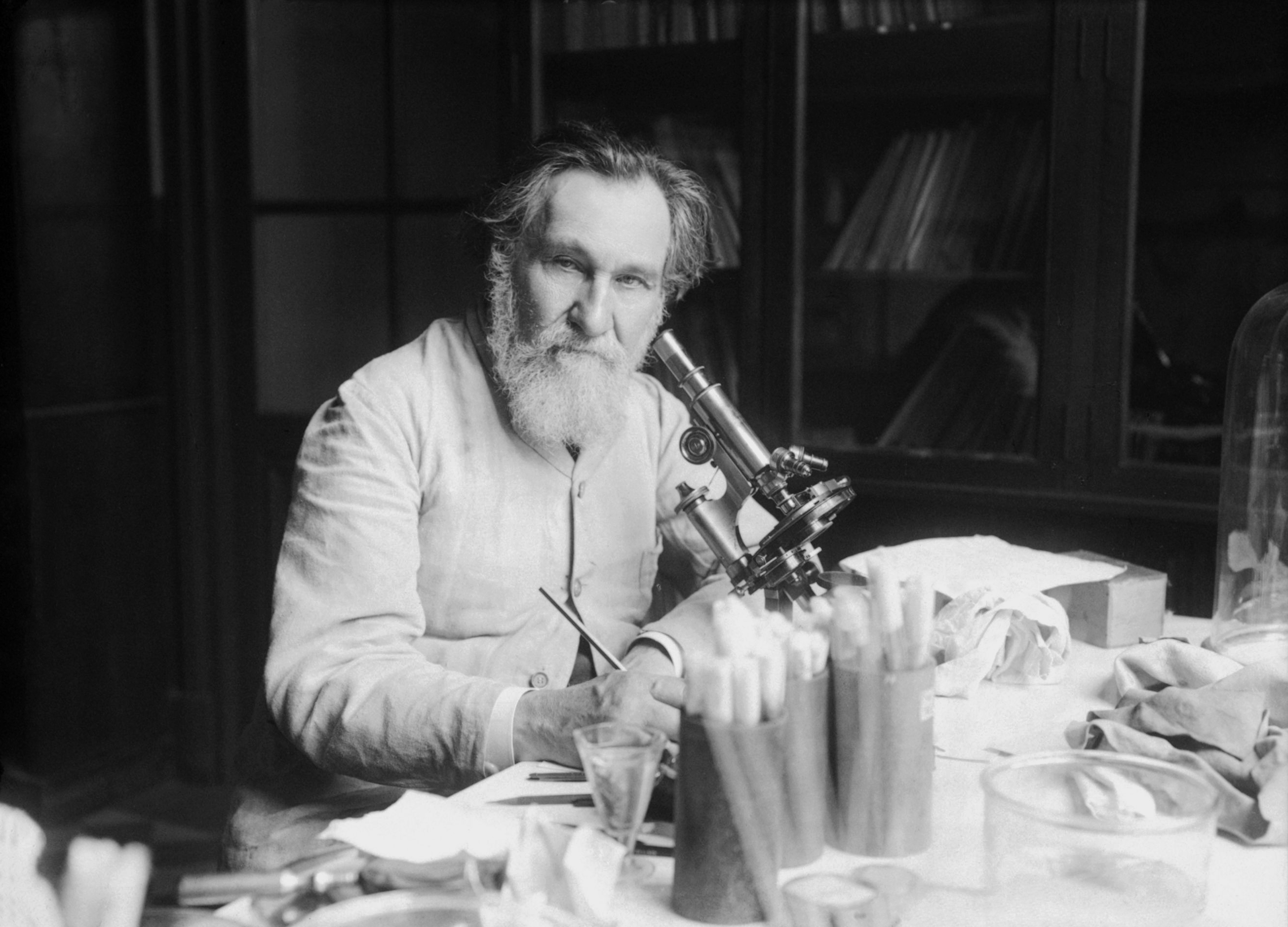
The anniversary of the founder of gerontology – Elie Metchnikoff. Lessons from history and hope for the future

Metchnikoff Picture 1

The recent years marked multiple anniversaries of the founder of gerontology, a foundational figure of modern immunology, aging and longevity science, and of modern medicine generally – Elie Metchnikoff (May 15, 1845 – July 15, 1916). On May 15, 2015, we celebrated the 170th anniversary of his birth, and on July 15, 2016, we marked 100 years since his death. The year 2018 marked 110 years since his Nobel Prize in Physiology or Medicine “in recognition of [the] work on immunity” (the Nobel Lecture was delivered on December 11, 1908). And May 15, 2020, we celebrated the 175th anniversary of his birth. The past decade could be truly declared “The Decade of Metchnikoff”! 

For the proponents of healthy longevity and advocates of aging research, Metchnikoff has a special significance. Metchnikoff is of course known as a pioneering immunologist and microbiologist, a vice director of the Pasteur Institute in Paris, and the Nobel Laureate in Physiology or Medicine of 1908 for the discovery of phagocytosis (a major contribution to the cellular theory of immunity). Yet, he may also be well credited as “the father” of gerontology – the disciplinary term he coined. Both the terms “gerontology” (“the study of aging”) and “thanatology” (“the study of death”) were coined by him in the Etudes On the Nature of Man, published in 1903, which may mark the beginning of these scientific fields.[1] Metchnikoff himself traced the beginning of publicity of his aging and longevity research to his presentation on April 22, 1901, at the Manchester Literary and Philosophical Society, where he “laid out a program of investigations aimed to unravel the problem of aging, the problem that had seemed almost intractable”.[2]

To the present day, his scientific reputation has remained high around the world. In fact, Metchnikoff can be considered a unifying cultural symbol for many nations.

Metchnikoff was either a direct originator or one of the primary researchers for a variety of key aging-ameliorating and life-extending methods, experiments and research programs that are still being followed today.[3] They include in fact the first truly scientific theory of aging and longevity, based on meticulous histological observations and on a model of dynamic behavior of living tissues, in particular showing the critical role of the immune system (phagocytes) and intoxication of intestinal microflora (microbiome) in degenerative aging processes. Metchnikoff also made a foundational contribution to the discussions of the evolutionary theory of aging, in particular regarding the possibility of “programmed aging.” Thanks to him, there began the development of many practical geroprotective means, including probiotic diets, systemic and adjuvant immunotherapy (serum therapy, in particular the use of cytotoxic sera for tissue stimulation), the study of replacement therapy and regenerative therapy.[4]

In view of the immense significance of degenerative aging processes for the emergence of virtually all diseases, both communicable and non-communicable, and in view of the accelerating development of potential means to intervene into and ameliorate these processes for the sake of achieving healthy longevity, Metchnikoff’s pioneering contribution to this field assumes an ever greater global significance. The world is rapidly aging, threatening grave consequences for the global society and economy, while the rapidly developing biomedical science and technology stand in the first line of defense against the potential threat. These two ever increasing forces bring gerontology, describing the challenges of aging while at the same time seeking means to address those challenges, to the central stage of the global scientific, technological and political discourse. At this time, it is necessary to honor Metchnikoff, who stood at the origin of gerontological discourse, not just as a scientific field, but as a social and intellectual movement.

There is a tradition to celebrate the anniversaries of great persons (scientists, artists, writers, politicians, generals) to promote the area of their activity and popularize their ideology. It may be hoped that honoring the anniversary of Metchnikoff can serve to promote and popularize the science and ideology of healthy life extension, including the state level. The “Metchnikoff Day” (held on the day of his birth – May 15) can provide an impulse for organizing topical meetings and conferences, a stimulus for research, and publications in the media, dedicated to Metchnikoff’s legacy and continuation of his life’s work – the study of aging and longevity. This may play a positive role not only for the advancement and popularization of research of aging and healthy longevity, but also for the promotion of optimism, peace and cooperation.

Indeed, in 2015, events in honor of the Metchnikoff Day were held in Ukraine, Russia, UK, Israel, Cyprus.[5]  In the year 2020, an international online conference was dedicated to Metchnikoff’s 175h anniversary, entitled “Aging, Immunity and COVID-19”.[6]  Unfortunately, the anniversary received little attention among the “main-stream” media and officials, virtually none in 2020. It has been mainly up to researchers and advocates for healthy longevity to create exemplary promotional events and publications in honor of the founder of their movement.

It may be hoped that, following these examples, more events and publications will be held around the world in honor of this day in the future. It is possible to dedicate additional special days to organize internationally coordinated actions and educational campaigns in support of longevity science. Thus, from 2013 through 2019, such actions were organized on or around October 1 – “The International Day of Older Persons” or “The International Longevity Day” with events and actions sometimes expanding through the entire month of October, in the framework of “the Longevity Month” campaign.[7] Yet, “Metchnikoff’s day” on May 15, can be one of the most unifying, uplifting and educational.

Thus thanks to Metchnikoff’s continuing inspiration and authority, the interest in aging and longevity research can be increased in all the walks and segments of society. And thanks to the increased interest and education, the research itself may intensify, producing an improved capacity to contribute to the achievement of healthy longevity for all.

Consider, for example, several statements by Metchnikoff that can inspire thought and action even now. As he stated in Etudes on the Nature of Man (1903, p. 201):[1]

“It has been long noted that aging is very similar to disease. Therefore it is not surprising that human beings feel a strong aversion to aging. … Undoubtedly, it is a mistake to consider aging as a physiological phenomenon. It makes as much sense to accept aging as a normal phenomenon, because everybody ages, as it makes sense to accept childbirth pain as normal, because only very few women are spared it. In both cases, we deal, of course, with pathological and not with purely physiological phenomena. Inasmuch as people endeavor to mitigate or eliminate the pains of a woman in labor, it is as natural to endeavor to eliminate the evils brought by aging. However, while during childbirth pains, it is enough to apply an anesthetic, aging is a chronic evil against which it is much more difficult to find a cure.”

And as he asserted in Forty Years in Search of a Rational Worldview (1914):[8]

“The second of Bergson’s questions “What are we doing in this world?” should be formulated differently: “What should we do in this world?” Our answer to this, presented in this work and elsewhere, can be stated as follows: “We should, by all means, strive that people, ourselves included, live their full life cycle in harmony of feeling and of mind, until reaching, in the ripest old age, a sense of saturation with life. The main misfortune on earth is that people do not live to that limit and die prematurely.” This statement is the basis of all moral actions… It is difficult to imagine that, in some more or less distant future, science will not accomplish this goal and will not solve the problem of the prolongation of human life to a desired limit, as well as rectify other disharmonies of the human nature.

Can there be a stronger call to thought and to action for the combat of degenerative aging and for the prolongation of healthy human life? Let us hope this call will continue to be heard and acted upon.[9]

The recent time further accentuated the importance and relevance of this call. The recent global crisis, with the world held in the grip of the COVID-19 mostly affecting the frail and elderly, showed with unprecedented clarity to vast masses people the importance of fighting against aging-related ill health and for the extension of healthy longevity, for the benefit of the individual and the entire society. Thus, this pandemic of aging-related ill health yet again stressed the importance of Metchnikoff’ legacy and the need to advance and practically implement gerontological science.

Metchnikoff’s anniversary provides yet another opportunity to reflect on the progress gerontologicial science has made since its inception by Metchnikoff about 120 years ago. Many observational and computational techniques, experimental models and theories of aging have been created. Yet it also gives us pause to think how little practical gerontological medical solutions have actually reached the general public to address the urgent challenges of the aging society. Now, 120 years since the start of the field, no verifiable medical means exist to extend either the lifespan or the healthspan in humans, neither the human lifespan nor  the relative healthspan are increasing, only a few biomedical interventions into aging are barely beginning to enter human trials (some of the most notable of them, such as metformin and rapamycin, have been known for many decades), there is no agreed clinically applicable definition of aging or aging-related ill health, nor agreed evidence based measures or evaluation criteria to assess the effectiveness of interventions against these conditions. The specific clinical requirements and regimens of the elderly are barely examined and addressed, even for traditional lifestyle interventions that have been known for centuries (such as diet, exercise and rest), and even those known interventions are often disregarded.

The urgent need to extend healthy longevity, the promise of emerging biomedical technologies, as well as the realization of the little practical solutions achieved so far, may give us all a triple motivation to advance and support gerontological research, to implement it in practice, so it could live up to its promise and necessity. Let us hope no more time will be lost, and urgent research and practical actions will be undertaken, so that we can celebrate Metchnikoff’s next anniversaries with verified extended healthy longevity for the entire global population.

References

[1] I.I. [Ilya Ilyich] Metchnikoff, Etudy o Prirode Cheloveka (Etudes On the Nature of Man), Izdatelstvo Academii Nauk SSSR (The USSR Academy of Sciences Press), Moscow, 1961 (1903). The first French edition, Elie Metchnikoff, Études sur la Nature Humaine, was published in Paris (Masson) in 1903. The Russian translation used here was done by Elie Metchnikoff and his wife Olga.

The book is also available in English: The Nature of Man: Studies in Optimistic Philosophy, translated by P.C. Mitchell, Putnam, NY, 1908 (1903), https://archive.org/details/prolongationofli00metciala.

Unless otherwise specified, all the excerpts quoted here are translated by Ilia Stambler.

[2]  Elie Metchnikoff, “Borba so Starcheskim Pererozhdeniem” (The struggle against the degeneration of senescence), in I.I. Metchnikoff. Sobranie Sochineniy (Collected Works), Eds. N.N. Anichkov and R.I. Belkin, The USSR Academy of Medical Sciences, Moscow, 1962, vol. XV, pp. 346-350.

[3] Ilia Stambler, “Elie Metchnikoff – the founder of longevity science and a founder of modern medicine: In honor of the 170th anniversary,” Advances in Gerontology, 28(2), 207-217, 2015 (Russian); 5(4), 201-208, 2015 (English). 

[4] Ilia Stambler, A History of Life-Extensionism in the Twentieth Century, Longevity History, 2014, http://www.longevityhistory.com/.

[5] Ilia Stambler, “The 170th anniversary of Elie Metchnikoff – the founder of gerontology, May 15, 2015,” Longevity for All, http://www.longevityforall.org/170th-anniversary-of-elie-metchnikoff-the-founder-of-gerontology-may-15-2015/http://hplusmagazine.com/2015/05/06/may-15-2015-170th-anniversary-of-elie-metchnikoff-the-founder-of-gerontology-an-opportunity-to-promote-aging-and-longevity-research/

[6] The 1st Metchnikoff’s Day Online Conference “Aging, Immunity and COVID-19” May 16, 2020. http://www.longevityalliance.org/?q=1st-metchnikoff-s-day-online-conference-aging-immunity-and-covid-19-may-16-2020 ;  http://www.longevityforall.org/metchnikoff-day-may-15-online-conference-may-16/

[7] Ilia Stambler, “Longevity Day and Longevity Month” Longevity History, 2019 http://www.longevityhistory.com/longevity-day-and-longevity-month/

[8] Elie Metchnikoff, Sorok Let Iskania Razionalnogo Mirovozzrenia (Forty Years in Search of a Rational Worldview), 1914, in I.I. Metchnikoff, Academicheskoe Sobranie Sochineniy (Elie Metchnikoff. Academic Collected Works, Ed. G.S. Vasezky), Academia Medizinskikh Nauk SSSR (The USSR Academy of Medical Sciences), Moscow, 1954, vol. 13, pp. 9-22.

[9] Ilia Stambler. Marking the 175th Years Anniversary of Elie Metchnikoff – The founder of gerontology and cell immunology – May 15, 2020. The lessons from history and hope for the future. Presentation.

Some of the events in honor of Metchnikoff’s 175th anniversary

The 1st Metchnikoff’s Day Online Conference “Aging, Immunity and COVID-19” May 16, 2020, an event by International Longevity Alliance. 

http://www.longevityforall.org/metchnikoff-day-may-15-online-conference-may-16/

https://longevityalliance.org/new/the-1st-metchnikoffs-day-online-conference-aging-immunity-and-covid-19-may-16-2020/

CONFERENCE RECORDING

https://youtu.be/oDqCYjT1pkA


https://www.facebook.com/Elie-Metchnikoff

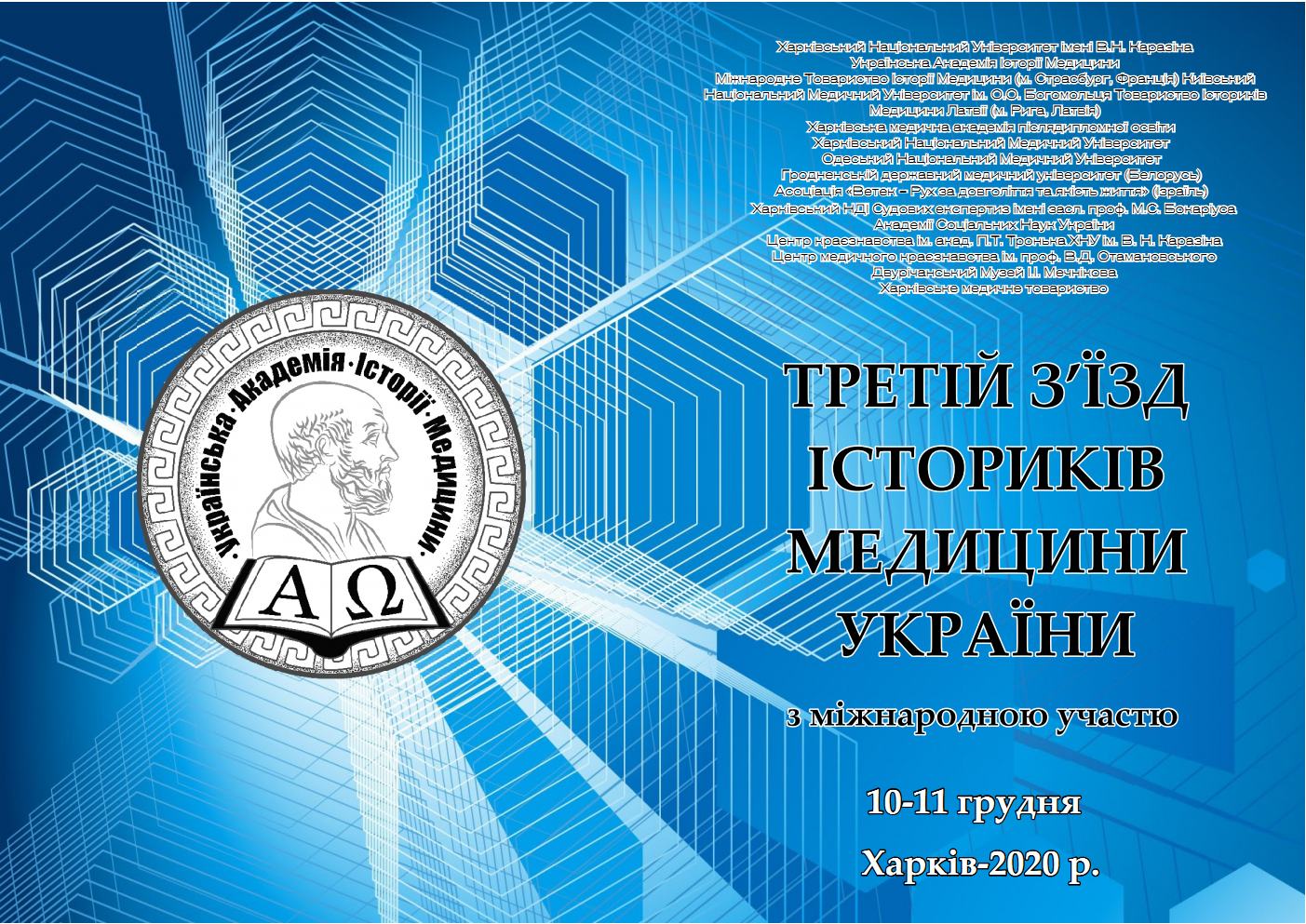
Програмка_Опарин_обложка_Page1
Третій З’їзд істориків медицини України. 10-11 грудня. Харків. 2020 р.
У тому числі: ІЛЛЯ МЕЧНИКОВ – ЗАСНОВНИК ГЕРОНТОЛОГІЇ
Третий съезд историков медицины Украины. С международным участием (онлайн). Декабрь 10-11, 2020
Включая – Илья Мечников – основатель геронтологии
The third congress of the historians of medicine of Ukraine. Including international participation (online). December 10-11, 2020

 Including: Elie Metchnikoff – the founder of gerontology

Тезисы съезда – в специальном выпуске 14(2Б) журнала:

Восточноевропейский журнал внутренней и семейной медицины

СХІДНОЄВРОПЕЙСЬКИЙ ЖУРНАЛ ВНУТРІШНЬОЇ ТА СІМЕЙНОЇ МЕДИЦИНИ

Conference proceedings – in the Special Issue 14(2B), 2020 of the journal:

The East Europe Journal of Internal and Family Medicine.

In English 

Ilya Mechnikov — the founder of Gerontology.

In Ukrainian 

Ілля Мечников – засновник геронтології.

In Russian

Илья Мечников — основатель геронтологии.

The East Europe Journal of Internal and Family Medicine – 14-2b-2020

https://drive.google.com/file/d/1RMPFe3cmT5P3C6957qoyCvROAxwREOAu/view

Congress Program

Program 3rd congress of historians of medicine Ukraine

The Ukrainian national forum of immunologists, allergologists, microbiologists and specialists in internal medicine, in honor of the 175th anniversary of Elie Metchnikoff.
September 16-17. 2020. Kharkov (also on line)
Including: 175th anniversary of Elie Metchnikoff – the founder of Gerontology and Cell Immunology. Lessons of the Past – Hope for the Future.
ДРУГИЙ НАЦІОНАЛЬНИЙ ФОРУМ ІМУНОЛОГІВ, АЛЕРГОЛОГІВ, МІКРОБІОЛОГІВ ТА СПЕЦІАЛІСТІВ КЛІНІЧНОЇ МЕДИЦИНИ, ПРИСВЯЧЕНИЙ 175-РІЧЧЮ З ДНЯ НАРОДЖЕННЯ І.І. МЕЧНИКОВА» (за участю міжнародних спеціалістів – online)
У тому числі: 175 РОКІВ ВІД ДНЯ НАРОДЖЕННЯ І.І. МЕЧНИКОВА – ЗАСНОВНИКА ГЕРОНТОЛОГІЇ ТА КЛІТИННОЇ ІМУНОЛОГІЇ. УРОКИ МИНУЛОГО – НАДІЯ НА МАЙБУТНЄ.
Ілля Стамблер (Ізраїль). 17 вересня. 2020

 Четвертий З’їзд істориків медицини України. 3-4 листопада. Харків. 2021 р.

У тому числі: І. Стамблер. Розвиток біомедичної геронтології в Україні – історичний пріоритет.
Четвертый съезд историков медицины Украины. С международным участием (онлайн). Ноябрь 3-4, 2021
Включая: И. Стамблер. Развитие биомедицинской геронтологии в Украине – исторический приоритет
The third congress of the historians of medicine of Ukraine. With international participation (online). November 3-4, 2021
Including: I. Stambler. The development of biomedical gerontology in Ukraine – a historical priority
Stambler I. The development of biomedical gerontology in Ukraine – a historical priority. The East Europe Journal of Internal and Family Medicine, 17(2b), 35-40, https://dx.doi.org/10.15407/internalmed2021.02b.035

Metchnikoff day – May 15. Online conference – May 16

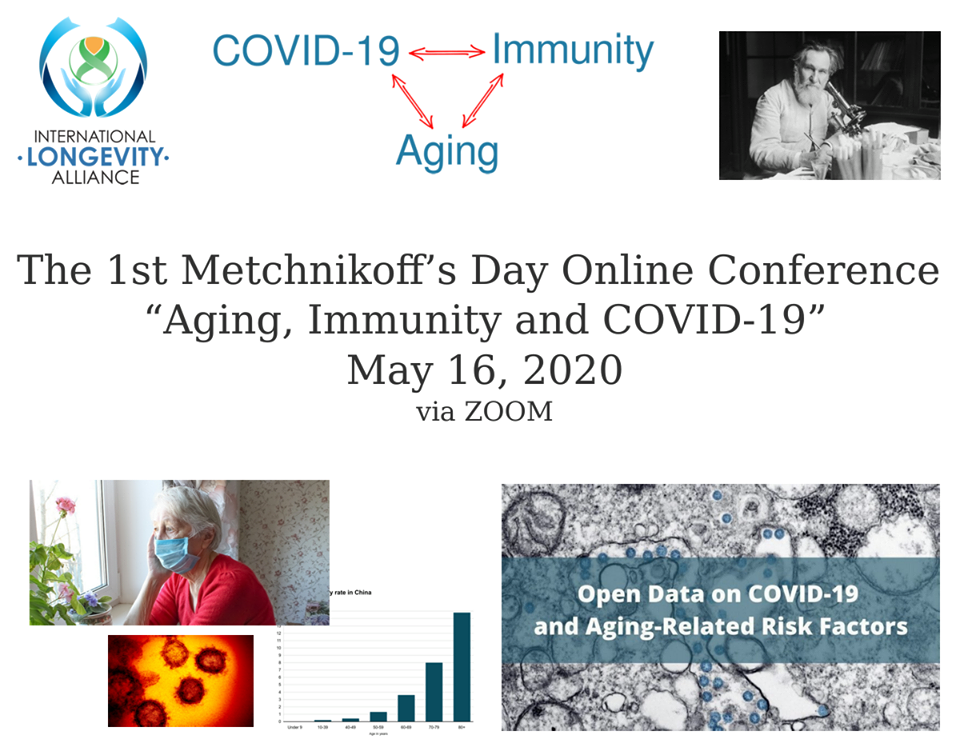
Metchnikoff Day Poster 1

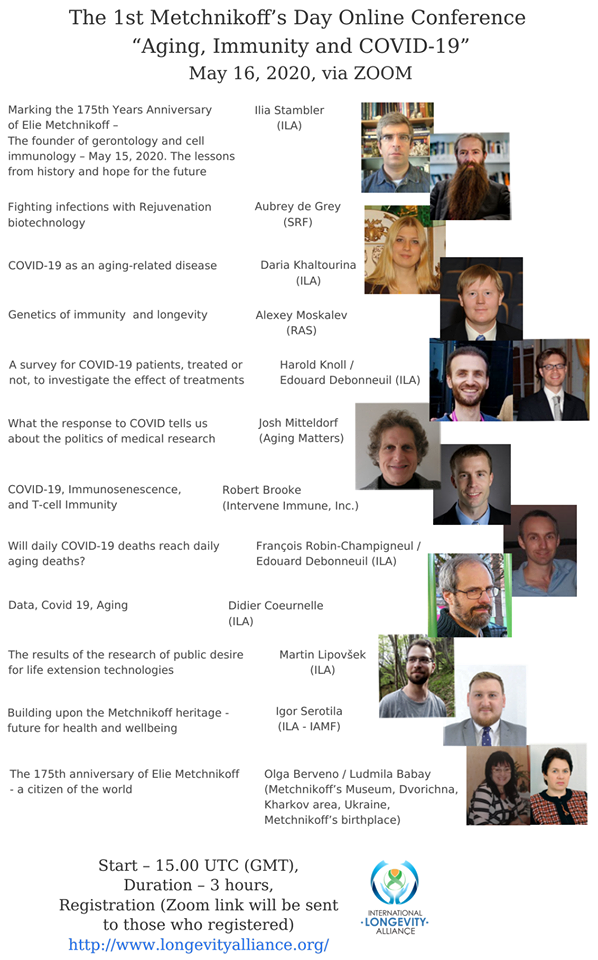
The 1st Metchnikoff’s Day Online Conference 

“Aging, Immunity and COVID-19”

May 16, 2020

Via ZOOM

Time (tentative, may be updated): 8am PST, 11am EST,  15pm GMT, 17pm CET, 18 pm IST/MST.

The online conference is dedicated to celebrating the 175th anniversary of Elie Metchnikoff, the founder of gerontology and cell immunology (May 15, 1845-July 15, 1916). The conference will foster academic and public discussion on how biological research of aging and longevity could help tackle COVID-19 pandemics and improve the control of aging-related communicable and non-communicable diseases. 

We will advocate for the strong enhancement of the research of aging-mediated immune deficiency as a major risk factor for disability and mortality. It is established that elders have a much greater risk of dying from COVID-19 than young people. While the average mortality rate from COVID-19 among known cases in Hubei, China, was 0.2% until the age of 40 y.o., it was 14.8% among people over 80 y.o. COVID-19 is thus a disease opportunistically associated with aging. Hence ameliorating degenerative aging processes appears to be the most promising way to protect patients, especially the elderly, to reduce their disability and mortality. 

The conference will emphasize this connection. The International Longevity Alliance holds annual events on Metchnikoff’s Day to promote longevity research and advocacy around the world. 

Attendance is open and free, yet registration is requested.

Registration form (ZOOM link will be sent to the registered attendants in advance).

https://docs.google.com/forms/d/e/1FAIpQLSfdmp_2Uhp7ZYQRRAwu604I0s_g3B8A9QpeFG-Roaboh3CElA/viewform

In addition, the conference will be streamed on facebook, from the ILA group

https://www.facebook.com/groups/longevity.alliance/

The recording is on youtube

https://youtu.be/oDqCYjT1pkA

The Program

http://www.longevityalliance.org/?q=1st-metchnikoff-s-day-online-conference-aging-immunity-and-covid-19-may-16-2020

METCHNIKOFF CONFERENCE PROGRAM MAY 16

Facebook event

https://www.facebook.com/events/237031744174376/

Event poster

https://www.facebook.com/InternationalLongevityAlliance/photos/rpp.308167409309579/2752709588188670/?type=3&theater

See also events and materials from Metchnikoff’s day celebrations in 2015, on Metchnikoff’s 170th anniversary

http://www.longevityforall.org/170th-anniversary-of-elie-metchnikoff-the-founder-of-gerontology-may-15-2015/

Presentations for Metchnikoff’s 175th anniversary

English

Russian


UNESCO Committee on Anti-Aging and Disease Prevention is established in Beijing!

logo-isoadThere is a growing consensus that researching and developing therapeutic interventions into degenerative aging processes is a necessary condition for improving the health and longevity of the rapidly aging global population Thus, the research and development of therapies against degenerative aging processes (anti-aging) and for prevention of major aging-related diseases is a necessary condition for alleviating the severe economic, healthcare and humanitarian challenges of the global aging society. And therefore, promoting the research and development in the field of anti-aging and aging-related disease prevention is becoming an urgent national and international task. How can the field of anti-aging and disease prevention be promoted globally to solve the challenge of bringing effective, safe and accessible anti-aging and preventive therapies to the world as soon as possible? A significant further step was taken toward the solution of this challenge with the establishment of the new Executive Committee on Anti-aging and Disease Prevention, a joint effort of UNESCO and China World Peace Foundation. 

The Executive Committee on Anti-aging and Disease Prevention was established in the framework of Science and Technology, Pharmacology and Medicine Themes under an Interactive Atlas along the Silk Roads, UNESCO. The committee inauguration took place during the 2nd (Beijing) Annual International Biomedical Health Conference and the 1st Academician Forum of Transnational Biomedical Field, in Beijing, on December 16, 2019 (http://www.isoad.org). 

See more details about the establishment of the UNESCO committee in the report of the International Society on Aging and Disease – ISOAD (one of the main co-organizers of the UNESCO committee) in Aging and Disease, the journal of the International Society on Aging and Disease, entitled:

“The Urgent Need for International Action for Anti-aging and Disease Prevention”

Aging and Disease, 2020, 11(1): 212-215

http://www.aginganddisease.org/article/2020/2152-5250/ad-11-1-212.shtml

And related news:

The next major gathering of the UNESCO Committee on Anti-Aging and Disease Prevention will take place during the 4th International Conference on Aging and Disease (4th ICAD) of the International Society on Aging and Disease (ISOAD) that will be held at China National Convention Center, Beijing, China, from October 30 to November 2, 2020.

This will be a high level gathering of leading experts from many countries and various professional disciplines engaged in research and training in the fields of aging and aged-related disease. The mission of ISOAD is to improve health and quality of life by stimulating research focused on understanding the biological linkage between aging and disease. This conference will further advance this mission and provide a platform that will help to fill the current gap between studies of the basic biology of aging and of aged-related disease. We expect that about 1,500 scientists, physicians and students will attend from all over the world.

Detailed information about the conference, including the venue, confirmed speakers, program, call for papers, and registration, can be found at:  http://www.isoad.org/Data/List/Conference 

We wish the new UNESCO Committee on Anti-Aging and Disease Prevention the best of success in its vitally important mission!

And we look forward to seeing you in Beijing, China, from October 30 to November 2, 2020!

On behalf of the International Society on Aging and Disease (ISOAD)

www.isoad.org

Organizing the Longevity Month Campaign for October 2019

Longevity Day and Month Generic

As every year since 2013, about three months ahead, we start preparing for the Longevity Month campaign in October (also commonly designated as “Longevity Day” for particular daily events during October). This traditional campaign has combined the activities of many organizations and individual activists working to promote research, development and application for healthy longevity around the world. During the years, hundreds of events, publications and other promotional actions were organized in dozens of countries in the framework of this campaign. These activities help build up the longevity activism into a massive global grassroots movement with a sizable impact on public health and research policy.

Here are some examples of the past activities. https://www.longevityforall.org/longevity-day-and-longevity-month-october-2018/

This year too, we invite you to organize longevity-related events, publications and promotions during the month of October, advocating to enhance research, development and education for the promotion of healthy longevity and prevention of aging-related diseases.

If you organize or participate in an event, publication or promotion in your country, please contact us, so we could present and combine the events together as a united global campaign.  Thank you for your support and involvement!

longevityalliance@googlegroups.com

longevityforallinfo@gmail.com


International Perspectives on Geroscience meetings 2019

geroscience 1

Source: US Nathan Shock Centers of Excellence in the Basic Biology of Aging

https://nathanshockcenters.org/international-perspectives-on-geroscience-meetings

(Details on attendance and registration, and the programs will be published soon.)

It is clear that the field of geroscience is poised to become an important area of focus in biomedicine in the future. But there is considerable work to be done in order to bring the field forward, bridging the gap and increase our understanding of the molecular and cellular underpinnings of aging that make it the main risk factor for disease and disability.

In 2019, a series of international meetings, with support from the Nathan Shock Centers Coordinating Center, will aim to increase and enhance our understanding of geroscience concepts, and to encourage researchers around the globe to integrate these concepts into their research endeavors, in order to accelerate the development of both prevention and intervention strategies.

When and Where?*

• China: May 24-25

• West Coast of the US: May 29-30 in San Francisco

• Australia: Aug 26-28 in Sydney

• Israel: Sept 4-5 in Weizmann Institute of Science, Rehovot

http://www.longevityisrael.org/international-perspectives-on-geroscience-israel-4-5-september-2019/

• Europe: Sept 13-14 in Madrid, Spain

• Singapore: Sept 25-26

• Chile: November 18-21

*Dates subject to change.

What to expect?

Each conference will be 1.5 day in length. Conference sessions will combine basic, translational, and clinical researchers and will feature a unique format of short, focused talks (think TED talks) centered on critical open research questions, along with interactive panel discussions. Presentations will be followed by moderated discussions.

These conferences will foster the cross-pollination of concepts and approaches, introduce researchers working on common problems who may otherwise have never met, and initiate research collaborations between researchers at differing center programs.

How to attend?

For regular updates, subscribe to the Nathan Shock Centers newsletter here, follow @nathanshockctrs on Twitter and NathanShockCenters on Facebook, and check this website.

For more information, please email contact@nathanshockcenters.org.

Longevity Day and Longevity Month – October 2018

Longevity Day and Month

(Updated November 1, 2018)

As every year since 2013, we organize the campaign: International Longevity Day (October 1) and/or International Longevity Month (October) in support of biomedical research of aging and longevity. In the past 5 years, hundreds of events, meetings, publications and promotions in dozens of countries were held as a part of this campaign.

Also this year, excellent events were organized as a part of the Longevity Month campaign in October, including: 

1. France

The conference of the International Society on Aging and Disease on October 5-7 in Nice

http://www.isoad.org/Data/List/Conference

2. Spain 

Transvision 2018 on October 19-21 in Madrid

http://transvisionmadrid.com/

3. Israel

Awareness campaign – Healthy Longevity through research and development (throughout October).

http://www.longevityisrael.org/longevity-month-israel-october-2018/

A conference at the Weizman Institute of Science “Promoting Longevity: Targeting Aging and Age-related Diseases”

4. Belgium

Announcing the results of the Longevity Film Competition (organized by HEALES, SENS Research Foundation and ILA) on October 1 https://longevityfilmcompetition.com/

http://www.longevityalliance.org/?q=longevity-film-competition-until-september-15th

5. Russia

The international school “Mechanisms of Aging and Age-Related Diseases” – Moscow Institute of Physics and Technology from September 30 to October 3

https://biomembranes2018.ru/program/satellite-events/

6. Italy

Senior Expo. Prevention and Family. Cosenza. October 4,5,6

https://www.facebook.com/events/643160249394686/

7. Bulgaria

The conference on Vanguard Scientific Instruments in Management (VSIM) in Ravda, on September 11-16, including a section on longevity and future technologies, with a following promotion and declaration during the International Longevity Day – October 1.

http://vsim-conf.info/en/

8. Pakistan

An awareness campaign organized by the Pakistan Aging Research Society (PARS) and the National Academy of Young Scientists (NAYS)

https://www.facebook.com/events/525281527894931/

9. Cyprus

As a part of the Longevity Day/World Day of Older People Celebrations, The Rotary Club of Larnaca held an event on Tuesday 02/10/2018 at 8pm, at Sun Hall Hotel, Larnaca. 
10. Ukraine
A mini-seminar on aging research was held in Kiev, on September 30, as a part of the Longevity Day celebrations.
11. Romania
A meetup in Bucharest on October 14
12. UK
Anti-aging conference London. October 11-13
13. Brazil
On line promotion by NeuroPod


Here are some exemplary events, promotions and publications from the past 5 years of this campaign. 

https://www.facebook.com/LongevityDay/

http://www.longevityforall.org/longevity-day-and-longevity-month-october-2017/

If you organize an event, meeting, publication or any other kind of promotion – please share your plans, so this year too we can create a sizeable public awareness campaign in support of aging and longevity research, development and application.

Ilia Stambler

Longevity for All


The 3rd International Conference on Aging and Disease (2018 ICAD) – Nice, France – October 5-7, 2018

logo-isoadThe 3rd International Conference on Aging and Disease (2018 ICAD) of the International Society on Aging and Disease (ISOAD) will be held at Le Saint Paul Hôtel, Nice, France, on October 5-7, 2018.

The conference is organized by the International Society on Aging and Disease (ISOADwww.isoad.org), and the Institute for Research on Cancer and Aging, Nice (IRCAN), France, and co-organized by Xuan Wu Hospital, Capital Medical University, and the first affiliated Hospital, Wenzhou Medical University, China, and the Institute for Healthy Aging, University of North Texas Health Science Center at Fort Worth, Texas, USA, and sponsored by Qingdao Co-orient Watson Biotechnology Group Co. Ltd.

The confirmed speakers include many international distinguished researchers in the fields of aging and aging-related diseases http://www.isoad.org/Data/List/Conference.

The purpose of the conference is to create a forum for basic researchers and physicians to discuss current challenges in aging and aging-related disease. We believe that this conference will provide a platform that will help to fill the current gap between studies of the basic biology of aging and of aging-related disease.

All information regarding the conference, including the conference site, speakers etc., can be found at www.isoad.org

The first ICAD was held in Beijing in 2014, and the second ICAD was held at Stanford University,California, USA.  Both conferences were greatly successful. The forthcoming ICAD conference inNice, France is anticipated to be no less impactful both for the advancement of science and public support of biomedical research for aging and aging-related diseases, towards the achievement of healthy longevity.

The Conference deliberations will be on the following topics:

Session 1: Longevity Interventions

Session 2: Stem Cells, Aging and Disease

Session 3: Aging, Metabolism and Disease

Session 4: Aging, Stroke and Cardiovascular Disease

Session 5: Age-Related Neurodegenerative Disease

Session 6: Genetics, Aging and Disease

Session 7: System Aging and Disease

Session 8: Aging, Immunity and Translation

Session 9: Aging, Protein Oxidation and Disease

Session 10: DNA Damage and Disease

Session 11: Public Support for Aging Research


You are encouraged to submit the abstract (www.isoad.org) as early as possible.

We hope to see you at ICAD 2018 in Nice, France, on October 5-7, 2018! (On October 8, an optional tour and networking for the conference participants will be held.)

Thank you for forwarding this announcement to colleagues!

Should you have any questions, please feel free to contact the Organizing Committee via e-mail:isoad@isoad.org

On behalf of the ICAD 2018 Conference Organizing Committee

Ilia Stambler, PhD. ISOAD Outreach Coordinator

www.isoad.org

https://www.nature.com/natureevents/science/events/70543-The_3rd_International_Conference_on_Aging_and_Disease_2018_ICAD_Nice_France_October_5_7_2018

https://www.facebook.com/International-Society-on-Aging-and-Disease-ISOAD-763771300337299/


Aging is now included into the WHO work program. Thanks!

whologoDear friends,

Following the previous extensive discussion and the recent WHO Executive Board Meeting that was completed on January 27, I felt it was necessary to provide an update on the campaign that many longevity activists were conducting for the inclusion of aging health into the WHO work program.

Briefly: Congratulations, the longevity activists have won!

Thanks to the international advocacy campaign, WHO now has included a strong focus on “healthy aging” into the new WHO draft work program.

See the latest work program draft in English and all the 6 UN official languages (as of January 2018)

http://www.who.int/about/what-we-do/gpw-thirteen-consultation/en/

http://apps.who.int/gb/ebwha/pdf_files/EB142/B142_3-en.pdf?ua=1

See especially paragraphs 15, 16, 17, 37, including the WHO commitment to advance the Global Strategy and Action Plan (GSAP) on Ageing and Health (until 2020, including the strategic objective 5 for “improving measurement, monitoring and understanding of healthy ageing”) and to prepare for the Decade of Healthy Aging (2020-2030).

Perhaps the most significant for advocacy is that Paragraph 17 of the work program declares that “Ensuring healthy ageing is an urgent challenge in all countries” and Paragraph 15 declares the major public health goal “to live not just long but also healthy lives” and suggests the use of “healthy life expectancy” as the main measure of health care success. Such goals and measures for healthy longevity can be advocated and quoted also at the national and local level.

Further, WHO published the specific targets and indicators of the WHO 13th General Programme of Work (GPW) 2019-2023. The main target for advancing aging health in the WHO work program is: “Reduce the number of older adults 65+ yrs who are care dependent by 15 million” – from the estimated baseline of 180 million in 2017 to 165 million in 2023. The data are to be evaluated through national population surveys, though the measurements of “care dependence” and distributions by countries and regions are not clear. Yet, as the program states, “Agreed impact indicator framework [is] under development prior to the Decade for Healthy Ageing 2020-2030”. This can provide further justifications to advance healthy longevity as well as an item for consultation and reporting, nationally and internationally.

So thanks again to everybody who participated in the campaign to include aging health into the WHO work program for your contribution! Here the head of the WHO Ageing and Life Course division acknowledges the importance of this campaign for the change of the program, and quotes the article “Aging health and R&D for healthy longevity must be included into the WHO work program” as an example of the successful joint advocacy effort.

https://twitter.com/DrJohnBeard/status/938418218473082881

http://www.aginganddisease.org/EN/10.14336/AD.2017.1120

Hopefully, this advocacy will continue, to ensure healthy longevity is not just planned, but actively advanced and implemented. If you organize or are involved in further longevity advocacy campaigns – either for specific topics (like the one for the WHO) or specific dates and occasions – please share your plans and actions, so we could coordinate together and create a stronger impact!

Thankfully,

Ilia Stambler, PhD

Chairman. Israeli Longevity Alliance (ISRLA). Chief Science Officer. Vetek (Seniority) Association – the Senior Citizens Movement (Israel)

http://www.longevityisrael.org/

Outreach coordinator. International Society on Aging and Disease (ISOAD)

http://www.isoad.org/

Coordinator. Longevity for All

http://www.longevityforall.org/


Advocate to include aging health into WHO Work Program – Update

Aging - 90 Percent 1An update on the issue of the exclusion of the subject of aging health and any measures for its improvement from the WHO Work Program for 2019-2023. An advocacy campaign has been taking place to introduce these issues into the WHO Work Program, via the open public consultation that WHO now conducts about the program. It is really easy to participate in the consultation, to tell the WHO that aging health is important and R&D for healthy longevity is important. Any one can do it right now via this link:

http://www.who.int/about/gpw-thirteen-consultation/en/

Some backgrounds on the WHO work program and this advocacy campaign:

http://www.aginganddisease.org/EN/10.14336/AD.2017.1120

http://www.isoad.org/Data/View/745

http://www.longevityforall.org/aging-is-excluded-from-who-work-program-please-react/

https://www.facebook.com/longevityforall/posts/1466226320080764

Now the update (as of November 25, 2017):

It looks like our joint advocacy efforts so far with the WHO had some effects. About 90% of the responses (of over 400 by Nov. 19 and more are coming in) were about the lack of aging in the WHO program. And following those comments, as the “proposed action” WHO apparently plans to commit to including WHO’s earlier “Global Strategy and Action Plan on Aging and Health – GSAP” in its work program (including GSAP strategic objective 5 “Improving measurement, monitoring and research on Healthy Ageing”).

(Of course, that is just partial information, mainly according to the WHO Presentation

http://www.who.int/mediacentre/events/2017/executive-special-session/executive-board-slides.pdf?ua=1

https://www.facebook.com/photo.php?fbid=10155224996319001&set=a.10151164471979001.443216.609694000&type=3&theater&ifg=1

It is still too early to make any definite conclusions. We will still need to watch the process for the long run, and respond accordingly.)

But apparently some contribution was made. Thank you very much for your involvement and effort!

That is just a start. We can still advocate with WHO for the strong emphasis on aging health and R&D for healthy longevity through May 2018 (when the work program is submitted to the WHO assembly).

Even now you are welcome to continue responding to the WHO consultation, and emphasize the importance of aging health and biomedical aging research, as the deadline was again extended through Nov. 29, if you have not yet done sohttp://www.who.int/about/gpw-thirteen-consultation/en/

Please also spread the word (also in the media and social media, as mass media ignores this topic, even though this issue relates basically to everybody). We have to make the need to promote aging health overwhelmingly clear to WHO (>95%)! 

In particular, please see: The joint position statement, entitled “Aging health and R&D for healthy longevity must be included into the WHO Work Program” published in Aging and Disease. 9(1):1-3, 2018. Available on line:

http://www.aginganddisease.org/EN/10.14336/AD.2017.1120

http://www.isoad.org/Data/View/745

The signatories include leaders of the International Society on Aging and Disease (ISOAD), American Federation for Aging Research (AFAR), International Federation on Ageing (IFA), International Association of Gerontology and Geriatrics – IAGG (European Region and Asia-Oceania), International Longevity Center – Australia, The Gerontological Society of the Russian Academy of Sciences, African Society for Ageing Research and Development (ASARD), Israeli Longevity Alliance/Vetek (Seniority) Association (Israel).

You may consider some of the points raised in that position statement, and are welcome to reference this document in your advocacy efforts!

Thanks again!

Ilia Stambler, PhD

Outreach coordinator. International Society on Aging and Disease (ISOAD)

http://www.aginganddisease.org/EN/10.14336/AD.2017.1120

http://www.isoad.org/Data/View/745

Chairman. Israeli Longevity Alliance. CSO. Vetek (Seniority) Association – the Senior Citizens Movement (Israel)

http://www.longevityisrael.org/

Longevity for all

http://www.longevityforall.org/aging-is-excluded-from-who-work-program-please-react/

https://www.facebook.com/longevityforall/photos/a.781457785224291.1073741828.668820539821350/1478935032143226/?type=3&theater

Further update (as of December 7, 2017).

Concretely, it looks like the WHO intends to amend the draft Work Program to include the clause “Reduce the number 65+ who are care dependent by 15 million”.

That is just a preliminary notion. Yet even this notion appears to be encouraging. Of course, this is not a strong impact objective, considering there are hundreds of millions of elderly whose care dependence needs to be improved, also thanks to developing better therapies and technologies through biomedical research of aging. But it may be a good start for introducing the objective of improving aging health, also for national advocacy efforts — considering that originally the issue was not in the WHO work program at all, and was introduced thanks to the international advocacy campaign!

Update January 9, 2017

Indeed, thanks to the international advocacy campaign, WHO has included a focus on “healthy aging” into the new WHO draft work program (the advance version was published on line on January 5, in the link below). See especially paragraphs 15, 16, 17, 37, including the WHO commitment to advance the Global Strategy and Action Plan (GSAP) on Ageing and Health (until 2020, including the strategic objective 5 for “improving measurement, monitoring and understanding of healthy ageing”) and to prepare for the Decade of Healthy Aging (2020-2030).

Perhaps the most significant for advocacy is that Paragraph 15 of the work program declares the major public health goal “to live not just long but also healthy lives” and suggests the use of “healthy life expectancy” as the main measure of health care success. Such goals and measures for healthy longevity can be advocated and quoted also at the national and local level.

http://www.who.int/about/what-we-do/gpw13-expert-group/Draft-GPW13-Advance-Edited-5Jan2018.pdf?ua=1

So thanks again to everybody who participated in the campaign to include aging health into the WHO work program for your contribution! Here the head of the WHO Ageing and Life Course division acknowledges the importance of this campaign for the change of the program, and quotes the article “Aging health and R&D for healthy longevity must be included into the WHO work program” as an example of the joint advocacy effort.

https://twitter.com/DrJohnBeard/status/938418218473082881

http://www.aginganddisease.org/article/0000/2152-5250/147696

Hopefully, this advocacy will continue to ensure healthy longevity is not just planned, but actively advanced and implemented. Let us see what is finally decided at the WHO Executive Board meeting on January 22-27 about the program and the place of healthy longevity and R&D for healthy longevity in it. http://www.who.int/about/what-we-do/gpw-thirteen-consultation/en/


Include specific tasks and goals to improve health of the global aging population into the WHO 13th General Programme of Work (GPW13)

It appears that in the forthcoming work program of the World Health Organization for the next 5 years – 2018-2023 – the issue of aging and aging-related ill health is excluded completely!

http://www.who.int/about/gpw-thirteen-consultation/en/

This means that, within the next 5 years, according to this document, the World Health Organization is not obliged to do anything to care for the health of older persons or to improve their health, not to mention conduct any research and development to create new therapies and technologies for improving the health of the aged. The issues of aged health are not in the WHO work program! This is the essence of ageism in health care and health research!

It should be obvious, not just to any health professional but to any lay person, that the global population aging poses grave and urgent challenges for global health, in the “developed” as well as the “developing” world. In the “developing world” in particular, not addressing the problems of aging, not improving national geriatric care and research capabilities, will condemn millions of the world’s poorest and most disadvantaged older people to misery that could be avoided. The explicit exclusion of the health needs of the global aging population in the WHO draft work program is inadmissible, even incredible.

How can this exclusion coexist with the mission of WHO’s division on “Ageing and Life Course”? How can it coexist with the recently adopted WHO’s Global Strategy and Action Plan on Ageing and Health (GSAP) for 2016-2020, endorsed by all the WHO member states? According to its goal statement, the GSAP must prepare for the “Decade of Healthy Ageing from 2020 to 2030” which was also announced by WHO. We urge the WHO to improve coordination among its various arms!

Most importantly, we urge the WHO to include and emphasize specific tasks and goals to maintain and improve the health of the global aging population in its work program. Among others, these tasks and goals must include enhancing scientific research and technological development aimed to provide new effective and safe therapies to meet the pressing health needs of the global aging population.

Ilia Stambler, PhD

Chief Science Officer. Vetek (Seniority) Association – the Senior Citizens Movement (Israel)

http://www.longevityisrael.org/

Coordinator. Longevity for All

www.longevityforall.org/

ilia.stambler@gmail.com

PS.

We also urge you to make your voice heard, and respond to the WHO consultation, in the link below (the deadline is until November 23, the responding is easy, and can be of any length, even very short). Please demand that WHO emphasizes the health care and research for the global aging population, and includes specific tasks and goals to improve health of the global aging population into its work program.

Even after this public consultation is over, there will still be time, at least until May 2018, until the program submission to the WHO Assembly. Please keep on advocating for this critical issue!

http://www.who.int/about/gpw-thirteen-consultation/en/

See also this facebook post.